Basement waterproofing is an important part of protecting a home from moisture, groundwater, leaks, and foundation-related water damage. A basement is located below or partly below ground level, which makes it naturally more exposed to soil moisture and groundwater than many other areas of a property. Without suitable protection, water can enter through cracks, joints, floors, walls, windows, or drainage systems.
In the USA and UK, basement moisture can occur for different reasons. Heavy rainfall, seasonal groundwater changes, poor drainage, aging foundations, leaking pipes, and inadequate exterior grading can all contribute to a wet basement. In some properties, moisture appears as occasional dampness, while others experience standing water or repeated seepage.
Modern basement waterproofing involves several methods designed to manage water and moisture around the structure. Depending on the cause, solutions may involve exterior drainage, interior drainage systems, foundation repairs, sump pumps, sealants, membranes, or a combination of these approaches.
What Is Basement Waterproofing?
Basement waterproofing refers to methods used to reduce or prevent water from entering a basement and causing moisture-related problems. The work may focus on the basement walls, floor, foundation, drainage system, or the exterior soil surrounding the property.
Water can reach a basement through several pathways. Hydrostatic pressure can push groundwater against foundation walls, while rainwater can collect around the outside of a building when surface drainage is inadequate. Small foundation cracks can also provide a route for water to enter.
A waterproofing system is therefore more than simply applying a coating to a wall. Effective moisture management considers the source of the water, the condition of the foundation, drainage patterns, soil conditions, and the construction of the basement.
Common Causes of Basement Water Problems
Understanding why water enters a basement is important when selecting an appropriate solution. Different causes require different approaches.
Groundwater and Hydrostatic Pressure
Groundwater can create pressure against basement walls and floors. When the surrounding soil becomes saturated, water may move toward areas of lower resistance. Cracks, joints, porous masonry, and construction gaps can become entry points.
Hydrostatic pressure is particularly relevant after prolonged rainfall or during periods when the groundwater level rises.
Poor Surface Drainage
Rainwater should normally be directed away from the foundation. Blocked gutters, damaged downspouts, poorly graded soil, and hard surfaces that slope toward the property can allow water to collect next to foundation walls.
Over time, repeated exposure to moisture can increase the likelihood of basement leaks and damp conditions.
Foundation Cracks
Concrete and masonry foundations can develop cracks because of settlement, temperature changes, shrinkage, soil movement, or construction-related factors. Some cracks are relatively minor, while others may indicate structural movement.
Water can pass through even narrow cracks when external water pressure is present. Foundation waterproofing may therefore need to be combined with appropriate crack repair.
Plumbing and Drainage Leaks
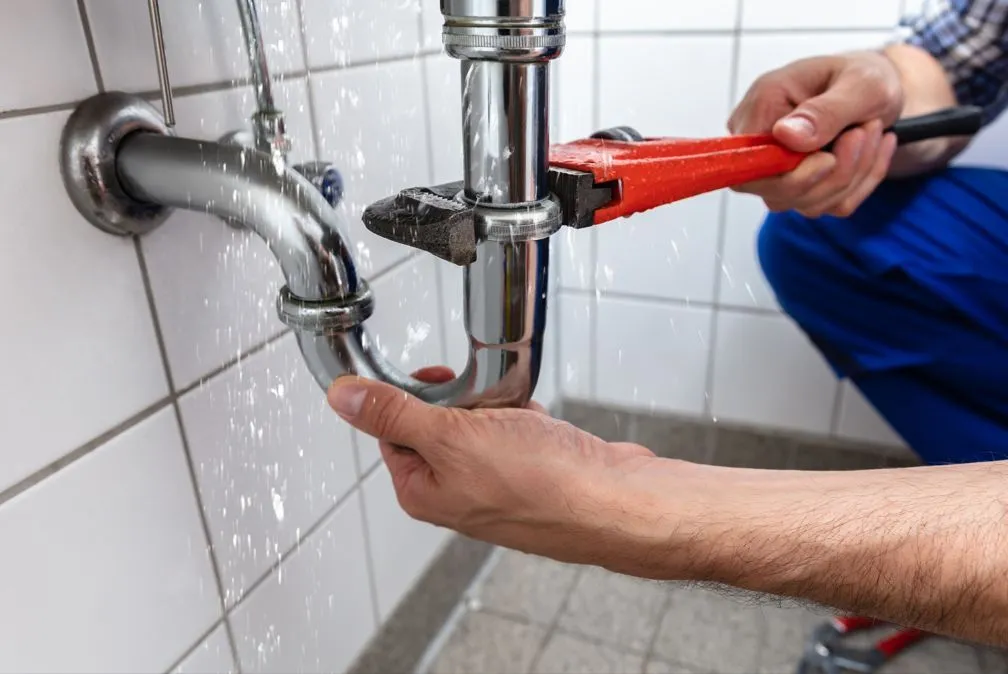
Not every wet basement is caused by groundwater. Leaking water supply lines, drainage pipes, water heaters, washing machines, or other plumbing components can also create moisture.
Identifying the source before starting waterproofing work helps avoid treating the wrong problem.
Waterproofing Inside Basement Areas
Waterproofing inside basement spaces can be useful when exterior excavation is impractical or when water needs to be controlled from within the building.
Interior systems may include drainage channels, sump pumps, waterproof membranes, sealants, crack-injection systems, and vapor-control materials.
An interior drainage system can collect water entering through foundation joints or walls and direct it toward a sump basin. A sump pump then moves the collected water away from the building.
This approach is sometimes referred to as an interior drainage system rather than traditional waterproofing because it manages water after it reaches the interior perimeter.
Interior Basement Waterproofing Methods
Interior basement waterproofing can involve several techniques depending on the construction and moisture conditions.
Interior Drainage Channels
Drainage channels may be installed along the basement perimeter. These systems collect water and direct it toward a sump pump or suitable drainage outlet.
They can be particularly useful where groundwater enters at the wall-floor joint.
Waterproof Membranes
Certain waterproofing membranes can be applied to basement walls to reduce water penetration. Some systems are designed to work with drainage layers that channel water toward a controlled collection point.
The suitability of a membrane depends on the wall material, moisture level, existing damage, and installation conditions.
Crack Injection
Concrete foundation cracks may sometimes be treated using polyurethane or epoxy injection systems. Polyurethane is commonly used where some movement or active water penetration is present, while epoxy can be used for certain structural crack-repair applications.
The correct material depends on the nature and location of the crack.
Sump Pump Systems
A sump pump collects water in a specially designed basin and discharges it away from the foundation. In areas with frequent basement flooding, a backup pump or battery backup system may provide additional protection against power failures.
Foundation Waterproofing and Exterior Protection
Foundation waterproofing focuses on preventing water from reaching the foundation or controlling it before it enters the building.
Exterior waterproofing may involve excavation around the foundation, cleaning and repairing the wall surface, applying a waterproof membrane or coating, installing drainage materials, and improving the surrounding drainage system.
Exterior work can address the source of water more directly because it creates a barrier between the foundation and surrounding soil.
However, excavation can be extensive, especially for established homes with landscaping, patios, driveways, or other structures close to the foundation.
Waterproofing Basement Foundation Walls
Waterproofing basement foundation structures requires attention to both the wall material and the surrounding soil.
Concrete, concrete block, stone, and brick foundations have different characteristics. Older homes in the UK and USA may have masonry foundations that require different repair methods from modern poured-concrete construction.
Exterior foundation waterproofing can include:
- Waterproof membranes
- Drainage boards
- Foundation coatings
- French drains
- Perimeter drains
- Gravel drainage layers
- Protective membranes
- Downspout extensions
- Surface grading improvements
The objective is to reduce water pressure and provide a controlled path for water to move away from the structure.
Waterproofing Basement Walls From Inside
Waterproofing basement walls from inside can help manage moisture when exterior access is limited. Interior wall treatments can include cementitious coatings, waterproofing membranes, sealants, drainage panels, and interior drainage systems.
However, a wall coating alone may not solve a problem caused by significant hydrostatic pressure. If water continues to accumulate outside the foundation, the underlying moisture source remains.
For this reason, interior wall waterproofing is often considered alongside drainage improvements rather than as an isolated treatment.
Wet Basement Waterproofing
A wet basement waterproofing strategy begins with identifying the source and movement of water.
Signs of a moisture problem can include:
- Damp or discolored walls
- Water stains
- Efflorescence or white mineral deposits
- Musty odors
- Peeling paint
- Mold or mildew growth
- Cracked masonry
- Pooling water
- Damp flooring
- Condensation
These symptoms do not always have the same cause. For example, condensation can result from high indoor humidity rather than groundwater intrusion.
A dehumidifier may help control humidity, but it will not resolve a foundation leak or significant groundwater problem. Similarly, repairing a crack may not stop water entering through another pathway.
Foundation and Basement Waterproofing
Foundation and basement waterproofing are closely connected because the foundation forms the main structural boundary between the basement and surrounding soil.
A complete moisture-control strategy may consider:
- Roof and gutter drainage
- Downspout discharge
- Surface grading
- Exterior foundation drainage
- Foundation wall condition
- Basement floor and wall joints
- Interior drainage
- Sump pump operation
- Indoor humidity
- Plumbing systems
Looking at these elements together can provide a better understanding of how water is moving around the property.
Home Waterproofing Solutions for Different Properties
Home waterproofing solutions vary according to climate, construction type, soil conditions, basement design, and the age of the property.
In parts of the USA, properties may experience intense storms, snowmelt, expansive clay soils, or seasonal groundwater changes. In the UK, prolonged rainfall, high groundwater, older masonry construction, and below-ground dampness can be significant considerations.
New construction can incorporate waterproof membranes and drainage systems during foundation installation. Existing homes may require retrofit solutions such as internal drainage, external excavation, crack repair, or sump pump installation.
The appropriate solution should be based on the actual source of moisture rather than the appearance of the basement alone.
Materials Used in Basement Waterproofing
Different waterproofing systems use different materials.
Cementitious Waterproofing
Cement-based waterproofing compounds can be applied to certain masonry and concrete surfaces. They are relatively straightforward to apply but may not be suitable for every water-pressure condition.
Polyurethane
Polyurethane products are frequently used for certain crack-sealing applications because they can accommodate some movement and react with moisture depending on the formulation.
Epoxy
Epoxy resins are used in specific concrete crack-repair applications and can provide strong adhesion. Their suitability depends on whether the crack is structural, active, or subject to movement.
Waterproof Membranes
Membranes create a physical barrier against water. Exterior membranes are commonly combined with drainage systems to reduce pressure against foundation walls.
Drainage Boards
Drainage boards create a pathway for water to move toward a drainage system while helping protect waterproofing membranes during backfilling.
Basement Waterproofing and Indoor Air Quality
Persistent moisture can affect indoor environmental conditions. Damp spaces may develop musty odors and provide favorable conditions for mold growth.
Basement waterproofing can therefore form part of a broader moisture-management strategy. Ventilation, humidity control, insulation, and appropriate heating can also influence basement conditions.
The U.S. Environmental Protection Agency and UK health authorities have both emphasized the importance of controlling indoor dampness and mold as part of maintaining healthier indoor environments.
Basement Waterproofing Cost Factors
The cost of basement waterproofing varies considerably between properties. There is no single price that applies to every basement.
Factors affecting the overall cost can include:
- Basement size
- Type of foundation
- Extent of water intrusion
- Number and size of cracks
- Interior or exterior access
- Excavation requirements
- Drainage conditions
- Waterproofing materials
- Sump pump requirements
- Soil conditions
- Existing landscaping
- Local labor costs
- Required structural repairs
Interior systems can sometimes require less excavation, while exterior waterproofing may involve greater site preparation. A proper assessment should distinguish waterproofing costs from separate structural or drainage repairs.
Preventing Future Basement Moisture
Water management does not end with the installation of a waterproofing system. Routine maintenance can reduce the risk of future problems.
Gutters should be kept clear, and downspouts should discharge water away from the foundation. The ground around the property should generally direct surface water away from the building.
Sump pumps should be tested periodically, particularly before seasons with heavy rainfall. Cracks, damp areas, unusual odors, and changes in basement conditions should also be investigated promptly.
Basement Waterproofing in the USA and UK
Basement construction varies significantly across the USA and UK. Regional climate, soil composition, building age, construction standards, and groundwater conditions all influence moisture problems.
In the USA, basement waterproofing is common in areas where below-grade living spaces are widely used. In the UK, basements and cellars can be found in both historic and modern properties, with older buildings often requiring careful consideration of masonry, ventilation, and moisture movement.
Regardless of location, successful basement water proofing depends on understanding how water reaches the structure and selecting a system suited to that specific building.
Final Thoughts
Basement waterproofing is fundamentally a moisture-management process involving the foundation, drainage system, basement walls, floors, and surrounding soil. Water can enter through cracks, joints, porous materials, groundwater pressure, plumbing leaks, or poor surface drainage.
Solutions can range from exterior foundation waterproofing and drainage improvements to interior basement waterproofing, sump pumps, membranes, crack repair, and humidity control.
For homeowners in the USA and UK, understanding the source of moisture is an important first step. A basement that remains dry depends not only on a waterproof coating but also on effective water drainage, sound foundation construction, and ongoing property maintenance.