Adding a bathroom to a house can improve everyday convenience, increase usable living space, and make a property more suitable for growing families. An additional bathroom can be particularly useful in homes where several people share one bathroom, where bedrooms are located far from existing facilities, or where a basement, attic, or unused room is being converted into functional living space.
However, one of the most important considerations before starting this type of renovation is the cost to add a bathroom. The overall expense depends on several factors, including the bathroom size, plumbing access, electrical work, fixtures, flooring, ventilation, waterproofing, and construction requirements.
A simple half-bathroom with a toilet and sink generally costs less than a full bathroom with a shower, bathtub, vanity, and additional storage. Similarly, adding a bathroom close to existing plumbing connections may be more affordable than constructing one in a basement or an area far from the existing drainage system.
In the USA and UK, bathroom addition costs also vary according to regional labour rates, building regulations, material prices, and property conditions. Understanding these factors helps homeowners estimate their renovation budget and make informed decisions about the project.
How Much Does It Cost to Add a Bathroom?
The average cost of bathroom addition projects varies depending on the type of bathroom, its location, and the complexity of construction.
For general budgeting purposes, the following table provides indicative project cost ranges for the USA and UK.
| Bathroom type | USA estimated cost | UK estimated cost |
|---|---|---|
| Half bathroom (toilet and sink) | $3,000–$8,000 | £2,500–£5,000 |
| Small bathroom with shower | $6,000–$15,000 | £4,000–£9,000 |
| Standard full bathroom | $10,000–$25,000 | £6,000–£15,000 |
| Luxury bathroom addition | $20,000–$40,000+ | £12,000–£25,000+ |
| Basement bathroom addition | $10,000–$30,000+ | £7,000–£18,000+ |
| Bathroom addition requiring an extension | $20,000–$50,000+ | £15,000–£35,000+ |
These are broad indicative planning estimates, not guaranteed market prices or contractor quotations. Actual costs may be lower or higher depending on location, property condition, project specifications, and construction requirements.
The cost to add a bathroom generally increases when the project requires new plumbing routes, structural changes, extensive waterproofing, or an extension to the existing building.
A detailed assessment of the property is necessary to establish a realistic project budget.
Factors That Affect the Cost to Add a Bathroom
Several construction and design elements determine the final price of adding a bathroom. Understanding these factors can help homeowners identify where most of their renovation budget will be spent.
1. Bathroom Size and Layout
Bathroom dimensions have a direct influence on material requirements and labour costs.
A compact half-bathroom requires less flooring, wall covering, plumbing, and installation work than a large bathroom with separate shower and bathtub areas.
Larger bathrooms may also require additional lighting, ventilation, cabinetry, and plumbing fixtures.
The layout is equally important. A design that keeps the toilet, sink, and shower close to existing plumbing connections may reduce installation complexity.
2. Plumbing Installation
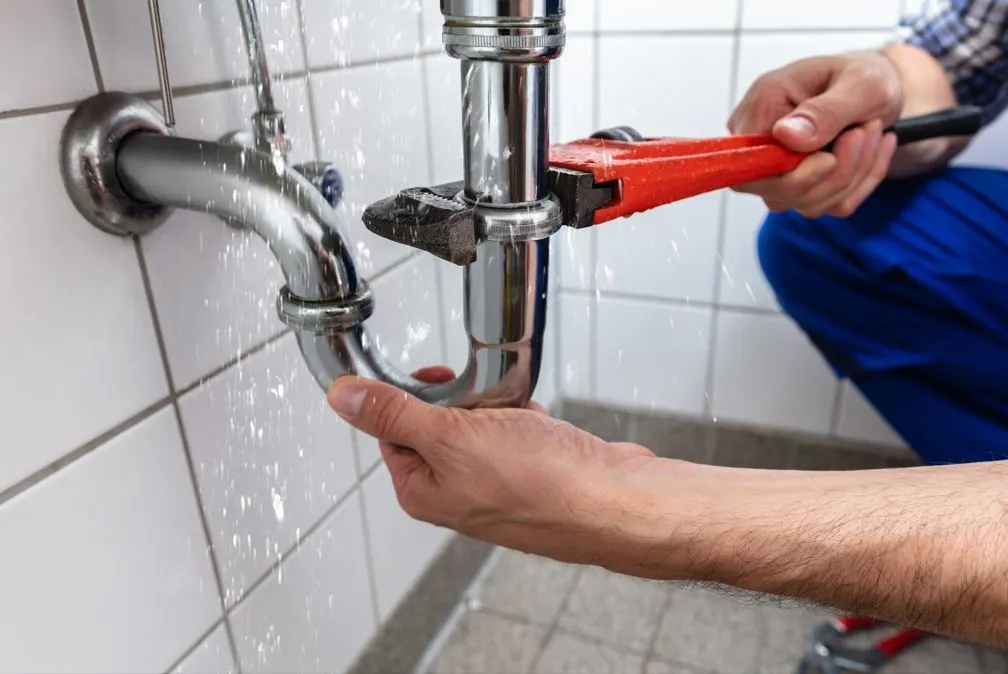
Plumbing is one of the most important cost considerations when adding a bathroom.
A new bathroom needs water supply connections for the sink, shower, and bathtub, as well as drainage connections for wastewater and sewage.
If the proposed bathroom is close to an existing bathroom, kitchen, or plumbing stack, the installation may be relatively straightforward.
However, a bathroom located on another floor or in a distant part of the property may require longer pipe routes, additional drainage connections, and changes to the existing plumbing system.
In basement projects, the drainage arrangement can be more complicated because the bathroom fixtures may sit below the main sewer line. A sewage ejector pump or another approved drainage solution may be necessary.
3. Electrical Work
Electrical installations are another important part of the bathroom addition cost.
A new bathroom may require electrical connections for lighting, extractor fans, heated towel rails, mirrors, shaver sockets, and other approved fixtures.
Bathroom electrical installations must comply with applicable safety regulations.
In the UK, electrical work must follow the relevant requirements of BS 7671, including the rules concerning bathroom zones and protection against electric shock.
In the USA, applicable National Electrical Code requirements and local building regulations should be followed.
The final electrical cost depends on the number of fixtures, wiring routes, circuit capacity, and whether the existing electrical system requires upgrades.
4. Bathroom Fixtures and Fittings
The choice of bathroom fixtures can significantly affect the price to add a bathroom.
Common fixtures include:
- Toilets and cisterns.
- Bathroom sinks and basins.
- Vanity units.
- Shower enclosures.
- Bathtubs.
- Showerheads and mixers.
- Bathroom taps.
- Mirrors and storage cabinets.
Basic fixtures generally cost less than designer products, wall-mounted toilets, rainfall shower systems, freestanding bathtubs, and custom vanity units.
The selection should consider durability, water efficiency, maintenance requirements, and compatibility with the available plumbing.
5. Flooring and Wall Finishes
Bathroom floors and walls need materials that can handle regular moisture exposure.
Ceramic and porcelain tiles are common choices because they are available in different sizes, colours, and finishes.
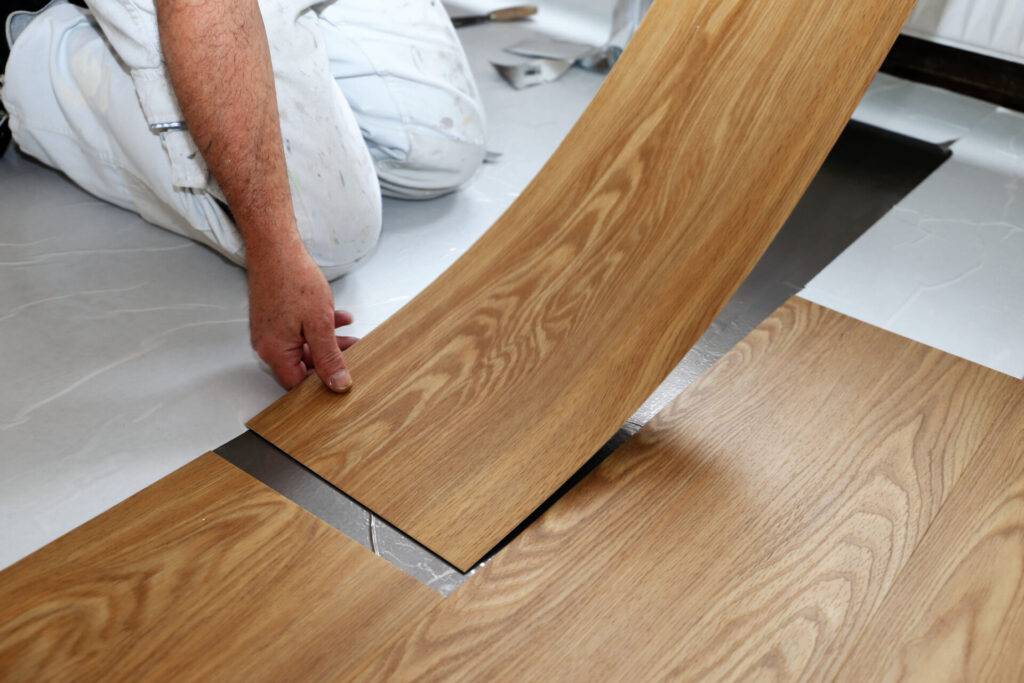
Other options include natural stone, waterproof wall panels, and suitable vinyl flooring.
The total cost depends on the surface area, material quality, installation method, and preparation requirements.
Additional expenses may arise if the existing floor needs levelling, structural reinforcement, or replacement before the new bathroom can be installed.
6. Waterproofing and Ventilation
Waterproofing is essential for protecting the building against leaks and moisture damage.
Areas around showers, bathtubs, and other wet zones require suitable waterproofing systems beneath the final surface finish.
Depending on the building and local regulations, installations may include waterproof membranes, tanking systems, sealed joints, and appropriate shower trays.
Ventilation is equally important. Bathrooms produce moisture through showers, baths, and everyday use.
An extractor fan or suitable mechanical ventilation system helps remove humid air and reduce condensation.
Poor waterproofing and inadequate ventilation can contribute to mould growth, damaged plasterboard, deteriorating finishes, and expensive repairs.
7. Labour and Contractor Charges
Labour costs vary according to location, project complexity, and the professionals involved.
A bathroom addition may require several trades, including:
- General contractors.
- Plumbers.
- Electricians.
- Carpenters.
- Tilers.
- Plasterers.
- Waterproofing specialists.
- Painters.
Coordinating these trades is an important part of the project. The total labour expense depends on the number of working days, installation requirements, and any unexpected construction issues.
Cost to Add a Bathroom in Different Areas of a House
The location of a new bathroom can have a major effect on the total renovation budget.
Adding a Bathroom to a Bedroom
An ensuite bathroom is a common home improvement project, particularly in properties with larger bedrooms.
The cost depends on the available floor space, proximity to existing plumbing, and whether walls or partitions need to be modified.
An ensuite may include a toilet, sink, shower enclosure, and vanity unit.
If an existing plumbing stack is nearby, installation may be simpler. However, creating an ensuite in a bedroom without convenient drainage access can require additional pipework and construction.
Adding a Bathroom in the Basement
Basement bathroom additions often involve more complex plumbing arrangements.
Because basement floors may sit below the main sewer line, gravity drainage may not be possible. In these situations, a sewage ejector pump or another engineered drainage solution may be needed.
Other considerations include basement moisture protection, concrete cutting, floor excavation, ventilation, ceiling height, and waterproofing.
The overall cost can therefore be higher than adding a bathroom on an upper floor with accessible plumbing connections.
Adding a Bathroom in an Attic
Attic bathroom projects require careful planning because of sloped ceilings, limited headroom, roof structures, and access restrictions.
The existing floor may need reinforcement to support the additional weight of fixtures, water, and occupants.
Plumbing supply and waste pipes must also be routed through the building without affecting structural components.
Roof windows, extractor ventilation, and suitable insulation may add to the total bathroom addition cost.
Adding a Bathroom Under the Stairs
The space beneath a staircase can sometimes accommodate a compact half-bathroom.
These installations generally include a toilet and small washbasin.
The main challenges involve available headroom, door placement, ventilation, drainage access, and the dimensions of the staircase enclosure.
Because the space is limited, careful fixture selection and layout planning are particularly important.
Average Cost of Bathroom Addition by Type
The type of bathroom determines the number of fixtures, materials, and installation stages required.
Half Bathroom
A half bathroom, sometimes called a powder room, generally contains a toilet and sink.
It is often installed near living areas, entrances, or under staircases.
Because it does not require a shower or bathtub, it usually involves fewer materials and simpler waterproofing requirements.
Three-Quarter Bathroom
A three-quarter bathroom generally includes a toilet, sink, and shower.
It requires additional plumbing, waterproofing, shower fittings, and suitable ventilation.
The final cost depends on whether the shower uses a prefabricated enclosure or a custom tiled design.
Full Bathroom
A full bathroom commonly includes a toilet, sink, bathtub, and shower.
Some designs combine the bathtub and shower, while others use separate areas.
Full bathroom additions require more floor space and generally involve higher material and installation costs.
Luxury Bathroom
Luxury bathroom additions may include premium fixtures, large-format porcelain tiles, natural stone, walk-in showers, freestanding bathtubs, underfloor heating, and custom cabinetry.
These features increase the cost of materials, installation, and finishing work.
Luxury projects may also require more detailed electrical, plumbing, and waterproofing specifications.
Bathroom Addition Cost Breakdown
A bathroom addition budget usually consists of several separate expense categories.
The following table illustrates how costs may be distributed in a typical project.
| Project component | Approximate share of budget |
|---|---|
| Plumbing and drainage | 15–25% |
| Electrical installation | 5–10% |
| Fixtures and fittings | 15–20% |
| Flooring and wall finishes | 15–20% |
| Waterproofing and ventilation | 5–10% |
| Labour and construction | 20–30% |
| Additional work and contingency | 5–10% |
These percentages are illustrative rather than fixed industry averages. Individual project requirements can change the distribution considerably.
For example, a basement bathroom may spend a larger proportion of its budget on drainage and excavation, while a bathroom built within an existing extension may require less structural work.
Bathroom Addition vs Bathroom Renovation: Cost Differences
Adding a new bathroom and renovating an existing bathroom are two different construction projects.
A bathroom renovation generally involves replacing existing fixtures, updating flooring, changing wall finishes, and improving lighting or ventilation.
Most of the main plumbing and drainage connections are already available, although some modifications may still be necessary.
A new bathroom addition requires additional plumbing connections, drainage routes, electrical work, ventilation, and often new walls or partitions.
If the project involves extending the property’s footprint, foundation work, roofing, insulation, and structural construction may also be required.
As a result, the cost to add a bathroom is often higher than the cost of updating an existing bathroom of a similar size.
Permits and Building Regulations in the USA and UK
Bathroom additions may require building permits, inspections, or compliance checks depending on the location and scope of the work.
In the USA, requirements vary by state, county, and municipality. Plumbing, electrical, ventilation, structural modifications, and drainage connections may be subject to local building codes.
In the UK, building regulations may apply to drainage, ventilation, structural safety, electrical installations, and energy efficiency.
Homeowners should check requirements with their local building control department or relevant authority before construction begins.
Planning permission may also be necessary if the bathroom forms part of an external extension or involves changes to the building’s exterior.
Unexpected Expenses When Adding a Bathroom
Some bathroom projects cost more than initially expected because of hidden problems or additional construction requirements.
Common examples include:
Old plumbing systems: Existing pipes may be damaged, corroded, or unsuitable for new connections.
Structural modifications: Floor joists or supporting walls may require professional assessment and reinforcement.
Drainage difficulties: Long pipe routes, insufficient drainage gradients, and basement installations may require specialised solutions.
Water damage: Existing leaks, damaged subfloors, or mould may need remediation before construction.
Electrical upgrades: The existing electrical system may not have sufficient capacity for additional bathroom equipment.
Material changes: Changes to tile selections, fixtures, or bathroom layouts during construction can increase the project budget.
A contingency allowance of approximately 10–15% is often sensible for projects involving older properties or uncertain existing conditions.
Conclusion
The cost to add a bathroom depends on the bathroom’s size, location, plumbing access, fixture selection, construction requirements, and labour expenses.
A simple half-bathroom generally requires a smaller investment than a full bathroom with a bathtub and separate shower. Basement and attic bathroom additions may involve additional structural and drainage work, increasing the overall project cost.
For homeowners in the USA and UK, understanding regional labour rates, material choices, building regulations, and plumbing requirements is essential when planning a bathroom addition.
A detailed project assessment and itemised contractor quotation can help establish a realistic budget. Considering waterproofing, ventilation, drainage, and long-term maintenance alongside the initial installation price can also support a more reliable and functional bathroom.
Frequently Asked Questions
1. How much does it cost to add a bathroom to a house?
In the USA, a basic bathroom addition may cost approximately $3,000–$8,000, while a standard full bathroom can cost around $10,000–$25,000. UK projects have different regional pricing and construction requirements.
2. Is it cheaper to add a bathroom near an existing bathroom?
Generally, yes. Installing a bathroom near existing plumbing and drainage connections can reduce pipework, labour, and installation complexity.
3. How much does it cost to add a bathroom in the basement?
A basement bathroom may cost approximately $10,000–$30,000 or more in the USA. The price depends on drainage access, concrete cutting, waterproofing, and whether a sewage ejector pump is required.
4. Can a bathroom be added under the stairs?
Yes, provided there is sufficient space, headroom, ventilation, and access to plumbing and drainage. Under-stair bathrooms are commonly designed as compact powder rooms.
5. Does adding a bathroom increase property value?
An additional bathroom may improve a property’s appeal and functionality, particularly where the existing bathroom facilities are limited. However, the effect on resale value depends on the local property market, construction quality, and buyer preferences.
6. How long does it take to add a bathroom?
A relatively straightforward bathroom addition may take several weeks, while complex projects involving extensions, structural changes, or basement drainage can take longer.
7. Do I need a permit to add a bathroom?
Permit requirements depend on local regulations and the type of work involved. Plumbing, electrical, structural, and drainage modifications may require permits or inspections in the USA and UK.