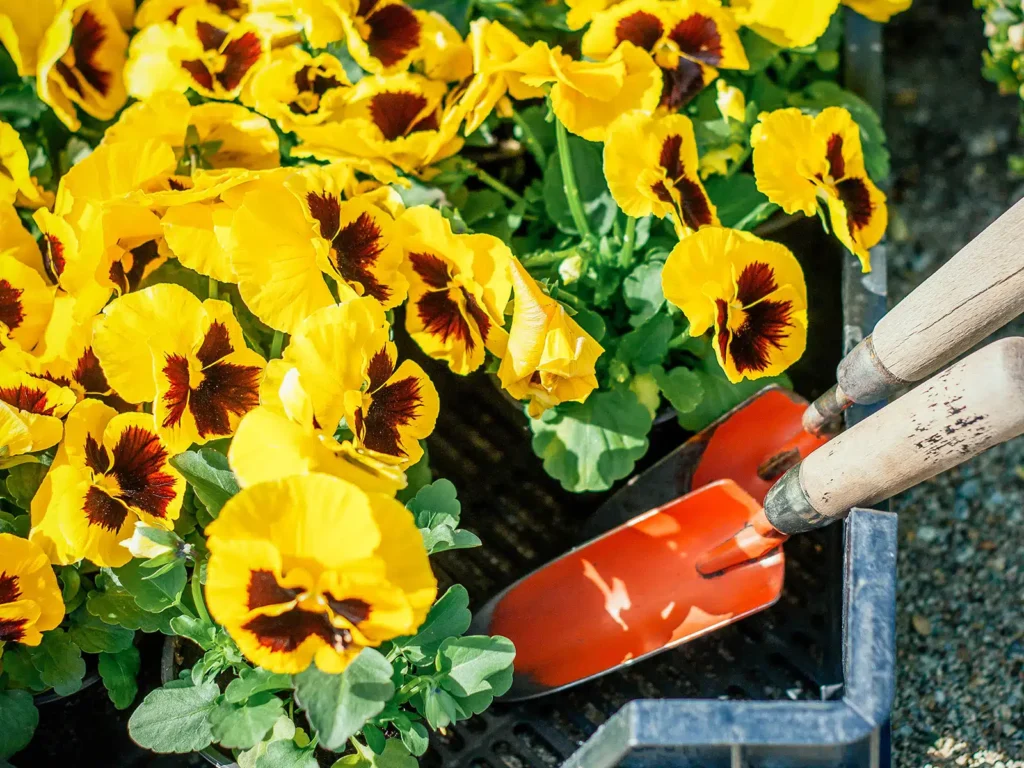
Pansies are popular flowering plants known for their colourful petals, distinctive face-like markings, and ability to brighten gardens during cooler weather. They are commonly found in flower beds, window boxes, borders, containers, and public landscapes across the United States and the United Kingdom. However, one question often arises among gardeners: are pansies perennials, or do they need to be replanted every year?
The answer depends on the pansy variety, local climate, and growing conditions. Pansies are botanically short-lived perennials, but they are commonly grown as annuals or biennials in many gardens. Their ability to survive winter or summer varies according to temperature, moisture, and the length of the growing season.
Understanding whether a pansy is an annual or perennial can help gardeners choose suitable varieties, plan seasonal planting, and manage their flower beds more effectively. This article explains the pansy’s life cycle, its performance in different climates, and the conditions that influence how long these colourful flowers remain in the garden.
Are Pansies Perennials or Annuals?
Pansies are technically short-lived perennials, meaning they can live for more than two years under suitable conditions. However, many gardeners treat them as annuals because they often lose their vigour after one growing season, particularly when exposed to extreme summer heat or harsh winter conditions.
The common garden pansy, scientifically known as Viola × wittrockiana, belongs to the Violaceae family. It is a cultivated hybrid developed from several species of the Viola genus. These plants are valued for their cool-season flowering, broad colour range, and compact growth habit.
In regions with mild temperatures, pansies may survive for several seasons. In areas with hot summers, they often decline when temperatures rise. Gardeners in colder regions may also grow them as annuals if winter temperatures fall below their tolerance or if the plants lack protection.
Therefore, the answer to the question “are pansies annuals or perennials?” is not simply one or the other. Their botanical life cycle and their practical use in landscaping are different.
What Is the Difference Between Annual and Perennial Pansies?
To understand whether pansies are annuals or perennials, it helps to know how these plant categories differ. The terms describe a plant’s life cycle, although gardeners sometimes use them according to how a plant performs in a particular climate.
-
Annual plants: Complete their life cycle within one growing season, producing flowers and seeds before dying.
-
Biennial plants: Usually complete their life cycle over two growing seasons, often producing leaves in the first year and flowers and seeds in the second.
-
Perennial plants: Can live for several years, regrowing from their existing roots or crowns when environmental conditions are suitable.
Pansies are generally considered short-lived perennials by botanical classification. Nevertheless, commercially grown garden pansies are frequently planted as annuals because their flowering performance often declines after one season.
Some pansies may behave like biennials, particularly when they are grown from seed and allowed to develop through successive seasons. Their actual growth pattern depends on the variety, planting date, and environmental conditions.
For example, a pansy planted in autumn in a mild climate may continue flowering through winter and spring. The same plant might struggle during summer heat and fail to return the following year. In a cooler location with suitable growing conditions, it may survive longer.
This difference explains why gardening labels and practical recommendations sometimes describe pansies differently.
How Long Do Pansies Live?
The lifespan of a pansy depends on its growing environment and the care it receives. Many garden pansies provide attractive flowers for several months, but their long-term survival is less predictable.
In the United States and the United Kingdom, pansies are frequently planted during autumn or early spring. They perform particularly well when temperatures remain cool and the soil retains adequate moisture without becoming waterlogged.
A typical pansy’s life cycle may include the following stages:
-
Germination: Seeds develop roots and shoots under suitable temperature and moisture conditions.
-
Vegetative growth: Young plants produce leaves and establish their root systems.
-
Flowering: Mature plants produce colourful blooms, often over an extended period in cool weather.
-
Seed production: Flowers may develop seed capsules if pollination occurs and the plants are allowed to mature.
-
Decline or continued growth: Plants may deteriorate under stressful conditions or remain alive if the climate is favourable.
Many gardeners replace pansies after their first major flowering season because the plants become leggy, produce fewer flowers, or lose their compact appearance. This does not necessarily mean that pansies are true annuals. It reflects their tendency to perform best during cooler parts of the year.
Deadheading, appropriate watering, and suitable soil can extend flowering, although these practices cannot eliminate the effects of extreme temperatures.
Are Pansies Winter-Hardy?
Pansies are well known for their ability to tolerate cool weather, which makes them popular winter and early-spring flowers. However, their winter hardiness varies between cultivars and depends on whether the plants have become established before severe cold arrives.
Many modern pansy varieties can tolerate light frost and short periods of freezing weather. Established plants may survive colder conditions, particularly when planted in well-drained soil and protected from repeated freeze-thaw cycles.
In the United States, pansies are commonly grown as winter annuals in warmer southern regions and as spring or autumn annuals in colder northern areas. In some locations, they can survive winter and resume flowering when temperatures rise.
In the United Kingdom, pansies are frequently planted in autumn for colour through the colder months. They generally perform well during mild winters, although prolonged freezing temperatures, waterlogged soil, and strong exposure can damage plants.
A few factors influence winter survival:
-
Cultivar selection: Some varieties are bred specifically for cold-weather performance.
-
Plant establishment: Plants with developed root systems generally cope better with cold than recently planted seedlings.
-
Soil drainage: Excess water around the roots can increase the risk of root damage.
-
Exposure: Strong winds and exposed locations can intensify winter stress.
-
Mulching: A suitable layer of mulch can help moderate soil temperature and reduce fluctuations.
It is important to distinguish cold tolerance from year-round survival. A pansy may withstand winter successfully but still decline when summer temperatures become too high.
Can Pansies Survive Summer?
Summer heat is one of the main reasons pansies are treated as annual flowers. Although they tolerate cool weather well, most traditional garden pansies struggle when temperatures remain high for extended periods.
Warm conditions can cause several visible changes. Flower production may slow, leaves may turn yellow, stems may become elongated, and the entire plant may lose its compact form. Heat stress can also make pansies more susceptible to pests and diseases.
In the United States, pansies generally perform better during autumn, winter, and spring in areas with hot summers. Gardeners in cooler northern states may enjoy them for longer, while those in warmer southern states often replace them as temperatures increase.
In the United Kingdom, summer temperatures are usually more moderate than in many parts of the United States, but prolonged warm spells can still affect pansy growth. Plants in containers or exposed sunny locations may experience greater heat stress than those growing in cooler garden beds.
To help pansies survive warmer periods:
-
Place them in a location with morning sunlight and some afternoon shade.
-
Keep the soil evenly moist without allowing it to become saturated.
-
Remove faded flowers and damaged leaves.
-
Avoid excessive fertiliser application, which can encourage weak growth.
-
Monitor container plants carefully because their soil dries out more quickly.
Even with careful maintenance, survival through summer is not guaranteed. Gardeners who want flowers throughout the warmer months may prefer heat-tolerant plants such as vinca or certain varieties of Viola suited to their local climate.
Do Pansies Come Back Every Year?
Pansies can come back every year, but whether they do depends on their variety and growing conditions. Some plants survive long enough to produce flowers in a second season, while others decline after their first period of flowering.
There are three common ways pansies may reappear in a garden.
1. The original plant survives
A pansy may remain alive after winter or a mild summer and produce new growth when conditions improve. This is more likely where temperatures stay within the plant’s preferred range and the soil drains well.
2. The plant produces new seedlings
Pansies can produce seeds after flowering. If these seeds mature and fall into suitable soil, new seedlings may appear later. These self-seeded plants are not the same as the original plant returning from its roots.
Because many garden pansies are hybrids, seedlings may differ from the parent plant in flower colour, size, or other characteristics.
3. Gardeners replant them seasonally
Many gardeners deliberately replace pansies each autumn or spring. This approach provides consistent flower colour and a uniform appearance, especially in formal borders, public landscapes, and container displays.
Therefore, if pansies disappear after flowering, it does not automatically mean that the plant was incorrectly classified as a perennial. Its lifespan may simply have been shortened by environmental stress.
Which Conditions Help Pansies Live Longer?
Growing conditions have a major influence on pansy health and longevity. Although these plants are relatively easy to grow, they perform best when their basic environmental needs are met.
Sunlight
Pansies generally prefer full sun to partial shade during cool weather. In colder climates, a sunny position can encourage stronger growth and better flowering.
Where summers are warm, partial shade can help protect plants from excessive afternoon heat. Too much shade, however, may lead to fewer flowers and weaker stems.
Soil quality
Pansies grow best in fertile, well-drained soil rich in organic matter. A soil structure that retains some moisture while allowing excess water to escape supports healthy roots.
Heavy clay soil may require improvement with suitable organic material and better drainage. In containers, use a quality potting mix rather than dense garden soil.
Watering
Consistent moisture is important, especially during flowering and dry weather. Water the soil around the base of the plant rather than routinely wetting the foliage.
Overwatering can create conditions that encourage root rot and other fungal problems. Conversely, prolonged dryness may cause wilting, reduced flowering, and premature decline.
Fertilisation
Moderate feeding can support leaf development and flower production. Apply a balanced fertiliser according to its label and the requirements of the growing medium.
Excessive nitrogen may encourage leafy growth at the expense of flowers. Regular feeding is not a substitute for suitable temperatures, sunlight, and drainage.
Pruning and deadheading
Removing faded flowers can encourage continued blooming and prevent the plant from directing as much energy towards seed production.
If pansies become leggy, light trimming may help improve their appearance. However, severely stressed plants are unlikely to recover simply through pruning.
Are All Types of Pansies Perennial?
Not every plant commonly called a pansy has identical growth characteristics. The term is often used for cultivated garden hybrids, while related plants in the Viola genus include species with different lifespans and environmental preferences.
The common garden pansy, Viola × wittrockiana, is usually treated as a short-lived perennial grown as an annual. Its large flowers and broad range of colours make it a familiar choice for seasonal bedding.
Violas, including the horned violet (Viola cornuta), are closely related and often have smaller flowers. Some viola varieties are more persistent in suitable climates and may be grown as perennials.
Johnny-jump-ups, commonly associated with Viola tricolor, are often grown as annuals or short-lived perennials and may self-seed under favourable conditions.
These distinctions matter when selecting plants for a garden intended to provide long-lasting flowers. A plant sold under a general pansy or viola label may have different growth habits depending on its exact variety.
Gardeners should check the plant label for the botanical name, recommended growing conditions, and expected lifespan. This information is more useful than relying on the word “pansy” alone.
When Should You Plant Pansies in the USA and UK?
Planting time affects root development, flowering, and the likelihood of survival into another season.
In the United States, autumn planting is common in regions with mild winters. It allows pansies to establish roots before colder weather arrives. In areas with severe winters, early spring planting may be more practical once the soil becomes workable.
In the United Kingdom, pansies can often be planted in autumn or spring. Autumn planting allows flowers to develop before winter, while spring planting provides colour during the cooler months before summer heat becomes a concern.
The best planting time varies according to local conditions. Gardeners should consider their area’s typical frost dates, summer temperatures, and drainage conditions rather than following a single calendar for the entire country.
When planting pansies, space them according to the variety’s mature size, water them after planting, and monitor soil moisture during establishment. Plants grown in hanging baskets and pots may require more frequent watering than those planted directly in the ground.
Common Problems That Shorten a Pansy’s Lifespan
Even when pansies are classified as perennials, several problems can prevent them from returning.
Root rot: Waterlogged soil can damage roots and cause plants to wilt or collapse. Good drainage is essential.
Powdery mildew: This fungal disease can produce a white, powdery coating on leaves, particularly when air circulation is poor.
Aphids: These small insects feed on plant sap and may cause distorted leaves and weakened growth.
Slugs and snails: These pests can damage young shoots, leaves, and flowers, especially in damp gardens.
Temperature stress: Excessive heat can stop flowering, while severe cold and repeated freezing may damage plants that are not sufficiently hardy.
Poor growing conditions: Compacted soil, inadequate sunlight, irregular watering, and unsuitable fertiliser use can all reduce plant vigour.
Regular inspection helps gardeners identify problems early. Removing badly affected plant material, improving drainage, and providing appropriate growing conditions can reduce many common issues.
Frequently Asked Questions
Are pansies perennials or annuals?
Pansies are botanically short-lived perennials, but most garden varieties are grown as annuals or occasionally biennials. Their lifespan depends on climate, variety, and growing conditions.
Are pansies annual flowers?
Pansies are often treated as annual flowers in landscaping because they commonly provide their best display during one cool growing season. This is a gardening practice rather than a strict botanical classification.
Is a pansy perennial in the UK?
Pansies can survive for more than one season in parts of the UK, especially where winters are mild and summers are not excessively hot. However, many garden varieties are still planted as seasonal annuals.
Are pansies perennial in the USA?
Their persistence varies across the United States. They may survive for more than one season in favourable climates, but hot summers and severe winters can limit their lifespan.
Should pansies be cut back after flowering?
Removing faded flowers is usually sufficient to maintain their appearance and encourage additional blooms. Light trimming may help leggy plants, but extensive pruning will not overcome severe heat stress or root damage.
Can pansies self-seed?
Yes. If flowers develop mature seed capsules, seeds may fall into the surrounding soil and germinate when conditions are suitable. The resulting seedlings may look different from the original hybrid plant.
Do pansies need to be replanted every year?
Not always. Some pansies survive into another season, while others decline because of temperature stress or their naturally short lifespan. Replanting annually is common when a consistent display is the priority.
Conclusion
So, are pansies perennials? Yes, pansies are generally classified as short-lived perennials, but they are commonly grown as annuals in gardens. Their ability to return in subsequent years depends on the cultivar, local climate, soil conditions, and seasonal care.
In the United States and the United Kingdom, pansies are especially valued for autumn, winter, and spring displays because they thrive in cooler weather. Some plants survive beyond one season, while others decline during summer heat or harsh winter conditions.
Understanding the difference between a plant’s botanical classification and its practical lifespan helps gardeners make better planting decisions. By selecting suitable varieties, providing well-drained soil, maintaining consistent moisture, and protecting plants from extreme temperatures, it is possible to extend flowering and improve the chances of pansies returning in another season.