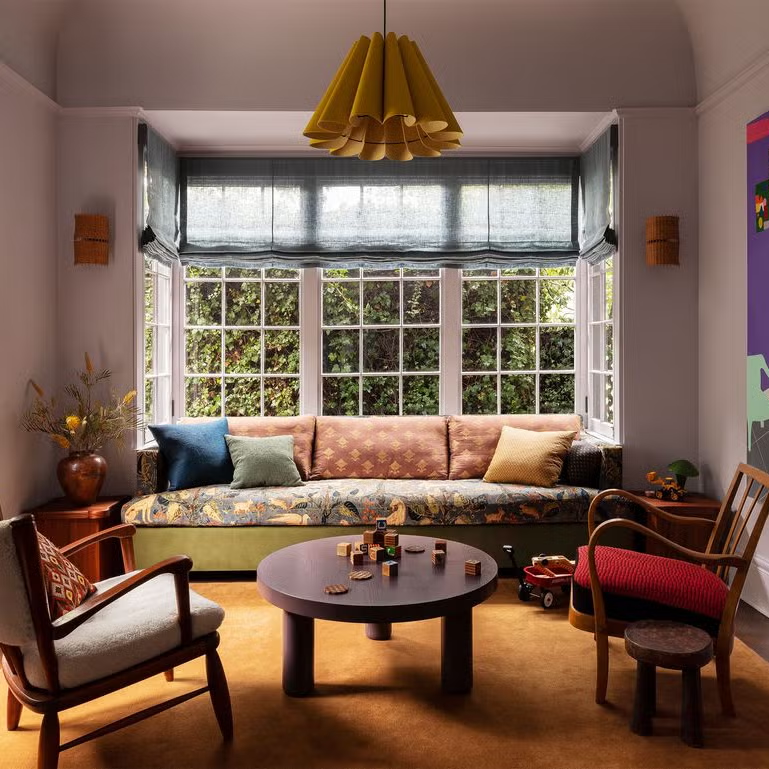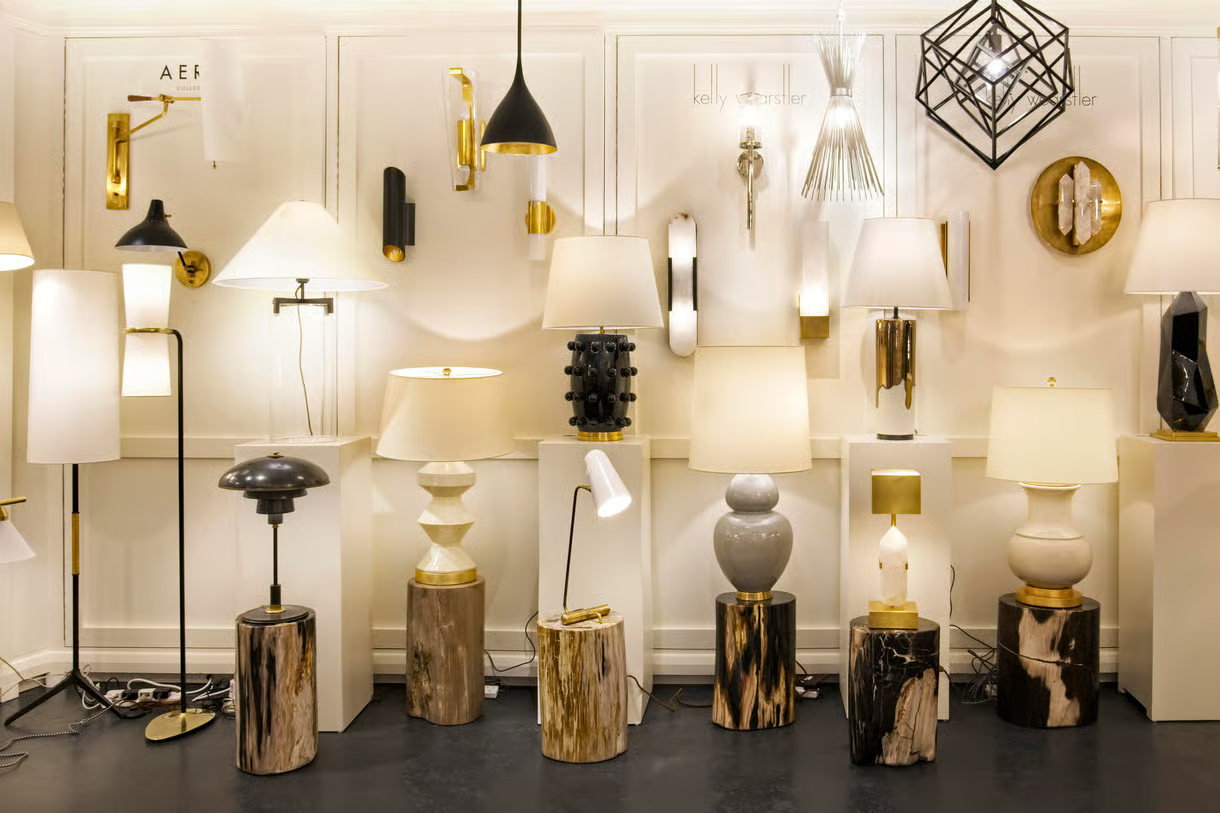
A mid century modern living room combines clean lines, practical furniture, natural materials, and a balanced use of colour to create an interior that feels both timeless and comfortable. The style became popular during the middle decades of the twentieth century, particularly from the 1940s through the 1960s. Although its roots are historical, its design principles continue to influence contemporary homes across the United States and the United Kingdom.
Mid century modern interior design is recognised for its simple forms, functional layouts, wooden furniture, tapered legs, geometric patterns, and connection with natural light. Rather than relying on excessive decoration, it focuses on the relationship between furniture, architecture, materials, and everyday living.
A mid century modern living room can look very different depending on the property and the homeowner’s preferences. Some interiors feature warm walnut furniture, leather seating, and muted earth tones, while others combine sculptural chairs, colourful artwork, and contemporary lighting. The style can work in spacious open-plan homes as well as smaller apartments, provided the furniture and decorative elements are chosen carefully.
Understanding the main characteristics of midcentury modern interiors makes it easier to create a cohesive living space without making the room feel overly themed or outdated.
What Defines Mid Century Modern Interior Design?


Mid century modern design developed during a period when architects and furniture designers placed greater emphasis on simplicity, functionality, and modern materials. Designers such as Charles and Ray Eames, Florence Knoll, and George Nelson helped shape the furniture and interior styles associated with this movement.
The approach moved away from heavy ornamentation and elaborate traditional furniture. Instead, it favoured streamlined shapes, practical storage, open layouts, and materials that highlighted the natural character of a product.
Several features commonly appear in a mid century modern room:
-
Clean, uncluttered lines and simple geometric forms.
-
Furniture with tapered legs and raised profiles.
-
Natural wood finishes, especially walnut, teak, and oak.
-
Functional pieces that combine comfort with visual simplicity.
-
Carefully selected colours, patterns, and decorative objects.
-
Large windows and an emphasis on natural light where the architecture allows.
These characteristics create a distinctive look without requiring every item in the room to be vintage. Contemporary furniture can fit comfortably into a midcentury-inspired interior when its proportions, materials, and shapes complement the overall design.
The most successful rooms use these elements consistently rather than treating the style as a collection of unrelated retro accessories.
Mid Century Modern Living Room Ideas for Furniture Selection


Furniture is one of the most important elements of a mid century modern living room. Its shape, height, material, and placement influence the appearance of the entire space.
Low-profile sofas
A low-profile sofa with clean lines can establish the main seating area. Popular choices include sofas with slim arms, simple cushions, wooden legs, and gently curved edges.
Upholstery in cream, grey, olive green, rust, or mustard can complement the natural wood tones associated with midcentury interiors. Leather seating can also work well, particularly in cognac or warm brown shades.
The sofa should fit the room’s dimensions. A large sectional may suit an open-plan living area, while a compact two- or three-seat sofa is often more practical in an apartment.
Sculptural lounge chairs
Accent chairs introduce visual interest without requiring elaborate decoration. The Eames Lounge Chair and Ottoman, the Egg Chair by Arne Jacobsen, and the Womb Chair designed by Eero Saarinen are well-known examples of twentieth-century modern furniture.
These designs demonstrate how curves, upholstery, and structural materials can create a strong visual identity. However, a midcentury-inspired room does not need expensive designer pieces. A well-proportioned lounge chair with a wooden or metal frame can achieve a similar effect.
Wooden sideboards and coffee tables
A walnut or teak sideboard provides practical storage while maintaining the clean appearance of the room. Raised legs, sliding doors, and simple handles are common features.
Coffee tables often have oval, circular, or rectangular tops with restrained bases. Choosing a table with an open structure can help a small living room feel less crowded.
Furniture should be selected as a coordinated group, but matching every piece is unnecessary. Combining different wood finishes and shapes can make the interior feel more natural and individual.
Colour Schemes for Midcentury Modern Living Rooms


Colour is central to mid century modern interior decorating. The style often combines neutral backgrounds with warmer natural tones and a few stronger accents.
Common colours include:
-
Neutrals: Cream, warm white, beige, taupe, and soft grey.
-
Earth tones: Terracotta, rust, caramel, chocolate brown, and ochre.
-
Nature-inspired shades: Olive green, forest green, muted blue, and sage.
-
Accent colours: Mustard yellow, burnt orange, teal, and occasional red.
A room does not need to use all these colours. A restrained palette of warm white, walnut, and olive green can create a calm atmosphere, while a combination of rust, mustard, and dark timber produces a richer appearance.
Walls are often kept relatively simple so that the furniture and artwork remain visually important. However, a carefully chosen accent wall can work well when it supports the overall colour scheme.
In smaller living rooms, lighter wall colours can help reflect daylight. Darker shades can be effective in larger rooms or in spaces where a more intimate atmosphere is desired.
The key is to repeat selected colours across different elements, such as cushions, artwork, rugs, and upholstery, so that the room feels connected.
Wood, Leather, and Natural Materials
Natural materials help create the warmth associated with midcentury modern interiors. Wood is particularly important because it provides texture and contrast against plain walls, glass, and metal.
Walnut is often chosen for its rich brown colour and distinctive grain. Teak offers warm golden-brown tones, while oak can create a lighter and more contemporary interpretation of the style.
Leather upholstery is another familiar feature, especially in brown, tan, and cognac shades. Fabric sofas in wool, cotton, or textured upholstery can provide a softer alternative.
Other materials may include:
-
Brushed metal in lamp bases and furniture frames.
-
Glass in coffee tables and pendant lights.
-
Wool or flatweave rugs.
-
Ceramic vases and sculptural accessories.
-
Linen curtains and natural-fibre cushions.
Mixing materials is more effective than using one finish throughout the room. For example, a walnut sideboard, a cream sofa, a metal floor lamp, and a textured rug create contrast while maintaining a consistent visual style.
When choosing wooden furniture, consider the grain, finish, and colour rather than insisting that every item uses the same wood species. Closely related tones can look harmonious without appearing identical.
Lighting in Mid Century Modern Interiors


Lighting serves both a practical and decorative purpose in a midcentury modern living room. Many fixtures from this design period feature geometric forms, exposed structures, globe shades, or curved metal arms.
A Sputnik-style chandelier can act as a focal point in a larger room. An arc floor lamp can provide light over a sofa without requiring a ceiling fixture directly above the seating area. Table lamps with ceramic, wooden, or metal bases add smaller points of light.
A layered lighting arrangement generally works better than relying on one bright overhead source. Ambient lighting illuminates the room, task lighting supports reading or other activities, and accent lighting draws attention to artwork or architectural features.
Warm-white bulbs often complement timber furniture and earth-tone colour schemes. However, the brightness and colour temperature should suit the activities taking place in the room.
Natural light is equally important. Where possible, avoid blocking windows with oversized furniture. Light curtains can soften daylight while maintaining a sense of openness.
Lighting fixtures should be selected for their proportions as well as their style. An oversized chandelier may overwhelm a compact living room, while a small table lamp may be insufficient for a large seating arrangement.
Rugs, Patterns, and Decorative Accessories


Accessories help personalise a midcentury living room without compromising its simple structure. Geometric rugs, abstract artwork, ceramic vases, sculptural clocks, and carefully selected books can introduce detail and colour.
Geometric patterns are particularly suitable for this style. Rugs may feature repeating lines, diamonds, circles, or abstract shapes. The pattern should complement the furniture rather than compete with several other bold designs.
Artwork can be used to introduce a stronger colour into an otherwise neutral room. Abstract prints, modernist illustrations, and graphic compositions work particularly well with the style’s clean lines.
Houseplants also fit naturally into mid century modern interiors. Plants with architectural foliage, such as a rubber plant or fiddle-leaf fig, can add height and organic shapes. Their suitability depends on the available light and the care requirements of each species.
Decorative objects should be chosen selectively. A few substantial pieces often look more effective than many small ornaments scattered across every surface.
For example, a wooden sideboard can display a ceramic vase, a framed print, and a small table lamp. Leaving some of the surface empty allows each object to stand out.
The aim is to create a lived-in space that reflects individual preferences while preserving the visual clarity associated with midcentury design.
Mid Century Modern Living Room Ideas for Small Spaces


Midcentury modern design can work particularly well in small apartments because its furniture often has slim profiles, raised legs, and relatively simple shapes.
In a compact living room, choose furniture according to the available floor area rather than selecting pieces solely for their appearance. A two-seat sofa, compact coffee table, and narrow sideboard may provide enough functionality without obstructing movement.
Raised furniture legs allow more of the floor to remain visible, which can help the room feel more open. Glass or lightly coloured coffee tables can also reduce visual weight.
Wall-mounted shelving is useful when floor space is limited. A low media unit with concealed storage can keep electronics and accessories organised without creating a bulky appearance.
Mirrors may help reflect daylight and make a room appear brighter, particularly when positioned opposite or near a window. However, they should be placed where they reflect something visually appealing rather than an area of clutter.
A small living room also benefits from a clear furniture arrangement. Leave enough space to move comfortably between the sofa, coffee table, doors, and other frequently used areas.
Open-Plan Midcentury Modern Living Rooms


Open-plan living rooms provide an opportunity to combine midcentury furniture with a flexible layout. In homes across the USA and UK, living, dining, and kitchen areas often share one larger space.
The main challenge is defining each area without making the room feel divided. A sofa can establish the boundary of the living area, while a rug helps visually connect the seating arrangement.
A wooden dining table and matching or complementary chairs can create continuity between the living and dining zones. However, the furniture does not need to be identical throughout the space.
Lighting can help distinguish different functions. A pendant light above the dining table provides focused illumination, while floor lamps and table lamps create a more relaxed atmosphere around the sofa.
Storage also plays an important role. A sideboard can separate areas subtly while providing space for dining accessories, books, or electronics.
Consistent materials and a shared colour palette help unify the room. Repeating walnut finishes, warm neutrals, and selected accent colours can create a cohesive interior even when each area has a different purpose.
Blending Vintage and Contemporary Furniture
A modern mid-century modern interior does not have to consist entirely of vintage furniture. Combining original pieces with contemporary items can create a practical space that feels relevant to present-day living.
Vintage furniture often provides distinctive details, including tapered legs, sculpted handles, and natural wood finishes. Contemporary sofas, storage units, and lighting can introduce improved functionality or suit the proportions of a modern property.
When combining different periods, consider scale, colour, material, and shape. A vintage teak sideboard may work well with a contemporary cream sofa because both have simple forms and complementary colours.
Avoid filling the room with too many statement pieces. If the sofa has a strong shape or the rug contains a bold pattern, other furnishings can be more restrained.
Authentic midcentury furniture may show signs of age, and its condition should be assessed before purchase. Check the stability of chair frames, the condition of veneer, the operation of drawers, and the quality of upholstery.
Reproductions can offer a similar appearance at different price points. The important factor is whether the furniture fits the room and supports the intended use.
Mid Century Modern Interior Decorating Mistakes to Avoid
A well-designed midcentury living room depends on balance. Several common mistakes can make the space feel cluttered or overly themed.
Using too many retro objects: Filling every surface with vintage clocks, ornaments, and accessories can make the room feel more like a display than a comfortable living space.
Choosing furniture that is too large: Oversized sofas and bulky cabinets can obscure the clean lines that define the style.
Mixing too many wood tones without a plan: Different finishes can work together, but extreme contrasts may appear disconnected if they are not balanced by other elements.
Ignoring comfort: Furniture should be comfortable for everyday use. A chair with an attractive shape is not necessarily suitable for extended sitting.
Overusing accent colours: Strong colours are effective when used selectively. Too many competing shades can make the interior feel visually busy.
Neglecting storage: A simple interior still needs practical places for books, electronics, toys, and everyday belongings.
Treating the style as a strict historical replica: Midcentury design principles can be adapted to modern homes. There is no need to reproduce a specific decade exactly.
Avoiding these mistakes helps preserve the balance between functionality, simplicity, and visual character.
Frequently Asked Questions
What colours work best in a mid century modern living room?
Warm neutrals, walnut brown, olive green, mustard yellow, rust, and muted blue are common choices. A balanced palette usually combines neutral backgrounds with a few stronger accents.
What furniture is essential for midcentury modern interiors?
A simple sofa, a coffee table with clean lines, a wooden sideboard, and suitable lighting provide a good foundation. Accent chairs, rugs, and artwork can be added according to the room’s size and requirements.
Can mid century modern design work in a small apartment?
Yes. Compact furniture, raised legs, simple shapes, and wall-mounted storage make this style suitable for smaller homes. Careful furniture placement helps preserve walking space and maintain an open appearance.
Is mid century modern design still popular?
Yes. Its emphasis on functional furniture, natural materials, and uncluttered interiors continues to influence contemporary residential design. Modern interpretations often combine midcentury shapes with current technology and contemporary furnishings.
How can I make a living room look midcentury modern on a budget?
Start with a simple furniture arrangement, introduce warm wood finishes, choose a suitable colour palette, and add a few carefully selected accessories. Existing furniture may also work if its shape and proportions complement the style.
What is the difference between midcentury modern and contemporary design?
Midcentury modern refers to a design movement associated primarily with the middle of the twentieth century. Contemporary design refers to styles current today and can incorporate elements from many different periods, including midcentury modernism.
Conclusion
A mid century modern living room combines functional furniture, natural materials, clean lines, and carefully selected colours to create a space that feels balanced and comfortable. Its defining characteristics include tapered furniture legs, wooden sideboards, sculptural seating, geometric patterns, and lighting that contributes to both function and appearance.
Whether the room is part of a spacious American home or a compact UK apartment, the style can be adapted to different layouts and budgets. The most effective approach is to select furniture that suits the available space, use a consistent colour palette, and combine vintage-inspired details with practical contemporary features.
Midcentury modern interiors do not need to follow rigid rules or contain expensive designer furniture. By focusing on proportion, comfort, material quality, and thoughtful decoration, homeowners can create a living room that reflects the movement’s original principles while meeting the needs of modern everyday life.