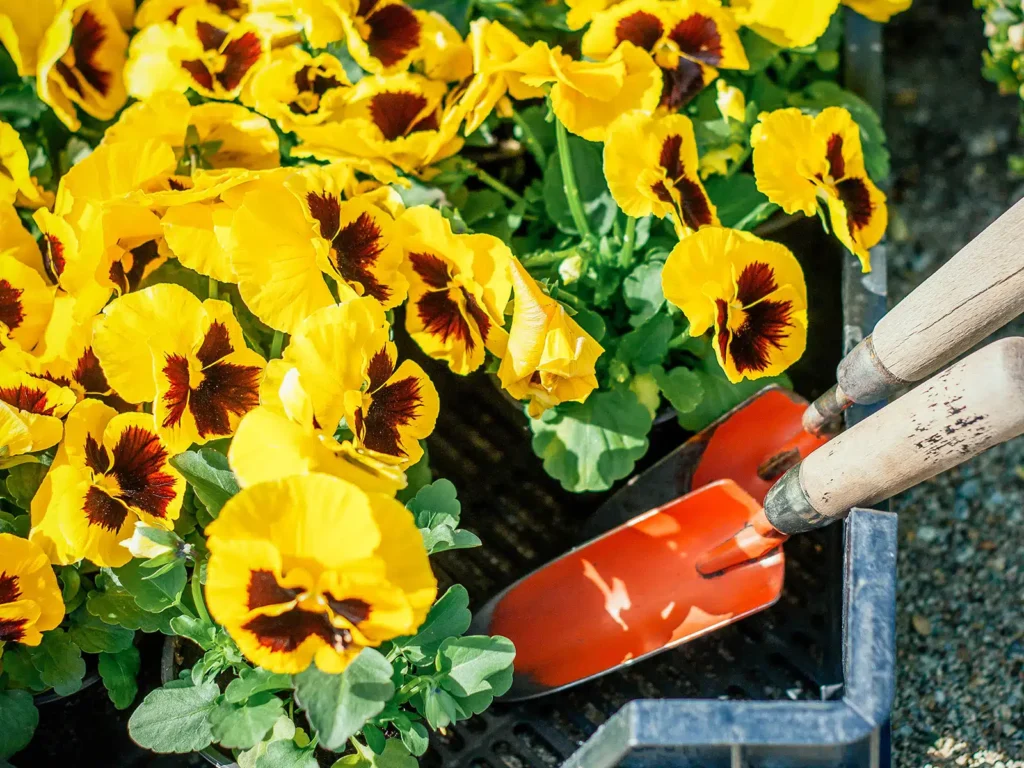
Asters are popular flowering plants known for their daisy-like blooms, attractive colors, and ability to bring seasonal interest to gardens. Their flowers commonly appear in shades of purple, blue, pink, and white, often with yellow or golden centers. Many varieties bloom in late summer and autumn, making them valuable additions to gardens when other flowers begin to fade.
One of the most common questions gardeners ask is, are asters annuals or perennials? The answer depends on the species. Many familiar garden asters are perennial plants that return year after year, while China asters are annuals that complete their life cycle in one growing season.
Understanding the difference between annual and perennial asters helps gardeners select suitable plants for their gardens in the USA and UK. It also helps with planning flowering periods, choosing appropriate planting locations, and deciding how much seasonal maintenance a plant may require.
Asters belong to the daisy family, Asteraceae. However, the common name covers several different groups of plants. Some North American species once classified under the genus Aster are now placed in genera such as Symphyotrichum and Eurybia. China aster, botanically known as Callistephus chinensis, belongs to a separate genus but is still widely recognized by its common name.
Are Asters Perennials or Annuals?
Asters can be either annuals or perennials, depending on their botanical type.
Perennial asters live for several years. Their roots or underground structures survive the dormant season, allowing new shoots to emerge when temperatures and growing conditions become favorable. Examples include New England aster (Symphyotrichum novae-angliae), New York aster (Symphyotrichum novi-belgii), and aromatic aster (Symphyotrichum oblongifolium).
Annual asters, such as China aster (Callistephus chinensis), complete their life cycle in one growing season. They germinate from seed, grow, flower, produce seeds, and then die. New plants generally need to be raised from seed or purchased as young plants for the next season.
The distinction matters because the two groups have different roles in garden planning. Perennial asters can form long-term flower borders, while annual asters are useful for seasonal displays and cutting gardens.
| Feature | Perennial asters | Annual asters |
|---|---|---|
| Life cycle | Live for several years | Complete their life cycle in one season |
| Examples | New England aster, aromatic aster, alpine aster | China aster |
| Flowering | Often late summer or autumn, depending on species | Usually summer to autumn, depending on sowing time |
| Winter behavior | Roots survive if conditions are suitable | Plants generally die after completing their life cycle |
| Replanting | Usually unnecessary each year | New plants are generally needed each season |
| Common uses | Permanent borders, native gardens, pollinator planting | Seasonal beds, containers, cutting gardens |
Not every aster follows exactly the same growth pattern, so checking the botanical name on the plant label is the most reliable way to identify its life cycle.
Popular Perennial Aster Types That Return Every Year
Several perennial aster species are widely grown in gardens across North America and Europe. They differ in mature height, flower color, flowering time, and tolerance of different growing conditions.
1. New England Aster (Symphyotrichum novae-angliae)

New England aster is a well-known perennial that produces abundant purple, violet, or pinkish-purple flowers. Its upright stems can reach approximately 3–6 feet tall, depending on the cultivar and growing conditions.
This plant generally flowers in late summer and autumn. Its colorful blooms provide nectar and pollen for bees, butterflies, and other pollinators when many summer-flowering plants are finishing their flowering season.
New England aster grows best in full sun with fertile, moisture-retentive, well-drained soil. Once established, it can return each year and form a substantial clump. It is particularly suitable for naturalistic gardens, wildlife borders, and large perennial beds.
2. New York Aster (Symphyotrichum novi-belgii)

New York aster is another perennial commonly grown for its late-season flowers. Depending on the cultivar, blooms can be purple, lavender, pink, blue, or white.
Some cultivars are relatively compact, while others grow taller and spread into larger clumps. This variety makes New York asters useful for both small garden borders and larger mixed plantings.
They generally prefer sunny locations and soil that retains moisture without remaining waterlogged. Adequate spacing and good airflow are important because some cultivars are susceptible to powdery mildew.
With suitable care, established plants can return every year and provide reliable seasonal color.
3. Aromatic Aster (Symphyotrichum oblongifolium)

Aromatic aster is a perennial native to parts of North America. It produces purple-blue flowers and usually has a lower, spreading growth habit than many taller aster species.
Its leaves have a noticeable fragrance when crushed. The plant is particularly useful for sunny borders, naturalistic landscapes, and gardens where a relatively compact perennial is preferred.
Aromatic aster often flowers in autumn. It generally tolerates drier conditions once established better than some moisture-loving asters, although appropriate watering helps maintain healthy growth.
Because it is perennial, the plant can return each growing season when its roots remain healthy and local winter conditions are suitable.
4. Alpine Aster (Aster alpinus)

Alpine aster is a low-growing perennial that produces relatively large daisy-like flowers in purple, blue, pink, or white shades.
Unlike many familiar autumn asters, alpine aster generally flowers in late spring or early summer. It can therefore extend the flowering season and complement later-blooming perennial varieties.
Plants typically reach around 6–12 inches tall and are useful in rock gardens, gravel beds, and the front of flower borders.
Alpine aster prefers full sun and well-drained soil. Its roots can suffer in persistently wet conditions, especially during winter. When planted in a suitable location, it can return for several years.
5. Italian Aster (Aster amellus)

Italian aster is a perennial known for its violet-blue or purple flowers and relatively manageable size. It commonly flowers during summer or early autumn, depending on the cultivar and climate.
Many varieties grow approximately 1–2 feet tall, making them suitable for mixed borders and smaller perennial gardens. Their flowers combine well with yellow-flowering plants, ornamental grasses, and other late-season perennials.
Italian asters generally prefer sunny conditions and well-drained soil. Avoiding prolonged waterlogging helps protect their roots and maintain healthy growth.
Because this plant is perennial, it can provide recurring seasonal flowers without requiring gardeners to sow new seeds every year.
Are China Asters Annuals or Perennials?

China aster (Callistephus chinensis) is an annual flowering plant, not a true perennial aster. It is widely grown for its colorful flowers, which may be single, semi-double, or densely layered.
Its flower colors include pink, purple, white, red, lavender, and blue. Some cultivars resemble chrysanthemums because of their numerous overlapping petals.
China asters are popular in cutting gardens, seasonal flower beds, and containers. They are usually grown from seed or purchased as young plants in spring, depending on the local climate.
The plant germinates, develops foliage, produces flowers, and forms seeds within one growing season. After completing this cycle, it dies rather than reliably returning from the same roots the following spring.
In the USA and UK, the flowering period depends on when seeds are sown, the weather, and the selected cultivar. Gardeners can produce new plants in subsequent years by collecting viable seeds or sowing fresh seed.
It is important not to assume that every plant sold under the common name aster is perennial. Checking whether the label says Callistephus chinensis or identifies a perennial species can prevent confusion.
When Does Aster Flowering Begin?
Aster flowering time varies by species, cultivar, climate, and planting conditions. Some types bloom in late spring, while many well-known perennial asters flower in late summer or autumn.

Late spring to early summer
Alpine aster often produces flowers earlier than the taller autumn-flowering species. It is suitable for rock gardens and the front of sunny borders.

Summer to early autumn
Italian aster and selected other species may flower during this period, depending on the cultivar and local conditions.

Late summer to autumn
New England aster and New York aster are valued for their late-season displays. They can maintain color as many summer flowers begin to fade.
Gardeners can combine early-, mid-, and late-flowering asters to extend the overall flowering period. However, a plant’s exact bloom time should be checked against its cultivar description and local climate.
In cooler regions, flowering may begin later than it does in warmer locations. Heat, sunlight, moisture, and the length of the growing season can also affect the timing and abundance of flowers.
Do Perennial Asters Survive Winter?
Most perennial asters can survive winter when their species is suited to the local climate. Their above-ground stems may die back after cold weather, but healthy roots or crowns remain alive and produce new growth when conditions improve.
In many parts of the USA, hardy native asters can remain outdoors through winter without being lifted. Their cold tolerance varies by species and cultivar, so gardeners should check the recommended hardiness zone before planting.
In the UK, many perennial asters can also remain in the ground throughout winter. However, heavy, waterlogged soil can damage roots during cold, wet periods. Good drainage is therefore important, particularly for species that prefer drier conditions.
Several practices can help perennial asters survive winter:
-
Plant varieties suited to the local climate and winter temperatures.
-
Use well-drained soil to reduce the risk of root damage.
-
Avoid excessive watering when plants are dormant and the soil is already wet.
-
Leave healthy roots undisturbed unless division or relocation is necessary.
-
Remove diseased stems and foliage to reduce the carryover of some plant diseases.
A light layer of mulch can help moderate soil temperature in colder regions, but it should not trap excessive moisture around the crown. Not every aster requires the same winter protection.
Annual China asters do not normally survive as living plants through winter. Their life cycle ends after flowering and seed production, so new plants must be raised for the next season.
How to Care for Asters for Healthy Growth and Flowering
Asters are generally manageable plants, but their care requirements depend on the species. Providing appropriate light, moisture, soil conditions, and spacing helps support healthy foliage and abundant flowers.
Sunlight Requirements
Many garden asters grow best in full sun, usually with around six or more hours of direct sunlight daily. Adequate light supports strong stems and flowering.
Some species, such as wood aster (Eurybia divaricata), tolerate partial shade and can be suitable for woodland-style gardens. Checking the needs of the selected species is more reliable than assuming all asters require identical conditions.
Soil and Watering
Most asters prefer soil that drains adequately while providing enough moisture for healthy growth. Some species, including New England aster, benefit from consistently moist soil, while aromatic aster can tolerate relatively dry conditions once established.
Water newly planted asters regularly while their roots establish. Established plants may need additional water during prolonged dry weather, particularly in containers or sandy soil.
Avoid keeping roots continuously waterlogged. Poor drainage can cause root problems even when the plant’s above-ground growth initially appears healthy.
Pruning and Plant Maintenance
Removing faded flowers can improve a plant’s appearance and, in some cases, encourage additional flowering. However, deadheading does not guarantee a second flush of blooms.
Tall perennial asters may benefit from being cut back or pinched earlier in the growing season to encourage branching and reduce excessive height. Timing is important because late pruning may delay flowering.
At the end of the season, diseased foliage should be removed. Healthy stems can be left temporarily if they provide winter interest or shelter for wildlife, then cleared before new growth begins.
Dividing Perennial Asters
Established perennial asters can often be divided to maintain vigor or produce additional plants. Division is generally carried out in spring or early autumn, depending on the species and local climate.
The plant is carefully lifted and separated into sections, ensuring each division has healthy roots and growing points. Replant the divisions promptly and water them while they establish.
Annual China asters are usually propagated from seed rather than divided.
Common Problems That Affect Aster Flowering
Although many asters are hardy, several problems can affect their appearance and flowering performance.
Powdery mildew: This fungal disease can create a white coating on leaves. Some cultivars are more susceptible than others. Adequate spacing, good airflow, and avoiding unnecessary wetting of foliage can help reduce risk.
Poor flowering: Insufficient sunlight, unsuitable soil moisture, excessive nitrogen fertilizer, or an unsuitable growing season can affect flower production. Check the species’ requirements before changing care practices.
Weak or floppy stems: Taller varieties may become unstable in rich soil, shade, or exposed locations. Suitable sunlight, appropriate spacing, and timely support can help maintain an upright habit.
Root problems: Persistently wet soil can damage roots, especially in species that prefer good drainage. Improving drainage and choosing a suitable planting site are important preventive measures.
Failure to return: A perennial aster may fail to reappear after winter because of unsuitable temperatures, waterlogged soil, disease, or other root damage. Before assuming that a plant is annual, check its botanical identity and growing requirements.
These issues do not mean asters are difficult plants. Matching the variety to the site and maintaining appropriate growing conditions can prevent many common problems.
Frequently Asked Questions About Asters
Are asters perennials?
Many asters are perennials and return each year from their established roots. Examples include New England aster, New York aster, aromatic aster, and alpine aster. However, China aster is an annual.
Is an aster a perennial or annual flower?
An aster can be either, depending on the species. The common name covers several plant groups, so checking the botanical name is the best way to determine its life cycle.
Do asters come back every year?
Perennial asters generally return every year if their roots survive winter and the growing conditions are suitable. Annual China asters complete their life cycle in one season and normally need to be grown again from seed.
How long do perennial asters live?
Many perennial asters can grow for several years in suitable conditions. Their longevity depends on the species, climate, soil drainage, and general plant health. Established clumps may benefit from occasional division.
When do asters bloom?
Flowering time varies by type. Alpine asters often bloom in late spring or early summer, while New England and New York asters commonly flower in late summer and autumn. China asters can flower in summer or autumn depending on sowing time and climate.
Should asters be cut back in winter?
Dead or diseased stems can be removed after flowering or during spring cleanup. Some gardeners leave healthy stems through winter for visual interest and wildlife benefits. The best timing depends on the species and local growing conditions.
Can asters grow in pots?
Yes. Compact asters and selected cultivars can grow in containers with adequate drainage, suitable potting mix, and sufficient sunlight. Containers dry out more quickly than garden soil, so watering needs should be monitored during warm weather.
Conclusion
So, are asters annuals or perennials? Both types exist, but many of the asters commonly grown in perennial gardens are perennials that return year after year. New England aster, New York aster, aromatic aster, alpine aster, and Italian aster are examples of perennial varieties. China aster, by contrast, is an annual that completes its life cycle in one growing season.
Understanding the difference helps gardeners choose suitable plants for their landscapes in the USA and UK. Perennial asters are useful for long-term borders and late-season pollinator gardens, while annual asters provide flexible seasonal color for flower beds and cutting gardens.
For healthy aster flowering, consider the plant’s sunlight requirements, preferred soil moisture, mature size, and winter hardiness. Selecting the right species for the location helps establish healthy plants and maintain attractive flowers across the growing season.