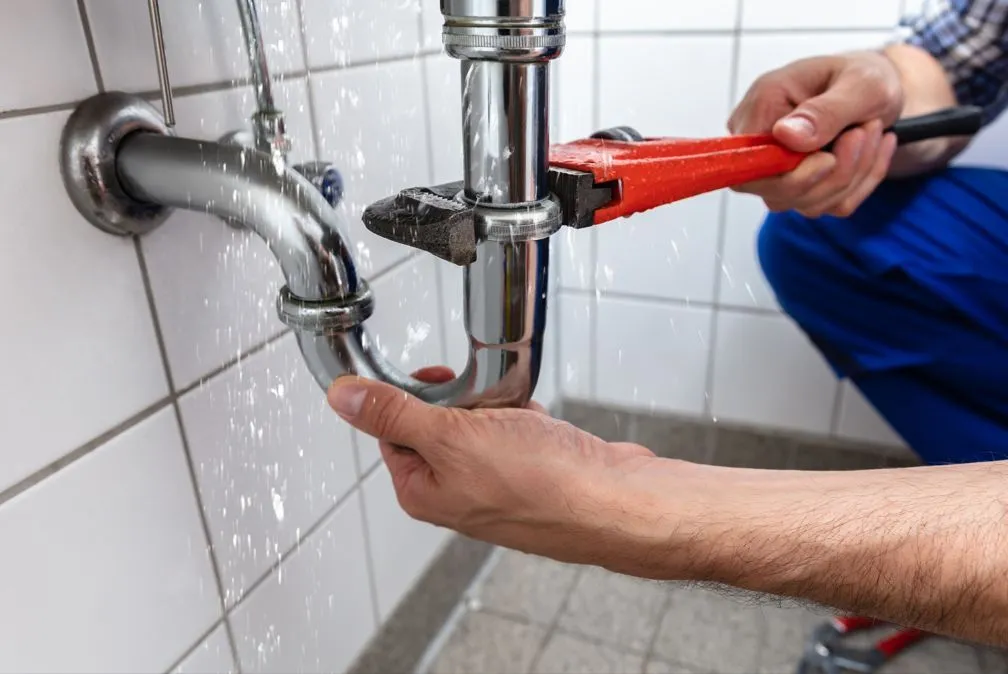
Few home maintenance issues cause as much disruption as a failing sewer line. Unlike a leaky faucet or a malfunctioning appliance, sewer line problems often develop underground, out of sight, until symptoms become impossible to ignore. Slow drains, unpleasant odors, or unexplained wet patches in the yard can all signal that a sewer line repair may soon be necessary. Understanding how these systems work, what causes them to fail, and what repair options exist can help homeowners throughout the United States and United Kingdom respond effectively before minor issues become major, costly emergencies.
This article examines the common causes of sewer line failure, the range of repair and replacement methods available today, and practical guidance for recognizing warning signs early.
Understanding the Sewer Line System
A sewer line is the underground pipe responsible for carrying wastewater from a home’s internal plumbing system to the municipal sewer main or, in some rural properties, to a private septic system. This pipe typically runs from the house, beneath the yard or driveway, connecting to the larger municipal network buried beneath the street. Because of its underground placement, the sewer line remains largely invisible during normal daily use, which is precisely why problems often go unnoticed until they become significant.
These pipes are constructed from various materials depending on the age of the property and regional building practices. Older homes, particularly those built several decades ago, frequently have sewer lines made from cast iron, clay, or Orangeburg pipe, a now-outdated material made from compressed wood fiber and pitch. Newer installations typically use more durable materials such as PVC or ABS plastic piping, which offer improved resistance to common failure causes compared to their older counterparts.
Common Causes of Sewer Line Damage
Tree Root Intrusion
Among the most frequent culprits behind sewer pipe repair needs, tree roots are naturally drawn toward the moisture and nutrients present within sewer lines. Over time, roots can infiltrate even small cracks or joints in aging pipes, gradually expanding and causing blockages, cracks, or complete pipe collapse. This issue is particularly common on properties with mature trees planted near the sewer line’s path.
Pipe Corrosion and Age
Older pipe materials, especially cast iron and clay, are prone to gradual deterioration over decades of use. Corrosion, cracking, and general material breakdown can compromise the structural integrity of the line, eventually necessitating full sewer replacement rather than simple spot repairs.
Ground Shifting and Soil Movement
Natural soil movement, whether from seasonal freeze-thaw cycles, nearby construction, or shifting ground conditions, can place stress on underground pipes, leading to misalignment, cracking, or joint separation over time. Properties in regions with expansive clay soils or significant seasonal temperature fluctuations face a somewhat elevated risk from this cause.
Blockages from Debris and Grease
While not always structural in nature, blockages caused by accumulated grease, foreign objects, or excessive buildup of waste material can create significant backups within the line. Left unaddressed, chronic blockages can contribute to increased pressure within the pipe, potentially worsening existing weak points or cracks.
Bellied Pipes
A “bellied” pipe occurs when a section of the sewer line sinks due to inadequate support or soil erosion beneath it, creating a low point where wastewater and debris collect rather than flowing freely toward the municipal connection. This condition often leads to recurring blockages at the same location, signaling a structural issue rather than a simple clog requiring occasional clearing.
Recognizing the Warning Signs
Identifying problems early can often mean the difference between a straightforward, less costly repair and an emergency, extensive excavation project. Several signs commonly indicate that a residential sewer line repair may be necessary.
Multiple slow-draining fixtures throughout the home, rather than an isolated issue with a single sink or toilet, often point toward a problem within the main sewer line rather than an individual fixture’s plumbing. Unpleasant sewage odors, particularly noticeable in the yard, basement, or near floor drains, can indicate a leak or crack allowing wastewater to escape before reaching the municipal system.
Unusually lush, green patches of grass in an otherwise consistent lawn can also be a telltale sign, as leaking wastewater effectively fertilizes the surrounding soil. Similarly, unexplained soggy or sunken areas in the yard, particularly along the presumed path of the sewer line, may indicate a significant leak or pipe collapse beneath the surface.
Gurgling sounds coming from drains or toilets, particularly when other fixtures are in use elsewhere in the home, can also suggest air trapped within a partially blocked or damaged line, another indicator that fixing sewer line issues may soon become necessary.
Diagnostic Methods Used by Professionals
Before determining the appropriate repair approach, professional plumbers typically conduct a thorough diagnostic process to accurately identify the location and nature of the problem. Video pipe inspection, using a specialized camera fed through the line, has become the standard method for visually assessing internal pipe conditions, identifying cracks, blockages, root intrusion, or other structural issues without the need for exploratory excavation.
In some cases, additional diagnostic tools such as locating equipment, which uses transmitted signals to map the exact underground path and depth of the pipe, help ensure that any necessary excavation work is precisely targeted, minimizing unnecessary disruption to the surrounding landscape.
Sewer Line Repair Options
Traditional Excavation Repair
For localized damage, traditional repair involves digging down to expose the affected section of pipe, removing the damaged portion, and replacing it with new piping material. While effective, this method can be more disruptive, particularly if the damaged section lies beneath a driveway, patio, or established landscaping, since restoring the surface afterward adds both time and cost to the overall project.
Trenchless Sewer Line Repair
Trenchless technology has become an increasingly popular alternative for both sewer pipe repair and full sewer replacement, particularly for properties where minimizing surface disruption is a priority. Two primary trenchless methods are commonly used.
Pipe lining, also known as cured-in-place piping, involves inserting a resin-coated liner into the existing damaged pipe, which is then cured to form a new, smooth interior surface within the old pipe structure. This method is particularly effective for pipes with cracks or minor structural damage, provided the existing pipe retains enough shape integrity to support the new lining.
Pipe bursting, by contrast, involves pulling a new pipe through the path of the old one while simultaneously breaking apart and displacing the deteriorated original pipe into the surrounding soil. This method is often preferred when the existing pipe has collapsed sections or significant structural failure that pipe lining alone could not adequately address.
Full Sewer Line Replacement
In cases of extensive damage, particularly involving older, deteriorated pipe materials throughout the majority of the line’s length, complete sewer line replacement may be the most practical long-term solution rather than pursuing repeated, isolated repairs. While representing a larger upfront investment, full replacement using modern, durable piping materials generally offers extended reliability and reduced likelihood of recurring issues compared to patching an aging system incrementally over time.
Cost Considerations
The cost of sewer repair or replacement varies considerably depending on several factors, including the length of pipe requiring attention, the chosen repair method, regional labor costs, and the accessibility of the affected section. Trenchless methods, while often carrying a higher per-foot cost compared to traditional excavation, can sometimes offset this difference through reduced landscaping restoration expenses and shorter overall project timelines.
Obtaining multiple assessments from licensed, experienced plumbing professionals allows homeowners to compare recommended approaches and associated costs before committing to a specific repair strategy, helping ensure the chosen solution appropriately matches the actual severity and nature of the underlying issue.
Preventive Maintenance to Reduce Future Issues
While not all sewer line problems can be entirely prevented, particularly those related to natural pipe aging, certain practices can help reduce the likelihood of premature failure. Being mindful of what enters the plumbing system, avoiding the disposal of grease, wipes, or other non-biodegradable materials down drains or toilets, helps reduce blockage-related stress on the line.
For properties with known root intrusion risk from nearby mature trees, periodic professional inspection and preventive root treatment can help catch developing issues before they progress to significant blockages or structural damage. Scheduling routine video inspections every few years, particularly for older homes with aging pipe materials, allows for early identification of developing problems while they remain manageable through less invasive repair methods.
Working with Qualified Professionals
Given the complexity and potential disruption involved in sewer line work, engaging licensed, experienced plumbing contractors remains essential for ensuring repairs are conducted safely, in compliance with local building codes, and using materials and methods appropriate to the specific situation. Many established home service companies that handle plumbing work, alongside related services such as heating and air systems, often bring broader expertise in diagnosing how various home systems interact, which can be valuable when sewer issues intersect with other aspects of a property’s infrastructure.
Environmental and Property Considerations
Beyond the immediate plumbing concerns, sewer line failures can carry broader implications for both the surrounding environment and long-term property value. Undetected leaks allow untreated wastewater to seep into surrounding soil, potentially affecting groundwater quality and creating unpleasant conditions in the yard that extend beyond simple aesthetic concerns. Addressing these issues promptly not only resolves the immediate plumbing problem but also helps protect the broader property from associated soil contamination or structural settling caused by prolonged water infiltration.
For homeowners preparing to sell a property, an unresolved or previously undisclosed sewer line issue can also complicate the transaction process, as buyers and inspectors increasingly request sewer line video inspections as part of standard due diligence. Addressing known issues proactively, rather than waiting for them to surface during a sale, generally results in a smoother process and helps preserve the property’s market value.
Repair Versus Replacement: Making the Right Call
Deciding between a targeted sewer repair and a more comprehensive sewer replacement often depends on the overall condition of the pipe beyond the immediately identified problem area. A single, isolated crack in an otherwise structurally sound pipe may be reasonably addressed through localized repair or trenchless lining. However, if diagnostic inspection reveals widespread deterioration, multiple problem areas, or an aging pipe material known for consistent, ongoing failure patterns, investing in full replacement often proves more cost-effective over the long term than repeatedly funding isolated repairs on a system nearing the end of its overall service life.
Consulting with a qualified plumbing professional who can provide a clear, honest assessment of the pipe’s overall condition, rather than focusing solely on the immediate symptom, helps homeowners make a more informed, financially sound decision regarding their specific situation.
Final Thoughts
Sewer line problems, while often hidden from immediate view, carry significant implications for a home’s overall functionality and value if left unaddressed. Recognizing early warning signs, understanding the range of available repair methods from traditional excavation to modern trenchless techniques, and engaging qualified professionals for accurate diagnosis all contribute to more effective, less disruptive outcomes when sewer line repair becomes necessary.
For homeowners throughout the United States and United Kingdom, staying attentive to the subtle signs of developing sewer issues, and addressing them promptly with appropriate professional guidance, remains the most reliable approach to protecting both the property and the substantial investment that a home’s underground plumbing infrastructure represents.