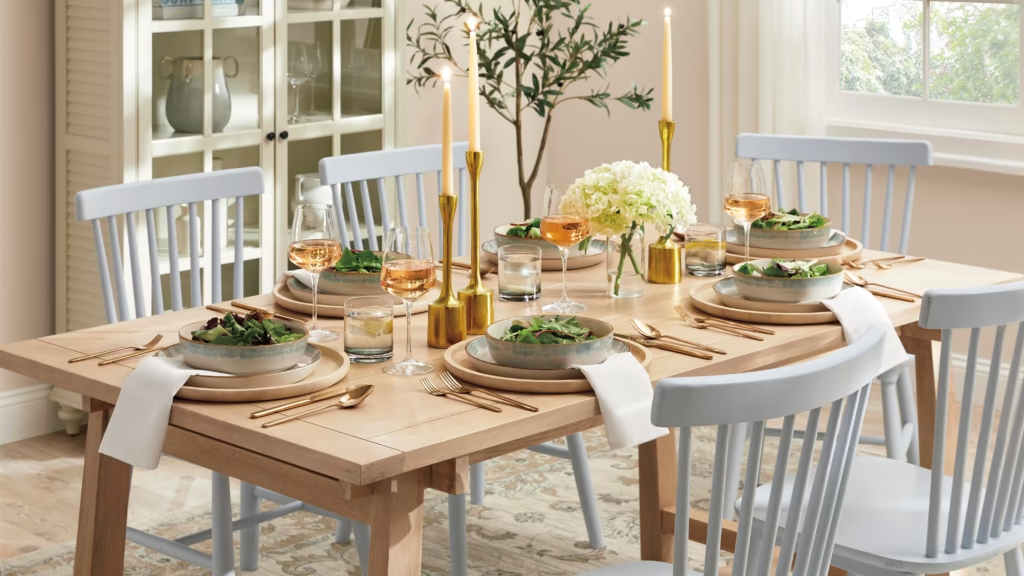
Italian kitchens are widely recognised for their balance of functionality, craftsmanship, elegant materials, and thoughtful interior design. They combine practical cooking spaces with attractive architectural details, creating environments that support everyday activities while maintaining a distinctive visual identity. From traditional Tuscan kitchens with rustic wooden furniture to contemporary Italian kitchens featuring handleless cabinets, marble surfaces, and minimalist layouts, this design style offers considerable variety.
In the USA and UK, Italian kitchen design has influenced residential interiors through its use of natural stone, sophisticated cabinetry, warm colour palettes, and carefully selected lighting. Some kitchens reflect the traditional character of Italian countryside homes, while others take inspiration from modern apartments in Milan and other major Italian cities.
An Italian-style kitchen is not defined by one particular colour, material, or layout. Instead, it reflects a broader approach to interior design in which appearance, usability, and material quality work together. Open shelving, natural wood, stone countertops, integrated appliances, and well-planned storage are common features across different interpretations.
Whether the preference is for a contemporary urban kitchen or a traditional Mediterranean-inspired interior, Italian kitchen designs offer several architectural and decorative elements worth exploring.
1. Modern Italian Kitchen Design
Modern Italian kitchen design focuses on clean lines, carefully selected materials, and an uncluttered appearance. Cabinet doors often feature flat surfaces, integrated handles, or push-to-open mechanisms that create a continuous visual arrangement.
Neutral colours such as white, beige, charcoal, taupe, and soft grey are frequently used. These shades provide a balanced background for natural stone, metal fittings, and wooden accents.
Large kitchen islands are another common feature. They provide additional preparation space, storage, and seating while creating a connection between cooking and dining areas.
Integrated appliances from manufacturers such as Smeg, Bertazzoni, and other European kitchen brands can contribute to a coordinated appearance. The emphasis is generally on combining practical equipment with a consistent architectural layout.
2. Traditional Italian Kitchen Interiors
Traditional Italian kitchens often reflect the architectural character of rural homes and historic properties. Their interiors use natural materials, textured finishes, handcrafted furniture, and warm colours.
Solid wood cabinetry, terracotta flooring, exposed ceiling beams, stone countertops, and ceramic accessories are characteristic elements. These features create a comfortable environment that feels connected to traditional Italian domestic architecture.
Tuscan interiors are particularly associated with warm earthy colours, including ochre, olive green, terracotta, cream, and brown. Natural stone walls and aged wooden furniture can add further character.
Unlike highly minimalist kitchens, traditional Italian interiors may display cookware, ceramic plates, glass jars, and decorative objects on open shelves.
The overall appearance is generally relaxed rather than perfectly uniform, with natural textures contributing to the room’s identity.
3. Italian Kitchens with Marble Countertops
Marble is an important material in many high-end Italian kitchen interiors. Its natural veining and distinctive surface patterns create visual interest without requiring elaborate decorative details.
Popular choices include Carrara marble, Calacatta marble, and other varieties of Italian natural stone. Carrara marble commonly features a white or pale grey background with softer grey veining, while Calacatta varieties often have more pronounced patterns.
Marble can be used for countertops, kitchen islands, splashbacks, and decorative wall panels.
A marble island paired with simple cabinetry creates a strong focal point. In contemporary interiors, the stone is often combined with dark wood, brushed brass, or matte black fittings.
Although marble has a distinctive appearance, it is porous and can be affected by acidic substances. Appropriate sealing and maintenance are important, particularly around food preparation areas.
4. Minimalist Italian Kitchen Designs
Minimalist Italian kitchens focus on simplicity, proportion, and material consistency. Unnecessary decoration is reduced, allowing cabinetry, surfaces, and architectural features to define the space.
Handleless cabinets are frequently used to create smooth horizontal and vertical lines. Built-in ovens, refrigerators, dishwashers, and storage units help maintain a coordinated appearance.
A limited colour palette is another characteristic. White, warm grey, beige, and natural wood tones can make the kitchen feel calm and organised.
Minimalism does not necessarily mean that a kitchen must look cold or empty. Textured stone, timber flooring, warm lighting, and carefully selected accessories can introduce comfort without disturbing the overall simplicity.
This approach is particularly suitable for modern apartments and open-plan homes.
5. Italian Kitchens with Wooden Cabinetry
Wood is widely used in Italian kitchen design because of its natural appearance and ability to complement different materials.
Walnut, oak, ash, and other timber finishes can be incorporated into cabinet doors, kitchen islands, shelving, and dining furniture.
Walnut cabinetry creates a rich and sophisticated appearance, while light oak introduces a softer Scandinavian influence. Darker timber finishes can also provide contrast against lighter countertops and walls.
Modern Italian kitchens frequently combine wooden cabinetry with stone, glass, and metal. For example, walnut cabinets paired with a light marble island create a balanced combination of warm and cool materials.
The grain pattern and finish of the wood are important design considerations. Natural veneer can provide an authentic timber appearance, while engineered surfaces offer additional options for consistency and maintenance.
6. Italian Kitchen Islands as a Central Feature
Kitchen islands are common in contemporary Italian-inspired homes, particularly where the kitchen connects directly with a dining or living area.
An island can provide additional preparation space, concealed storage, seating, and an area for casual dining. Some designs incorporate induction cooktops or integrated sinks.
The island’s material often differs from the surrounding cabinets to create visual contrast. Natural stone, porcelain slabs, and solid wood are frequently used.
Waterfall countertops, where the surface material continues down the sides of the island, are another contemporary design feature.
In smaller kitchens, a compact island or peninsula can provide similar functionality without restricting circulation space.
7. Tuscan Italian Kitchen Design
Tuscan kitchen design takes inspiration from the countryside of Tuscany in central Italy. It is recognised for its earthy colour palette, natural textures, and traditional construction materials.
Terracotta tiles, stone walls, wooden ceiling beams, and aged cabinetry are frequently associated with this style.
The colour scheme often includes warm beige, burnt orange, olive green, muted yellow, and deep brown. These colours reflect the natural landscape and traditional buildings of the region.
Open shelving, ceramic cookware, copper accessories, and rustic dining tables can further strengthen the traditional character.
Tuscan kitchens are generally designed to feel welcoming and practical rather than highly formal. Their appearance is particularly suitable for country houses, larger family homes, and Mediterranean-inspired renovations.
8. Contemporary Italian Kitchen with Dark Cabinets
Dark cabinetry offers a sophisticated alternative to conventional white kitchen interiors. Charcoal, graphite, deep brown, and matte black are frequently used in contemporary Italian-inspired kitchens.
These colours can create a strong architectural appearance, especially when paired with lighter countertops and natural stone flooring.
Brushed brass or bronze hardware introduces a subtle metallic detail, while warm under-cabinet lighting prevents dark surfaces from making the room feel visually heavy.
Dark kitchen cabinets are particularly effective in larger spaces with sufficient natural light. In smaller rooms, combining dark lower cabinets with lighter upper cabinets can create a more balanced appearance.
9. Open-Plan Italian Kitchen and Dining Spaces
Open-plan layouts are widely used in contemporary residential architecture, and Italian kitchen design works particularly well in these spaces.
Rather than separating the cooking area from the dining room with solid walls, the layout creates a continuous living environment.
A kitchen island can act as a natural boundary between the two areas. Dining tables, pendant lighting, and flooring materials can also help define individual zones without interrupting the overall layout.
Material coordination is important. For example, matching timber tones between kitchen cabinetry and dining furniture creates visual consistency.
In larger homes, sliding glass doors can connect the kitchen with an outdoor dining terrace or garden, reflecting the relationship between indoor and outdoor living found in many Mediterranean properties.
10. Italian Kitchen Designs with Natural Stone
Natural stone is another important element in Italian interiors. Besides marble, materials such as travertine, limestone, granite, and slate can be incorporated into kitchen surfaces.
Travertine is recognised for its warm beige tones and natural texture. It is frequently associated with Mediterranean architecture and can be used for flooring, wall finishes, and decorative surfaces.
Granite offers a different appearance, with varied mineral patterns and a durable surface. Limestone provides a softer visual character but may require careful sealing and maintenance.
Stone can also be used selectively rather than throughout the entire kitchen. A stone splashback, island countertop, or feature wall can introduce natural texture without overwhelming the room.
11. Small Italian Kitchen Ideas
Italian kitchen design is not limited to large luxury homes. Compact apartments in cities such as Milan, Rome, and Florence demonstrate how carefully planned kitchens can work within restricted spaces.
Small Italian-style kitchens often use integrated appliances, tall storage cabinets, compact worktops, and simple colour schemes.
Vertical storage is particularly useful because it makes better use of available wall space. Pull-out drawers, corner storage systems, and concealed pantry units can also improve functionality.
Light colours and reflective surfaces help maintain an open appearance. A small marble-effect splashback, pale wood cabinets, and integrated lighting can create a refined interior without requiring a large footprint.
A compact peninsula may also replace a full kitchen island where floor space is limited.
12. Italian Farmhouse Kitchen Interiors
Italian farmhouse kitchens combine traditional materials with practical family-oriented layouts. They are inspired by rural homes where cooking, dining, and social activities often take place within connected spaces.
Farmhouse sinks, wooden cabinetry, natural stone countertops, open shelves, and large dining tables are common features.
The colour palette generally includes cream, warm white, muted green, natural brown, and terracotta.
Unlike highly polished contemporary kitchens, farmhouse interiors often feature visible wood grain, textured plaster, and handcrafted accessories.
Modern interpretations may introduce integrated appliances and more efficient storage while retaining the traditional visual character.
13. Italian Kitchens with Brass and Bronze Details
Metallic finishes can introduce subtle detail into both modern and traditional Italian kitchens.
Brushed brass, antique bronze, and copper are commonly used for cabinet handles, taps, pendant lights, and decorative fittings.
These finishes work particularly well with dark wood, marble, cream cabinetry, and natural stone.
Brushed brass offers a relatively soft metallic appearance, while polished brass creates a more noticeable decorative effect.
The most effective approach is to maintain consistency across the kitchen. Using the same or complementary finishes for taps, cabinet hardware, and lighting creates a coordinated interior.
14. Italian Kitchen Lighting and Architectural Details
Lighting plays an important role in the appearance and usability of Italian kitchens.
A combination of general lighting, task lighting, and decorative lighting helps create a comfortable environment for cooking and dining.
Recessed ceiling lights provide general illumination, while LED strips beneath wall cabinets improve visibility across countertops. Pendant lights are frequently installed above kitchen islands and dining tables.
Architectural details also contribute to the final appearance. Fluted cabinet panels, recessed shelving, textured plaster walls, and carefully designed ceiling finishes can introduce depth without excessive decoration.
Natural light is another important consideration. Large windows and glazed doors help connect the kitchen with surrounding outdoor spaces.
15. Italian Kitchen Colours and Material Combinations
Colour selection influences how an Italian kitchen feels and how its materials work together.
Traditional interiors generally use earthy colours, while contemporary kitchens may feature more restrained neutral combinations.
Some popular combinations include:
| Colour combination | Design character |
|---|---|
| White and natural oak | Bright and understated |
| Walnut and beige | Warm and sophisticated |
| Charcoal and marble | Contemporary and dramatic |
| Olive green and cream | Mediterranean-inspired |
| Terracotta and natural wood | Rustic and traditional |
| Black and brushed brass | Modern and refined |
| Soft grey and white stone | Minimalist and balanced |
The choice should reflect the amount of natural light, room dimensions, flooring, and adjoining interior finishes.
What Makes Italian Kitchens Different?
Italian kitchens are often recognised for their attention to materials, craftsmanship, proportion, and practical layouts. However, the characteristics vary between traditional regional homes and contemporary Italian architecture.
Several elements frequently distinguish this design approach:
-
Material selection: Natural stone, timber, ceramics, glass, and metal are used to create different textures.
-
Cabinet craftsmanship: Cabinet proportions, surface finishes, and hardware are carefully coordinated.
-
Functional layouts: Preparation areas, storage, appliances, and dining spaces are arranged according to household needs.
-
Visual balance: Contrasting colours and materials are combined without creating unnecessary decoration.
-
Architectural integration: Kitchens are often designed to connect with dining rooms, living areas, terraces, and gardens.
Italian kitchen manufacturers such as Boffi, Valcucine, Scavolini, and Arclinea have contributed to the development of contemporary kitchen aesthetics through different approaches to materials, cabinetry, and spatial planning.
Kitchens in Italy: Regional Design Influences
Kitchens in Italy are not visually identical. Their design often reflects regional architecture, climate, local materials, and historical influences.
Tuscany: Rural Tuscan kitchens are associated with terracotta floors, stone walls, wooden beams, and warm earthy colours.
Milan: Contemporary Milanese interiors often feature minimalist cabinetry, integrated appliances, sophisticated lighting, and modern materials.
Southern Italy: Kitchens in regions such as Puglia and Sicily may incorporate Mediterranean colours, natural stone, ceramic tiles, and connections to outdoor spaces.
Veneto: Traditional homes in the Veneto region may feature timber furniture, classic architectural detailing, and combinations of natural stone and plaster finishes.
These regional differences demonstrate that Italian kitchen design is a broad architectural and cultural category rather than a single decorative style.
Conclusion
Italian kitchens bring together functionality, natural materials, craftsmanship, and distinctive interior aesthetics. Their design can range from rustic Tuscan farmhouse interiors to minimalist contemporary kitchens inspired by urban Italian architecture.
Wooden cabinetry, marble countertops, natural stone, integrated appliances, kitchen islands, and carefully selected lighting are among the elements commonly associated with this style. However, the most important consideration is how these features work together within the available space.
For homeowners in the USA and UK, Italian kitchen designs offer a variety of possibilities for different property types and interior preferences. A traditional kitchen can incorporate warm timber and terracotta, while a modern interpretation may use handleless cabinets, large stone surfaces, and integrated appliances.
Ultimately, a well-designed Italian-style kitchen combines visual character with practical everyday use. Its materials, layout, lighting, and storage should create a balanced interior that remains comfortable and functional over time.