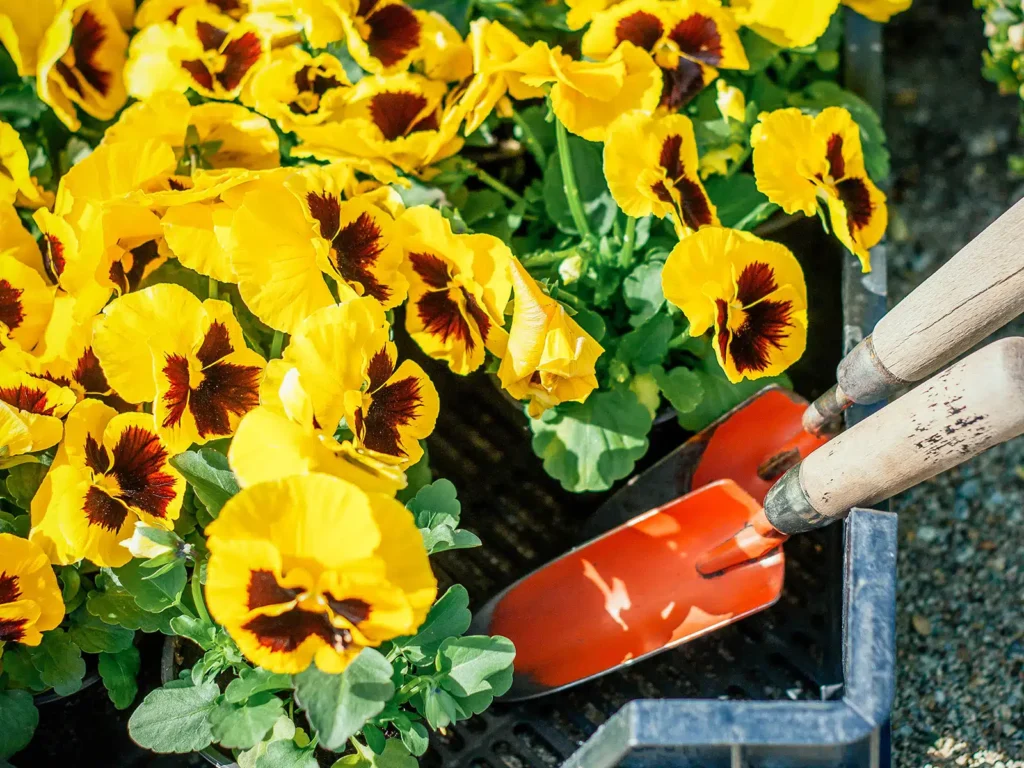
Flowers have been used for centuries to celebrate important moments, decorate homes, and express emotions. From elegant wedding bouquets to simple table centerpieces, a well-designed floral arrangement brings colour, fragrance, and natural beauty into any setting. Whether you are decorating your dining table, preparing flowers for a special event, or simply enjoying fresh blooms from your garden, understanding the basics of flower arranging helps you create displays that look balanced and attractive.
Many beginners search for flower arranging 101 or florist 101 because arranging flowers is more than placing stems into a vase. It involves selecting the right flowers, understanding colour combinations, balancing shapes, and using proper care techniques to keep blooms looking fresh for as long as possible.
Across the USA and the UK, flower arranging remains one of the most popular creative hobbies, combining artistic design with horticultural knowledge. With a few simple techniques, anyone can create professional-looking flower arrangements without needing years of experience.
Understanding Floral Arrangement
A flower arrangement is the careful placement of flowers, foliage, and decorative elements to create a visually pleasing display. Professional florists use design principles such as balance, proportion, harmony, rhythm, and contrast to achieve attractive compositions.
Floral arrangements are commonly used for:
- Home decoration
- Weddings
- Birthday celebrations
- Funeral services
- Corporate events
- Holiday displays
- Hotels and restaurants
- Churches and community spaces
Every arrangement can be designed to suit the occasion, available flowers, and personal style.
Flower Arranging 101: Learning the Basics
If you are new to flower design, understanding a few basic principles makes arranging much easier.
Choose a Focal Flower
Every arrangement benefits from a main flower that draws attention.
Popular focal flowers include:
- Roses
- Sunflowers
- Peonies
- Hydrangeas
- Lilies
- Dahlias
These blooms usually have larger flower heads and become the centre of the design.
Add Supporting Flowers
Secondary flowers help fill empty spaces and add texture.
Examples include:
- Carnations
- Spray roses
- Alstroemeria
- Chrysanthemums
- Lisianthus
- Gerbera daisies
Supporting flowers complement the focal blooms without overpowering them.
Include Filler Flowers
Filler flowers soften the arrangement and create a natural appearance.
Popular choices include:
- Baby’s breath
- Waxflower
- Statice
- Queen Anne’s lace
- Solidago
These smaller flowers connect larger blooms and create fullness.
Use Greenery
Green foliage adds structure and contrast.
Common greenery includes:
- Eucalyptus
- Ferns
- Ruscus
- Salal
- Pittosporum
- Ivy
Greenery frames the flowers while giving the arrangement a fresh, balanced look.
Florist 101: Principles of Professional Flower Design
Professional florists rely on several important design principles.
Balance
Flowers should appear evenly distributed throughout the arrangement.
Balance can be:
- Symmetrical
- Asymmetrical
Both styles can look beautiful when designed carefully.
Proportion
The size of flowers should match the container.
A traditional rule suggests that the arrangement should be approximately one and a half times the height of the vase.
Harmony
Colours, textures, and flower types should work together naturally.
Too many contrasting flowers may create a cluttered appearance.
Rhythm
The viewer’s eye should move comfortably throughout the arrangement.
Repeated colours, shapes, or flower varieties help create rhythm.
Contrast
Mixing different colours, textures, and bloom sizes adds visual interest while preventing the arrangement from looking flat.
Choosing the Right Flowers
The success of any floral arrangement starts with selecting fresh flowers.
Look for blooms that have:
- Firm stems
- Healthy leaves
- Bright colours
- Tight buds
- No signs of disease
- No wilting
Fresh flowers generally last much longer after arranging.
Popular Flowers for Arrangements
Many flowers are favourites among professional florists because of their beauty and vase life.
Roses
Available in countless colours, roses remain one of the most versatile flowers for arrangements.
Tulips
Elegant and simple, tulips add movement and seasonal charm.
Lilies
Large blooms create dramatic focal points while adding fragrance.
Hydrangeas
Their large flower heads quickly fill space and provide texture.
Sunflowers
Perfect for summer displays, sunflowers create cheerful arrangements.
Peonies
Popular during spring, peonies offer lush blooms and soft fragrance.
Orchids
Known for elegance, orchids suit contemporary floral designs.
Easy Flower Design Ideas
Creating attractive arrangements does not require expensive flowers.
Simple designs often have the greatest impact.
Single Variety Arrangement
Using one flower type creates a clean, elegant appearance.
Examples include:
- White roses
- Pink tulips
- Yellow daffodils
- Purple irises
Mixed Seasonal Arrangement
Combine flowers that naturally bloom during the same season.
Spring:
- Tulips
- Daffodils
- Hyacinths
Summer:
- Sunflowers
- Dahlias
- Zinnias
Autumn:
- Chrysanthemums
- Celosia
- Marigolds
Winter:
- Amaryllis
- Holly
- Evergreen branches
Wildflower Arrangement
Native flowers create relaxed, natural-looking displays.
Popular choices include:
- Black-eyed Susans
- Coneflowers
- Cosmos
- Cornflowers
- Yarrow
Selecting the Right Vase
The vase affects both appearance and stability.
Different containers suit different arrangements.
Examples include:
- Glass cylinder vases
- Ceramic containers
- Mason jars
- Metal buckets
- Wooden boxes
- Vintage pitchers
Choose a vase that supports the stems comfortably without overcrowding them.
Preparing Flowers Before Arranging
Preparation helps flowers last longer.
Professional florists usually:
- Remove damaged leaves
- Cut stems at an angle
- Use clean tools
- Place flowers in fresh water
- Add flower food
- Remove leaves below the water line
These simple steps reduce bacteria growth and improve water uptake.
Colour Combinations in Flower Arrangements
Colour greatly influences the mood of an arrangement.
Monochromatic
Uses different shades of one colour.
Elegant and calming.
Complementary
Combines opposite colours on the colour wheel.
Examples include:
- Purple and yellow
- Blue and orange
- Red and green
Creates vibrant displays.
Analogous
Uses neighbouring colours.
Examples include:
- Pink, purple, and blue
- Yellow, orange, and red
Produces smooth transitions.
Neutral
White, cream, and green create timeless arrangements suitable for nearly every occasion.
Arrangements for Different Occasions
Different events call for different floral styles.
Weddings
Popular flowers include:
- Roses
- Peonies
- Ranunculus
- Hydrangeas
- Eucalyptus
Soft pastel colours remain popular in both the USA and UK.
Birthdays
Bright colours such as yellow, orange, pink, and red create cheerful displays.
Sympathy Arrangements
White lilies, chrysanthemums, roses, and carnations are traditional choices.
Corporate Displays
Modern arrangements often feature:
- Orchids
- Anthuriums
- Tropical foliage
- Minimalist containers
Common Flower Arrangement Styles
Professional florists create many different styles.
Round Arrangement
Suitable for tables and centerpieces.
Vertical Arrangement
Ideal for narrow spaces.
Crescent Arrangement
Popular at weddings and formal events.
Triangular Arrangement
Frequently used for ceremonies and church displays.
Contemporary Arrangement
Uses bold lines, unusual containers, and minimal flowers.
Common Flower Arranging Mistakes
Beginners often make a few common errors.
Overcrowding
Too many flowers make arrangements look heavy.
Ignoring Stem Length
Uneven proportions reduce visual balance.
Using Dirty Water
Bacteria shorten vase life.
Forgetting Greenery
Leaves and foliage provide important structure.
Mixing Incompatible Flowers
Some flowers release substances that reduce the lifespan of others.
Caring for Floral Arrangements
Fresh arrangements remain beautiful longer with proper care.
Tips include:
- Replace water every two days.
- Recut stems regularly.
- Remove faded flowers.
- Keep arrangements away from direct sunlight.
- Avoid placing flowers near heating vents.
- Keep fruit away from flowers because ripening fruit releases ethylene gas that speeds up ageing.
Seasonal Flower Availability
Choosing flowers in season often provides fresher blooms.
Spring
- Tulips
- Daffodils
- Hyacinths
- Iris
Summer
- Sunflowers
- Zinnias
- Dahlias
- Gladiolus
Autumn
- Chrysanthemums
- Marigolds
- Celosia
Winter
- Amaryllis
- Paperwhites
- Hellebores
- Evergreen foliage
Seasonal flowers are commonly more affordable and environmentally friendly.
Sustainable Flower Arranging
Many florists now focus on environmentally responsible practices.
Ideas include:
- Buying locally grown flowers
- Reusing vases
- Avoiding single-use plastics
- Composting spent flowers
- Choosing seasonal blooms
- Using reusable floral mechanics instead of floral foam when possible
These methods help reduce waste while supporting local growers.
Why Flower Arranging Remains Popular
Flower arranging combines creativity with nature. It offers a relaxing activity while producing beautiful results for homes, offices, and celebrations.
Many people enjoy arranging flowers because it:
- Encourages creativity
- Improves home décor
- Reduces stress
- Celebrates seasonal beauty
- Creates thoughtful gifts
- Brings natural colour indoors
Even simple arrangements can transform a room and create a welcoming atmosphere.
Frequently Asked Questions
What is a floral arrangement?
A floral arrangement is a decorative display of flowers, greenery, and other plant materials arranged in a balanced and visually appealing way.
Is flower arranging difficult for beginners?
No. By learning basic design principles such as balance, proportion, and colour harmony, beginners can create attractive arrangements with practice.
How long do fresh flower arrangements last?
Most fresh arrangements last between 5 and 10 days, depending on the flower varieties and how well they are cared for.
What flowers last the longest in a vase?
Carnations, chrysanthemums, alstroemeria, orchids, and lilies are known for their excellent vase life.
Can I use flowers from my own garden?
Yes. Freshly cut garden flowers often make beautiful arrangements. Harvest them during the cooler parts of the day and place them in water immediately for the best results.
Final Thoughts
Creating a beautiful flower arrangement is a rewarding way to bring nature indoors and celebrate every season. Whether you are exploring flower arranging 101, learning the basics of florist 101, or experimenting with an easy flower design, understanding the principles of balance, colour, texture, and proportion makes a significant difference.
Fresh flowers, healthy greenery, and thoughtful placement work together to create elegant floral arrangements suitable for homes, workplaces, weddings, and special occasions. By selecting seasonal blooms, preparing stems correctly, and caring for your arrangements, you can enjoy vibrant displays that last longer and reflect the natural beauty of every season.
With practice and creativity, flower arranging becomes more than a decorative skill—it becomes an enjoyable way to express personal style while appreciating the timeless beauty of flowers.