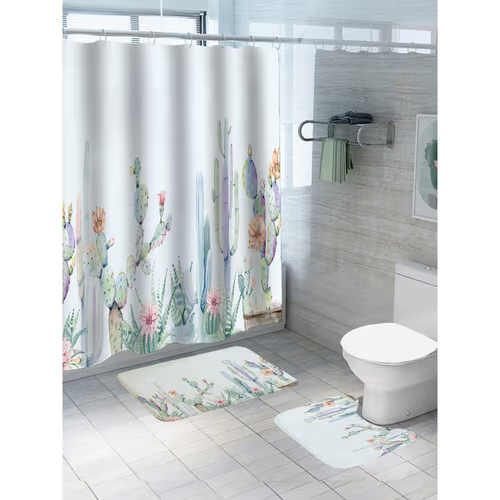
Bathroom design has changed considerably over the years. Once treated mainly as a functional room, the bathroom is now an important part of residential interior design. Homeowners in the USA and UK increasingly consider colour, materials, lighting, storage, fixtures, and architectural details when creating a comfortable bathroom.
The term bathroom decor covers a broad range of design choices. These can include wall finishes, flooring, mirrors, lighting, furniture, sanitaryware, accessories, and decorative details. At the same time, bathroom styles vary from minimalist and contemporary interiors to traditional, industrial, Scandinavian, and rustic spaces.
Looking at bathroom pictures, photos, and other visual references can help demonstrate how different materials and layouts work together. However, a bathroom should be planned around the dimensions and practical requirements of the room rather than appearance alone.
What Is Bathroom Decor?
Bathroom decor refers to the visual and functional elements used to shape the character of a bathroom. It includes both permanent features and smaller decorative additions.
Important elements include:
- Wall colour and finishes
- Floor materials
- Shower and bath design
- Vanity units
- Washbasins
- Mirrors
- Lighting
- Towel storage
- Shelving
- Fixtures and fittings
- Plants and accessories
- Artwork and decorative objects
Good decor usually creates a relationship between these elements. For example, a bathroom with simple white tiles may gain warmth from timber cabinetry, while a darker interior can be balanced with suitable lighting and reflective surfaces.
Popular Bathroom Styles
There is no single definition of a modern bathroom. Different architectural traditions and interior preferences have produced many styles of bathrooms.
Modern Bathroom Style
Modern bathrooms usually feature simple forms, clean lines, and limited decorative detail. Wall-hung vanities, frameless shower screens, large-format tiles, and streamlined taps are frequently associated with this style.
Neutral colours such as white, grey, beige, and black are common, although muted greens and blues can also create a contemporary appearance.
Traditional Bathroom Style
Traditional bathrooms often use more decorative details. Features may include panelled furniture, classic taps, framed mirrors, patterned tiles, and freestanding baths.
Traditional design can work particularly well in older properties where existing architectural details are already part of the room.
Minimalist Bathroom
Minimalism focuses on reducing visual clutter. Storage is often concealed, while the colour palette remains relatively restrained.
A minimalist bathroom may use large tiles, a simple vanity, integrated lighting, and a frameless shower enclosure to create a visually continuous space.
Scandinavian Bathroom
Scandinavian-inspired interiors generally combine simplicity with warmth. Light timber, pale colours, natural textures, and functional furniture are common characteristics.
This style can be useful for bathrooms where natural light is limited because pale surfaces can help reflect available illumination.
Industrial Bathroom
Industrial bathrooms may incorporate concrete-effect finishes, black metal, exposed materials, and utilitarian fittings.
The style can be softened with timber, warm lighting, textiles, or plants to prevent the room from feeling excessively hard or cold.
Rustic Bathroom
Rustic bathrooms often use natural materials and earthy colours. Timber, stone, textured ceramics, and handcrafted-looking accessories can contribute to a relaxed appearance.
This approach can complement cottages, countryside homes, and properties with natural architectural features.
Bathroom Interior Design and Layout
Bathroom interior design begins with the available space. The position of doors, windows, plumbing, electrical points, and structural walls can influence the possible arrangement of fixtures.
A compact bathroom may contain a toilet, basin, and shower in a relatively small footprint. Larger rooms can accommodate separate shower and bath areas, double vanities, additional storage, or seating.
The layout should provide comfortable movement between fixtures. Door swings and shower doors also need to be considered carefully, particularly in small rooms.
A well-planned arrangement can make a modest bathroom feel more functional without increasing its physical size.
Bathroom Images and Visual Planning
Searching for bathroom images can provide useful visual inspiration before making design decisions. Different photographs can demonstrate how colours, textures, fixtures, and lighting interact.
When comparing photos of bathrooms, it is useful to look beyond individual decorative objects. Consider the complete composition:
- How large does the room appear?
- Where does natural light enter?
- What type of flooring has been used?
- How is storage incorporated?
- What relationship exists between wall and floor finishes?
- How are mirrors positioned?
- How much open space remains around the fixtures?
An image for bathroom inspiration should therefore be considered as a reference rather than a template. A design that works in a large hotel-style bathroom may not be appropriate for a small residential room.


Bathroom Colour Schemes
Colour has a significant effect on the atmosphere of a bathroom.
White remains one of the most common choices because it creates a clean appearance and reflects light. However, using only white can sometimes make a room feel visually flat.
Grey provides a neutral alternative, while beige and warm stone shades can create a softer appearance. Blue and green are also frequently associated with bathrooms because of their connection with water and nature.
Dark colours can work effectively when used thoughtfully. Charcoal walls, black cabinetry, or dark tiles can create depth, particularly when combined with adequate lighting and lighter surfaces.
Bathroom Tiles
Tiles are among the most important materials in bathroom design because they provide a practical surface for areas exposed to moisture.
Common options include:
- Ceramic tiles
- Porcelain tiles
- Natural stone
- Mosaic tiles
- Terracotta-inspired tiles
- Large-format tiles
- Textured tiles
- Patterned tiles
Large-format tiles can reduce the number of visible grout lines, creating a more continuous appearance. Smaller tiles can introduce pattern and visual detail.
Flooring should also be selected with safety and maintenance in mind. Slip resistance, water exposure, cleaning requirements, and the specific characteristics of the material should be considered.
Vanity Units and Bathroom Furniture
The vanity is often one of the central pieces of a bathroom interior. It combines a basin with storage and can strongly influence the overall style.
Wall-mounted vanities create visible floor space underneath, which can make a smaller room appear more open. Freestanding furniture can provide a more traditional appearance and may offer substantial storage.
Materials range from painted timber and natural wood to laminate, engineered surfaces, and other moisture-resistant finishes.
Storage is particularly important in family bathrooms because toiletries, towels, cleaning products, and personal items need designated spaces.
Mirrors and Bathroom Decor
Mirrors serve both functional and decorative purposes. A large mirror can reflect light and visually expand a compact bathroom.
Popular choices include:
- Round mirrors
- Rectangular framed mirrors
- Frameless mirrors
- Arched mirrors
- Backlit mirrors
- Mirrored cabinet units
The shape of the mirror can also complement other architectural forms. For example, a round mirror can soften a bathroom dominated by straight cabinet and tile lines.
Mirrored storage cabinets can be particularly useful when wall space is limited.
Bathroom Lighting
Lighting is an important component of bathroom interior design because bathrooms often require different levels of illumination for different activities.
General lighting provides overall visibility. Task lighting around a mirror helps with grooming and personal care, while accent lighting can highlight architectural features.
LED lighting is widely used in contemporary bathrooms because it can provide efficient illumination in different forms, including recessed fixtures, mirror lighting, and under-cabinet illumination.
Electrical installations in bathrooms require particular attention to safety. Local electrical regulations and appropriate professional installation should always be considered.
Bathtubs and Showers
The bath or shower often becomes a major visual feature.
A freestanding bathtub can create a strong focal point in a larger bathroom. Built-in baths may be more practical where space is restricted.
Walk-in showers can provide a spacious visual effect, particularly when paired with clear glass. Shower niches can provide useful storage without requiring additional furniture.
Rainfall showerheads, handheld shower systems, and thermostatic controls are other features frequently incorporated into contemporary bathrooms.
The suitability of each fixture depends on the available water system, room layout, plumbing arrangement, and local requirements.
Small Bathroom Design
Small bathrooms require careful use of every available area. Light colours, reflective surfaces, wall-mounted fixtures, and compact storage can help create a more open appearance.
Useful ideas include:
- Wall-mounted vanity units
- Corner basins
- Recessed shelves
- Sliding shower doors
- Large mirrors
- Vertical storage
- Clear shower screens
- Compact sanitaryware
The objective is not necessarily to make every surface decorative. Maintaining adequate open space can have a greater effect on the perception of size.
Bathroom Decor With Natural Materials
Natural materials can add warmth and texture to a bathroom. Timber-effect finishes, stone, woven accessories, and natural-looking ceramics can prevent an otherwise minimal room from appearing too sterile.
Real timber requires careful consideration because bathrooms contain high levels of moisture. Properly finished and suitable materials should be used where exposure to water is expected.
Stone can also provide a distinctive appearance, although some natural stones require sealing and regular maintenance.
Plants and Accessories
Bathroom plants can introduce natural colour and texture. Species suitable for humid indoor conditions may be considered where sufficient light is available.
Other accessories can include:
- Towels
- Baskets
- Soap dispensers
- Small shelves
- Artwork
- Decorative containers
- Bath mats
- Candles or non-electrical decorative items
Accessories should complement the wider design rather than create unnecessary clutter.
Bathroom Design in the USA
American bathroom interiors range from compact powder rooms to large primary bathrooms with separate bathing and showering zones.
Larger homes may include double vanities, substantial storage, walk-in showers, freestanding baths, and dedicated linen storage.
The popularity of open-plan residential layouts has also influenced bathroom design, although privacy remains an important consideration. Powder rooms provide an opportunity to use stronger colours, patterned wallpaper designed for suitable conditions, or distinctive fixtures because they are generally smaller and used differently from primary bathrooms.


Bathroom Design in the UK
UK bathrooms often need to work within relatively compact spaces, particularly in flats and older terraced properties.
Clever storage, compact sanitaryware, shower-bath combinations, and wall-mounted furniture can help maximise limited floor area.
Older UK homes may also provide opportunities to combine contemporary bathroom fittings with original architectural features. Traditional flooring, exposed brick, timber details, or period proportions can be balanced with modern sanitaryware and lighting.
Sustainable Bathroom Design
Sustainability is becoming increasingly relevant to bathroom planning. Water-efficient taps, shower systems, and toilets can reduce water consumption.
Long-lasting materials can also reduce the need for frequent replacement. LED lighting and energy-efficient water heating systems may contribute to lower energy use.
The environmental impact of a bathroom extends beyond its appearance. Material sourcing, durability, repairability, water consumption, and disposal should all be considered when selecting products.
Choosing Bathroom Decor for the Home
The most appropriate bathroom style depends on the wider character of the property and the needs of the people using it.
A contemporary apartment might suit a minimalist bathroom with large-format tiles and integrated storage. A Victorian or Edwardian property may benefit from traditional fixtures combined with modern plumbing and lighting.
Similarly, a family bathroom needs different storage and durability considerations from a small guest bathroom.
Rather than choosing individual features separately, it is useful to consider the room as a complete interior. Flooring, walls, cabinetry, fixtures, lighting, mirrors, and accessories should establish a coherent visual relationship.
Conclusion
Bathroom decor combines practical requirements with interior design. The choice of layout, colour, materials, sanitaryware, lighting, storage, and accessories can significantly influence how a bathroom looks and functions.
The wide range of bathroom styles means that homeowners in the USA and UK can create interiors ranging from minimalist and contemporary to traditional, rustic, Scandinavian, or industrial.
Bathroom pictures, photos of bathrooms, and other visual references can help explain how these choices work together, but successful design ultimately depends on the individual room. Dimensions, ventilation, moisture exposure, plumbing, lighting, safety, and maintenance are just as important as appearance.
A well-considered bathroom interior does not need excessive decoration. A balanced combination of useful fixtures, suitable materials, effective storage, and carefully selected visual details can create a space that remains practical and visually consistent over time.