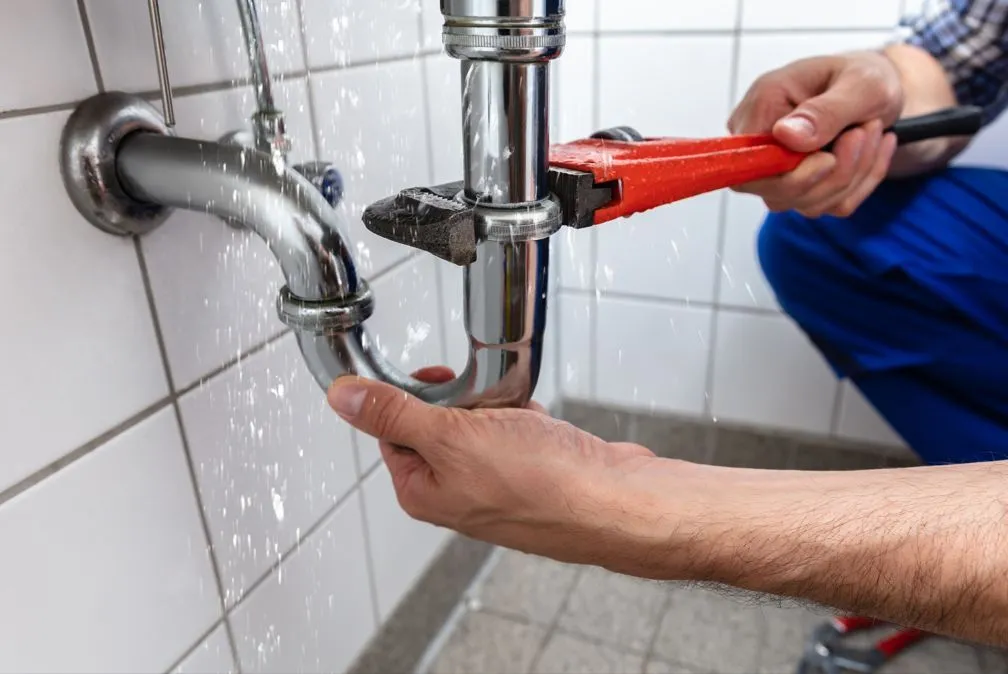
Basement waterproofing is an important part of residential property maintenance, particularly in homes exposed to heavy rainfall, high groundwater levels, poor drainage, or persistent soil moisture. Water entering through basement walls, floors, and foundation joints can damage building materials, encourage mould growth, and affect the usability of the space.
Understanding basement waterproofing cost helps homeowners plan repairs, compare contractors, and determine which moisture-control measures are appropriate for their properties. The total expense depends on the source of water, the condition of the foundation, the size of the basement, and whether the work involves simple sealing or a more extensive drainage system.
Homeowners in the United States and the United Kingdom may encounter different waterproofing methods and pricing structures because of differences in construction practices, climate, labour rates, and local building requirements. A minor crack repair may require limited work, while persistent water intrusion may involve excavation, exterior membranes, drainage improvements, or sump pump installation.
This article examines the factors affecting basement waterproofing prices, foundation waterproofing cost, basement leak repair cost, and the practical considerations involved in protecting a property against moisture.
Understanding Basement Waterproofing
Basement waterproofing involves measures designed to prevent water from entering a basement or to control moisture around the building’s foundation. The appropriate solution depends on whether the problem involves surface water, groundwater pressure, leaking pipes, condensation, or moisture moving through porous materials.
Water can enter a basement through several routes. Cracks in concrete walls, gaps around service pipes, poorly sealed construction joints, and deteriorated waterproof coatings can create pathways for water. External problems, such as blocked gutters and incorrectly sloped ground, can also direct water toward foundation walls.
Common basement waterproofing measures include:
-
Repairing cracks and gaps in basement walls.
-
Applying suitable waterproof coatings or membranes.
-
Improving exterior grading and rainwater drainage.
-
Installing or repairing foundation drainage systems.
-
Adding a sump pump where appropriate.
-
Sealing suitable joints and service penetrations.
-
Managing indoor humidity and condensation.
-
Repairing damaged downspouts and drainage connections.
These methods serve different purposes. A surface coating may help with certain moisture conditions, but it may not resolve water pressure behind a foundation wall. Similarly, sealing a visible crack will not correct a drainage problem that repeatedly saturates the surrounding soil.
A reliable assessment identifies the source of moisture before selecting a repair method.
Basement Waterproofing Cost in the USA and UK
Basement waterproofing cost varies significantly depending on the severity of the water problem and the type of treatment required. Homes with minor moisture issues may need only localised repairs, while properties with recurring flooding may require excavation, drainage installation, and extensive foundation work.
The following figures are broad budgeting estimates for residential properties. They are not live quotations, and actual costs depend on location, property access, materials, labour, and the extent of damage.
| Waterproofing work | Estimated cost in the USA | Estimated cost in the UK |
|---|---|---|
| Minor crack sealing | $300–$1,000 | £200–£800 |
| Interior waterproof coating | $1,000–$4,000 | £800–£3,000 |
| Interior drainage system | $3,000–$10,000 | £2,000–£8,000 |
| Sump pump installation | $800–$2,500 | £700–£2,000 |
| Exterior waterproofing | $5,000–$15,000+ | £4,000–£12,000+ |
| Extensive basement waterproofing | $10,000–$30,000+ | £8,000–£25,000+ |
These ranges represent indicative project budgets rather than directly comparable market averages. The scope of work included in each estimate can differ, and major excavation, structural repairs, basement conversion work, or specialist damp-proofing systems may increase the total.
For example, a homeowner dealing with a small leak around a pipe penetration may need a relatively simple repair. A property experiencing water seepage along several basement walls may require a more comprehensive system involving drainage, water collection, and discharge.
Before accepting an estimate, homeowners should establish whether the quoted price includes labour, materials, excavation, waste removal, reinstatement of landscaping, permits where applicable, and any necessary interior repairs.
How Much Does It Cost to Waterproof a Basement?
The answer to how much does it cost to waterproof a basement depends on the cause of the moisture problem, the size of the affected area, and the method used to control water.
A smaller basement with one isolated leak may require only targeted crack injection or joint repair. A larger basement with persistent water intrusion may need several treatments working together.
Three main approaches are commonly used.
1. Interior Waterproofing
Interior waterproofing focuses on managing water after it reaches the inside of the foundation or enters through vulnerable areas.
Depending on the property, the work may involve sealing certain cracks, applying suitable coatings, installing drainage channels along the basement perimeter, and directing collected water to a sump pump.
Interior systems can be useful when exterior excavation is impractical or when water needs to be collected and safely discharged. However, an interior drainage system does not necessarily prevent the foundation wall itself from becoming wet.
Costs depend on the basement’s dimensions, the amount of floor removal required, the drainage layout, and the equipment installed.
2. Exterior Waterproofing
Exterior waterproofing aims to reduce water entry before it passes through the foundation wall.
The work may involve excavating soil beside the foundation, preparing the wall surface, repairing defects, applying a suitable membrane, and installing or improving drainage provisions.
This approach can be effective when exterior water exposure is the main cause of leakage. However, excavation may be difficult around extensions, neighbouring structures, utility lines, patios, and established landscaping.
Exterior waterproofing often costs more than a minor interior repair because it requires additional labour, equipment, and reinstatement work.
3. Combined Waterproofing Systems
Some properties need a combination of exterior water management, interior drainage, crack repairs, and humidity control.
For example, correcting downspout discharge and ground grading may reduce the volume of water reaching the foundation, while a drainage system manages water that still enters during heavy rainfall.
A combined system may have a higher initial cost, but the appropriate solution should be based on the actual water problem rather than the number of treatments included.
Foundation Waterproofing Cost and the Condition of the Property
Foundation waterproofing cost is influenced by the type of foundation, its accessibility, and the amount of deterioration present.
Concrete foundations, concrete block walls, stone foundations, and older brick structures behave differently when exposed to moisture. A method suitable for one foundation may not be appropriate for another.
Concrete can develop cracks as a result of shrinkage, settlement, or movement. Concrete block foundations may allow moisture to travel through mortar joints or porous blocks. Older masonry foundations may require materials that accommodate their existing construction and moisture behaviour.
Several factors affect the final quotation:
-
Foundation size: Larger exterior wall areas may require more materials and labour.
-
Excavation depth: Deeper foundations can increase labour, equipment, and safety requirements.
-
Access conditions: Narrow side passages, extensions, and nearby structures may complicate the work.
-
Existing damage: Cracked walls, deteriorated mortar, and structural movement may need separate repairs.
-
Drainage conditions: Blocked drains, damaged perimeter drains, and high groundwater levels can require additional work.
-
Interior reinstatement: Flooring, plaster, skirting boards, and finished basement surfaces may need to be removed and replaced.
It is important to distinguish ordinary waterproofing repairs from structural foundation repairs. A crack caused by minor shrinkage may be treated differently from a wall showing significant displacement, horizontal cracking, or progressive movement.
Structural warning signs should be assessed by a qualified structural professional before cosmetic repairs are undertaken.
Basement Sealing Cost: What Does Sealing Include?
Basement sealing cost depends on what is being sealed and whether the work is intended to control water penetration, air leakage, or indoor humidity.
Sealing may involve filling selected cracks, treating construction joints, repairing gaps around pipes, or applying a compatible coating to a prepared surface.
The term can be misleading because not all sealants are designed to resist sustained water pressure. A product suitable for a dry hairline crack may not be suitable for a crack actively admitting water.
Surface coatings also have limitations. If moisture is entering from behind a wall under pressure, an unsuitable coating may blister, peel, or fail over time.
Before choosing a sealing product, the contractor should establish:
-
Where the water is entering.
-
Whether the crack or joint is active or moving.
-
Whether the wall is structurally sound.
-
Whether external drainage is contributing to the problem.
-
Whether the selected material is compatible with the foundation.
In some cases, polyurethane or epoxy injection systems may be appropriate for concrete cracks, but the choice depends on the crack’s condition and the repair objective. Significant movement or structural damage may require a different solution.
A clear quotation should specify the areas being treated, the preparation required, the materials used, and any limitations of the proposed repair.
Leaking Basement Wall: Common Causes and Warning Signs
A leaking basement wall can indicate a problem with drainage, foundation materials, waterproofing, or plumbing. Identifying the cause early can help prevent damage to stored belongings, finished interiors, and structural components.


Common causes include the following.
Hydrostatic pressure: When groundwater accumulates around the foundation, it can exert pressure against basement walls and floors. Water may enter through cracks, joints, or other weak points.
Poor exterior drainage: Blocked gutters, short downspouts, and ground that slopes toward the house can direct rainwater toward the foundation.
Foundation cracks: Concrete shrinkage, settlement, and movement can create pathways for moisture. The significance of a crack depends on its width, pattern, location, and whether it is changing over time.
Damaged waterproofing: Older membranes and coatings can deteriorate, allowing water to reach the foundation surface.
Plumbing leaks: A leaking water supply pipe, drain, or appliance connection may cause damp patches that resemble groundwater seepage.
Warning signs include peeling paint, damp patches, musty odours, white mineral deposits known as efflorescence, mould growth, and water collecting along the floor-wall joint.
The timing of a leak can also provide useful information. Water appearing during heavy rainfall may indicate an exterior drainage or groundwater problem, while continuous dampness near a pipe may point toward plumbing. However, these signs are not conclusive, and a professional assessment may be needed to confirm the cause.
Basement Leak Repair Cost: What Influences the Price?
Basement leak repair cost depends on the location of the leak, the repair method, and whether additional work is necessary to prevent recurrence.
A minor crack repair may cost a few hundred dollars, while multiple leaks involving drainage problems or foundation deterioration can require several thousand dollars or more.
Typical repair categories include:
| Repair type | Main purpose |
|---|---|
| Crack injection | Seals suitable cracks in concrete |
| Joint sealing | Addresses leakage at selected construction joints |
| Plumbing repair | Stops water entering from leaking pipes |
| Gutter and downspout repairs | Reduces rainwater reaching the foundation |
| Exterior membrane repair | Improves protection against soil moisture |
| Interior drainage installation | Collects water entering around the basement perimeter |
| Sump pump installation | Pumps collected water to an appropriate discharge point |
These repairs are not interchangeable. For example, installing a sump pump may manage collected groundwater, but it will not repair a defective water supply pipe. Similarly, injecting a crack will not correct poor exterior grading.
Homeowners should ask contractors to explain why a particular treatment is recommended and whether the quotation addresses the underlying cause of the leak.
Waterproofing Basements Cost: Interior vs Exterior Solutions
When comparing waterproofing basements cost, it is useful to distinguish between methods that manage water inside the basement and systems designed to prevent water from reaching the foundation wall.
Interior systems may be less disruptive to exterior landscaping and can be practical where access to the outside wall is restricted. However, some systems collect and redirect water rather than keeping the foundation completely dry.
Exterior systems can provide a barrier against water at the outside surface of the foundation. They may also allow contractors to inspect and repair damaged masonry or drainage components during excavation.
The most suitable approach depends on several factors, including groundwater conditions, foundation type, access, the severity of leakage, and the intended use of the basement.
A finished basement used as a living area may require more comprehensive moisture management than an unfinished storage space. Nevertheless, structural integrity and safe moisture control should remain priorities regardless of how the basement is used.
Average Cost to Waterproof Basement: Budgeting for the Project
The average cost to waterproof basement projects cannot be represented accurately by one figure because homes differ in size, construction, and exposure to water.
A homeowner planning a project should separate the initial waterproofing work from any additional repairs and finishing expenses.
For example, a project budget may include:
-
Investigation of the source of moisture.
-
Crack repairs and surface preparation.
-
Waterproofing membranes or compatible coatings.
-
Drainage improvements or a sump pump.
-
Removal of damaged flooring and wall finishes.
-
Mould assessment and appropriate remediation where needed.
-
Replacement of damaged materials.
-
A contingency allowance for concealed defects.
Setting aside approximately 10–20% of the estimated project cost for unexpected work can be a useful planning measure, particularly in older homes. This is a budgeting recommendation rather than a fixed requirement.
Homeowners should also consider ongoing costs. Sump pumps use electricity and require testing and maintenance, while drainage systems may need periodic inspection. Some waterproofing products have specific maintenance requirements or limitations that should be documented.
A detailed written estimate makes it easier to compare contractors and understand the total financial commitment.
Basement Waterproofing in the USA and UK
Basement waterproofing practices vary between the United States and the United Kingdom because of differences in building construction, weather, groundwater conditions, and regulations.
In the USA, heavy rainfall, seasonal storms, snowmelt, and high groundwater levels can contribute to basement flooding. Local conditions may determine whether exterior drainage, a sump pump, crack repairs, or a combined system is appropriate.
In the UK, dampness in basements and below-ground rooms may be associated with groundwater penetration, defective drainage, or moisture passing through older masonry. Some properties require specialist assessment before a waterproofing system is installed, particularly when a basement is being converted into a habitable space.
In the UK, BS 8102 provides guidance on the protection of below-ground structures against water ingress. The appropriate design depends on the building, the level of water exposure, and the intended use of the space.
Homeowners in either country should check local building requirements and consult appropriately qualified professionals. A system designed for one climate or foundation type should not automatically be assumed suitable for another.
Preventing Basement Water Problems Over Time
Preventive maintenance can reduce the amount of water reaching a foundation and help identify defects before they become more serious.
Start with the property’s exterior drainage. Gutters should be kept clear, downspouts should discharge water away from the foundation in accordance with local requirements, and ground surfaces should direct rainwater away from the house where practical.
Inspect visible foundation walls for new cracks, damp patches, or changes in existing defects. Check accessible plumbing connections and investigate unexplained increases in indoor humidity.
Basement humidity can also be managed through suitable ventilation or dehumidification, depending on the building design and outdoor conditions. These measures help control indoor moisture but should not be treated as a substitute for repairing active water leaks.
If flooding occurs, electrical hazards should be considered before entering the affected area. Water near electrical equipment or outlets may make the basement unsafe. Extensive flooding, suspected structural damage, or widespread mould growth warrants professional assistance.
The most effective long-term approach combines appropriate waterproofing with sound drainage, regular inspections, and timely repairs.
Conclusion
Basement waterproofing cost depends on the source of water, the condition of the foundation, the size of the affected area, and the method required to manage moisture. Minor crack sealing may be relatively inexpensive, while extensive exterior excavation, drainage installation, and structural repairs can involve a much larger budget.
Homeowners researching foundation waterproofing cost, basement sealing cost, or basement leak repair cost should obtain a clear assessment before committing to a particular treatment. The objective should be to identify and correct the underlying cause rather than simply cover visible signs of dampness.
Whether a property is located in the USA or the UK, effective basement protection involves suitable materials, reliable drainage, appropriate installation, and ongoing maintenance. Addressing moisture problems promptly can help protect the foundation, reduce damage to interior finishes, and preserve the basement’s long-term usability.