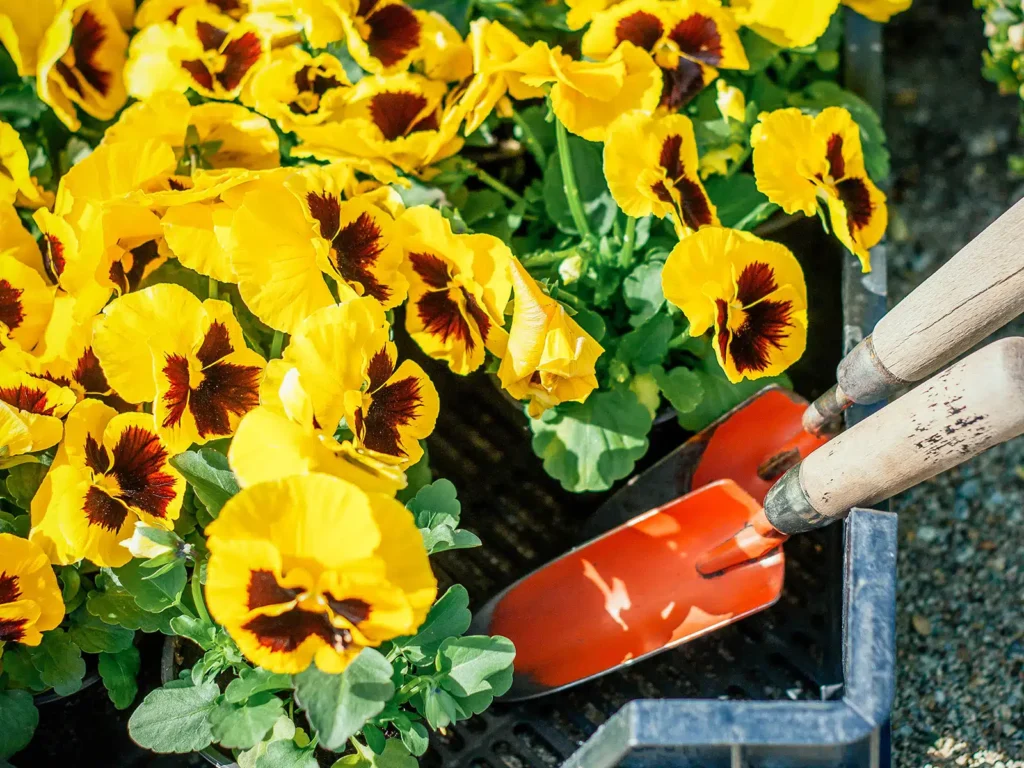
Flowers from the Viola genus have been loved by gardeners for centuries because of their colorful blooms, delicate appearance, and ability to grow in different climates. However, many people often confuse violas, pansies, and violets, assuming they are the same flower. Although they are closely related, these plants have noticeable differences in size, appearance, growing habits, and ideal uses in gardens.
Whether you’re planning a flower bed, decorating containers, or simply curious about these popular blooms, understanding the difference between violet and pansy or the difference between violas and pansies helps you make better gardening decisions.
In this article, we’ll compare viola vs pansy, explain how violets fit into the picture, and explore their characteristics, growing conditions, maintenance requirements, and landscaping uses.
Understanding the Viola Family
Before comparing these flowers, it’s important to know that they all belong to the Viola genus in the Violaceae family.
The genus includes hundreds of species found across Europe, North America, Asia, Australia, and parts of Africa. Some are wildflowers, while others are hybrids developed for ornamental gardening.
Generally, the three common groups include:
- Violas
- Pansies
- Violets
Although they share many botanical similarities, plant breeders have developed unique varieties with different flower sizes, colors, and growth habits.
Viola vs Pansy
The comparison of viola vs pansy is one of the most common questions among gardeners because both flowers look similar at first glance.
The biggest distinction lies in flower size.
Pansies produce much larger blooms, often measuring 2 to 4 inches across. Violas have much smaller flowers, usually around 1 to 2 inches wide.
Another major difference is flowering performance. Violas tend to produce many more flowers throughout the growing season, while pansies focus their energy on fewer but much larger blossoms.
Quick Comparison
| Feature | Viola | Pansy |
|---|---|---|
| Flower Size | Small | Large |
| Bloom Count | High | Moderate |
| Cold Tolerance | Excellent | Very Good |
| Heat Tolerance | Better | Moderate |
| Growth Habit | Compact | Larger and upright |
| Lifespan | Longer blooming | Seasonal bedding plant |
Because of their abundant flowers, violas often create a colorful carpet effect, while pansies make a stronger visual statement with their oversized blooms.
Violet vs Pansy
The comparison between violet vs pansy can be confusing because both belong to the same plant genus.
However, true violets are usually wild species that grow naturally in forests, meadows, and woodland environments.
Pansies, on the other hand, are cultivated hybrids specifically bred for ornamental gardens.
Some notable differences include:
- Violets have smaller flowers.
- Pansies have larger, more colorful blooms.
- Violets spread naturally through rhizomes and seeds.
- Pansies are commonly grown as annuals or short-lived perennials.
- Violets have heart-shaped leaves.
- Pansies have rounded foliage.
Wild violets often appear naturally across lawns in many parts of the United States and Europe, while pansies are intentionally planted in flower beds and containers.
Violets vs Pansy
When comparing violets vs pansy, flower appearance becomes one of the easiest ways to identify them.
Violets
- Five petals
- Narrow flower shape
- Simple appearance
- Usually purple, blue, white, or yellow
- Woodland native plants
Pansies
- Large overlapping petals
- Wide, rounded flowers
- Often display “faces”
- Available in almost every color
- Hybrid garden flowers
Pansies are generally more dramatic and ornamental, making them favorites for landscaping projects.
Difference Between Violet and Pansy
Many beginner gardeners ask about the difference between violet and pansy because the names are sometimes used interchangeably.
Here are the main distinctions.
Plant Origin
True violets occur naturally in the wild.
Pansies are hybrids developed from several Viola species through selective breeding.
Flower Size
Violets have smaller flowers.
Pansies have noticeably larger blossoms.
Leaf Shape
Violets produce heart-shaped leaves.
Pansies usually develop rounded or oval leaves with slightly scalloped edges.
Blooming Style
Violets bloom naturally during spring.
Pansies bloom heavily during cool seasons and often continue flowering for several months under favorable conditions.
Garden Purpose
Violets are commonly used for:
- Naturalized landscapes
- Woodland gardens
- Pollinator gardens
- Ground cover
Pansies are commonly planted in:
- Hanging baskets
- Window boxes
- Flower borders
- Containers
- Seasonal displays
Difference Between Violas and Pansies
The difference between violas and pansies is primarily related to flower size and breeding history.
Pansies are actually descendants of violas that have been selectively bred to produce larger flowers.
Other important differences include:
| Characteristic | Viola | Pansy |
|---|---|---|
| Petal Pattern | Simple | Bold markings |
| Bloom Duration | Long | Medium |
| Weather Resistance | Better | Slightly lower |
| Maintenance | Low | Moderate |
| Flower Production | High | Moderate |
Violas generally recover faster after harsh weather conditions and continue blooming longer into spring or fall.
Viola Flower vs Pansy
Looking at viola flower vs pansy side by side makes identification much easier.
Viola flowers:
- Smaller petals
- More delicate appearance
- Less noticeable facial markings
- More flowers per plant
Pansy flowers:
- Larger petals
- Distinctive face-like markings
- Bright contrasting colors
- Bigger overall bloom
If you want bold color from a distance, pansies are usually preferred.
If you want continuous flowering and natural charm, violas are often the better option.
Violet Flower vs Pansy
The comparison of violet flower vs pansy highlights differences in natural growth and ornamental value.
Wild violet flowers tend to:
- Grow individually
- Blend naturally into woodland settings
- Produce subtle beauty
Pansy flowers are bred to stand out with:
- Larger blooms
- Rich colors
- Decorative markings
- Uniform growth
Many gardeners enjoy combining both plants to create a garden that looks natural while maintaining colorful seasonal displays.
Pansies vs Violets
When comparing pansies vs violets, growing conditions are another major consideration.
Pansies Prefer
- Full sun
- Partial shade
- Rich soil
- Regular watering
- Cool temperatures
Violets Prefer
- Woodland shade
- Moist soil
- Organic matter
- Cooler environments
- Less direct sunlight
Because of these differences, each flower thrives in different landscape settings.
Violas vs Pansies in Garden Design
Both flowers work beautifully in landscaping but serve different purposes.
Violas Are Ideal For
- Rock gardens
- Garden borders
- Cottage gardens
- Pollinator gardens
- Edging pathways
Their smaller flowers create a soft, colorful appearance.
Pansies Are Ideal For
- Window boxes
- Patio containers
- Entryway displays
- Raised beds
- Hanging baskets
Their large flowers immediately catch attention.
Flower Colors
One reason gardeners love these plants is their incredible variety of colors.
Common viola colors include:
- Purple
- Yellow
- White
- Blue
- Orange
- Lavender
- Burgundy
Pansies offer even greater color diversity, including:
- Black
- Red
- Pink
- Blue
- White
- Purple
- Yellow
- Bi-color combinations
- Multi-colored patterns
Wild violets generally stay within shades of:
- Purple
- Blue
- White
- Yellow
Blooming Season
Blooming periods vary slightly.
Violas
Often bloom:
- Early spring
- Late spring
- Autumn
- Mild winters
Pansies
Typically bloom:
- Fall
- Winter in warm climates
- Spring
- Early summer in cooler regions
Violets
Usually bloom:
- Early spring
- Mid spring
Some native species bloom again during favorable weather.
Growing Conditions
Although related, their preferred growing environments differ slightly.
Sunlight
Violas:
- Full sun
- Partial shade
Pansies:
- Full sun
- Afternoon shade
Violets:
- Partial shade
- Woodland shade
Soil
All three grow best in:
- Well-drained soil
- Fertile soil
- Organic-rich soil
Adding compost improves flowering and root development.
Watering
Consistent moisture helps maintain healthy blooms.
Avoid allowing soil to become waterlogged since excessive moisture can encourage root diseases.
Mulching also helps retain soil moisture while reducing weeds.
Temperature Tolerance
Violas generally handle changing weather better than pansies.
Many varieties survive light frosts and continue blooming.
Pansies also tolerate cold weather but may stop flowering during intense summer heat.
Wild violets naturally adapt to local climates and often return every year.
Maintenance Requirements
All three flowers are considered relatively easy to grow.
Routine care includes:
- Watering during dry periods
- Removing faded flowers
- Fertilizing every few weeks
- Monitoring for pests
- Keeping soil healthy
Deadheading encourages violas and pansies to produce additional blooms throughout the season.
Common Pests and Diseases
Like many flowering plants, violas, pansies, and violets can experience problems if growing conditions are poor.
Common pests include:
- Aphids
- Slugs
- Snails
- Spider mites
Possible diseases include:
- Powdery mildew
- Root rot
- Leaf spot
- Downy mildew
Proper spacing and air circulation help reduce disease risks.
Wildlife Benefits
These flowers support local ecosystems.
They provide nectar for:
- Bees
- Butterflies
- Hoverflies
Several butterfly species use wild violets as host plants for their caterpillars, making native violets especially valuable in wildlife-friendly gardens.
Are Violas and Pansies Edible?
Yes.
Both violas and pansies produce edible flowers when grown without harmful pesticides or chemical treatments.
Their colorful petals are commonly used to decorate:
- Salads
- Cakes
- Desserts
- Drinks
- Cheese boards
Wild violets are also edible and have traditionally been used in syrups, teas, candied flowers, and preserves in some culinary traditions.
Always ensure flowers are correctly identified and grown specifically for culinary use before eating them.
Annual or Perennial?
This depends on climate.
Violas
- Often short-lived perennials
- Frequently grown as annuals
Pansies
- Usually treated as annual bedding plants
- Can survive as biennials or short-lived perennials in mild climates
Wild Violets
- Perennial
- Return every year
- Spread naturally
Gardeners in USDA Hardiness Zones with mild winters often enjoy longer flowering periods from both violas and pansies.
Which Flower Should You Choose?
The right choice depends on your gardening goals.
Choose violas if you want:
- Smaller blooms
- Long flowering periods
- Excellent cold tolerance
- Low maintenance
- Pollinator-friendly planting
Choose pansies if you prefer:
- Large colorful flowers
- Bold landscape displays
- Decorative containers
- Seasonal bedding plants
Choose violets if you enjoy:
- Native plants
- Woodland gardens
- Natural ground cover
- Wildlife habitats
- Long-term perennial growth
Many gardeners plant all three together to enjoy a wider variety of textures, bloom sizes, and colors across the seasons.
Frequently Asked Questions
Are violas and pansies the same flower?
No. Although both belong to the Viola genus, pansies are hybrid plants with larger flowers, while violas have smaller blooms and typically produce more flowers over a longer season.
What is the main difference between violet and pansy?
The primary difference between violet and pansy is that violets are usually wild perennial species with small flowers, while pansies are cultivated hybrids bred for larger, more colorful blooms used in ornamental gardens.
Which blooms longer, violas or pansies?
Violas generally bloom for a longer period and continue producing flowers even during cooler weather. Pansies produce larger flowers but may slow down when temperatures become too warm.
Can violets, violas, and pansies grow together?
Yes. Since they have similar soil and moisture requirements, they can be planted together in many gardens. However, violets often prefer more shade than violas and pansies.
Are pansies and violas frost tolerant?
Yes. Both are cool-season flowers and can tolerate light frosts. Violas are often slightly more resilient and may continue blooming through colder conditions.
Final Thoughts
Understanding the differences between viola vs pansy, violet vs pansy, and violets vs pansies makes it easier to select the right flowers for your landscape. While all three belong to the same botanical family, each offers distinct characteristics that suit different gardening styles and environments.
Violas are prized for their abundant, long-lasting blooms and resilience in cool weather. Pansies stand out with their large, vibrant flowers and striking facial patterns, making them a favorite for seasonal displays and containers. True violets, meanwhile, are cherished as native woodland plants that provide ecological value while adding understated beauty to naturalized gardens.
Whether your goal is to create colorful borders, attract pollinators, brighten containers, or establish a low-maintenance woodland planting, understanding the difference between violas and pansies and the difference between violet and pansy helps you choose the flower that best fits your garden’s conditions and design. By selecting the right plant for the right location, you can enjoy healthy growth, extended blooming seasons, and vibrant color throughout the cooler months of the year.