Access to clean and reliable water is one of the most fundamental needs in any living environment. In the United States, most homes rely on municipal water systems, but a growing number of people are exploring alternatives that operate independently of public utilities. This shift has increased interest in off grid water systems, particularly in rural areas, remote properties, and self-sufficient lifestyles.
Table of Contents
ToggleAn off grid water system is designed to supply, store, and manage water without relying on a centralized infrastructure. These systems are commonly used in cabins, homesteads, tiny homes, and remote residences where public water lines are unavailable or impractical. Understanding how off grid water solutions work provides insight into their practicality, challenges, and long-term sustainability.
Understanding Off Grid Water Systems
Off grid water systems involve several components that work together to collect, store, filter, and distribute water. Unlike traditional systems connected to city supply, these setups depend on natural sources or independently managed storage.
Common water sources for off the grid water systems include:
- Groundwater from wells
- Rainwater collection systems
- Surface water such as rivers, lakes, or springs
- Delivered water stored in tanks
Each source has its own requirements for filtration, treatment, and storage. In many cases, a combination of sources is used to ensure reliability throughout the year.
Water Sources for Off Grid Living
Groundwater wells are one of the most reliable sources for off grid water in the United States. A properly drilled and maintained well can provide a consistent supply of water for household use. However, drilling costs and geological conditions can vary significantly by region.
Rainwater harvesting is another common method. This involves collecting rain from rooftops and directing it into storage tanks. While this method is environmentally friendly, it depends on local rainfall patterns and may require large storage capacity in drier regions.
Surface water sources, such as streams or ponds, can also be used, but they require extensive filtration and treatment to ensure safety. These sources are more vulnerable to contamination and seasonal changes.
Off Grid Water Storage Systems
Off the grid water storage is a critical component of any independent system. Storage ensures that water is available during periods of low supply or increased demand.
Off grid water storage options include:
- Above-ground storage tanks
- Underground cisterns
- Portable water containers
- Large-capacity polyethylene or steel tanks
The size of the storage system depends on household needs, climate conditions, and water source reliability. In many U.S. regions, storage systems are designed to hold several weeks’ worth of water to account for variability in supply.
Proper storage also involves protecting water from contamination, temperature extremes, and algae growth. Tanks are often sealed and may include filtration systems to maintain water quality.
Filtration and Water Treatment
Water quality is a major concern in off grid water systems. Unlike municipal systems, which are regulated and treated centrally, off grid setups require individual responsibility for water safety.
Filtration systems typically include multiple stages, such as:
- Sediment filters to remove debris
- Carbon filters to improve taste and remove chemicals
- UV purification systems to eliminate bacteria and viruses
- Reverse osmosis systems for advanced purification
The type of filtration required depends on the water source. For example, well water may contain minerals or iron, while surface water may carry biological contaminants.
Regular testing is essential to ensure that water meets safety standards for drinking and household use.
Off Grid Plumbing Systems
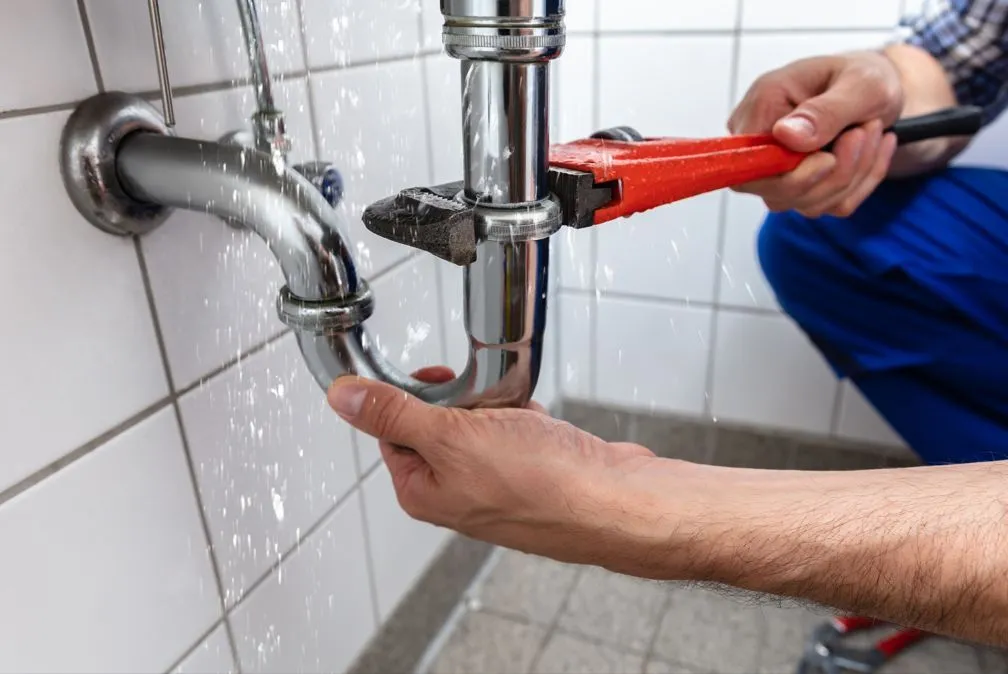
An off grid plumbing system distributes water throughout the home. While similar to traditional plumbing, it often relies on alternative methods for water pressure and waste management.
In many off grid homes, water pressure is created using:
- Electric pumps powered by solar energy or generators
- Gravity-fed systems using elevated storage tanks
- Manual pumping systems in simpler setups
Gravity-fed systems are particularly popular for off grid cabin water setups because they require minimal energy. By placing storage tanks at a higher elevation, water can flow naturally through pipes.
Plumbing materials and design must also account for temperature changes, especially in colder regions of the United States where freezing can damage pipes.
Wastewater and Drainage Considerations
Managing wastewater is an important part of off grid living. Without access to municipal sewer systems, alternative solutions are required.
Common options include:
- Septic systems
- Composting toilets
- Greywater recycling systems
Septic systems are widely used in rural areas and function similarly to traditional setups. Greywater systems allow water from sinks and showers to be reused for irrigation, reducing overall water consumption.
Proper waste management ensures environmental protection and compliance with local regulations.
Energy Use in Off Grid Water Systems
Energy is a key factor in operating off grid water solutions. Pumps, filtration systems, and monitoring devices often require electricity. In off grid environments, this energy typically comes from renewable sources such as solar panels or wind turbines.
Solar-powered water systems are especially common in the United States due to their reliability and decreasing cost. Batteries are often used to store energy for use during cloudy days or nighttime.
Energy efficiency is important, as it directly impacts the sustainability and cost of the system.
Seasonal Challenges and Climate Impact
Off grid water systems must be designed to handle seasonal variations. In colder regions, freezing temperatures can affect pipes, storage tanks, and water availability. Insulation and heat tracing are often used to prevent freezing.
In arid regions, water scarcity can be a significant challenge. Larger storage systems and efficient water use practices are essential to ensure a consistent supply.
Climate conditions influence every aspect of system design, from water source selection to storage capacity.
Legal and Regulatory Considerations in the USA
Water use and off grid systems are subject to state and local regulations in the United States. These laws can affect:
- Well drilling permits
- Rainwater harvesting legality
- Water rights for surface sources
- Septic system installation
Regulations vary widely by state, so it is important to understand local requirements before installing an off the grid water system.
Compliance ensures that systems operate safely and legally while protecting natural resources.
Off Grid Cabin Water Systems
Off grid cabin water setups are often simpler than those used in full-time residences. These systems may include basic storage tanks, manual pumps, or seasonal water use.
In many cases, cabins rely on rainwater collection or transported water, especially in remote areas. Filtration and treatment are still important, even for temporary or recreational use.
The simplicity of cabin systems makes them easier to maintain, but they may not provide the same level of convenience as larger installations.
Advantages of Off Grid Water Systems
Off grid water systems offer several benefits, particularly for those seeking independence from public utilities. These include:
- Greater control over water supply
- Reduced reliance on municipal infrastructure
- Potential cost savings over time
- Increased resilience during outages or emergencies
These advantages make off grid water solutions appealing for both practical and lifestyle reasons.
Challenges and Limitations
Despite their benefits, off grid water systems also present challenges. Initial setup costs can be significant, especially for well drilling or large storage systems. Maintenance and monitoring require ongoing attention.
Water availability can be unpredictable, depending on the source and environmental conditions. Ensuring consistent water quality also requires regular testing and system upkeep.
These factors should be carefully considered when planning an off grid water system.
Modern Innovations in Off Grid Water Solutions
Technology is improving the efficiency and reliability of off grid water systems. Smart monitoring systems can track water levels, usage, and quality in real time. Advanced filtration technologies are making it easier to ensure safe drinking water.
Modular systems are also becoming more common, allowing users to expand or modify their setups as needed. These innovations are helping make off grid living more accessible and sustainable.
Water Conservation Practices
Efficient water use is essential in any off grid system. Conservation practices help extend available resources and reduce the need for large storage capacities.
Common strategies include:
- Low-flow fixtures and appliances
- Leak detection and repair
- Reusing greywater for irrigation
- Mindful water usage habits
These practices are especially important in regions with limited water availability.
Comparing Off Grid and Municipal Systems
Off grid water systems differ significantly from municipal systems in terms of control, responsibility, and infrastructure. Municipal systems provide convenience and consistent supply, but they rely on centralized networks.
Off grid systems offer independence but require active management. Users are responsible for sourcing, treating, and maintaining their water supply.
The choice between these systems depends on location, lifestyle, and personal preferences.
Long-Term Sustainability
Sustainability is a key consideration for off grid water systems. Properly designed systems can provide reliable water for many years with minimal environmental impact.
Using renewable energy, conserving water, and protecting natural sources all contribute to long-term sustainability. Regular maintenance and system upgrades also play a role in ensuring continued performance.
Final Thoughts
Off grid water systems represent a practical solution for independent living in the United States. From off grid cabin water setups to full-scale residential systems, these solutions provide flexibility and resilience in areas without access to public utilities.
Understanding the components of an off the grid water system—including water sources, storage, filtration, and plumbing—helps ensure that these systems are safe and effective. While they require careful planning and ongoing maintenance, they offer a viable alternative for those seeking greater control over their water supply.
As interest in self-sufficient living continues to grow, off grid water solutions will remain an important part of the conversation around sustainability, resource management, and modern housing design.