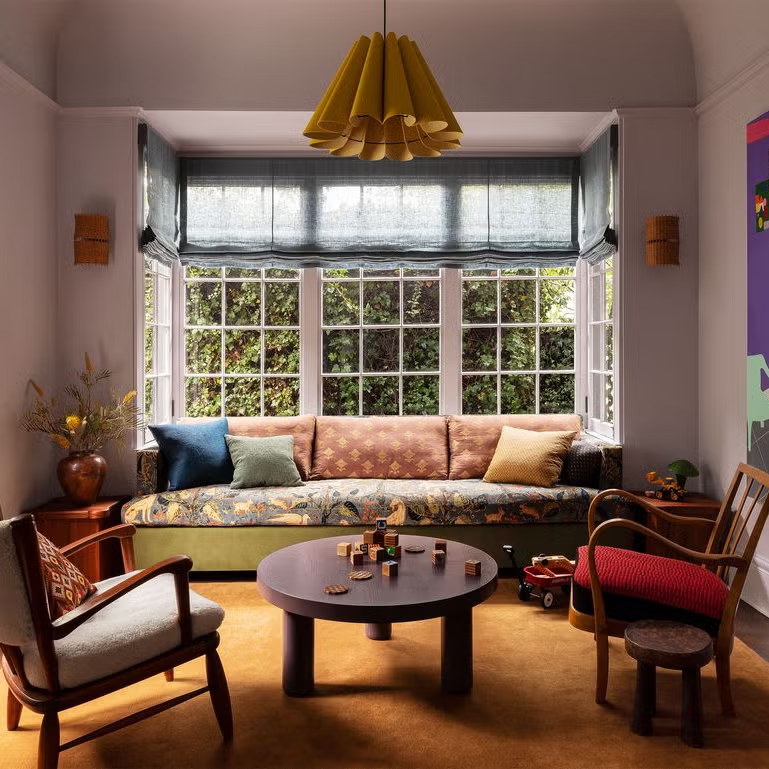
The family room is one of the most frequently used spaces in a home. It provides a comfortable place for family members to relax, watch television, read, entertain guests, play games, or spend time together. Unlike a formal living room, which may prioritise appearance and occasional entertaining, a family room often needs to balance comfort, durability, storage, and everyday practicality.
The best ideas for decorating family rooms consider how people actually use the space. A household that enjoys watching films may need comfortable seating and carefully planned media storage, while a family with young children may benefit from washable fabrics, flexible furniture, and accessible storage. In smaller homes, the family room may also function as a home office, reading area, or occasional guest space.
Across the USA and UK, family room interiors range from open-plan contemporary spaces to traditional rooms with fireplaces, built-in bookcases, and classic upholstered furniture. Although architectural styles vary, the main objective remains similar: creating a welcoming room that works for everyday life.
From family room furniture ideas and colour schemes to lighting, wall decoration, and space-saving layouts, thoughtful design choices can help create a room that feels organised, inviting, and suited to the household’s needs.
1. Understanding the Purpose of a Family Room


Before choosing furniture or decorative accessories, it helps to identify the main purpose of the room. Some family rooms are designed primarily for relaxation, while others accommodate several activities throughout the day.
A television-centred family room needs a clear viewing arrangement, appropriate seating, and organised cable management. A room used for conversation may benefit from sofas and armchairs arranged to face one another. Where children play, open floor space and accessible storage may be more important than elaborate decoration.
Consider the following priorities:
-
Comfortable seating for regular use.
-
Clear routes between doors, windows, and adjoining rooms.
-
Suitable lighting for different activities.
-
Storage for books, toys, games, and electronic equipment.
-
Durable materials that are easy to maintain.
-
A consistent colour palette that connects the furniture and decor.
The distinction between a family room and a living room is not fixed. In many American homes, both terms describe similar spaces, while British homes may use terms such as sitting room, lounge, or living room. The room’s function is more important than its name.
2. Family Room Decorating Ideas for a Comfortable Interior


Comfort is often the starting point for successful family room decor. Soft furnishings, appropriate furniture proportions, and a balanced arrangement can make the room feel welcoming without creating visual clutter.
Layering different textures is one way to add depth to a neutral interior. A woven rug, linen curtains, cotton cushions, and a knitted throw can introduce variation while keeping the colour scheme consistent. Natural materials such as oak, rattan, wool, and stone can also create a sense of warmth.
However, decoration should remain practical. Too many cushions, ornaments, or small tables may make a busy family room difficult to use. It is generally more effective to select a few meaningful decorative pieces than to fill every available surface.
Personal items can make the room feel distinctive. Family photographs, framed artwork, travel souvenirs, and favourite books add character while reflecting the interests of the people who use the space.
The most effective family room decorating ideas combine visual appeal with everyday convenience.
3. Family Room Furniture Ideas and Seating Arrangements


Furniture influences how a family room looks and functions. The right arrangement provides enough seating, supports different activities, and allows people to move through the space comfortably.
A sectional sofa can work well in a large family room or an open-plan living area. Its L-shaped design creates a defined seating zone and may accommodate several people without requiring multiple separate sofas. In smaller rooms, a standard sofa paired with one or two compact chairs can provide more flexibility.
Useful family room furnishing options include:
-
Sectional sofas: Suitable for shared relaxation and television viewing.
-
Two- or three-seat sofas: Versatile choices for medium-sized rooms.
-
Armchairs: Useful for reading, conversation, or additional seating.
-
Ottomans: Can serve as footrests, extra seats, or, where designed for it, storage.
-
Coffee tables: Provide a convenient surface for drinks, books, and everyday objects.
-
Side tables: Keep frequently used items within reach.
-
Console tables: Offer a surface for lamps, framed photographs, and decorative objects.
Furniture scale matters. A large sectional may overwhelm a narrow room, while several small pieces can make a spacious room feel fragmented. Measure the available floor area and the furniture before purchasing, allowing enough room for doors, walkways, and drawers to open.
4. Choosing the Right Family Room Colour Scheme


Colour affects the atmosphere of a family room and influences how large or bright it appears. The best palette depends on natural light, room size, flooring, furniture, and personal preference.
Neutral colours such as warm white, beige, greige, and soft grey provide a flexible background. They work with a wide range of furnishings and make it easier to update accessories without changing the entire room.
For a more distinctive look, consider muted green, dusty blue, terracotta, or navy. Sage green can complement timber and natural textures, while navy provides contrast against cream upholstery and pale flooring. Terracotta and rust tones can introduce warmth, particularly in rooms with oak furniture or neutral walls.
A simple colour scheme can include:
-
One main wall colour.
-
One or two complementary colours for furniture and textiles.
-
A contrasting accent colour for cushions, artwork, or accessories.
-
Natural wood or metal finishes to add material variation.
In a room with limited daylight, lighter wall colours and reflective surfaces may help create a brighter impression. In a large room, deeper shades can add visual intimacy. Before painting, test samples under daytime and evening lighting because colours can appear different as the light changes.
5. Small Family Room Ideas for Limited Spaces


A small family room can still feel comfortable when the layout makes efficient use of the available space. The main challenge is fitting essential furniture into the room without blocking movement or making it feel crowded.
Multifunctional furniture is particularly useful. Storage ottomans can hide blankets and toys, nesting tables provide flexible surfaces, and sofas with raised legs can create a lighter visual appearance. Wall-mounted televisions and floating shelves can also reduce the need for bulky cabinets.
Consider these decorating approaches:
-
Choose furniture with dimensions suited to the room.
-
Use a rug to define the seating area without covering every inch of flooring.
-
Keep the main walkway clear.
-
Use vertical shelving for books and decorative items.
-
Select curtains that suit the window and do not obstruct natural light.
-
Limit small decorative objects that collect dust or occupy useful surfaces.
Mirrors can help reflect daylight and create a greater sense of openness when positioned thoughtfully. However, they are not a substitute for good lighting and a practical furniture layout.
In compact British terraced homes and smaller American apartments, a simple arrangement often works better than attempting to include every furniture trend. A comfortable sofa, a suitable table, effective lighting, and well-planned storage may be all the room needs.
6. Family Room Wall Decor and Feature Walls


Walls provide an opportunity to introduce personality and visual structure. Artwork, framed photographs, decorative shelving, wall panelling, and accent colours can all help a family room feel more complete.
A gallery wall is a popular option for displaying family photographs, illustrations, prints, and meaningful memories. Frames can match for a coordinated appearance or vary in size and finish for a more informal arrangement. Planning the layout on the floor before hanging the frames helps maintain balanced spacing.
Feature walls offer another approach. Painted walls, timber slats, wallpaper, and decorative mouldings can distinguish the seating area from the rest of an open-plan room. A television wall may incorporate shelving and closed cabinets to organise media equipment.
When choosing wall decor, consider the room’s scale. A single large artwork can make a strong statement in a spacious room, while several smaller pieces may suit a narrow wall. Shelves should be installed securely, particularly in family homes where children may be present.
The objective is to create a focal point that complements the furniture rather than competing with it.
7. Family Room Lighting for Different Activities


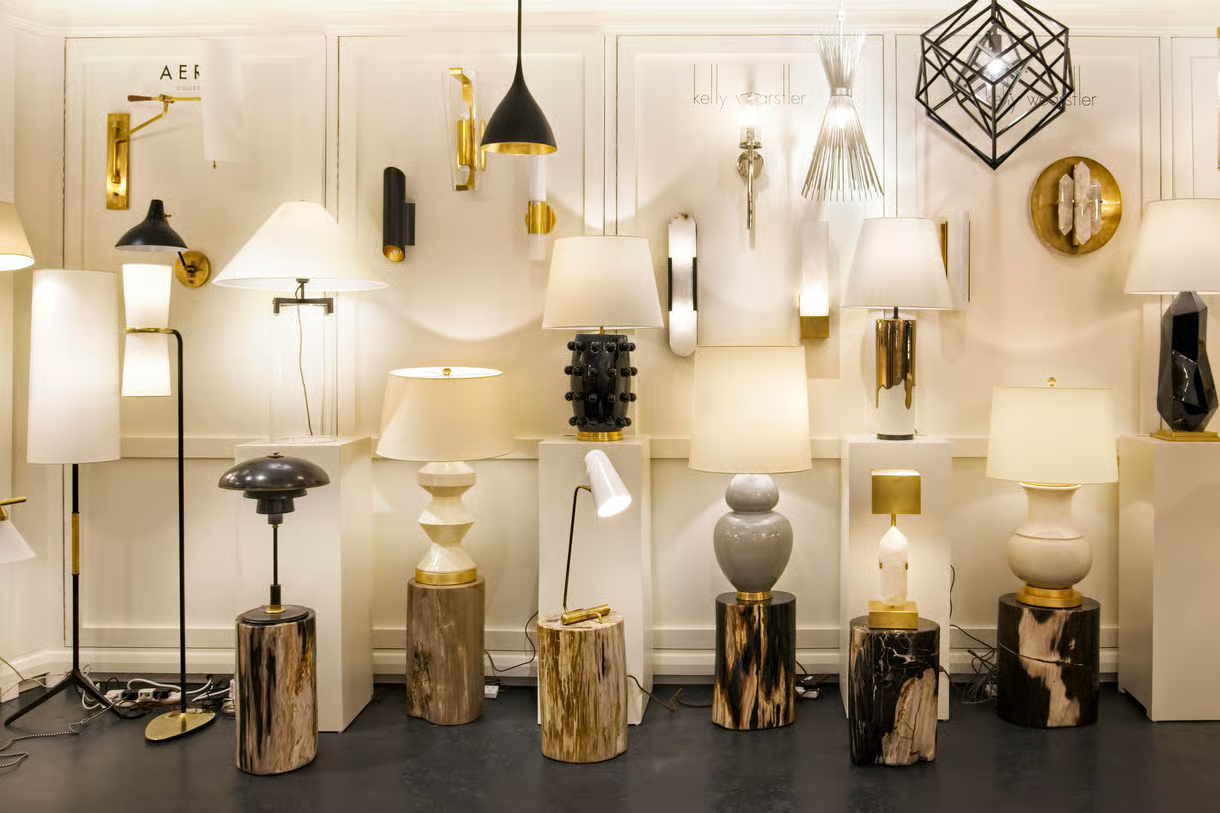
Lighting affects both the appearance and usability of a family room. A single overhead light may provide general illumination, but several light sources can make the room more adaptable throughout the day.
A practical lighting plan usually combines three types:
-
Ambient lighting: Provides general illumination through ceiling fixtures, recessed lights, or suitable pendants.
-
Task lighting: Supports reading, hobbies, homework, and other focused activities.
-
Accent lighting: Highlights artwork, shelving, architectural details, or decorative objects.
Table lamps beside sofas can create a comfortable evening atmosphere. Floor lamps work well beside armchairs and reading corners, while dimmable ceiling lights allow brightness to change according to the activity.
Daylight should also be considered. Avoid placing large furniture pieces where they unnecessarily block windows. Curtains and blinds can help manage glare and privacy while allowing natural light into the room.
In homes where the family room is used for watching films, adjustable lighting can reduce glare on the screen. Light placement should be planned alongside the seating and television position rather than added as an afterthought.
8. Family Room Storage and Organisation


Family rooms often contain a mixture of everyday items, including remote controls, charging cables, books, toys, board games, blankets, and electronic devices. Without appropriate storage, these objects can quickly make the room look untidy.
Built-in cabinetry provides a streamlined solution when the budget and room layout allow it. Closed cabinets conceal items that do not need to remain visible, while open shelves can display books and selected decorative pieces.
Freestanding furniture may be more appropriate where flexibility is important. Sideboards, storage benches, bookcases, and baskets can help organise belongings without requiring permanent alterations.
Useful storage principles include:
-
Store frequently used items within easy reach.
-
Keep less frequently used belongings in higher cabinets or designated boxes.
-
Use labelled containers for children’s toys and games.
-
Keep cables organised around televisions and charging stations.
-
Avoid overcrowding shelves with decorative objects.
-
Review stored items regularly to remove unnecessary clutter.
Storage should reflect the habits of the household. A family that plays board games regularly may benefit from a dedicated game cupboard, while a room used for reading may need accessible book storage.
9. Open-Plan Family Room Design Ideas


Open-plan layouts combine the family room with spaces such as the kitchen or dining area. This arrangement can improve interaction between household members, but it requires a clear approach to furniture placement and visual consistency.
An area rug can establish the boundaries of the seating zone, while a sofa positioned with its back toward the dining area can create subtle separation. Lighting can also distinguish activities, with pendant lights over a dining table and floor or table lamps near the seating.
The different zones should feel connected without looking identical. Repeating a few materials or colours across the room can create continuity. For example, oak furniture in the family room may complement timber details in the kitchen, while matching accent colours can link cushions and dining accessories.
Consider noise, circulation, and storage when planning an open-plan family room. Television sound may affect conversations or dining, so the location of speakers and seating deserves attention. Furniture should define the room without blocking pathways between the kitchen, dining area, and external doors.
10. Family Room Decor for Homes with Children and Pets


A family room used by children or pets needs materials that can withstand regular use. Practical choices do not have to look plain; many durable fabrics, attractive rugs, and useful storage solutions are available in a variety of styles.
Performance upholstery, removable cushion covers, and washable throws can make routine cleaning easier. Rugs should suit the level of activity in the room and be secured to reduce slipping. Rounded furniture edges may also be worth considering in spaces used by young children.
Additional practical ideas include:
-
Choose finishes that are easy to wipe clean.
-
Keep breakable ornaments away from busy play areas.
-
Use storage baskets to make tidying easier.
-
Select fabrics suited to the household’s cleaning needs.
-
Secure tall bookcases and cabinets appropriately.
-
Keep electrical cables and hazardous items out of children’s reach.
For pet owners, tightly woven upholstery and rugs that are easy to clean may be useful. Material performance varies, so check the manufacturer’s cleaning instructions rather than assuming every fabric marketed as durable will resist stains or scratches.
The aim is to create a room that remains comfortable and attractive while accommodating everyday family life.
11. Fireplace and TV Placement in a Family Room


In many family rooms, the fireplace and television compete for attention. Planning their positions together can help create a balanced focal point and improve the viewing experience.
One option is to place the television above the fireplace, provided both installations meet the relevant safety and manufacturer requirements. This can save wall space, but the viewing height may be uncomfortable in some rooms. Heat from the fireplace can also affect electronic equipment.
An alternative is to position the television on an adjacent wall. This allows the fireplace to remain an architectural feature without forcing both elements into the same arrangement. Built-in media cabinets can provide storage for devices, controllers, and accessories.
Before finalising the layout, consider viewing distance, screen height, glare from windows, seating positions, and the fireplace’s heat output. The arrangement should suit how the family uses the room, rather than simply copying a design photograph.
12. Adding Plants and Natural Materials to Family Room Decor


Natural materials can make a family room feel warmer and more connected to the outdoors. Timber furniture, woven baskets, linen curtains, wool rugs, and stone accessories add texture without requiring strong colours or elaborate decoration.
Indoor plants provide another way to introduce natural detail. Plants such as the Areca palm (Dypsis lutescens) or Spider plant (Chlorophytum comosum) may suit rooms with appropriate light and care conditions. Before choosing houseplants, check their suitability for homes with pets and young children, as some common indoor plants can be toxic if chewed or swallowed.
Plant placement should account for sunlight, watering needs, and access to windows. A large plant may work beside an empty corner, while smaller plants can sit on a suitable shelf or side table. Avoid positioning plants where they obstruct walkways or create maintenance difficulties.
Combining natural textures with a consistent colour scheme can help create a relaxed interior without making the room feel overly themed.
13. Common Family Room Decorating Mistakes
Even attractive furniture and accessories may not produce a successful result if the room’s layout is poorly planned. A few common issues are worth avoiding.
Choosing oversized furniture: A large sectional may dominate a small room and leave little space for movement. Measure the room and check furniture dimensions before purchasing.
Using only overhead lighting: One central fixture may leave reading corners and seating areas poorly lit. Combine ambient lighting with lamps and task lighting where needed.
Ignoring storage: Too many visible belongings can make the room feel cluttered. Provide practical storage for everyday items before adding more decorative accessories.
Mixing too many styles: Combining several unrelated furniture styles, finishes, and colours can make the room feel inconsistent. Repeating a few colours and materials helps connect different pieces.
Overdecorating surfaces: Excessive ornaments, cushions, and tabletop accessories can reduce usable space. Leave some surfaces clear for everyday activities.
Following photographs too literally: A layout that works in a large, naturally lit showroom may not suit a smaller home. Use design images as inspiration and adapt the ideas to the actual room.
Conclusion
Ideas for decorating family rooms should begin with the needs of the household. Comfortable seating, appropriate lighting, useful storage, and a well-planned layout form the foundation of a room that works for everyday life.
Family room design ideas can range from neutral contemporary interiors and traditional sitting rooms to colourful spaces designed around children, hobbies, and entertainment. The right choice depends on room size, natural light, architectural features, and the activities the space needs to accommodate.
By combining practical family room furniture ideas with a considered colour palette, suitable wall decor, and durable materials, homeowners can create an interior that feels welcoming without becoming difficult to maintain. The most successful family rooms are not necessarily the most elaborate; they are the ones that support how people live, relax, and spend time together.