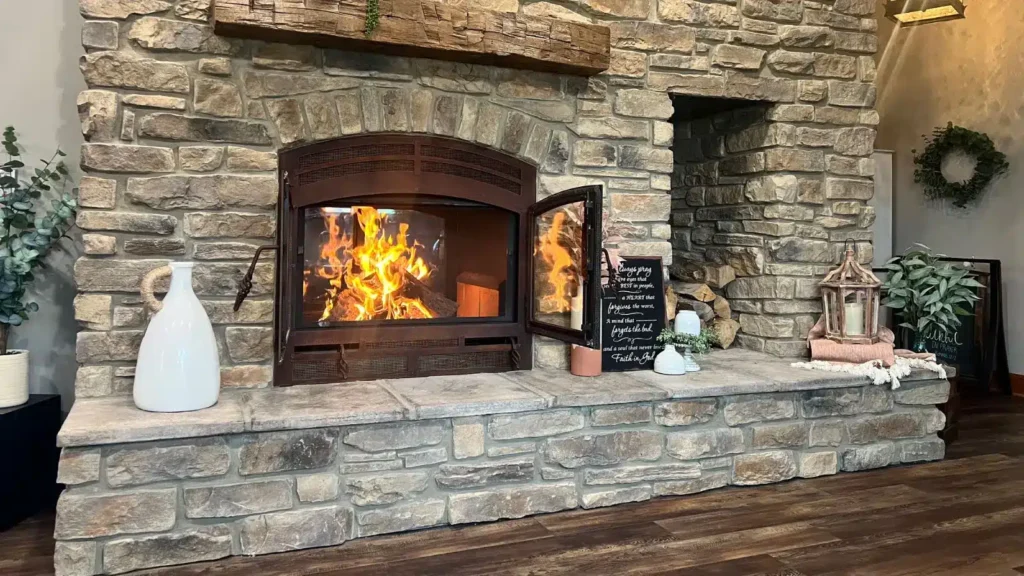
The cost of a new furnace depends on the heating system’s fuel type, size, energy efficiency, brand, installation requirements and location. A basic replacement may cost considerably less than installing a high-efficiency system or converting a property from one fuel source to another. Labour, ductwork repairs, ventilation changes, permits and removal of the old unit can also affect the final bill.
For homeowners in the USA and UK, understanding the difference between furnace prices and the full furnace cost and installation is important when comparing estimates. The equipment price is only one part of the overall expense.
How Much Does a New Furnace Cost?
In the United States, a new furnace typically costs around $2,000 to $10,000 or more, including installation, depending on the system and the work involved. Angi’s 2026 cost data places the average installation at approximately $4,814, with many projects falling between $2,823 and $6,897. Higher-end systems and complex installations can exceed this range.
Angi+1
| Furnace type | Typical US installed cost |
|---|---|
| Electric furnace | $2,000–$7,000 |
| Natural gas furnace | $3,800–$10,000 |
| Oil furnace | $6,750–$10,000 |
| Propane furnace | $3,700–$14,200 |
Indicative 2026 US price ranges. Actual quotes vary by location, equipment size, efficiency and installation conditions.
Angi+1
These figures generally refer to a complete installation rather than the equipment alone. A homeowner replacing an existing furnace with a similar model may pay less than someone who needs new ductwork, gas piping, electrical upgrades or a different type of heating system.
Furnace Prices by Fuel Type
The fuel source is one of the main factors influencing furnace prices. Each system has different equipment requirements, installation needs and operating costs.
1. Electric furnaces
Electric furnaces generally have lower initial installation costs because they do not require a gas supply, combustion chamber or conventional exhaust flue. They use electric heating elements to warm air, which is then distributed through the ductwork.
A typical electric furnace installation in the USA costs approximately $2,000 to $7,000. However, the cost can increase if the home needs new ductwork, an upgraded electrical panel or additional wiring.
This Old House+1
Electric systems can be suitable for properties without access to natural gas. Their running costs depend heavily on local electricity prices, climate and how often the heating system operates.
2. Natural gas furnaces
Natural gas furnaces are widely used in American homes, particularly in areas with access to a gas distribution network. They burn natural gas to heat air, which is circulated through the property using a blower and duct system.
A new gas furnace with professional installation commonly costs between $3,800 and $10,000. Premium high-efficiency models or installations requiring additional modifications can cost more.
New Furnace Prices & Installation Guide+1
The final price depends on the furnace’s BTU capacity, AFUE rating, number of heating stages and compatibility with the existing ventilation and ductwork.
3. Oil furnaces
Oil furnaces are used in some US regions where natural gas is unavailable or where homes already have an oil-based heating setup. These systems burn heating oil to produce warmth and normally require an oil storage tank and fuel delivery arrangements.
Typical installed costs are around $6,750 to $10,000, although the price can vary with equipment capacity and installation complexity.
This Old House+1
Homeowners should also consider oil storage, fuel delivery, annual servicing and changing oil prices when estimating long-term ownership costs.
4. Propane furnaces
Propane furnaces are another option for properties without a natural gas connection. They use stored liquid propane as their fuel source and can be installed in rural homes or locations with limited gas infrastructure.
Installed costs can range from approximately $3,700 to $14,200, depending on the unit and project requirements.
Angi+1
The installation may also require a propane storage tank, fuel line, regulator and suitable ventilation. These additional requirements can make a propane project more expensive than a straightforward replacement.
Furnace Cost and Installation: What Does the Price Include?
The cost of new furnace and installation is made up of several components. Understanding what is included in a contractor’s estimate can help homeowners compare quotes accurately.
| Installation component | What it covers |
|---|---|
| Furnace equipment | The heating unit, burner or heating elements, heat exchanger and blower |
| Labour | Removal of the existing unit, positioning, connection and system setup |
| Ductwork | Inspection, sealing, repair or replacement of air ducts |
| Venting | Flue pipes, exhaust connections and combustion-air arrangements where required |
| Electrical work | Wiring, circuit connections and control installation |
| Thermostat | New or compatible temperature control |
| Permits and inspection | Required local approvals and safety checks |
| Disposal | Removal and disposal of the old furnace |
Not every project requires all these services. If the existing ductwork, electrical connections and fuel supply are suitable, the installation may be relatively straightforward. A complete heating system conversion is likely to involve additional work.
The US Department of Energy’s furnace cost analysis also identifies setup, transportation, fuel piping, ductwork, electrical connections, permits and removal as potential installation cost components.
The Department of Energy’s Energy.gov
What Factors Affect the Cost of a New Furnace?
Two homes can receive very different furnace replacement estimates, even when they are located in the same neighbourhood. Several technical and property-related factors influence the final price.
1. Furnace Size and Heating Capacity
Furnace capacity is measured in British Thermal Units per hour (BTU/h). It indicates how much heat a unit can produce in a given period. Larger homes may require higher-capacity equipment, but floor area alone is not enough to determine the correct furnace size.
Contractors should consider insulation, ceiling height, window quality, air leakage, local winter temperatures and the building’s layout. A professional heat-loss calculation, often called a Manual J calculation in the US, helps establish the appropriate heating capacity.
An oversized furnace may cycle on and off too frequently, causing uneven temperatures and unnecessary wear. An undersized system may struggle to maintain comfortable indoor temperatures during cold weather.
2. Energy Efficiency Rating
Furnace efficiency is commonly measured using the Annual Fuel Utilization Efficiency (AFUE) rating. It represents the percentage of fuel energy converted into useful heat over a heating season.
For example, a furnace with a 95% AFUE rating converts approximately 95% of its fuel energy into useful heat, while the remaining energy is lost through the exhaust and other processes.
Higher-efficiency furnaces often have a higher purchase price because they may use improved heat exchangers, sealed combustion systems and more advanced controls. However, they can reduce fuel consumption compared with less efficient equipment.
The US Department of Energy provides comparative furnace efficiency information and explains how AFUE affects annual energy use and cost.
Department of Energy
3. Installation Complexity
A standard furnace replacement usually costs less when the new unit fits the existing space and works with the current connections. Costs can increase if the project involves:
-
Changing the furnace location
-
Installing new exhaust or intake pipes
-
Modifying gas supply lines
-
Replacing electrical circuits
-
Repairing or resizing ductwork
-
Improving condensate drainage
-
Making structural changes for equipment access
High-efficiency condensing gas furnaces, for example, may require suitable venting and a condensate drain. These details should be checked before the equipment is selected.
4. Brand and Equipment Features
Furnace manufacturers offer models at different price levels. Equipment prices can vary according to warranty coverage, heat exchanger design, blower motor technology, controls and product features.
Single-stage furnaces generally operate at one heating output, switching on and off as needed. Two-stage models can operate at a lower or higher output, while modulating systems adjust heat production more precisely.
Advanced models may provide more consistent temperatures and quieter operation, but their initial cost is often higher. The value of these features depends on the home’s layout, climate and heating requirements.
5. Regional Labour Rates
Furnace installation costs differ across the United States. Labour rates may be higher in major metropolitan areas and regions with a high cost of living. Local permit requirements, seasonal demand and contractor availability can also affect the estimate.
A homeowner in a rural area may face different equipment delivery or service costs from someone living in a large city. For this reason, national averages are useful for budgeting but should not replace local written estimates.
Replacement Furnace Cost: When Is It Time to Replace an Old Unit?
A furnace does not necessarily need replacement because it has reached a particular age. Its condition, repair history, efficiency and ability to heat the home are also important.
Common signs that a replacement may be worth considering include:
-
Frequent breakdowns or repeated repair visits
-
Uneven heating between rooms
-
Unusual banging, rattling or humming noises
-
Increasing energy consumption without a clear explanation
-
Difficulty maintaining the thermostat setting
-
Visible corrosion or damage around the equipment
-
A heat exchanger or other major component requiring expensive repair
A professional inspection can help establish whether a repair is practical or whether a replacement is more appropriate. A suspected cracked heat exchanger, gas leak or carbon monoxide issue requires prompt attention from a qualified technician. Do not continue operating equipment that a professional has identified as unsafe.
Furnace age can also be relevant. Many homeowners begin comparing replacement options when an older unit becomes unreliable or expensive to maintain, but service life varies with maintenance, installation quality and operating conditions.
Furnace Cost to Replace an Existing System
Replacing an existing furnace is often less expensive than installing a completely new heating system. This is because the property may already have suitable ductwork, electrical connections, fuel lines and ventilation.
For example, replacing an older natural gas furnace with a compatible modern gas model may involve removing the existing unit, installing the replacement, reconnecting the services and testing the system.
By contrast, switching from an oil furnace to an electric or gas system may require new infrastructure. The contractor may need to install fuel connections, modify the electrical supply, replace venting or make changes to the distribution system.
When reviewing a replacement estimate, check whether the price includes:
-
Removal and disposal of the old furnace
-
Supply of the new equipment
-
Installation labour
-
New thermostat or control compatibility
-
Venting and drainage work
-
Ductwork inspection and necessary repairs
-
Startup testing and system commissioning
-
Permits and inspection fees, where applicable
A quote that appears cheaper may exclude several of these services. Comparing the full scope of work is more useful than comparing the equipment price alone.
Furnace Replacement Cost in the UK
The term furnace is used more commonly in the United States than in the UK residential heating market. Most UK homes use boilers that heat water for radiators or underfloor heating, rather than a forced-air furnace that distributes warm air through ducts.
The UK does have warm-air heating systems, including older gas-fired units found in some properties. These systems heat air and distribute it through ducts and room outlets.
For an existing UK warm-air system, published estimates vary according to the unit, ductwork, flue and whether hot water is included. One UK cost reference places replacement of an older warm-air system at approximately £4,600–£6,350 for a gas-fired unit used for heating only.
2025 UK Guide
For comparison, Energy Saving Trust lists a typical gas boiler replacement cost of around £3,500 in Great Britain and an oil boiler replacement cost of around £3,200 in Northern Ireland. These are boiler figures, not furnace prices, and should not be treated as direct equivalents to US forced-air furnace installation costs.
Energy Saving Trust
This distinction matters when researching furnace cost and installation for a UK property. A homeowner should identify whether the existing equipment is a warm-air furnace, a boiler, an electric heating system or a heat pump before comparing prices.
How to Compare Furnace Installation Quotes
Getting more than one estimate can help homeowners understand the local replacement furnace cost. However, the lowest price does not always represent the best overall value.
When comparing contractors, consider the following points:
1. Check the equipment details. Each quote should identify the furnace manufacturer, model, fuel type, heating capacity and AFUE rating. This makes it easier to compare similar equipment.
2. Confirm the installation scope. Ask whether labour, old equipment removal, venting, electrical connections, thermostat installation and ductwork adjustments are included.
3. Review warranties. Check the manufacturer’s parts warranty and any separate labour warranty provided by the installer. Understand whether registration is required and what situations are excluded.
4. Check contractor qualifications. In the US, verify relevant state or local licensing and insurance requirements. In the UK, gas-fired equipment must be installed by an appropriately qualified Gas Safe registered engineer.
5. Request a written estimate. The quote should clearly identify the equipment, labour, additional materials, permits, exclusions and payment terms. This reduces the likelihood of unexpected charges during the project.
Can a High-Efficiency Furnace Reduce Heating Costs?
A high-efficiency furnace can reduce fuel consumption because it converts a larger proportion of the energy it uses into useful heat. However, the actual savings depend on the existing equipment, local fuel prices, climate, insulation and household heating habits.
For example, replacing an older, inefficient gas furnace with a modern condensing model may reduce the amount of natural gas needed to maintain indoor temperatures. However, a homeowner should compare the additional purchase price with the estimated annual energy savings.
The US Department of Energy provides an example comparing furnaces with different AFUE ratings. Its published figures demonstrate how efficiency differences can affect annual fuel use and estimated lifetime energy costs.
Department of Energy
Home insulation, weatherstripping, duct sealing and suitable thermostat settings can also influence heating expenses. A high-efficiency furnace cannot compensate fully for significant heat loss through poorly insulated walls, roofs, windows or ducts.
Frequently Asked Questions About Furnace Prices
1. How much does a new furnace cost in the USA?
A new furnace generally costs around $2,000–$10,000 installed, depending on fuel type, size, efficiency and installation complexity. Some premium systems or projects involving major modifications can cost more.
This Old House+1
2. How much does furnace installation cost without replacing ductwork?
The cost depends on the furnace, labour rates and existing connections. If the ductwork, electrical supply and fuel lines are already suitable, installation may be less expensive than a project requiring extensive modifications. A contractor should confirm what is included in the estimate.
3. What is the cheapest type of furnace to install?
Electric furnaces generally have lower initial installation costs than many gas, oil and propane alternatives. However, the total cost of ownership also depends on local electricity prices and how frequently the system operates.
4. How much does a gas furnace cost to replace?
A typical natural gas furnace replacement in the USA costs approximately $3,800–$10,000, including installation. High-efficiency models and complex projects may exceed this range.
This Old House+1
5. Does furnace size affect the installation price?
Yes. Larger-capacity equipment can cost more, and the installation may require additional work. However, the correct size should be determined through a professional heating-load assessment rather than choosing a furnace based only on the home’s square footage.
6. Is a high-efficiency furnace worth the extra cost?
It may be worthwhile when the expected reduction in fuel consumption justifies the higher initial price. Homeowners should compare AFUE ratings, local energy prices, estimated annual use and the equipment’s purchase and installation costs.
7. How long does furnace installation take?
A straightforward replacement may be completed within a working day, but more complicated projects can take longer. Additional ductwork, electrical upgrades, venting changes or equipment relocation may extend the schedule. The installer should provide a project-specific timeframe.
8. Is a furnace the same as a boiler?
No. A furnace heats air and typically distributes it through ducts. A boiler heats water, which circulates through radiators, underfloor heating pipes or other hydronic distribution systems. The terminology is particularly important when comparing heating costs in the USA and UK.
Conclusion
The cost of a new furnace depends on more than the price of the equipment. Fuel type, heating capacity, AFUE rating, installation labour, ductwork condition and local building requirements all influence the final amount. In the United States, many homeowners can use a budget of approximately $2,000–$10,000 as an initial planning range, although premium systems and complex installations may cost more.
For UK homeowners, it is important to distinguish between a forced-air furnace, a warm-air heating unit and a conventional boiler. These systems have different installation requirements and should not be compared using the same cost figures. A detailed assessment, correctly sized equipment and itemised contractor quotes provide a more reliable basis for estimating furnace replacement cost.