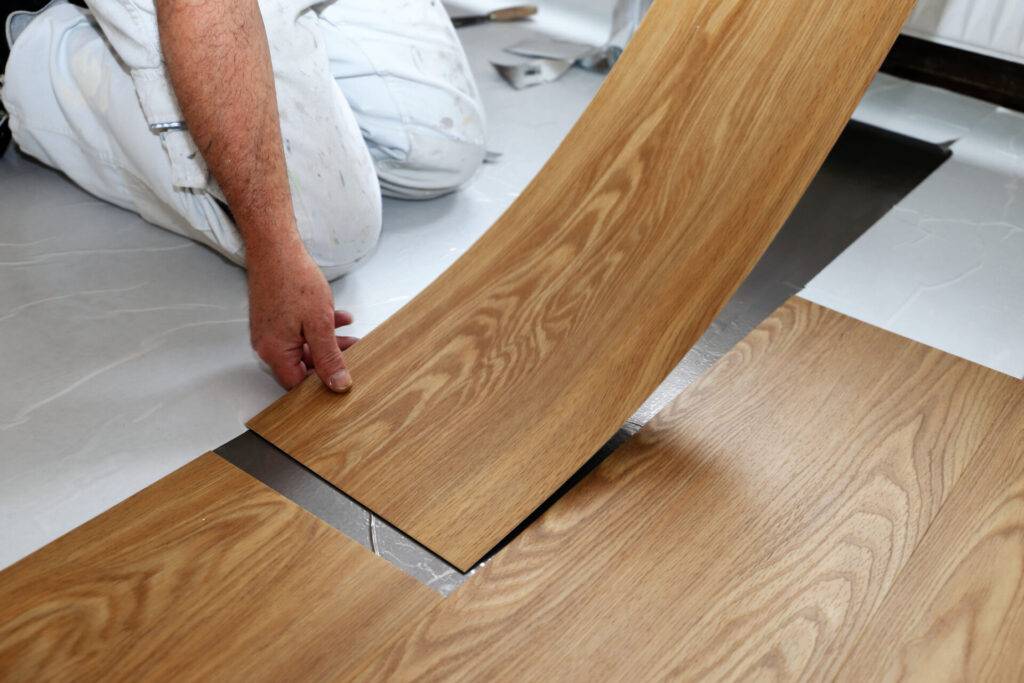
Paints play one of the most influential roles in home improvement — they have the power to redefine spaces, reflect personality, and protect surfaces. Whether you’re renovating, remodeling, or simply freshening up your interiors, the right paint can transform walls, ceilings, and exteriors into works of art.
From ancient cave drawings to modern architectural masterpieces, paint has been used not only for decoration but also for preservation. Today, it combines aesthetic creativity with scientific advancement, offering improved durability, eco-friendliness, and functionality.
This article explores the importance of paints in home improvement, their types, applications, composition, and the psychological and environmental aspects behind color and design choices.
The Role of Paint in Home Improvement
1. Enhancing Aesthetics
Paints are the simplest way to change a room’s appearance. A new coat of paint can make small spaces look larger, bright spaces feel warmer, or dull rooms come alive. The choice of color, texture, and finish contributes significantly to interior and exterior design.
2. Surface Protection
Beyond beauty, paints act as a protective layer. They shield walls, wood, and metal surfaces from moisture, UV rays, corrosion, and general wear and tear. This preservation extends the lifespan of building materials.
3. Increasing Property Value
Homes that are freshly painted often have higher resale value. A neat, well-painted property signals maintenance and care, appealing to potential buyers.
4. Reflecting Lifestyle and Personality
Colors and finishes mirror one’s taste and personality. From minimal neutrals to bold statement shades, the paint you choose expresses your style and mood.
Composition of Paints
Every type of paint consists of four essential components, each contributing to its performance and appearance:
-
Pigments – Provide color and opacity. Common pigments include titanium dioxide (for white) and iron oxides (for red and brown hues).
-
Binders (Resins) – Act as film-forming agents, holding the pigment particles together once the paint dries. Examples include acrylic, epoxy, and alkyd resins.
-
Solvents – Help control viscosity, ensuring the paint spreads smoothly. Water or oil-based solvents evaporate after application.
-
Additives – Enhance specific properties like drying time, mildew resistance, or UV protection.
Types of Paints Used in Home Improvement
Paints are categorized based on their composition, application area, and finish. Understanding these helps homeowners choose the right type for each project.
1. Water-Based (Latex) Paints
These are the most common interior paints, known for quick drying, low odor, and easy cleanup.
-
Advantages: Environmentally friendly, durable, and resistant to fading.
-
Best For: Walls, ceilings, and trims in living spaces and bedrooms.
2. Oil-Based Paints
Formulated with mineral spirits, oil-based paints provide a smooth and glossy finish but require longer drying times.
-
Advantages: Excellent adhesion and durability.
-
Best For: Woodwork, trims, and high-traffic areas.
3. Acrylic Paints
Made from acrylic resins, these paints are versatile, long-lasting, and weather-resistant.
-
Advantages: Good elasticity and color retention.
-
Best For: Both interior and exterior walls.
4. Enamel Paints
Enamel paints dry to a hard, glossy surface, making them ideal for metal and wooden surfaces.
-
Advantages: Resistant to moisture and stains.
-
Best For: Kitchens, bathrooms, windows, and doors.
5. Textured Paints
These paints add dimension and visual interest through sand, silica, or synthetic particles.
-
Advantages: Hide wall imperfections and enhance aesthetics.
-
Best For: Accent walls and feature surfaces.
6. Primer Paints
Primers are preparatory coatings applied before paint to improve adhesion, coverage, and durability.
-
Advantages: Prevent peeling and ensure smooth finishing.
-
Best For: New or repaired surfaces.
7. Exterior Paints
Formulated to withstand harsh outdoor conditions, these paints offer weatherproof protection and color stability.
-
Advantages: UV resistance, waterproofing, and mold prevention.
-
Best For: House exteriors, fences, and facades.
8. Interior Paints
Specifically designed for indoor use, interior paints are washable, low-odor, and available in various finishes.
-
Advantages: Easy application and smooth texture.
-
Best For: Walls, ceilings, and decorative interiors.
Paint Finishes and Their Applications
The finish of a paint determines its shine, durability, and cleaning ease.
| Finish Type | Description | Best Used In |
|---|---|---|
| Matte / Flat | Non-reflective, hides imperfections | Ceilings, low-traffic walls |
| Eggshell | Slight sheen, easy to clean | Living rooms, dining rooms |
| Satin | Smooth, with soft gloss | Hallways, children’s rooms |
| Semi-Gloss | Reflective and durable | Kitchens, bathrooms, trims |
| Gloss / High-Gloss | Highly reflective, strong finish | Doors, windows, furniture |
Color Psychology in Home Design
Colors influence mood, perception, and spatial experience. Understanding color psychology helps homeowners make informed choices that align with their lifestyle.
1. Warm Colors
-
Red: Energizing and bold; ideal for dining areas.
-
Orange: Encourages creativity; suitable for playrooms or art studios.
-
Yellow: Cheerful and bright; enhances kitchens and sunrooms.
2. Cool Colors
-
Blue: Calming; best for bedrooms and bathrooms.
-
Green: Refreshing and balanced; ideal for living spaces and home offices.
-
Purple: Adds luxury and creativity; perfect for accent walls.
3. Neutral Colors
-
White: Clean, spacious, and timeless.
-
Beige & Taupe: Warm, cozy, and versatile.
-
Gray: Sophisticated and modern; pairs well with bold accents.
Preparing Surfaces for Painting
Proper preparation ensures professional-looking, long-lasting results.
Steps for Surface Preparation
-
Cleaning: Remove dust, grease, or mildew using mild detergent.
-
Sanding: Smooth rough surfaces and remove flaking paint.
-
Patching: Fill cracks or holes with putty or filler.
-
Priming: Apply primer to enhance paint adhesion and color consistency.
-
Masking: Use painter’s tape to protect trims, outlets, and edges.
Techniques of Paint Application
Different application methods produce varied textures and effects.
1. Brushing
Ideal for detailed work and edges. Use synthetic brushes for water-based paints and natural bristles for oil-based paints.
2. Rolling
Efficient for large surfaces like walls and ceilings. Choose roller nap length according to surface texture.
3. Spraying
Provides a smooth, even coat with minimal brush marks. Common for large-scale or exterior projects.
4. Sponging and Rag Rolling
Decorative techniques that add pattern and texture to feature walls.
Eco-Friendly and Sustainable Paints
With growing environmental awareness, eco-friendly paints have become increasingly popular.
Features of Sustainable Paints
-
Low VOCs (Volatile Organic Compounds): Reduces indoor air pollution.
-
Water-Based Formulas: Safer and odor-free.
-
Natural Pigments: Derived from minerals or plant sources.
-
Recyclable Packaging: Minimizes environmental waste.
Using eco-paints contributes to healthier indoor air quality and aligns with sustainable home improvement practices.
Common Paint Problems and Their Solutions
| Problem | Cause | Solution |
|---|---|---|
| Peeling or Blistering | Moisture or poor adhesion | Ensure surface is dry and primed |
| Cracking | Thick application or aging paint | Sand and reapply with proper thickness |
| Fading | Sunlight exposure | Use UV-resistant paints |
| Stains or Marks | Dirt accumulation or spills | Washable paints or repaint with durable finish |
| Efflorescence | Salt deposits on masonry walls | Clean surface and apply waterproof primer |
Interior vs. Exterior Painting
| Aspect | Interior Paint | Exterior Paint |
|---|---|---|
| Durability | Designed for easy cleaning | Resistant to weather and moisture |
| Finish | Smoother, decorative | Tougher, matte or semi-gloss |
| Color Retention | Long-lasting indoors | UV-stabilized pigments |
| Formulation | Low odor, low VOC | Mildew-resistant and waterproof |
Maintenance Tips for Long-Lasting Paint
-
Regular Cleaning: Wipe walls with a damp cloth to remove dust and stains.
-
Avoid Excess Moisture: Use exhaust fans in humid areas to prevent peeling.
-
Touch-Up Periodically: Address chips or cracks early to maintain consistency.
-
Protect from Direct Sunlight: Use UV-resistant coatings in exposed areas.
-
Repaint Every 5–7 Years: Refresh color and reinforce protection.
Innovations in Paint Technology
Modern paint manufacturing integrates science, design, and sustainability.
1. Washable Paints
Allow easy cleaning without color fading — ideal for households with children or pets.
2. Anti-Bacterial and Anti-Fungal Paints
Formulated to resist mold, mildew, and germs, ensuring healthier indoor environments.
3. Thermal-Reflective Paints
Reflect sunlight to regulate indoor temperatures, reducing energy costs.
4. Smart and Self-Cleaning Paints
Nanotechnology-based paints can repel dust and grime automatically.
5. Low-Odor and Zero-VOC Paints
Promote safer indoor air quality, especially in enclosed spaces.
The Impact of Color and Light in Home Design
Lighting and color interact to influence how we perceive space.
-
Natural Light: Brings out the true color tone of paint.
-
Warm Light Bulbs: Enhance yellow, red, and orange hues.
-
Cool Light Bulbs: Accentuate blues and greens.
Light-reflective paints brighten darker rooms, while matte finishes reduce glare in highly lit areas.
Trends in Home Painting and Color Design
1. Earthy Neutrals
Beige, sand, and terracotta tones connect interiors with nature.
2. Two-Tone Walls
Combining complementary or contrasting shades adds visual interest.
3. Accent Walls
Highlight one wall with bold color or texture for a statement look.
4. Monochromatic Palettes
Different shades of the same color create depth and harmony.
5. Matte and Velvet Finishes
These finishes bring sophistication and calmness to modern homes.
6. Sustainable Design Aesthetics
Natural greens, browns, and blues reflect eco-conscious living.
Paints and Emotional Well-being
Colors and finishes influence not only design but also psychological comfort.
-
Soft pastels evoke calmness and reduce stress.
-
Bright colors energize and stimulate creativity.
-
Muted tones create balance and promote relaxation.
Thoughtful use of paint can foster a healthy and inspiring environment — essential for work-from-home lifestyles and modern urban living.
Safety Considerations During Painting
-
Ensure proper ventilation during painting.
-
Use masks and gloves to avoid direct contact with chemicals.
-
Store paints in cool, dry places away from direct sunlight.
-
Dispose of leftover paint according to local environmental guidelines.
Safety not only protects health but also ensures professional-quality results.
The Future of Paints in Home Improvement
As sustainability and technology evolve, paints are becoming multifunctional. Future trends include:
-
Eco-smart coatings that absorb CO₂ or purify indoor air.
-
Energy-efficient pigments to reflect heat in warm climates.
-
Digital color visualization tools for virtual home makeovers.
-
3D and texture paints for customized wall artistry.
Paints will continue to blend creativity with environmental responsibility, playing a central role in modern architecture and design.
Conclusion
In the world of home improvement, paints are both aesthetic enhancers and protective layers that bring homes to life. They define style, set the mood, and preserve surfaces for years. From eco-friendly innovations to bold color experimentation, paint remains the most accessible and transformative element in design.
Whether it’s a simple wall refresh or a complete renovation, the right paint selection — guided by understanding materials, finishes, and color harmony — ensures lasting beauty and value.
Ultimately, paint is more than color on a wall; it’s a reflection of creativity, comfort, and the evolving art of modern living.