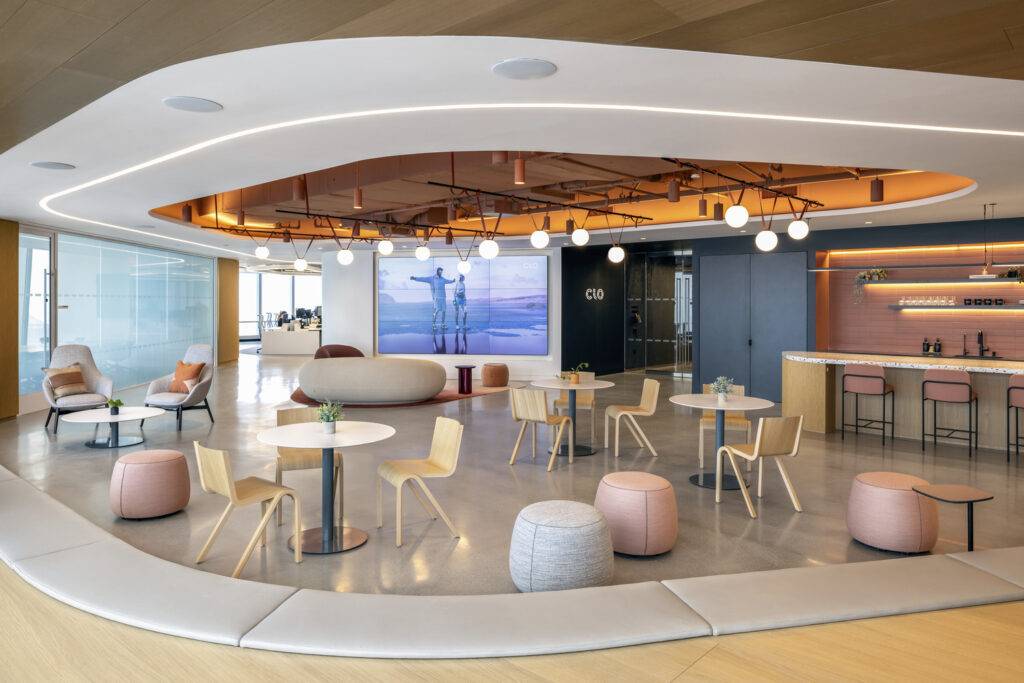
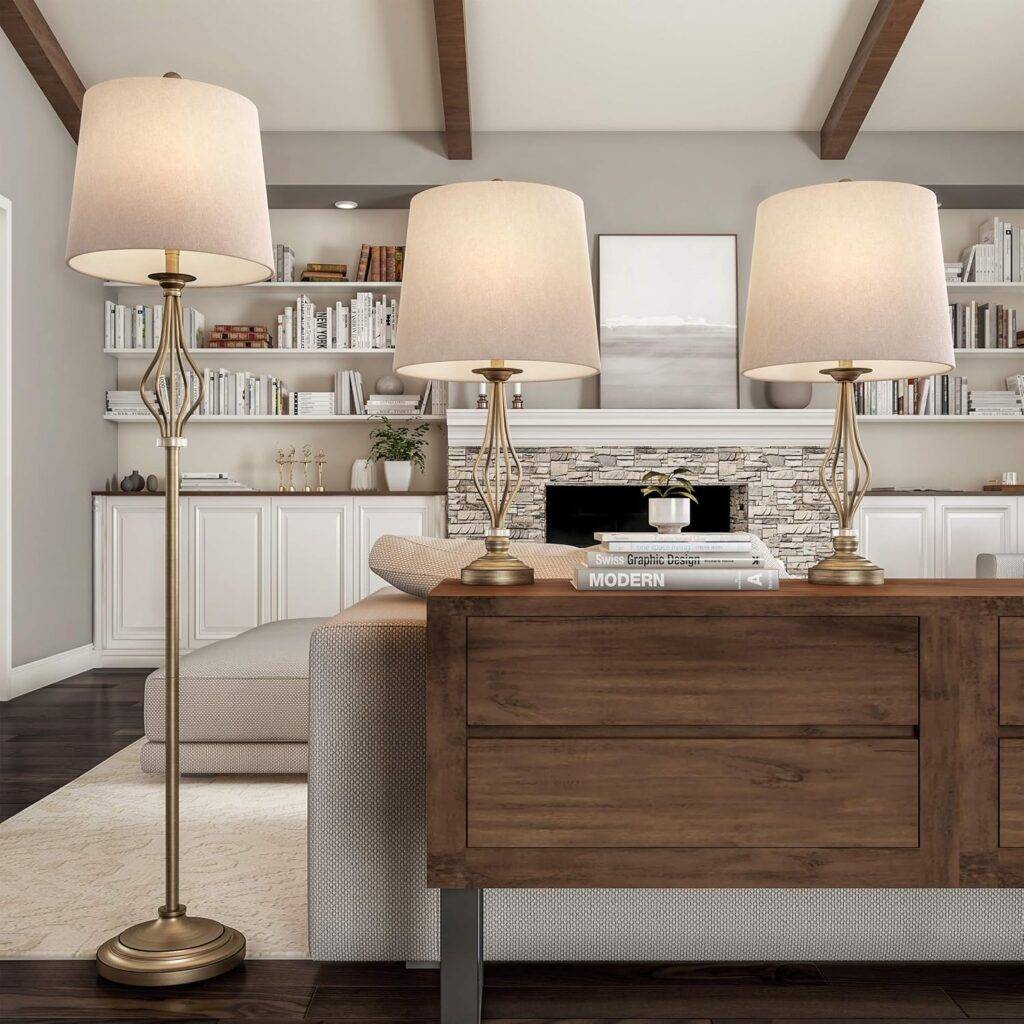
Lighting plays a vital role in transforming any space. It does more than simply illuminate—it creates mood, enhances design, and adds character to homes, workplaces, and public spaces. From functional ceiling fixtures to subtle ambient lighting, the right choice of illumination defines how a space feels and functions.
Among the many lighting trends, decorative string lights have become one of the most versatile and creative options for both indoor and outdoor décor. These small, glowing bulbs strung together bring warmth, charm, and a touch of magic to any setting. Whether draped across walls, wrapped around trees, or used to frame mirrors, string lights can instantly elevate an environment’s atmosphere.
This comprehensive article explores the world of lighting and decorative string lights—their importance, types, applications, styles, and how they can enhance mood, functionality, and aesthetics in modern spaces.
1. Understanding Lighting in Interior Design
1.1. The Importance of Lighting
Lighting is one of the most powerful tools in interior design. It highlights architectural features, sets the tone of a room, and affects how colors and materials are perceived. Proper lighting enhances comfort, functionality, and visual harmony.
Key functions of lighting include:
-
Illumination: Providing sufficient brightness for visibility and tasks.
-
Ambience: Creating atmosphere and emotional impact.
-
Aesthetics: Highlighting design elements and artwork.
-
Functionality: Improving safety and usability.
1.2. Types of Lighting
Lighting design typically incorporates three main layers:
-
Ambient Lighting: General illumination that brightens up a room evenly—usually provided by ceiling fixtures or recessed lights.
-
Task Lighting: Focused light for specific activities like reading, cooking, or studying (e.g., desk lamps, pendant lights).
-
Accent Lighting: Used to emphasize décor features, such as artwork, textured walls, or architectural details.
Decorative string lights often combine all three elements—they provide subtle ambient glow, act as accent décor, and can even serve as task lighting in creative setups.
2. Decorative String Lights: Small Details, Big Impact
2.1. What Are Decorative String Lights?
Decorative string lights, sometimes called fairy lights or festoon lights, are small bulbs connected along a flexible wire or cord. They come in various shapes, sizes, and colors—ranging from tiny LED beads to vintage Edison bulbs—and are used for decorative illumination in homes, gardens, and events.
2.2. The Growing Popularity of String Lighting
Originally associated with festivals and outdoor events, string lights are now a year-round décor choice. Their popularity has grown due to:
-
Energy efficiency: With LED technology, they consume minimal power.
-
Versatility: Suitable for both indoor and outdoor spaces.
-
Affordability: Easy to install without expensive fixtures.
-
Aesthetic appeal: Provide a warm, cozy glow that enhances any setting.
3. Types of Decorative String Lights
String lights are available in numerous styles to suit various design needs and environments.
3.1. LED String Lights
Energy-efficient and long-lasting, LED string lights are the most common choice. They emit minimal heat, making them safe for prolonged use and suitable for both indoor and outdoor decoration.
3.2. Fairy Lights
These delicate lights are perfect for bedrooms, mirrors, or curtain backdrops. They add a soft, whimsical glow ideal for creating cozy, romantic spaces.
3.3. Globe String Lights
Characterized by round bulbs, globe string lights are popular for patios, gardens, and cafes. Their soft glow creates a festive yet elegant look.
3.4. Edison Bulb String Lights
Inspired by vintage design, Edison-style bulbs feature exposed filaments, offering a rustic and industrial charm. They work beautifully in restaurants, outdoor terraces, or modern rustic interiors.
3.5. Solar-Powered String Lights
An eco-friendly option that uses solar panels to recharge during the day, eliminating the need for electrical outlets—perfect for outdoor gardens and pathways.
3.6. Color-Changing String Lights
These dynamic lights can shift colors using remote or smart control, allowing customized ambience for parties or special occasions.
4. Applications of Decorative String Lights
4.1. Indoor Applications
-
Living Rooms:
String lights add warmth and depth, especially when wrapped around mirrors, bookshelves, or curtain rods. -
Bedrooms:
Hang fairy lights around headboards, windows, or bed canopies for a calming, dreamlike glow. -
Dining Areas:
Use globe lights or hanging strands above dining tables to create intimate lighting for family gatherings. -
Home Offices:
Subtle LED strands can enhance focus and reduce eye strain without harsh brightness. -
Hallways and Stairs:
String lights along stair railings or hallway trims create a welcoming path of soft illumination.
4.2. Outdoor Applications
-
Patios and Balconies:
Globe or Edison bulb strings instantly transform outdoor seating areas into cozy hangout spots. -
Gardens and Lawns:
Wrap string lights around trees, shrubs, or fences for a magical evening effect. -
Pathways and Driveways:
Solar string lights guide guests safely while adding decorative flair. -
Gazebos and Pergolas:
Drape lights overhead for a romantic and inviting ambiance. -
Events and Parties:
String lights are essential for weddings, festivals, and birthdays—creating enchanting atmospheres with minimal effort.
5. Lighting Psychology: The Mood and Emotion Behind Light
Lighting influences human emotions and behavior. Warm light creates a sense of relaxation, while cool light promotes focus and alertness. Decorative string lights typically emit warm, golden tones—ideal for comfort and serenity.
5.1. Warm vs. Cool Lighting
-
Warm White (2000K–3000K): Cozy and inviting; best for bedrooms and lounges.
-
Neutral White (3500K–4100K): Balanced brightness; suitable for kitchens or studies.
-
Cool White (5000K+): Crisp and energizing; commonly used in task areas.
5.2. Creating Ambience Through Lighting Layers
Combining overhead lights with string lights and table lamps produces a multi-dimensional lighting effect. This layering enhances comfort and adaptability, allowing mood changes from bright and active to soft and restful.
6. How to Style Decorative String Lights
6.1. On Walls and Ceilings
Hang string lights vertically like curtains or drape them across ceilings to mimic starry skies.
6.2. Around Mirrors and Frames
Outline mirrors or artwork with soft fairy lights to create glowing focal points that emphasize reflection and design.
6.3. On Shelves or Furniture
Thread lights through bookshelves, cabinets, or headboards for subtle, functional illumination.
6.4. In Glass Jars or Bottles
Place LED lights inside transparent jars or bottles to create charming DIY lanterns or table centerpieces.
6.5. Outdoors
Wrap string lights around trees, pergolas, or fences to design festive environments for evenings and celebrations.
7. Safety and Maintenance of Decorative String Lights
7.1. Safety Tips
-
Use indoor-rated lights indoors and weatherproof options outdoors.
-
Avoid overloading sockets or using damaged cords.
-
Keep lights away from flammable materials.
-
Use low-voltage LEDs to minimize risk and energy consumption.
-
Turn off or unplug lights when not in use.
7.2. Maintenance
Clean bulbs gently with dry cloths and check for loose connections before reuse. Proper storage prevents tangling and prolongs lifespan.
8. Energy Efficiency and Sustainability in Lighting
Energy-efficient lighting not only saves costs but also benefits the environment.
8.1. Benefits of LED Technology
-
Up to 80% less energy consumption than traditional bulbs.
-
Longer lifespan (up to 50,000 hours).
-
Low heat emission for safety and comfort.
8.2. Solar Lighting
Solar-powered string lights rely on renewable energy, reducing electricity bills and carbon footprints—ideal for sustainable home décor.
8.3. Smart Lighting Systems
Integrating decorative string lights into smart home systems allows remote control, timers, and dimming functions, making lighting both eco-friendly and convenient.
9. Lighting Trends in Modern Design
Lighting trends evolve with technology, lifestyle, and design innovations.
9.1. Minimalist and Hidden Lighting
Invisible LED strips installed under shelves, stairs, or furniture provide subtle illumination without visible fixtures.
9.2. Layered Lighting
Combining multiple light sources—pendants, string lights, and recessed lights—adds depth and visual interest.
9.3. Biophilic Lighting
Designs that mimic natural sunlight improve well-being and productivity. Pairing plants with string lights supports this organic aesthetic.
9.4. Artistic Light Installations
String lights arranged in creative patterns or combined with wall art serve as both functional lighting and artistic expression.
10. Choosing the Right Lighting for Every Mood
Lighting selection depends on the activity and emotional atmosphere you wish to create.
| Mood/Activity | Best Lighting Type | Recommended Color Temperature |
|---|---|---|
| Relaxation | Warm string lights, table lamps | 2700K |
| Focus/Study | Task lamps, cool LED | 4000K–5000K |
| Romance | Fairy lights, candles | 2200K–2700K |
| Social Gatherings | Globe or Edison strings | 3000K–3500K |
| Outdoor Evenings | Solar string lights | 2700K–3000K |
By layering lighting properly, you can create adaptive spaces that transition seamlessly between work, rest, and celebration.
11. The Aesthetic Value of Decorative Lighting
Lighting doubles as décor. String lights in particular serve as design statements, not just illumination tools.
11.1. Visual Harmony
When matched with color palettes and textures, lighting enhances a room’s visual balance.
11.2. Highlighting Architecture
Use string lights to accentuate ceilings, arches, or balconies. This subtle highlighting adds drama and depth to design.
11.3. Artistic Creativity
Decorative string lights allow DIY expression—arranging patterns, spelling words, or framing art pieces to reflect individual creativity.
12. The Role of Lighting in Outdoor Living Spaces
Outdoor lighting extends living areas beyond interior walls, allowing comfort and entertainment in natural settings.
12.1. Patio and Garden Lighting
Combine string lights with lanterns or garden lamps to create tranquil outdoor retreats.
12.2. Pathway Lighting
Solar or LED string lights illuminate paths safely while adding visual rhythm to landscapes.
12.3. Festive and Event Lighting
For weddings or celebrations, draped string lights across canopies or trees offer elegance and intimacy.
13. Cost and Efficiency Considerations
Lighting is an investment that affects long-term expenses. LED string lights, though slightly more expensive initially, offer far greater efficiency and longevity than incandescent bulbs.
13.1. Average Lifespan
-
LED String Lights: Up to 50,000 hours
-
Incandescent: 1,000–2,000 hours
13.2. Maintenance Costs
Low voltage and heat output reduce maintenance and replacement frequency, saving energy and time.
14. Lighting and Sustainability in Modern Design
Sustainable design incorporates lighting that is efficient, recyclable, and adaptable. Designers now focus on:
-
Smart timers and dimmers for energy management.
-
Recyclable materials for fixtures and bulbs.
-
Solar-integrated designs that blend technology and nature.
Decorative string lights embody this balance of sustainability and aesthetics—offering beauty without compromising the planet.
15. Future of Lighting and Decorative Design
Emerging technologies are reshaping how lighting interacts with architecture and lifestyle.
15.1. Smart LEDs and IoT Integration
Smart string lights controlled via mobile apps or voice commands adjust brightness, color, and scheduling effortlessly.
15.2. Sustainable Materials
Designers are introducing biodegradable or recycled components for eco-conscious lighting.
15.3. Experiential Lighting
Interactive installations that respond to movement, sound, or mood enhance user experience and personalization.
Conclusion
Lighting defines the soul of any space. Beyond simple functionality, it creates emotion, depth, and personality. Among all lighting options, decorative string lights stand out for their versatility, charm, and accessibility. They fit seamlessly into homes, gardens, and events—offering endless possibilities for creativity and expression.
By combining modern technology, energy efficiency, and thoughtful design, string lights transform ordinary spaces into warm, inspiring environments. Whether you’re illuminating a cozy bedroom corner or decorating an open-air patio, these twinkling strands remind us that light isn’t just about brightness—it’s about atmosphere, emotion, and connection.
Lighting and decorative string lights together shape spaces that feel alive, comforting, and uniquely personal—proving that sometimes, the smallest lights create the biggest impact.