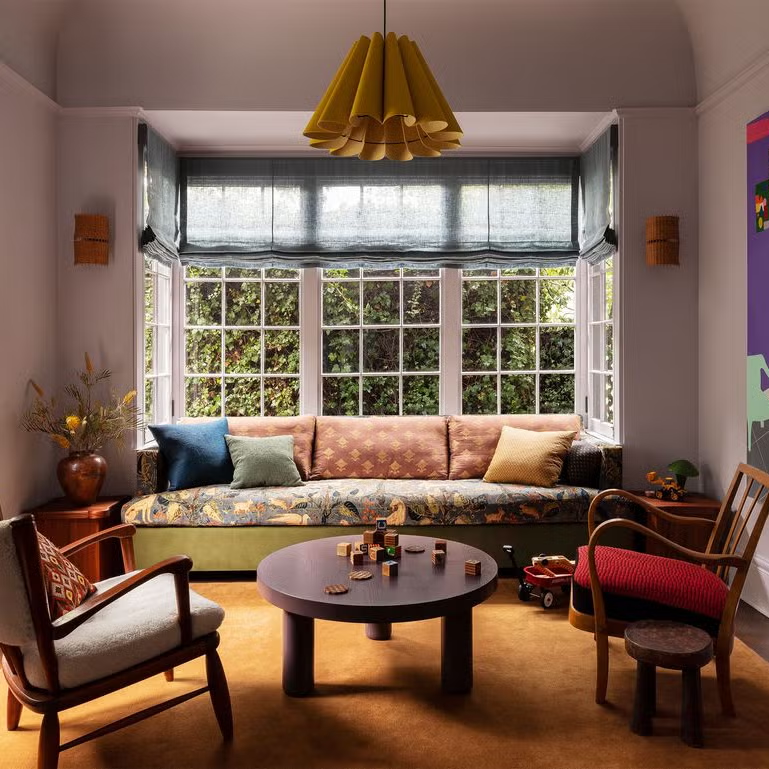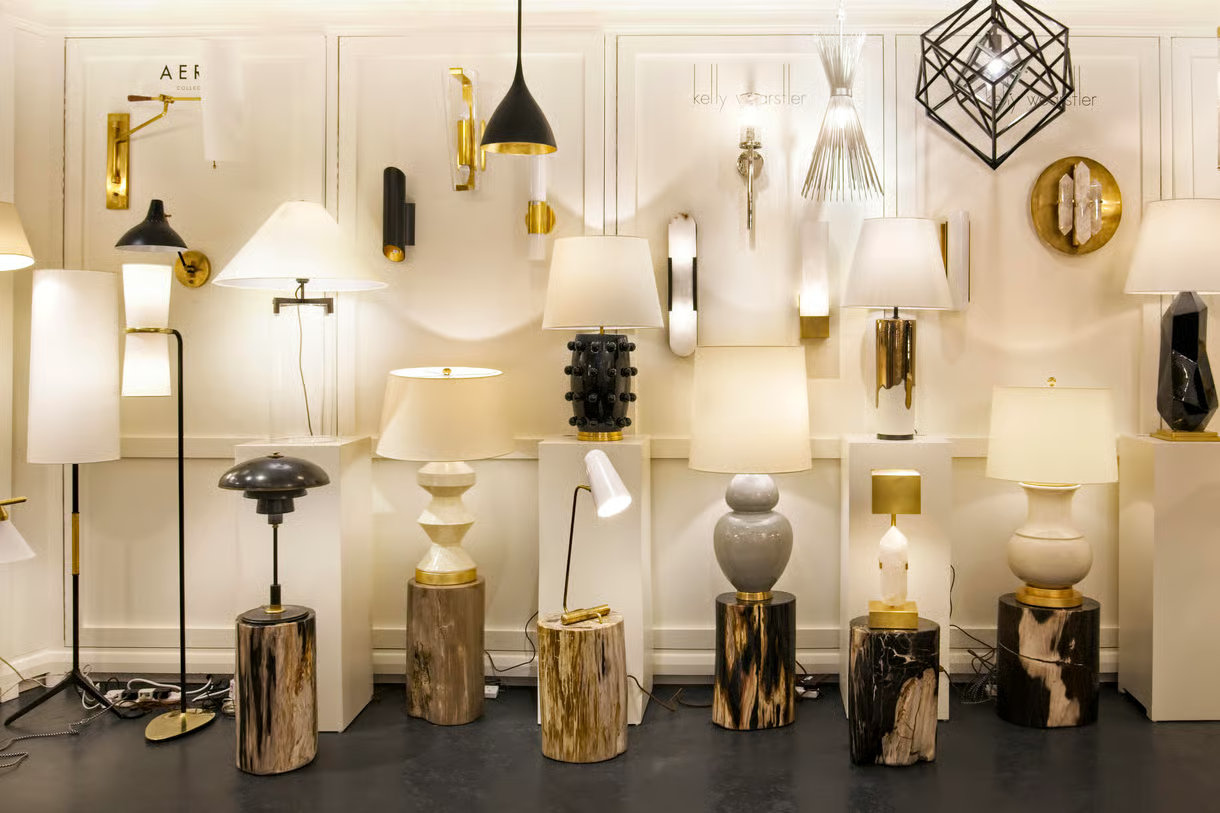
Home décor is more than just a visual experience—it’s a way of life. The way you design and decorate your home reflects your personality, taste, and lifestyle. Whether you prefer a modern minimalist style, a rustic farmhouse look, or a luxurious classic interior, home décor helps transform a house into a warm, welcoming, and functional space.
One of the most effective ways to enhance home décor is through decorative accessories. These are the finishing touches that bring rooms to life—adding color, texture, balance, and emotion. From wall art and cushions to vases, mirrors, and sculptures, the right accessories can elevate even the simplest interiors into something unique and inspiring.
In this comprehensive guide, we’ll explore the meaning and importance of home décor, the role of decorative accessories, popular design styles, and expert tips to create spaces that are not only beautiful but also deeply personal.
1. Understanding Home Décor
1.1. What Is Home Décor?
Home décor refers to the arrangement and selection of furniture, color schemes, materials, and accessories to achieve a specific style or atmosphere within a home. It includes every visual and functional element—furniture, lighting, textiles, artwork, wall finishes, and more.
Good home décor combines aesthetic appeal with comfort and functionality. It’s about creating spaces that make you feel comfortable, inspired, and happy.
1.2. The Purpose of Home Décor
Home décor serves several key purposes:
-
Expressing personality: Every choice—from wall colors to accessories—reflects the homeowner’s tastes and preferences.
-
Enhancing comfort: Thoughtful decoration creates spaces that are cozy and welcoming.
-
Improving functionality: Design choices such as lighting, storage, and furniture arrangement optimize daily living.
-
Increasing property value: Well-decorated homes are more appealing to buyers and renters.
1.3. Elements of Home Décor
Successful decoration involves balancing multiple elements:
-
Color: Sets the mood—calm neutrals, vibrant hues, or soft pastels.
-
Texture: Adds depth through fabrics, materials, and finishes.
-
Pattern: Creates visual rhythm in wallpapers, cushions, or rugs.
-
Lighting: Defines ambiance and highlights décor pieces.
-
Space: Ensures every item complements rather than crowds the room.
2. Decorative Accessories: The Art of Detailing
2.1. What Are Decorative Accessories?
Decorative accessories are objects added to a room to enhance its look and character. They’re the details that complete the décor—small but powerful elements that make a big difference. Accessories can be temporary or easily changeable, allowing flexibility with trends and seasons.
Examples include:
-
Wall art and paintings
-
Decorative mirrors
-
Cushions and throws
-
Candles and holders
-
Vases and floral arrangements
-
Sculptures and figurines
-
Rugs and carpets
-
Table décor and centerpieces
2.2. Why Decorative Accessories Matter
Accessories personalize your home. They tell stories, create visual interest, and set the tone for each space. A well-placed vase, a striking lamp, or a thoughtfully chosen rug can turn an ordinary room into a stylish and comfortable haven.
Here’s why they’re essential:
-
Add personality and warmth
-
Enhance visual balance and symmetry
-
Create focal points
-
Introduce color, pattern, and texture
-
Offer versatility with changing trends
2.3. How to Choose the Right Accessories
When selecting decorative items, balance is key. Too many can create clutter, while too few may make a room feel incomplete. Here are some simple rules:
-
Follow a theme: Stick to one consistent style—modern, rustic, bohemian, etc.
-
Consider proportion: Accessories should suit the size of the space and furniture.
-
Play with color: Choose colors that contrast or complement existing tones.
-
Mix textures: Combine glass, metal, fabric, and wood for rich visual appeal.
-
Rotate seasonally: Update your décor with seasonal touches like flowers, candles, and textiles.
3. Key Decorative Accessories for Every Room
Different rooms serve different functions, and the choice of accessories should enhance those roles.
3.1. Living Room Accessories
The living room is often the most decorated space—it’s where comfort meets aesthetics.
Popular accessories include:
-
Cushions and throws for texture and comfort
-
Area rugs to define seating zones
-
Wall art or framed photos for personality
-
Statement lighting such as chandeliers or floor lamps
-
Coffee table décor: books, candles, or trays for layering
3.2. Bedroom Décor Accessories
Bedrooms benefit from soothing and personal décor.
Include:
-
Soft bedding and cushions to create a cozy atmosphere
-
Bedside lamps for warm lighting
-
Wall décor or mirrors to open up space
-
Plants or floral vases for freshness
-
Decorative storage baskets to keep clutter minimal
3.3. Dining Room and Kitchen Accessories
These spaces blend functionality with charm.
Consider:
-
Table runners and placemats
-
Centerpieces like fruit bowls or candle holders
-
Wall clocks or framed artwork
-
Shelving with glassware or ceramics on display
-
Pendant lights for style and mood
3.4. Bathroom Accessories
Even small spaces like bathrooms can benefit from decoration:
-
Scented candles and diffusers for relaxation
-
Towel racks and baskets for organization
-
Wall mirrors and art prints
-
Decorative soap dispensers or trays
3.5. Entryway and Hall Décor
The entryway creates the first impression of your home.
Add:
-
Console tables with vases or lamps
-
Mirrors to make the area feel larger
-
Rugs or runners for color and comfort
-
Hooks and shelves for function and style
4. Popular Home Décor Styles and How to Accessorize Them
Each interior design style has its own personality, and the right accessories help express it perfectly.
4.1. Modern and Contemporary
Characterized by clean lines, minimal clutter, and neutral palettes.
-
Use metallic accents, abstract art, and geometric décor.
-
Keep accessories simple and functional.
4.2. Bohemian
Free-spirited and colorful, Bohemian décor thrives on variety.
-
Layer textiles, cushions, and throws in diverse patterns.
-
Add plants, lanterns, and ethnic art for an eclectic feel.
4.3. Scandinavian
Known for simplicity and functionality.
-
Use light wood tones, neutral colors, and minimal décor.
-
Add cozy textures like wool rugs or linen cushions.
4.4. Industrial
Inspired by warehouses and urban lofts.
-
Incorporate metal frames, exposed bulbs, and leather furniture.
-
Accessorize with clocks, iron sculptures, and raw wood elements.
4.5. Traditional and Classic
Elegant and timeless.
-
Choose ornate mirrors, chandeliers, and framed art.
-
Use rich fabrics like velvet and silk.
4.6. Rustic and Farmhouse
Warm and natural.
-
Decorate with wooden accessories, vintage jars, and woven baskets.
-
Add handcrafted pottery and linen fabrics.
5. The Psychology of Home Décor and Color
Colors and accessories influence how we feel within a space. The psychology behind décor is essential in creating the right mood.
5.1. Colors and Their Impact
-
Blue: Calm and peaceful—great for bedrooms.
-
Green: Refreshing and balanced—ideal for living spaces.
-
Yellow: Energetic and happy—perfect for kitchens.
-
White: Clean and open—used in modern or minimalist interiors.
-
Gray: Sophisticated and neutral—balances bold accessories.
5.2. Textures and Emotions
Smooth glass or metal adds modern sophistication, while natural textures like jute, rattan, and wood evoke warmth and relaxation. Combining these textures makes interiors more engaging and tactile.
6. Seasonal and Trend-Based Décor Updates
Home décor doesn’t have to be static. Small seasonal updates keep your home feeling fresh and current.
6.1. Spring and Summer
-
Use floral prints, pastel cushions, and fresh flowers.
-
Add lightweight throws and woven baskets.
6.2. Autumn and Winter
-
Choose warm tones like terracotta, mustard, and burgundy.
-
Incorporate candles, soft blankets, and rugs.
6.3. Trendy Accessories for Modern Homes
-
Minimalist wall shelves
-
Art-inspired cushions
-
Ceramic vases and planters
-
Eco-friendly décor materials
-
LED candles and smart lighting
7. Sustainability in Home Décor
Sustainability has become a major focus in interior design. Eco-friendly home décor emphasizes natural materials, upcycling, and responsible sourcing.
7.1. Eco-Friendly Materials
Use bamboo, recycled glass, jute, linen, and reclaimed wood. These materials reduce environmental impact and bring natural beauty indoors.
7.2. Upcycling and DIY Décor
Repurpose old furniture or containers into decorative items. For example, glass jars as candle holders or old ladders as shelving units.
7.3. Green Accessories
Indoor plants are among the most sustainable décor items. They purify the air, add color, and bring life into any room.
8. How Lighting Enhances Decorative Accessories
Lighting influences how décor is perceived. A well-lit space highlights accessories and creates atmosphere.
8.1. Natural Light
Maximize daylight through sheer curtains and mirrors that reflect sunlight.
8.2. Ambient and Task Lighting
Use ceiling lights, table lamps, and wall sconces to create layers of illumination.
8.3. Accent Lighting
Spotlights and LED strips emphasize art pieces, sculptures, or wall textures—perfect for showcasing decorative accessories.
9. Tips for a Balanced and Stylish Home Décor
-
Start with a neutral base and build with color through accessories.
-
Use symmetry to create harmony in living spaces.
-
Group smaller accessories in odd numbers for visual interest.
-
Mix old and new items for character and depth.
-
Don’t overcrowd—let each piece breathe.
-
Maintain consistency across rooms for flow.
-
Incorporate greenery to bring freshness and balance.
10. The Role of Decorative Accessories in Modern Lifestyles
As homes evolve into multipurpose spaces for work, relaxation, and socializing, décor must be both practical and aesthetic. Accessories allow flexibility—they can easily refresh a space without full renovation. For example:
-
Adding a mirror can make a small room feel spacious.
-
A rug can define zones in open-plan layouts.
-
Art pieces can motivate creativity in home offices.
Today’s homeowners value functionality as much as beauty. The modern approach to décor emphasizes simplicity, personalization, and sustainability.
11. The Future of Home Décor and Accessories
Home décor continues to evolve with trends, lifestyles, and technology.
11.1. Smart Décor Elements
Smart lighting, digital art frames, and automated curtains are integrating design with convenience.
11.2. Personalized Spaces
AI-based design tools and 3D visualization software help homeowners customize décor before purchase.
11.3. Global Influences
Cultural fusion is shaping interior design—mixing Scandinavian minimalism with Asian zen or Mediterranean warmth.
12. Conclusion
Home décor and decorative accessories work hand in hand to define a home’s personality. While furniture creates structure, accessories bring character and soul. From wall art and mirrors to cushions and candles, every piece contributes to the story of your space.
Thoughtful decoration is not about filling every corner—it’s about creating harmony, expressing identity, and enhancing comfort. Whether you’re redesigning your living room or refreshing your bedroom, the right accessories can transform ordinary spaces into extraordinary experiences.
Ultimately, home décor is a reflection of who you are—and with the right decorative accessories, you can create a home that not only looks beautiful but also feels genuinely yours.