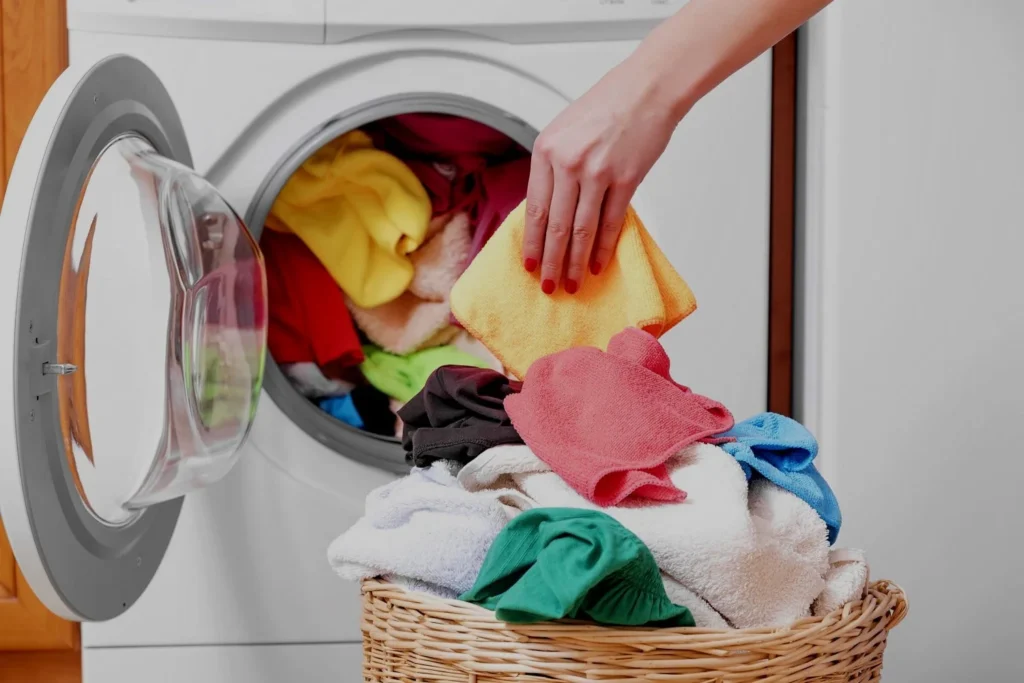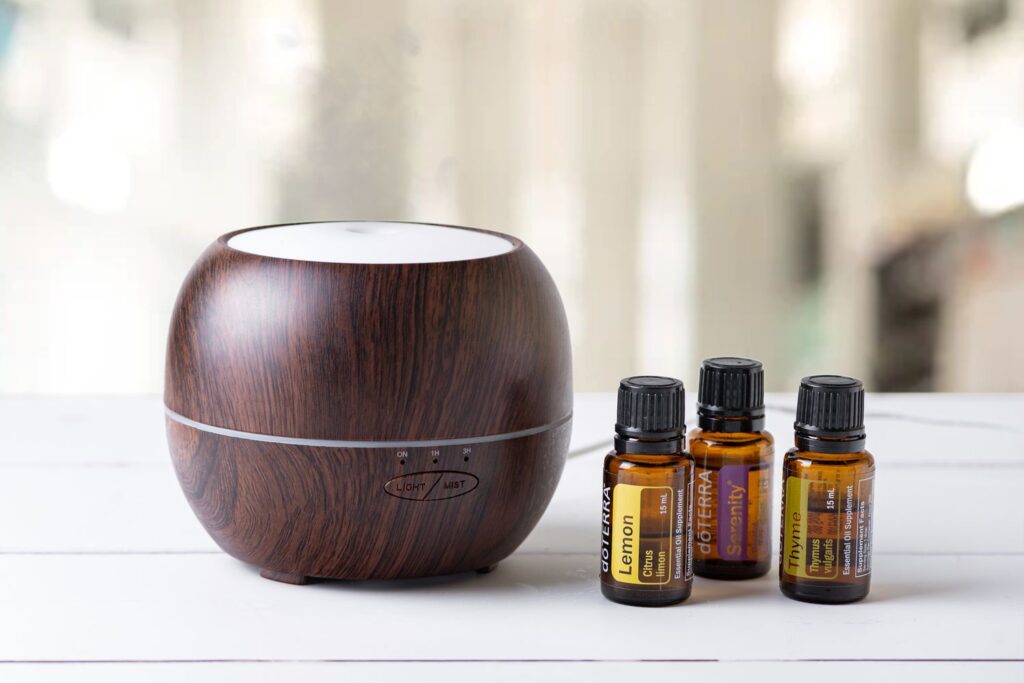
Keeping a clean and organized home is one of the most important aspects of comfortable living. Cleanliness not only enhances the appearance of a space but also contributes to better hygiene, improved health, and peace of mind. In today’s fast-paced world, maintaining cleanliness is made easier with a variety of cleaning tools and supplies that simplify the process and improve results.
Whether it’s daily chores, seasonal cleaning, or deep sanitization, the right combination of cleaning equipment, tools, and supplies ensures efficiency and effectiveness. This comprehensive guide explores everything about cleaning tools and supplies, their importance, uses, and best practices for maintaining a hygienic home environment.
1. Understanding Cleaning & Household Management
A clean household is the foundation of a healthy and harmonious life. Cleaning & household management involves daily, weekly, and seasonal activities that aim to maintain hygiene, order, and comfort.
These tasks range from dusting and mopping to disinfecting and organizing. Using the right cleaning tools and supplies helps streamline these tasks, ensuring time efficiency and thorough results.
Core Components of Cleaning & Household Care:
-
Cleaning Tools: Physical instruments used for cleaning surfaces, fabrics, and spaces.
-
Cleaning Supplies: Chemical or natural agents that remove dirt, stains, and microbes.
-
Household Organization: Structuring spaces for functionality and cleanliness.
-
Maintenance: Regular upkeep to preserve home hygiene and longevity.
2. Importance of Cleaning Tools and Supplies
Cleaning tools and supplies play complementary roles in household care. Tools assist with manual cleaning, while supplies enhance cleaning efficiency through chemical or natural actions.
Why They Matter:
-
Improve Efficiency: Make cleaning faster and more effective.
-
Enhance Hygiene: Eliminate germs, allergens, and bacteria.
-
Extend Surface Life: Proper care prevents wear and damage to furniture and floors.
-
Support Sustainability: Eco-friendly supplies reduce chemical waste.
-
Promote Health: Regular cleaning reduces dust, mold, and contaminants.
3. Essential Cleaning Tools for Every Home
The right cleaning tools make household maintenance smoother, faster, and more effective. Below are the must-have tools for general and specialized cleaning tasks.
3.1 Brooms and Brushes
Brooms are essential for sweeping dust, dirt, and debris from floors, patios, and entryways.
Types:
-
Soft Brooms: Ideal for smooth indoor floors.
-
Hard Bristle Brooms: Best for outdoor and rough surfaces.
-
Dust Brushes: Handy for small areas or furniture.
3.2 Mops and Buckets
Mops are vital for cleaning liquid spills and maintaining clean, shiny floors.
Common Types:
-
String Mop: Traditional and absorbent.
-
Flat Mop: Lightweight and ideal for daily cleaning.
-
Spray Mop: Convenient with built-in liquid dispenser.
-
Spin Mop: Includes bucket with wringer for effortless drying.
Tip: Use microfiber mop heads for better dirt trapping and quick drying.
3.3 Vacuum Cleaners
Vacuum cleaners save time and provide deep cleaning for carpets, rugs, and upholstery.
Types:
-
Upright Vacuums: Suitable for large carpeted spaces.
-
Canister Vacuums: Versatile for different surfaces.
-
Handheld Vacuums: Ideal for quick spot cleaning.
-
Robot Vacuums: Automated cleaning with sensors.
Modern vacuum cleaners often include HEPA filters that trap dust and allergens.
3.4 Dusters and Cloths
Dusting tools keep surfaces free from fine particles.
Types:
-
Microfiber Cloths: Capture dust without spreading it.
-
Feather Dusters: Great for delicate items.
-
Electrostatic Dusters: Attract and hold dust efficiently.
Microfiber cloths are reusable, making them an eco-friendly cleaning choice.
3.5 Scrubbers and Sponges
Used for cleaning kitchen countertops, bathrooms, and tough stains.
Popular Variants:
-
Sponge Scrubbers: Soft on surfaces, ideal for dishes.
-
Steel Wool Pads: Great for greasy pans.
-
Magic Erasers: Remove stubborn marks and grime.
-
Tile Brushes: For grout and bathroom floors.
3.6 Cleaning Gloves and Protective Gear
Protective gear safeguards the user from harsh chemicals and bacteria.
Essentials Include:
-
Rubber Gloves: For wet cleaning tasks.
-
Face Masks: While dusting or using strong chemicals.
-
Aprons: Prevent stains on clothing.
Safety gear ensures hygiene and comfort during cleaning sessions.
3.7 Waste Disposal Tools
A clean home requires proper waste management.
Tools Include:
-
Trash Bins: Separate for recyclables, organic, and non-recyclable waste.
-
Garbage Bags: Eco-friendly, biodegradable options preferred.
-
Compost Bins: For kitchen waste and garden use.
4. Cleaning Supplies: The Chemistry of Clean
While cleaning tools handle the physical removal of dirt, cleaning supplies ensure effective sanitation and disinfection.
Categories of Cleaning Supplies:
-
Detergents: Remove grease and oil-based dirt.
-
Disinfectants: Kill germs and bacteria.
-
Glass Cleaners: Provide streak-free shine.
-
Multi-Surface Cleaners: Suitable for multiple materials.
-
Bleach & Sanitizers: Used for deep disinfection.
-
Natural Cleaners: Made from vinegar, lemon, or baking soda.
5. Kitchen Cleaning Tools and Supplies
The kitchen is one of the busiest and most sensitive areas of the home. Regular cleaning prevents contamination and maintains hygiene.
Essential Tools:
-
Scrub brushes
-
Dishwashing sponges
-
Drain cleaner tools
-
Kitchen mop
-
Microfiber cloths
Supplies:
-
Dish soap
-
Degreaser sprays
-
Baking soda and vinegar (natural cleaners)
-
Disinfecting wipes
6. Bathroom Cleaning Tools and Supplies
Bathrooms require special care to prevent mold, mildew, and bacteria buildup.
Tools:
-
Toilet brush and holder
-
Grout scrubber
-
Squeegee for mirrors and glass doors
-
Bucket and mop
Supplies:
-
Disinfectant cleaner
-
Bleach-based cleaner
-
Tile and grout cleaner
-
Air freshener or deodorizer
7. Living Room and Bedroom Cleaning Tools
Tools:
-
Vacuum cleaner
-
Dusters
-
Carpet brush
-
Upholstery cleaner
Supplies:
-
Fabric fresheners
-
Multi-surface spray cleaners
-
Furniture polish
-
Glass cleaner for mirrors and windows
Clean living areas contribute to better air quality and relaxation.
8. Floor Cleaning Essentials
Floors accumulate the most dirt in any home. Each type of flooring requires specific cleaning tools and supplies.
| Floor Type | Tools | Supplies |
|---|---|---|
| Tile Floor | Mop, bucket | pH-neutral floor cleaner |
| Wooden Floor | Soft mop, dry cloth | Wood-safe cleaner |
| Carpet | Vacuum, carpet brush | Carpet shampoo |
| Vinyl | Spray mop | Mild detergent solution |
9. Glass and Window Cleaning Tools
Crystal-clear glass and windows enhance a home’s appearance and allow more natural light.
Tools:
-
Squeegee
-
Microfiber cloth
-
Telescopic handle for high windows
Supplies:
-
Glass cleaner
-
Vinegar-based solution
-
Paper towels
10. Eco-Friendly Cleaning Supplies
Eco-conscious living has inspired the development of sustainable cleaning supplies that protect both health and the environment.
Features:
-
Biodegradable ingredients
-
Recyclable packaging
-
Plant-based formulas
-
Non-toxic fragrances
Common Natural Cleaning Agents:
-
Baking soda (odor removal)
-
Vinegar (disinfectant)
-
Lemon juice (degreaser)
-
Essential oils (natural scent)
11. Organizing Cleaning Tools and Supplies
A well-organized cleaning setup ensures efficiency.
Storage Tips:
-
Use labeled containers for different supplies.
-
Hang brooms and mops on wall racks.
-
Keep chemicals away from children and food.
-
Store supplies in a dry, ventilated area.
Organization saves time and prevents clutter during household chores.
12. Cleaning Tools Maintenance
Proper care extends the life of cleaning equipment.
Maintenance Practices:
-
Wash mop heads and cloths regularly.
-
Replace sponges frequently.
-
Clean vacuum filters and dust containers.
-
Rinse brushes after every use.
-
Store tools dry to prevent mold growth.
13. Safety Precautions When Using Cleaning Supplies
Cleaning chemicals, while effective, must be handled carefully.
Safety Guidelines:
-
Read labels for instructions and dilution ratios.
-
Avoid mixing bleach with ammonia.
-
Wear gloves and masks for protection.
-
Ensure proper ventilation during cleaning.
-
Keep supplies in original containers.
Safety promotes both efficiency and well-being during cleaning activities.
14. Smart Cleaning Tools and Technology
Modern homes are integrating smart cleaning devices to save time and effort.
Examples:
-
Robot Vacuums: Automated floor cleaning.
-
Electric Mops: Power-assisted scrubbing.
-
UV Sanitizers: Sterilize surfaces and gadgets.
-
Smart Air Purifiers: Improve indoor air quality.
These innovations blend technology with convenience for better household management.
15. Industrial vs. Household Cleaning Tools
While household cleaning focuses on daily maintenance, industrial cleaning tools are designed for heavy-duty use in large areas.
| Aspect | Household Tools | Industrial Tools |
|---|---|---|
| Purpose | Light cleaning | Heavy-duty sanitation |
| Equipment | Manual or electric | Industrial vacuums, pressure washers |
| Area | Homes, apartments | Offices, warehouses, hospitals |
| Supplies | Mild detergents | Concentrated chemicals |
16. Common Cleaning Mistakes to Avoid
Even with good tools, improper techniques can reduce cleaning efficiency.
Mistakes Include:
-
Using the same cloth for multiple surfaces.
-
Overusing cleaning agents.
-
Ignoring proper drying of tools.
-
Cleaning in poor ventilation.
-
Mixing incompatible chemicals.
Avoiding these ensures safety, longevity, and effectiveness.
17. Seasonal and Deep Cleaning Tools
Seasonal cleaning requires specialized tools to handle extensive tasks.
Essentials:
-
Pressure washer for outdoor areas.
-
Steam cleaner for upholstery.
-
Window cleaning kit for large glass panes.
-
Carpet shampooer for deep fabric cleaning.
These tools help refresh the home environment during major clean-ups.
18. The Role of Cleaning Supplies in Hygiene and Health
Proper use of cleaning supplies reduces exposure to allergens, dust, and microbes. It supports respiratory health, prevents infections, and promotes overall well-being.
Regular disinfection of touchpoints — doorknobs, switches, and handles — minimizes disease transmission within households.
19. Sustainable Cleaning Habits
Sustainability in cleaning extends beyond eco-friendly products. It’s about developing mindful habits that conserve resources.
Habits Include:
-
Using refillable containers.
-
Reusing microfiber cloths.
-
Avoiding disposable wipes.
-
Recycling packaging.
-
Choosing energy-efficient equipment.
A sustainable approach ensures cleanliness without compromising the environment.
20. The Psychology of Clean Spaces
Clean spaces influence mental well-being. Studies show that organized environments reduce stress, boost productivity, and create a sense of calm.
Routine cleaning fosters mindfulness and satisfaction, making household maintenance an act of self-care rather than a burden.
21. Cleaning Routines for Efficient Household Management
Creating a cleaning schedule helps maintain consistency.
Example Routine:
-
Daily: Dishwashing, surface wiping, sweeping.
-
Weekly: Laundry, mopping, dusting furniture.
-
Monthly: Deep cleaning appliances, windows, and storage.
-
Seasonally: Decluttering, carpet cleaning, and disinfection.
A planned approach ensures no area is overlooked and promotes overall efficiency.
Conclusion: The Foundation of a Clean and Healthy Home
Cleaning is more than a chore — it’s a form of care that nurtures well-being, hygiene, and comfort. Cleaning tools and supplies are the backbone of effective household management, enabling efficiency, safety, and sustainability.
By choosing the right equipment, using eco-friendly products, and maintaining consistent routines, households can create spaces that are not only visually appealing but also health-supportive.
A clean home reflects discipline, mindfulness, and respect for one’s environment — a timeless value that transcends generations.