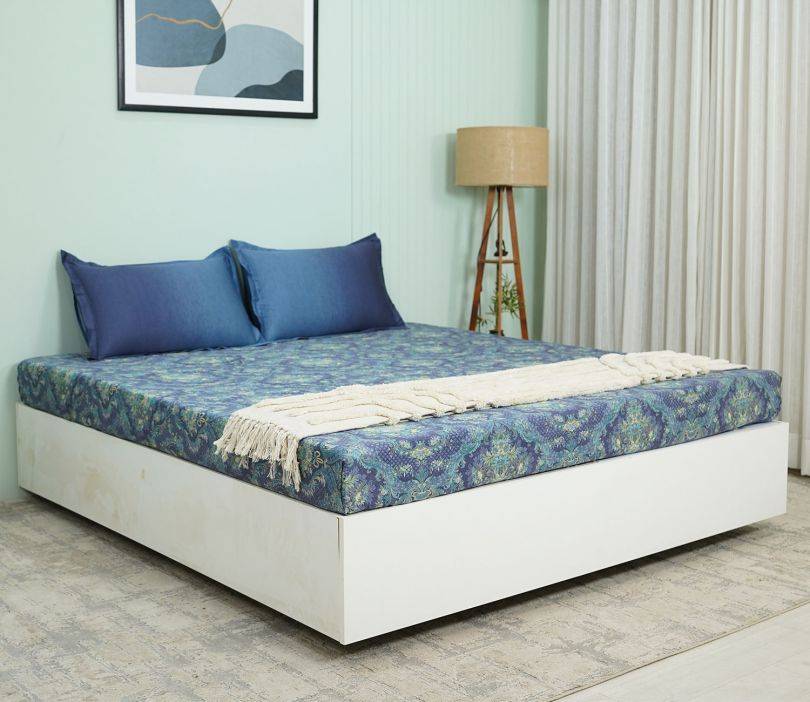
The bedding and bath category represents the core of domestic comfort — blending functionality, cleanliness, and personal style. While the bedroom focuses on softness and relaxation, the bathroom emphasizes hygiene, safety, and design harmony. Among the many elements that define a well-equipped bathroom, shower curtains and mats stand out as everyday essentials that combine purpose with aesthetic appeal.
Though often overlooked, these two components play vital roles: shower curtains provide privacy and water control, while mats ensure safety and comfort underfoot. Together, they contribute to the bathroom’s hygiene, durability, and visual identity.
This comprehensive guide explores how shower curtains and bath mats enhance the bedding and bath experience, including their materials, types, maintenance, and design integration — all written in clear, professional language and grounded in practical insight.
1. The Significance of Bedding & Bath in Home Living
A home’s comfort depends greatly on how its private spaces — the bedroom and bathroom — are designed and maintained. While the bed ensures restful sleep, the bathroom provides cleansing and rejuvenation.
Bedding and bath products reflect a balance between utility and relaxation. Soft towels, absorbent mats, and well-chosen curtains contribute to a sense of care and order. They influence daily routines and can even affect mood and well-being.
When chosen thoughtfully, items like shower curtains and bath mats go beyond their basic purpose — they enhance safety, organization, and interior style.
2. Shower Curtains: More Than Just a Barrier
A shower curtain serves a simple purpose: to keep water contained within the bathing area. Yet, its influence on bathroom design and hygiene is far-reaching. It can transform an ordinary bathroom into a personalized retreat, define color schemes, and maintain cleanliness.
Functions of Shower Curtains
-
Water Containment:
Prevents splashes and moisture from escaping the shower or tub area. -
Privacy:
Offers discretion, especially in shared bathrooms. -
Hygiene Control:
Protects floors from excess water that can lead to mold or slippery surfaces. -
Aesthetic Contribution:
Adds color, texture, or patterns to complement tiles and accessories.
Common Materials for Shower Curtains
The choice of material determines not only appearance but also durability and ease of care.
-
Vinyl (PVC or PEVA):
-
Waterproof and inexpensive.
-
Easy to clean but less breathable.
-
Related terms: plastic shower curtains, waterproof bathroom liners.
-
-
Polyester Fabric:
-
Machine washable and water-resistant.
-
Offers a softer, more fabric-like drape.
-
-
Cotton or Linen Blends:
-
Luxurious texture and aesthetic value.
-
Best paired with a waterproof liner to prevent mildew.
-
-
Eco-Friendly Materials:
-
Hemp, bamboo, or organic cotton options promote sustainability.
-
Biodegradable and chemical-free.
-
Designs and Styles
Modern shower curtains are designed to complement various bathroom themes.
-
Solid Colors: Minimalist and calming — ideal for contemporary interiors.
-
Patterned Prints: Add vibrancy and personality.
-
Textured Weaves: Create depth and a tactile dimension.
-
Transparent or Frosted Curtains: Enhance light while preserving privacy.
-
Customized Prints: Reflect personal taste or align with broader interior motifs.
3. Shower Curtain Liners and Accessories
A shower curtain liner is often used with fabric curtains to prevent water seepage and mildew growth.
Key Features of Liners:
-
Made of vinyl, PEVA, or fabric-coated materials.
-
Include magnetic or weighted bottoms for better stability.
-
Easy to detach and clean.
Accessories That Enhance Functionality:
-
Hooks and Rings: Available in stainless steel, plastic, or decorative finishes.
-
Tension Rods: Adjustable rods that eliminate the need for drilling.
-
Double Rods: Allow separate hanging of the liner and outer curtain.
These accessories enhance both practicality and aesthetics, helping maintain a clean, organized bathroom environment.
4. Maintenance and Hygiene Tips for Shower Curtains
Moisture is unavoidable in bathrooms, making regular cleaning essential to prevent mildew and stains.
Cleaning Routine:
-
Weekly: Wipe with mild soap or a vinegar-water solution.
-
Monthly: Machine wash fabric curtains or rinse vinyl ones with warm water.
-
Drying: Allow curtains to air dry fully to prevent mold growth.
-
Replacement: Change every 6–12 months depending on wear and cleanliness.
Maintaining proper ventilation — such as using exhaust fans or leaving curtains open after use — extends their life and ensures hygiene.
5. Mats: The Groundwork of Bathroom Safety and Comfort
Just as shower curtains protect the bathroom from splashes, mats protect users from slips and discomfort. They also add warmth and texture to what is often a cold, tiled environment.
Functions of Bathroom Mats
-
Safety:
Prevent slips on wet floors by providing traction. -
Absorption:
Soak up water after showers to keep floors dry. -
Comfort:
Provide a soft, cushioned surface underfoot. -
Aesthetic Value:
Tie together bathroom décor elements with color and texture. -
Hygiene:
Help contain moisture, reducing mold risk and preserving cleanliness.
Types of Bathroom Mats
1. Bath Mats
Placed outside the shower or tub to absorb water. Usually made from absorbent, quick-drying materials such as:
-
Cotton: Soft and easy to wash.
-
Microfiber: Fast-drying and durable.
-
Bamboo: Natural, water-resistant, and eco-friendly.
-
Chenille: Plush texture and strong absorption.
2. Shower Mats
Designed for use inside the shower area to prevent slipping. Typically made from rubber, PVC, or anti-slip silicone.
3. Memory Foam Mats
Provide cushioning and retain shape, offering added comfort in front of sinks or dressing areas.
4. Decorative Mats
Used primarily for aesthetics; often coordinate with towels or curtains to unify the look of the bathroom.
6. Choosing the Right Bath Mat
When selecting a mat, consider the following factors:
-
Material Quality:
-
Absorbent for exterior use, non-slip for interior.
-
Prefer materials with anti-microbial or quick-dry properties.
-
-
Size and Fit:
-
Should match bathroom layout — not too bulky or undersized.
-
-
Backing Type:
-
Rubber or latex backing prevents slipping but should be well-ventilated.
-
-
Ease of Cleaning:
-
Machine-washable mats simplify maintenance.
-
-
Aesthetic Design:
-
Match with shower curtains, towels, or wall colors for a cohesive appearance.
-
7. Caring for Bathroom Mats
Like towels, mats require consistent care to stay fresh and functional.
Maintenance Tips:
-
Wash weekly to remove soap residue and bacteria.
-
Dry thoroughly before placing back to prevent mildew.
-
Shake out excess water after each use.
-
Avoid fabric softeners, as they reduce absorbency.
-
Replace mats every 6–12 months based on use.
Proper care ensures longevity and maintains hygiene in damp environments.
8. The Aesthetic Connection Between Shower Curtains and Mats
The visual harmony between shower curtains and mats defines a bathroom’s overall appearance. Coordinating these two elements creates a balanced and pleasing atmosphere.
Design Harmony Ideas:
-
Match colors for a uniform, minimalist style.
-
Use contrasting tones for visual interest.
-
Combine solid-colored mats with patterned curtains for balance.
-
Experiment with textures — pairing plush mats with sleek, plain curtains.
-
Align patterns or motifs (e.g., stripes, florals, geometric prints) for thematic cohesion.
Coordinated bedding and bath textiles bring cohesion across private spaces — uniting bedrooms, bathrooms, and even adjoining areas through consistent style choices.
9. Sustainable and Eco-Friendly Options
As sustainability grows in importance, manufacturers now offer environmentally responsible bathroom products.
Eco-Friendly Shower Curtains:
-
Made from PEVA, EVA, or hemp — free from harmful chemicals like PVC.
-
Some are biodegradable and recyclable.
Eco-Friendly Mats:
-
Bamboo mats: Naturally resistant to water and mold.
-
Organic cotton mats: Sustainably produced and compostable.
-
Cork and jute mats: Renewable, durable, and stylish alternatives.
10. Safety and Hygiene in the Bathroom Environment
Bathrooms are high-moisture spaces prone to bacterial growth. Maintaining hygiene is essential for health and safety.
Safety Practices:
-
Always keep floors dry.
-
Use anti-slip mats inside showers.
-
Install adequate lighting to prevent falls.
-
Clean and dry shower curtains regularly.
Hygiene Practices:
-
Disinfect bathroom surfaces weekly.
-
Avoid leaving wet towels or mats on the floor.
-
Replace old, discolored curtains or mats.
Maintaining cleanliness not only ensures safety but also enhances the sense of relaxation and freshness associated with personal care spaces.
11. The Role of Color and Texture in Bathroom Design
Color psychology plays a powerful role in interior design — even in bathrooms.
-
Neutral tones (white, beige, gray): Promote calmness and cleanliness.
-
Blue hues: Evoke freshness and tranquility.
-
Green shades: Connect to nature and balance.
-
Bold colors (navy, burgundy): Add modern elegance when used sparingly.
Textured fabrics — such as waffle-weave curtains or plush mats — introduce warmth and depth to tiled or minimal spaces.
12. Emerging Trends in Bedding & Bath Textiles
Modern consumers are prioritizing comfort, sustainability, and minimal maintenance.
Current Trends Include:
-
Quick-Dry Fabrics:
Fast-evaporating fibers prevent mold and odor buildup. -
Anti-Microbial Materials:
Embedded with silver ions or natural agents for hygiene. -
Spa-Inspired Designs:
Neutral palettes, stone textures, and organic fabrics mimic wellness retreats. -
Minimalist Styles:
Focused on simplicity, clean lines, and functional beauty. -
Custom-Fit Curtains and Mats:
Tailored sizing and design personalization for unique spaces.
These innovations show how bedding and bath essentials are evolving toward smarter, healthier living.
13. The Connection Between Bedding & Bath Spaces
The bedroom and bathroom are often designed with shared sensibilities — softness, cleanliness, and relaxation. Coordinating these spaces can create a seamless flow within a home.
-
Color Consistency: Use matching tones between bed linens and bath textiles.
-
Textural Continuity: Linen bedding with cotton towels creates cohesive sensory comfort.
-
Aesthetic Unity: Similar design accents — stripes, neutrals, or monochromes — across both rooms promote harmony.
The relationship between bedding and bath design extends beyond décor; it reflects lifestyle choices centered around comfort and self-care.
14. Practical Organization Tips
Keeping your bathroom neat improves both function and style.
-
Hang curtains evenly to prevent bunching.
-
Store folded mats and backup liners in dry cabinets.
-
Use hooks and organizers for easy curtain removal and cleaning.
-
Keep replacement mats available for rotation.
15. Creating a Balanced Bathroom Environment
A well-balanced bathroom combines utility, safety, and design. The simplest elements — shower curtains and mats — can elevate everyday rituals by creating order, softness, and visual appeal.
Thoughtfully selected textiles reduce stress, enhance mood, and foster comfort, echoing the calm that defines a well-curated bedding and bath experience.
Conclusion: Simplicity, Safety, and Style in Bedding & Bath
The bedding and bath category underscores how everyday details contribute to comfort and quality of life. Shower curtains and mats — though practical — embody the essence of thoughtful home living.
They maintain hygiene, ensure safety, and introduce style through materials, colors, and patterns. When chosen wisely, they transform utilitarian spaces into environments of calm and care.
In the end, true comfort lies not in extravagance, but in the balance of function, cleanliness, and harmony — values reflected in every curtain fold and every step on a well-placed mat.