Water damage is a common property maintenance problem that can affect houses, apartments, and other residential buildings. It may begin with a small plumbing leak, water entering through a roof, poor drainage around the foundation, or flooding after severe weather. Although some problems are immediately visible, others develop slowly behind walls, beneath floors, or around fireplaces and chimneys.
For homeowners in the USA and UK, water damage can lead to damaged plaster, weakened timber, stained ceilings, ruined flooring, and mold growth. If moisture reaches a fireplace or chimney, it can also affect masonry, mortar joints, the firebox, and nearby interior finishes. Timely fireplace repair and water damage restoration can help prevent these issues from becoming more extensive.
Understanding the causes of water damage, recognizing early signs, and knowing when professional repairs are needed can help property owners protect their homes and make informed maintenance decisions.
What Is Water Damage?
Water damage occurs when unwanted moisture affects building materials, household contents, or structural components. The severity depends on how much water enters the property, how long materials remain wet, and whether the water contains contaminants.
Minor water damage may involve a small stain on a ceiling or dampness around a window. More serious cases can affect drywall, insulation, timber framing, electrical systems, flooring, and foundations.
Common examples of home water damage include:
- Water stains caused by roof leaks.
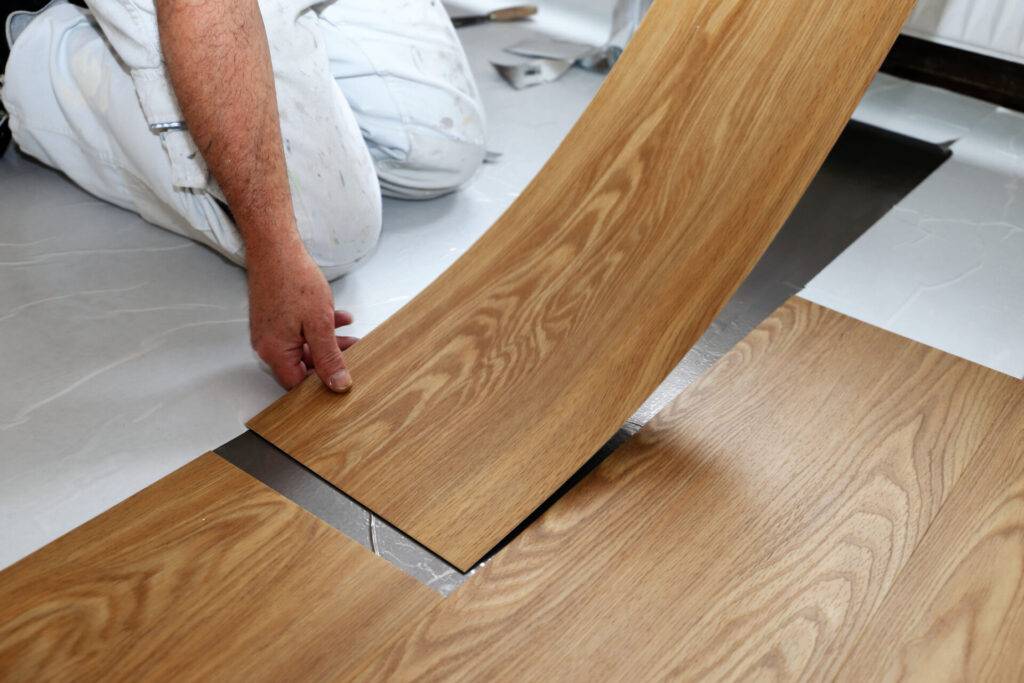
- Swollen wooden flooring after a plumbing failure.
- Damp basement walls following heavy rainfall.
- Mold growth behind furniture or inside wall cavities.
- Damaged plaster around windows and doors.
- Water entering a fireplace through a leaking chimney.
- Ceiling damage caused by an overflowing bathroom or leaking pipe.
Water damage can occur suddenly, such as after a burst pipe, or develop gradually through repeated moisture exposure. Both situations require attention because prolonged dampness can weaken materials and create conditions for mold growth.
Common Causes of Water Damage in Homes
Identifying the source of moisture is essential before repairs begin. Cleaning up visible water without correcting the underlying issue may allow the damage to return.
1. Plumbing Leaks and Burst Pipes
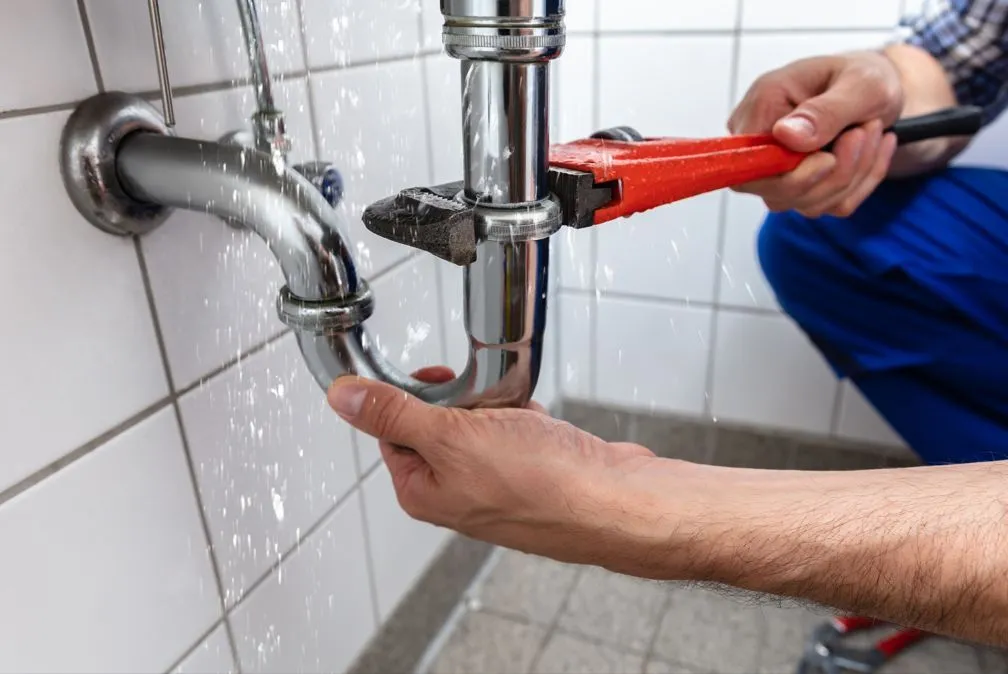
Plumbing failures are a common source of indoor water damage. Pipes beneath sinks, behind toilets, inside walls, and under floors can leak because of corrosion, loose connections, damaged seals, or freezing temperatures.
A burst pipe can release a large volume of water in a short period. Even a slow leak may damage cabinets, drywall, insulation, and timber if it remains unnoticed.
Homeowners should check for unexplained increases in water bills, damp cupboards, dripping connections, and water stains near plumbing fixtures.
2. Roof Leaks and Damaged Flashing
Damaged shingles, cracked roof coverings, deteriorated flashing, and blocked gutters can allow rainwater to enter a property. Water may travel along roof timbers before appearing as a stain on a ceiling, making the original leak difficult to locate.
Chimneys are another potential entry point. Flashing around the chimney, deteriorated mortar, cracked masonry, or a damaged chimney cap may allow rainwater to penetrate the structure.
These problems can lead to water damage around a fireplace, including discoloured walls, damp plaster, and deteriorating masonry.
3. Heavy Rainfall and Flooding
Heavy rainfall, overflowing rivers, flash floods, and overwhelmed drainage systems can cause significant property damage. Homes in flood-prone areas may experience water entering through doors, basement windows, foundation cracks, or ground-level openings.
Floodwater can carry sediment, chemicals, sewage, and other contaminants. Affected materials may require specialist cleaning, and some porous items may need to be discarded.
In the USA, exposure to hurricanes and severe storms can increase the risk of flooding in certain regions. In the UK, prolonged rainfall and localised flooding can affect properties with inadequate drainage or vulnerable foundations.
4. Poor Drainage Around the Foundation
Water can accumulate around a building when the ground slopes toward the property, gutters discharge too close to the foundation, or drains become blocked.
Over time, this water may seep through basement walls, foundation cracks, or joints in concrete floors. Persistent moisture can damage finishes and contribute to a musty smell.
Maintaining gutters, downspouts, exterior drainage, and suitable ground grading can help direct rainwater away from the building.
5. Condensation and High Indoor Humidity
Not all water damage results from a visible leak. Condensation can develop when warm, moist air meets cold surfaces, including windows, exterior walls, pipes, and poorly insulated ceilings.
Bathrooms, kitchens, laundry rooms, and basements may be particularly vulnerable when ventilation is inadequate. Repeated condensation can damage paint and wallpaper while encouraging mold growth.
Extractor fans, appropriate ventilation, and humidity control can help reduce these risks.
Signs of Water Issues That Homeowners Should Not Ignore
Early detection can help limit the extent of home water damage. Some warning signs are obvious, while others may indicate a hidden problem.
Water Stains and Discoloured Surfaces
Yellow, brown, or grey patches on ceilings and walls may indicate a roof leak, plumbing failure, or water entering from an adjoining area. Stains that grow or reappear after rain should be investigated.
Peeling Paint and Bubbling Wallpaper
Moisture can weaken the bond between paint, plaster, wallpaper, and the underlying surface. Blistering, peeling, and flaking finishes may indicate water trapped behind the decorative layer.
Musty Odours and Mold Growth
A persistent musty smell may suggest damp building materials or hidden mold. Mold can appear as black, green, white, or grey patches on walls, ceilings, wood, and other surfaces.
The US Environmental Protection Agency (EPA) identifies moisture control as the central factor in preventing indoor mold. Wet materials should be dried promptly, ideally within 24–48 hours when possible, to reduce the likelihood of growth. This is a prevention target rather than a guarantee that mold will not develop. <Cite refs={[“turn324774search0″,”turn324774search7”]}/>
Warped Floors and Swollen Wood
Water can cause hardwood flooring, laminate, skirting boards, and door frames to swell or distort. Tiles may loosen if the underlying materials are affected, while carpets can retain moisture long after a spill has been removed.
Dampness Around a Fireplace
Water damage near a fireplace may appear as white deposits on bricks, deteriorating mortar, damp patches on the chimney breast, rust on metal components, or a persistent smell after rain.
These signs may indicate water entering through the chimney cap, flashing, masonry joints, or another part of the roof. The source should be identified before cosmetic repairs are completed.
Water Damage Statistics and What They Mean for Homeowners
Water damage statistics help explain why leak prevention and early maintenance matter. Insurance data also show that water-related losses can represent a meaningful share of residential property claims.
According to the Insurance Information Institute (Triple-I), data from ISO for 2019–2023 show that approximately 5.64 claims occurred per 100 insured house-years on average across the included homeowners policies. The average paid amount per claim across that period was approximately $17,059 for the reported homeowners loss categories combined. These figures cover multiple types of claims, not water damage alone. <Cite refs={[“turn324774search8”]}/>
The same source reports that 5.33% of insured homes experienced a homeowners insurance claim in 2023. Water damage and freezing are tracked as a separate category within homeowners insurance loss statistics, although claim frequency and costs vary by year and location. <Cite refs={[“turn324774search8”]}/>
These figures should be interpreted carefully. They do not mean every homeowner will experience water damage, nor do they predict the cost of an individual repair. Insurance claim data may exclude certain policies and locations, and coverage conditions differ between insurers.
The practical lesson is that water-related property damage can involve substantial repair costs. Regular inspections, prompt leak repairs, and suitable insurance coverage can help homeowners manage the risk.
Fireplace Repair: How Water Damage Affects Chimneys and Fireplaces
Fireplaces and chimneys are exposed to rain, temperature changes, and seasonal weather. If their protective components deteriorate, moisture can enter the masonry and affect both the exterior chimney and the interior fireplace.
Water-related fireplace repair is not limited to replacing damaged bricks. The repair may involve roof flashing, mortar joints, the chimney crown, a chimney cap, the firebox, or nearby wall finishes.
Damaged Chimney Flashing
Flashing creates a weather-resistant connection between the chimney and the roof. If it becomes loose, cracked, corroded, or poorly sealed, rainwater can enter the roof structure.
Signs may include damp patches around the chimney breast, ceiling stains near the chimney, or water appearing after heavy rainfall. A qualified roofer or chimney professional can inspect the flashing and determine whether repair or replacement is needed.
Cracked Masonry and Mortar Joints
Brick and stone chimneys are exposed to weather throughout the year. Mortar joints can deteriorate with age, while cracks may develop because of movement, weather exposure, or repeated freeze-thaw cycles.
Water entering these openings can worsen masonry damage. In colder climates, freezing moisture can expand and place additional pressure on the material.
Repairs may involve repointing mortar joints, replacing damaged bricks, or addressing movement that has caused cracking. The appropriate method depends on the chimney’s construction and condition.
Damaged Chimney Caps and Crowns
A chimney cap helps prevent rain, debris, and animals from entering the flue. The chimney crown sheds water away from the masonry and protects the top of the chimney.
A missing cap or cracked crown can allow moisture to enter from above. Water may then travel down the chimney, damage internal surfaces, or contribute to corrosion of metal components.
A chimney inspection can establish whether the cap, crown, or other protective elements need repair.
Water Damage Inside the Firebox
The firebox is the area where the fire burns. Moisture entering through the chimney can damage brickwork, mortar, and metal components. Persistent dampness may also create unpleasant odours.
If the firebox has cracked refractory materials, loose masonry, or other visible damage, have it inspected before using the fireplace again. A cosmetic patch should not be used to conceal damage that may affect safe operation.
When Fireplace Repair Requires Professional Inspection
A qualified chimney or fireplace professional should assess significant cracks, loose bricks, recurring dampness, damaged flue components, or suspected structural movement.
If water damage is accompanied by smoke leakage, a blocked flue, damaged liners, or other signs of unsafe operation, stop using the fireplace until it has been inspected. Water-related repairs and chimney safety assessments may require different specialists, depending on the problem.
How Water Damage Is Repaired
The repair process depends on the source and severity of the damage. A careful assessment helps identify which materials can be restored and which need replacement.
Step 1: Stop the Water Source
Repair the leaking pipe, damaged roof, defective flashing, blocked drain, or other source of moisture. If flooding is ongoing, contact the relevant emergency or utility service where necessary.
If water is near electrical outlets, wiring, or electrical equipment, avoid the affected area and seek qualified assistance. Do not enter standing water where electrical hazards may exist.
Step 2: Remove Standing Water and Dry Affected Areas
Water extraction equipment, fans, and dehumidifiers may be used depending on the situation. Hidden areas, including wall cavities, insulation, and spaces beneath flooring, must also be assessed.
Step 3: Assess Damaged Materials
Drywall, insulation, flooring, timber, and masonry may respond differently to water exposure. Some materials can be cleaned and dried, while others may require replacement.
Floodwater containing sewage or other contaminants requires additional precautions and may need professional remediation.
Step 4: Repair and Restore the Property
Once the area is dry and the source of water has been corrected, repair work can begin. This may involve replacing plasterboard, refinishing walls, restoring floors, repointing masonry, or completing fireplace repair.
Painting and decorating should take place only after the affected materials are adequately dry and the underlying problem has been resolved.
Water Damage Claims Statistics and Home Insurance
Water damage claims statistics can help homeowners understand the financial importance of property maintenance, but insurance policies do not cover every water-related incident.
In the USA, homeowners insurance may cover certain sudden and accidental water losses, subject to the policy terms, exclusions, deductibles, and circumstances. Flood damage from external rising or overflowing water is commonly excluded from standard homeowners policies and may require separate flood insurance.
In the UK, buildings insurance may cover some sudden escape-of-water incidents, while gradual leaks, maintenance issues, or flood events may be treated differently depending on the policy.
Homeowners should document the damage with photographs, keep receipts for emergency work, and contact their insurer promptly when a potentially covered incident occurs. Avoid discarding damaged items before documenting them unless removal is necessary for safety or to prevent further damage.
Insurance claim statistics are useful for understanding broad trends, but they cannot confirm whether a particular repair will be covered. The policy wording and the facts of the incident determine that.
Preventing Water Damage in Residential Properties
Preventive maintenance can reduce the likelihood of leaks and help identify problems before they cause widespread damage.
- Inspect roofs, gutters, downspouts, and chimney flashing regularly.
- Repair leaking pipes, taps, and appliance connections promptly.
- Keep drains clear and direct rainwater away from the foundation.
- Check basements and crawl spaces for recurring dampness.
- Use kitchen and bathroom extractor fans to reduce indoor moisture.
- Inspect the chimney cap, crown, and mortar joints for visible deterioration.
- Consider a leak detector or automatic shut-off device in areas vulnerable to plumbing failures.
- Review homeowners or buildings insurance to understand relevant exclusions and limitations.
Properties in areas with heavy rainfall, freezing temperatures, or a history of flooding may need additional measures. Maintenance schedules should reflect the building’s age, construction, local climate, and previous water problems.
Frequently Asked Questions
What are the most common causes of water damage in a home?
Common causes include plumbing leaks, burst pipes, roof damage, heavy rainfall, flooding, poor drainage, and condensation. The source may be visible or hidden behind walls and ceilings.
What are the early signs of water damage?
Water stains, peeling paint, musty smells, warped flooring, swollen wood, mold growth, and unexplained dampness can all indicate a moisture problem. Recurring signs should be investigated to identify the underlying cause.
Can water damage affect a fireplace?
Yes. Water can enter through damaged chimney flashing, cracked mortar, a deteriorated crown, or a missing chimney cap. It may damage masonry, the firebox, metal components, and nearby walls. A professional inspection can determine the required fireplace repair.
How quickly should water damage be dried?
Dry wet materials as soon as possible. The EPA recommends drying affected areas within 24–48 hours where feasible to reduce mold growth risk. Materials that remain wet or have been contaminated may require specialist assessment. <Cite refs={[“turn324774search7”]}/>
Does homeowners insurance cover water damage?
Coverage depends on the cause of the damage and the policy. Sudden plumbing failures may be treated differently from gradual leaks, maintenance-related deterioration, or external flooding. Review the policy and contact the insurer for guidance.
Conclusion
Water damage can affect almost every part of a home, from ceilings and flooring to foundations, chimneys, and fireplaces. Recognizing the causes of water damage and responding to warning signs early can help reduce repair work and prevent moisture from spreading into hidden building materials.
Fireplace repair deserves particular attention when dampness, cracked masonry, damaged flashing, or water entering through the chimney is present. Addressing the source of moisture is essential before repairing damaged finishes or returning a fireplace to use.
For homeowners in the USA and UK, regular maintenance, prompt leak repairs, careful drying, and appropriate insurance planning are practical ways to reduce the impact of water-related property damage.