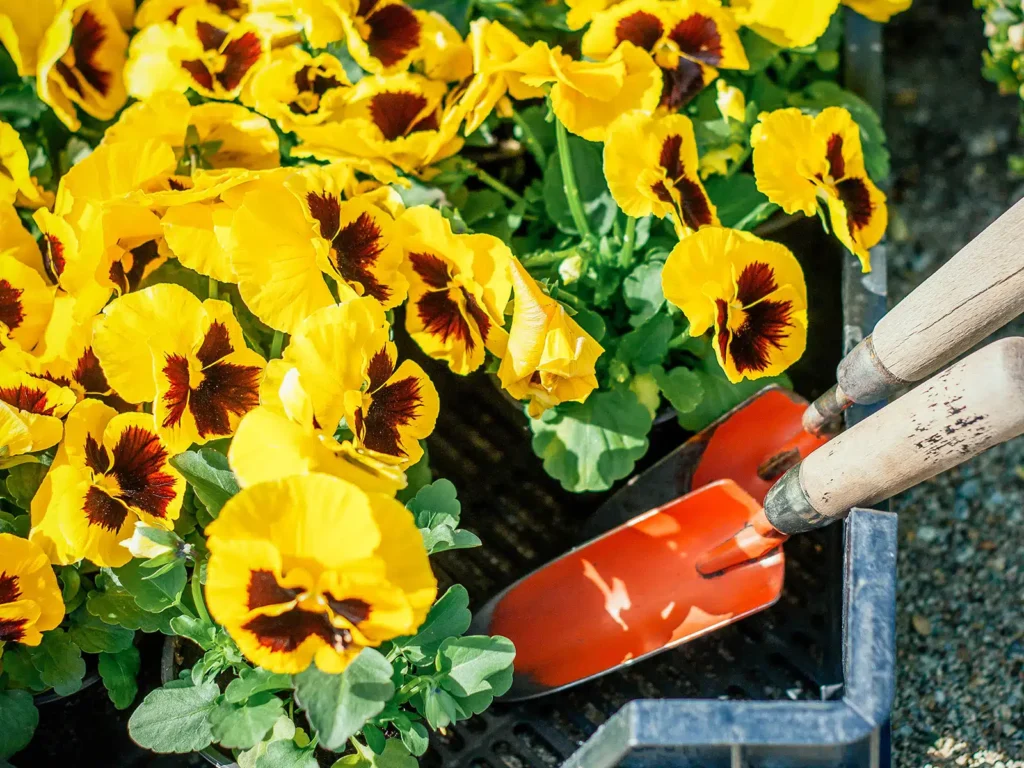
Red and orange flowers bring some of the strongest colours found in the natural world. From deep scarlet petals and bright tangerine blooms to soft apricot and yellow-orange flowers, these shades appear across annuals, perennials, bulbs, shrubs, climbers, and tropical plants.
Across gardens and landscapes in the USA and UK, orange flowers are commonly associated with summer displays, autumn planting, cottage gardens, wildflower areas, and warm-climate landscapes. Red and orange combinations can create strong visual contrast, while yellow-orange flowers offer a softer transition between bright yellow and deeper orange.
There are also many different answers to the question, “What is the name of an orange flower?” Marigolds, zinnias, lilies, poppies, nasturtiums, dahlias, calendula, and birds of paradise are just a few examples.
The Natural Colour Range of Orange Flowers
Orange flowers are not limited to one shade. Their petals can range from pale peach and apricot to vivid pumpkin, tangerine, copper, and reddish-orange.
Flower colour is influenced by natural pigments, particularly carotenoids and anthocyanins. Different combinations and concentrations of pigments can create variations in colour.
Environmental factors can also affect how flowers appear. Light, temperature, plant genetics, and the age of a bloom may influence its visible colour.
As a result, two plants belonging to the same species can sometimes produce flowers that look noticeably different.
Popular Orange Flowers and Their Names
Several orange-flowering plants are widely recognised in the USA and UK. They differ considerably in size, structure, flowering season, and growing requirements.
1. Marigold
Tagetes is one of the most familiar sources of orange flowers. Different marigold species and cultivars produce flowers in orange, yellow, red, and combinations of these colours.
African marigolds, French marigolds, and signet marigolds are commonly grown as ornamental plants. Their rounded flower heads can create strong blocks of colour in garden beds and containers.
Marigolds are generally associated with warm-season gardening and are widely cultivated in the USA and UK.
2. Orange Lily
Lilium bulbiferum and other lily species can produce striking orange flowers.
Lilies typically have large, prominent blooms with six tepals. Some orange varieties have dark spots or markings that add contrast to the petals.
Lilies are perennial bulb plants and are found in many ornamental gardens.
3. Orange Poppy
Papaver includes species with flowers ranging from red and pink to orange and yellow.
The California poppy, Eschscholzia californica, is especially associated with bright orange flowers and is the state flower of California.
Its cup-shaped blooms open in suitable sunlight and can appear across grasslands, roadsides, and cultivated landscapes.
4. Zinnia
Zinnia includes numerous colourful annuals. Orange zinnias can have single, semi-double, or double flowers.
They are known for their long flowering period and wide range of colours. Orange, red, yellow, pink, white, and mixed shades are common among cultivated varieties.
Zinnias are particularly familiar in summer gardens in the USA.
5. Nasturtium
Tropaeolum majus produces rounded leaves and bright flowers that may be orange, red, yellow, or combinations of these colours.
The flowers have a distinctive shape, with a long nectar spur extending behind the bloom.
Nasturtiums can grow as trailing or climbing plants, making them visually different from upright bedding flowers.
6. Dahlia
Dahlia contains a large number of cultivated forms. Orange dahlias range from soft apricot to deep orange and reddish-orange.
Their flower heads can be relatively small or very large, depending on the cultivar. Petal arrangements also vary, producing decorative, cactus, pompon, ball, and other forms.
Dahlias are especially associated with late-summer and autumn gardens.
Red and Orange Flowers
Red and orange flowers can occur naturally within individual species as well as in mixed garden planting.
Some plants produce flowers that transition between the two colours. A bloom may have an orange base with red edges, while another cultivar may appear predominantly red with orange highlights.


Examples of plants associated with red-orange flowers include:
- Dahlias
- Zinnias
- Tulips
- Marigolds
- Lilies
- Poppies
- Nasturtiums
- Celosia
- Roses
- Daylilies
The exact colour depends on the species and cultivar. Botanical names are therefore useful when a precise plant identification is required.
Orange Flowers Names and Pictures
Images are particularly useful when identifying orange flowers because many species share similar colours but have very different shapes.
Common orange flower names include:
| Orange Flower | General Characteristics |
|---|---|
| Marigold | Rounded flower heads in orange and yellow |
| California poppy | Cup-shaped orange blooms |
| Orange lily | Large six-parted flowers |
| Zinnia | Layered petals and upright growth |
| Nasturtium | Bright flowers with distinctive nectar spurs |
| Dahlia | Many flower forms and shades |
| Calendula | Daisy-like orange and yellow blooms |
| Bird of paradise | Strong architectural tropical flowers |
| Orange tulip | Cup-shaped spring flower |
| Crocosmia | Tubular orange-red flowers |
| Gazania | Daisy-like flowers with strong colour contrast |
| Butterfly weed | Clusters of vivid orange flowers |
Pictures can help distinguish these plants by comparing petal arrangement, leaf shape, plant height, and flower structure rather than colour alone.
Calendula: A Familiar Orange Garden Flower
Calendula officinalis is commonly known as pot marigold, although it is botanically different from Tagetes marigolds.
It produces daisy-like flowers in shades of orange and yellow. Calendula is widely grown as an ornamental plant and can tolerate relatively cool conditions compared with many warm-season flowers.
Its bright blooms make it a familiar choice for cottage-style gardens and mixed borders.
Yellow-Orange Flowers
Yellow-orange flowers sit between two warm colour families and can create a gradual transition in a planting scheme.
Some flowers naturally combine yellow and orange within the same bloom. Others have cultivars available in different shades across the yellow-orange spectrum.
Examples include:
- Marigolds
- Calendula
- Daylilies
- Coreopsis
- Gazania
- Lantana
- Zinnias
- Sunflowers
- Tiger lilies
Hemerocallis is particularly diverse. Its flowers may be yellow, orange, red, pink, cream, or combinations of several colours.
The trumpet-like flowers generally last for a short period, but established plants can produce numerous blooms during their flowering season.
Orange-Colored Flowers in UK Gardens
The UK climate supports a wide range of orange flowering plants, although the suitability of individual species depends on regional temperatures, soil, drainage, and seasonal conditions.
Orange tulips are popular spring flowers, while marigolds and zinnias provide warm-season colour. Dahlias can contribute strong orange and copper shades toward the end of summer and into autumn.
Crocosmia is another well-known plant in British gardens. Its arching stems carry tubular flowers that commonly appear in orange, red-orange, or yellow-orange shades.
Orange Flowers in the USA
The diverse climates of the USA allow orange flowering plants to grow across a broad range of environments.
California poppies are strongly associated with the western United States, while marigolds, zinnias, dahlias, lilies, and other ornamental plants are cultivated across many regions.
In warmer parts of the country, gardeners can also grow tropical and subtropical species that would require protection or indoor cultivation in colder regions.
Climate zones therefore have a major influence on which orange plants can survive outdoors year-round.
Tropical Plants With Orange Blooms
Tropical and subtropical plants are particularly associated with intense orange flowers. Warm temperatures and long growing seasons allow many species to produce striking blooms.
Bird of Paradise
Strelitzia reginae is one of the most recognisable tropical plants with orange blooms.
Its flowers contain vivid orange structures emerging from a distinctive boat-shaped bract. The plant also has large, upright leaves that contribute to its architectural appearance.
Bird of paradise is native to southern Africa but is cultivated in warm regions around the world. In cooler climates, it may be grown as a container plant or protected during winter.
Orange Hibiscus
Hibiscus contains numerous tropical and subtropical species and cultivars.
Orange hibiscus flowers can be large and showy, with prominent stamens extending from the centre. Cultivars may display solid orange petals or combinations of orange, red, yellow, and pink.
Lantana
Lantana camara can produce clusters containing orange, yellow, pink, red, or mixed-colour flowers.
Individual flowers within a cluster can sometimes change colour as they mature, producing a multicoloured effect.
Lantana is commonly cultivated in warm climates and is treated differently depending on local environmental conditions.
Red-Orange Flowers in Nature
Red-orange flowers can have an important ecological role. Flowering plants interact with bees, butterflies, birds, and other animals through colour, scent, nectar, pollen, and flower shape.
In North America, plants such as butterfly weed are notable for their bright orange flower clusters and their relationship with pollinating insects.
Asclepias tuberosa is a North American perennial recognised for vivid orange flowers. It belongs to the milkweed family and serves as an important host plant for monarch butterfly caterpillars.
This illustrates that an orange flower can have ecological significance beyond its ornamental appearance.
Orange Flower Species by Flower Shape
Colour is only one characteristic used to identify flowering plants. Shape can be equally important.
Cup-shaped: California poppies and tulips often have cup-like blooms.
Trumpet-shaped: Some lilies, daylilies, and hibiscus have elongated or trumpet-like flowers.
Daisy-shaped: Calendula, gazania, and many related plants have flower heads with radiating petals.
Clustered: Lantana and butterfly weed produce groups of smaller flowers.
Layered: Dahlias and zinnias can have numerous overlapping petals.
Architectural: Bird of paradise has an unusually structured flower unlike conventional rounded blooms.
These differences make botanical identification more reliable when colour, shape, leaves, and growth habit are considered together.
Orange Flowers and Seasonal Colour
Different orange flowers appear at different times of the year.
Spring gardens may feature orange tulips and other bulbs. Summer brings marigolds, zinnias, nasturtiums, lilies, and many other flowering plants. Dahlias and some late-season flowers continue the colour into autumn.
This seasonal variation allows orange to remain visible in landscapes for much of the growing year when different species are selected according to their flowering periods.
The Meaning Associated With Orange Flowers
Flower meanings are largely cultural rather than botanical facts. In different traditions, orange flowers have been associated with energy, warmth, enthusiasm, celebration, confidence, and vitality.
Red flowers are often connected with strong emotions, while yellow flowers may be associated with happiness or friendship. Combining red, orange, and yellow therefore creates a warm visual palette.
However, meanings can vary between cultures, occasions, and individual interpretations.
Orange Flowers Across Different Landscapes
Orange flowers can appear in many types of landscapes, from formal gardens to naturalised meadows.
In a cottage garden, orange calendula, nasturtiums, and dahlias can sit alongside other colourful flowers. In a prairie-style landscape, native orange-flowering plants may support local pollinators. In warmer climates, tropical plants can provide bold architectural flowers.
The same colour can therefore serve very different landscape purposes depending on the plant and environment.
Conclusion
Red and orange flowers cover an impressive range of species, colours, shapes, and growing habits. Familiar orange flower names include marigold, California poppy, zinnia, nasturtium, dahlia, calendula, lily, and crocosmia, while tropical plants such as bird of paradise and hibiscus provide additional examples.
Yellow-orange flowers create a softer connection between yellow and orange, while red-orange blooms provide stronger colour contrast. Across the USA and UK, the availability of these plants varies according to climate, soil, seasonal conditions, and whether a species is native or cultivated.
From delicate wildflowers to large tropical blooms, orange-coloured flowers demonstrate how a single colour family can occur in remarkably different forms throughout the plant kingdom.