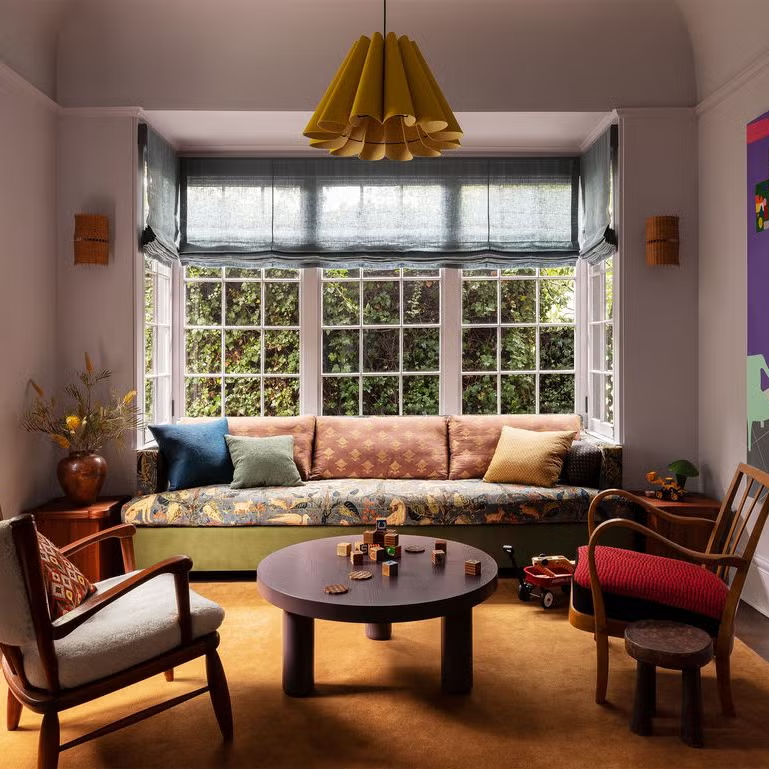
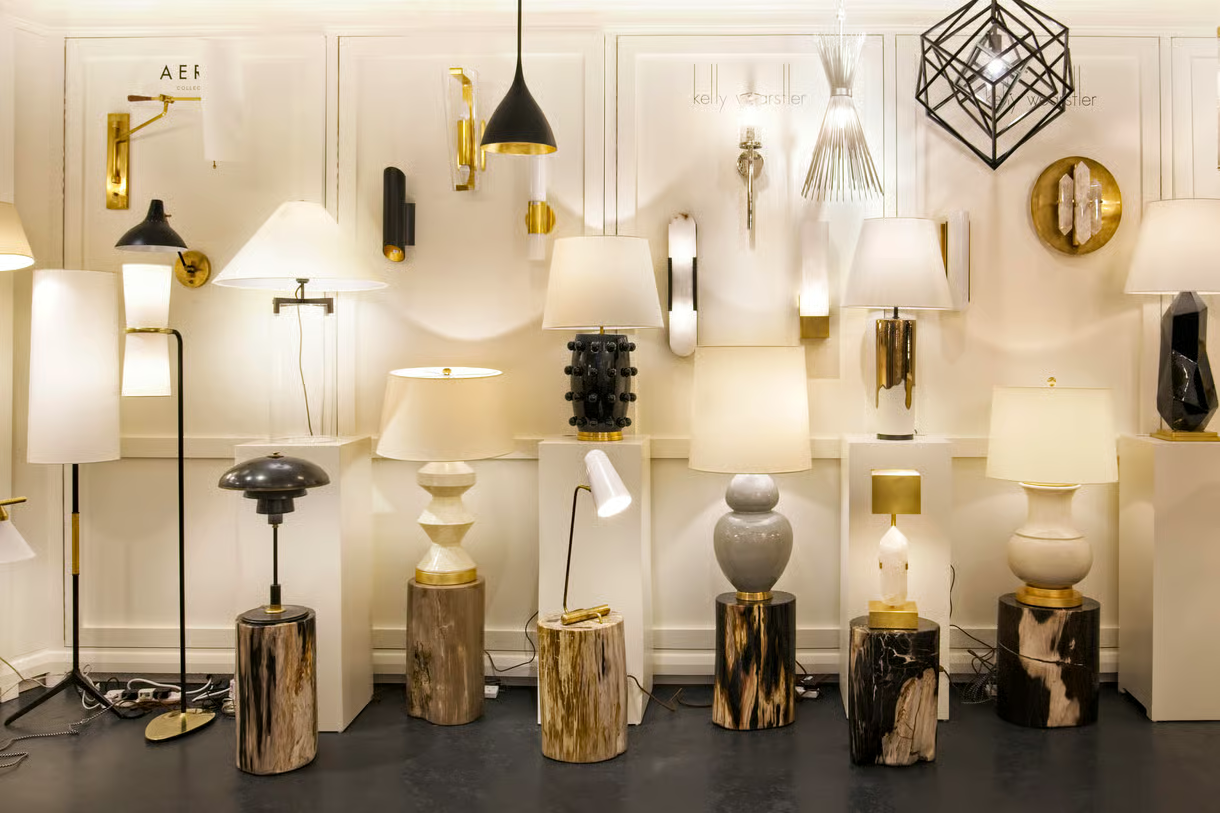
The living room is often one of the most important shared spaces in a home. It can serve as a place for conversation, relaxation, reading, entertainment, and spending time with family or guests. Because of its many functions, successful living room design is not simply about choosing attractive furniture. The layout, lighting, colors, materials, storage, and proportions all influence how the room feels and functions.
Table of Contents
ToggleFor homeowners in the USA and UK, living rooms can vary considerably in size and architectural character. A spacious American family room may have an open-plan layout, while a British lounge may be a smaller enclosed room with a fireplace, bay window, or period features.
The best living room ideas balance practical requirements with personal style. Modern interiors do not necessarily need to look minimal, and traditional rooms do not have to feel outdated. A carefully considered combination of furniture, textures, lighting, and decorative details can create a space that remains comfortable and visually cohesive.
Understanding the Living Room Layout


Before considering decoration, the layout is one of the most important elements of a living room.
Furniture should allow people to move naturally through the room without constantly navigating around sofas or tables. The main seating arrangement should also support conversation.
A typical living room may include:
- Sofa or sectional
- Armchairs
- Coffee table
- Side tables
- Media unit
- Bookshelves
- Floor or table lamps
- Area rug
- Curtains or blinds
- Decorative accessories
The size and shape of the room determine which pieces are appropriate. A large sectional can work well in an expansive family room but overwhelm a compact lounge.
When exploring ideas for designing a living room, it is useful to consider how people actually use the space rather than starting with decoration alone.
Decorating Ideas for Lounge Room Spaces
The term “lounge room” is particularly common in the UK and Australia, while “living room” is widely used in American English. Regardless of terminology, the basic purpose is similar: creating a comfortable shared area.
One effective approach is to establish a clear focal point. This could be a fireplace, television, large window, artwork, architectural feature, or carefully arranged furniture.
A focal point gives the room visual direction. Without one, furniture and decorative objects can sometimes appear disconnected.
In a traditional British property, a fireplace may naturally become the center of the room. In a contemporary apartment, the focal point might instead be a large window overlooking a city or garden.
Lounge Interior Ideas for Different Styles


There is no single definition of a stylish living room. Several interior design styles can work successfully depending on the architecture and the homeowner’s preferences.
Contemporary
Contemporary interiors often combine clean furniture profiles with neutral colors and natural materials.
Wood, stone, glass, metal, and textured fabrics can be combined to prevent the space from appearing flat.
Traditional
Traditional living rooms often feature detailed furniture, layered textiles, patterned curtains, wood finishes, and classic lighting.
In UK homes, traditional design can work particularly well with period architectural features such as fireplaces, cornices, sash windows, and wooden floors.
Scandinavian
Scandinavian-inspired interiors commonly emphasize simplicity, natural light, pale timber, comfortable textiles, and uncluttered layouts.
This approach can be particularly effective in smaller living spaces because it avoids excessive visual weight.
Mid-Century Modern
Mid-century modern design is recognized for clean lines, tapered furniture legs, organic shapes, and a mixture of wood with upholstery.
A few carefully selected vintage-inspired pieces can create this character without requiring the entire room to look historically authentic.
Minimalist
Minimalism focuses on reducing visual clutter and prioritizing essential furniture.
A minimalist room does not have to be empty. Texture, lighting, artwork, and carefully chosen materials can provide interest without creating a crowded appearance.
Living Room Decorating Ideas With Color
Color strongly affects the character of an interior.
Neutral shades such as white, cream, beige, gray, and taupe are popular because they provide a flexible background. However, a completely neutral room can sometimes feel visually flat if there is insufficient texture or contrast.
Accent colors can be introduced through:
- Cushions
- Curtains
- Rugs
- Artwork
- Upholstery
- Decorative ceramics
- Throws
- Books
- Plants
Deep green, navy, terracotta, burgundy, ochre, and muted blue can add depth to a neutral interior.
The best color scheme usually considers the permanent elements of the room, including flooring, architectural features, windows, and large furniture pieces.
Living Room and Natural Light


Natural light is one of the strongest design elements in a living room.
Large windows can make a room feel more spacious and connect the interior with the surrounding landscape. Smaller windows require a different approach to prevent the space from becoming visually heavy.
Window treatments should balance privacy, light control, and appearance.
In the UK, where daylight can be limited during parts of the year, lighter wall colors and layered artificial lighting can help create a brighter atmosphere.
In sunnier parts of the United States, window coverings can also help manage glare and excessive heat.
Mirrors can reflect available light and create the impression of additional space, although their placement should be intentional rather than purely decorative.
Choosing the Right Sofa
The sofa is usually the largest piece of furniture in a living room, making its size particularly important.
A sofa should be proportionate to the room. Oversized seating can reduce walking space, while an undersized sofa may make a large room feel disconnected.
Sectional sofas are useful in larger family rooms and open-plan spaces. Standard three-seat sofas can work in a broad range of room sizes, while compact two-seat sofas may be more appropriate for smaller lounges.
Upholstery also affects the visual character. Linen and cotton can create a relaxed appearance, while velvet provides a more formal and textured look.
Durability matters as well, especially in homes with children or pets.
Coffee Tables and Living Room Proportions
A coffee table connects the seating arrangement and provides a practical surface for everyday use.
Its size should relate to the sofa and surrounding chairs. There should be enough space for people to sit comfortably and move around it.
Round and oval tables can work particularly well where circulation is important because they eliminate sharp corners.
Rectangular tables are often suitable for larger sofas and traditional seating arrangements.
The table does not need to be perfectly centered in every situation. In larger rooms, positioning it according to the main seating group can produce a more balanced arrangement.
Rugs and Texture


A rug can visually connect furniture while adding warmth and texture.
One common mistake is choosing a rug that is too small for the seating area. A larger rug can help define the entire conversation zone.
Texture is equally important. A room containing only smooth surfaces may feel sterile, while combining wool, timber, woven fabrics, ceramics, stone, and metal can create visual depth.
Throws and cushions are simple ways to introduce texture without changing major furniture pieces.
Layering does not necessarily mean adding more objects. Different materials can provide variation while keeping the overall design restrained.
Lighting as Part of Living Room Decor
Good lighting is essential for a comfortable living room.
Instead of relying on one ceiling fixture, many interiors benefit from several sources of light at different heights.
A layered lighting scheme may include:
- Ceiling lighting
- Floor lamps
- Table lamps
- Wall lights
- Accent lighting
- Natural daylight
Task lighting can support reading, while softer ambient lighting can create a relaxed atmosphere during the evening.
Warm-colored light is often associated with a comfortable residential environment, although the appropriate color temperature depends on the room and personal preference.
Architectural lighting can also highlight artwork, shelving, fireplaces, or textured walls.
Living Room Storage Ideas
Storage is often overlooked when developing living room decor ideas, yet clutter can significantly affect the appearance of a room.
Built-in shelving can make efficient use of vertical space. Low cabinets can provide storage without visually dominating the room.
Open shelving is useful for books and decorative objects but should not become overcrowded.
Closed storage can hide electronics, toys, paperwork, and other everyday items.
In smaller homes, furniture with integrated storage can serve multiple functions. Ottomans, benches, media cabinets, and shelving systems can provide useful storage without requiring additional pieces.
Designing a Living Room Around a Fireplace
Fireplaces can create a strong architectural focal point.
Traditional fireplaces are especially common in older British and American houses, while modern homes may use contemporary gas, electric, or minimalist fireplace designs.
Furniture can be arranged around the fireplace to emphasize it, although the television does not necessarily need to occupy the same visual position.
A mantel can display artwork, mirrors, ceramics, or seasonal decorations. However, excessive accessories can make a fireplace feel crowded.
The material surrounding the fireplace also affects the character of the room. Brick, stone, tile, timber, and plaster create very different visual impressions.
Plants and Natural Elements


Indoor plants can bring color and organic shapes into a living room.
Large plants can fill an empty corner, while smaller plants can be placed on shelves or side tables.
Popular houseplants include fiddle-leaf figs, snake plants, pothos, rubber plants, and various palms. Their suitability depends on available light, humidity, temperature, and maintenance requirements.
Natural materials such as timber, rattan, wool, linen, and stone can also create a connection with the outdoors.
This approach works across many interior styles, from Scandinavian and contemporary rooms to traditional country interiors.
Small Living Room Decor Ideas
Small rooms require careful consideration of scale.
Furniture with visible legs can sometimes create a lighter visual effect because more of the floor remains visible. Wall-mounted shelving can reduce the need for bulky floor-standing storage.
A consistent color palette can also make a compact room feel more cohesive.
Multifunctional furniture is particularly useful. A storage ottoman can function as seating, a footrest, and concealed storage.
Large mirrors may help create visual depth, but they work best when they reflect something attractive, such as a window, artwork, or architectural feature.
Open-Plan Living Rooms
Open-plan interiors combine living, dining, and sometimes kitchen areas into one larger space.
This arrangement provides flexibility but can make it difficult to establish separate functions.
Furniture placement can create visual zones without requiring physical walls. A sofa can define the living area, while a dining table establishes a separate eating zone.
Rugs, lighting, ceiling treatments, and furniture orientation can reinforce these distinctions.
The overall color palette should also coordinate across the open space so that each zone feels connected rather than unrelated.
Artwork and Personal Details
A living room should not feel like a showroom. Personal objects often provide the character that makes an interior feel lived-in.
Artwork, books, photographs, ceramics, collected objects, and textiles can all contribute to the room’s identity.
A large piece of artwork can work as a focal point above a sofa, while a gallery wall can provide a more eclectic appearance.
The arrangement should reflect the proportions of the wall and furniture below it. Artwork that is too small can appear disconnected, while an oversized piece may dominate the entire composition.
Seasonal Changes in the Living Room
Living room decoration can change subtly with the seasons without requiring major renovations.
During autumn and winter, heavier throws, wool textures, deeper colors, and warmer lighting can create a more intimate atmosphere.
Spring and summer interiors may benefit from lighter fabrics, natural textures, brighter accents, and increased use of plants and flowers.
The main furniture can remain unchanged while smaller decorative elements provide seasonal variation.
This approach can also reduce unnecessary consumption because the basic room structure does not need to be replaced every few months.
Living Room Design for USA and UK Homes
Interior preferences and architectural conditions differ between the USA and UK.
American homes often feature larger open-plan family spaces, generous sectional seating, and integrated entertainment areas. British living rooms can be smaller and may contain traditional architectural features such as fireplaces, alcoves, bay windows, and period moldings.
Neither approach is inherently better. The design should respond to the actual architecture and daily use of the home.
A successful room works with its proportions rather than attempting to force a particular style into an unsuitable space.
Final Thoughts
Good living room ideas are ultimately about creating a space that feels balanced, functional, and comfortable.
The most effective living room decorating ideas consider furniture proportions, circulation, lighting, color, texture, storage, and architectural features together. A carefully selected sofa, suitable rug, layered lighting, practical storage, and a thoughtful color palette can have a greater impact than simply adding more decoration.
Whether the space is a compact UK lounge, a traditional American sitting room, or a large open-plan family area, the same principle applies: design should support the way people actually live.
A well-designed living room does not need to follow a particular trend. Contemporary furniture, traditional architecture, natural materials, personal artwork, and practical storage can coexist when their proportions and visual relationships are carefully considered. The result is a room that feels purposeful without becoming overly formal or unnecessarily complicated.