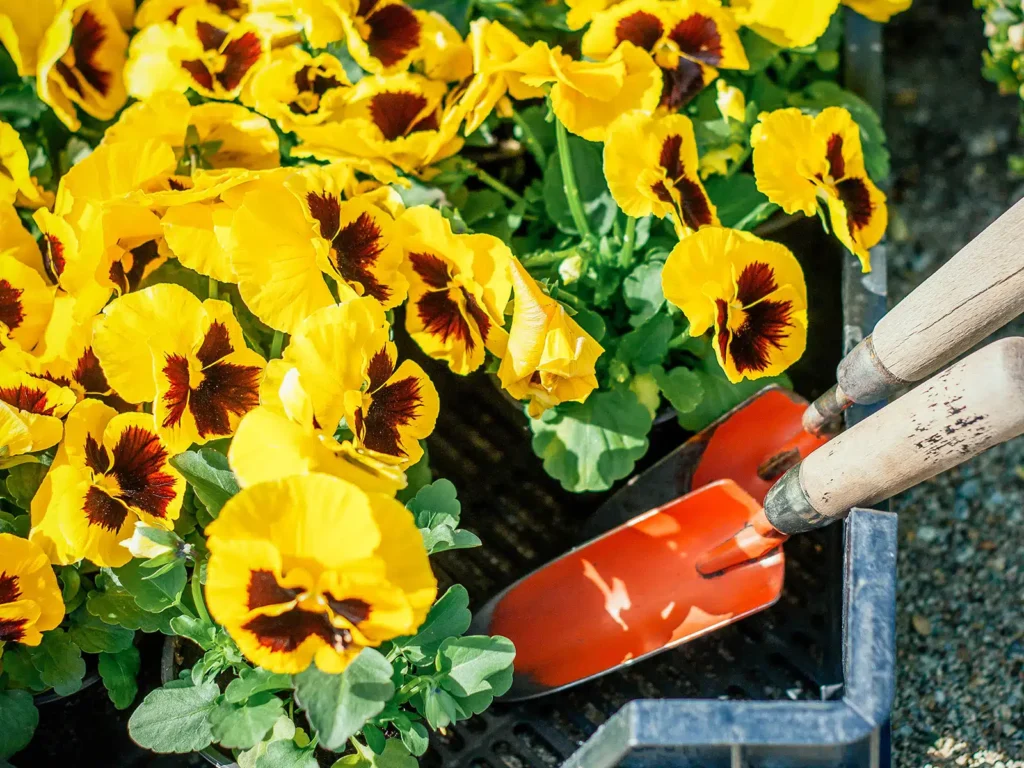
Flowers bring colour, fragrance, and seasonal beauty to gardens, parks, meadows, homes, and natural landscapes. From the familiar rose and tulip to unusual tropical blooms and delicate wildflowers, there are thousands of flowering plants found across the world. Each has its own shape, colour, growing habit, flowering season, and natural habitat.
Understanding the types of flowers can make it easier to identify plants and appreciate the enormous variety found in nature. Some flowers grow best in sunny gardens, while others prefer shade, woodland, wetlands, or dry environments. Certain species bloom in spring, while others add colour during summer, autumn, or even winter.
This article presents a detailed list of flowers, including popular garden plants, wildflowers, perennial and annual varieties, and well-known flowering species. It also includes flower names that readers in the USA and UK may commonly encounter.
What Are the Main Types of Flowers?
Flowers can be classified in several different ways. Botanists may classify flowering plants according to their scientific characteristics, while gardeners often group them according to their growing habits or flowering seasons.
Some common categories include:
- Annual flowers – Plants that generally complete their life cycle within one growing season.
- Perennial flowers – Plants that live for several years and usually return each growing season.
- Biennial flowers – Plants that typically complete their life cycle over two years.
- Bulb flowers – Plants such as tulips and daffodils that grow from bulbs or similar underground structures.
- Wildflowers – Flowering plants that grow naturally in meadows, woodland, grassland, and other habitats.
- Tropical flowers – Species associated with warm climates and often known for striking colours and unusual shapes.
- Native flowers – Plants naturally occurring in a particular geographic region before widespread cultivation or introduction.
These categories can overlap. For example, a flower may be both a perennial and a wildflower, depending on its species and where it grows.
A List of Flowers and Flower Names
The following list of flowers includes familiar species and varieties from gardens, landscapes, forests, grasslands, and other environments.
1. Rose
Rose
Roses are among the best-known flowers in the world. They belong to the genus Rosa and occur in many colours, forms, and growth habits. Garden roses may have single or densely layered petals and can be shrubs, climbers, or compact plants.
2. Tulip
Tulip
Tulips are bulb-grown flowers associated strongly with spring. They are available in numerous colours and flower shapes. Their simple, upright blooms make them popular in gardens and public displays.
3. Sunflower
Common sunflower
The common sunflower is known for its large flower head and bright yellow ray florets. It is an annual plant that grows particularly well in sunny locations.
4. Daisy
Common daisy
The common daisy is a familiar small flower with white petals surrounding a yellow centre. It is widespread in lawns, grasslands, and gardens, particularly across the UK and parts of Europe.
5. Lily
Lily
True lilies belong to the genus Lilium. They produce elegant flowers in various colours and forms and are widely grown as ornamental plants.
6. Daffodil
Daffodil
Daffodils are spring-flowering bulb plants recognised by their trumpet-like central corona. Yellow and white are common colours, although different cultivars offer additional combinations.
7. Lavender
Lavender
Lavender is valued for its fragrant foliage and purple flower spikes. It is particularly associated with sunny, well-drained locations and is widely cultivated in the USA and UK.
8. Marigold
Marigold
Marigolds are popular flowering annuals with bright yellow, orange, or reddish blooms. They are frequently planted in borders, containers, and ornamental beds.
9. Orchid
Orchid
Orchids belong to one of the largest families of flowering plants. Their flowers vary enormously in size, colour, and structure, and many species are cultivated as houseplants.
10. Peony
Peony
Peonies are long-lived flowering plants known for their large, often highly layered blooms. They are especially popular in temperate gardens and commonly flower in late spring and early summer.
11. Hydrangea
Hydrangea
Hydrangeas are shrubs recognised for large clusters of flowers. Depending on the species and cultivar, blooms may be white, pink, blue, purple, or greenish.
12. Carnation
Carnation
Carnations have frilled petals and a distinctive fragrance. They are cultivated in gardens and also widely used as cut flowers.
13. Chrysanthemum
Chrysanthemum
Chrysanthemums produce flowers in numerous forms and colours. They are particularly associated with autumn displays in many parts of the USA and UK.
14. Iris
Iris
Iris flowers are recognised by their distinctive petal structure and often vivid colours. Some iris species grow from rhizomes, while others develop from bulbs.
15. Dahlia
Dahlia
Dahlias are known for their impressive range of flower shapes, sizes, and colours. They are popular ornamental plants and can produce blooms from summer into autumn.
16. Poppy
Poppy
Poppies include annual and perennial species. The flowers may be red, orange, pink, purple, or white. The field poppy is particularly associated with European farmland and remembrance traditions.
17. Jasmine
Jasmine
Jasmine species are commonly grown for their small, highly fragrant flowers. Depending on the species, plants can be shrubs, climbers, or other growth forms.
18. Gardenia
Gardenia
Gardenias are evergreen shrubs known for glossy foliage and strongly scented white flowers. They generally prefer warm conditions and are often grown indoors or outdoors in suitable climates.
19. Begonia
Begonia
Begonias are a diverse group of flowering plants. They are available in many flower and foliage forms and are commonly grown in containers, borders, and indoor settings.
20. Petunia
Petunia
Petunias are popular bedding and container plants. Their trumpet-shaped flowers can appear in many colours, making them common choices for summer displays.
100 Types of Flowers
For readers looking for a larger list of flowers, the following selection provides 100 flower names. The list includes ornamental plants, wildflowers, bulbs, flowering shrubs, and other well-known species.
- Rose
- Tulip
- Sunflower
- Daisy
- Lily
- Daffodil
- Lavender
- Marigold
- Orchid
- Peony
- Hydrangea
- Carnation
- Chrysanthemum
- Iris
- Dahlia
- Poppy
- Jasmine
- Gardenia
- Begonia
- Petunia
- Zinnia
- Geranium
- Gerbera daisy
- Snapdragon
- Cosmos
- Aster
- Anemone
- Bluebell
- Crocus
- Freesia
- Hyacinth
- Lilac
- Magnolia
- Camellia
- Azalea
- Rhododendron
- Foxglove
- Hollyhock
- Delphinium
- Lupine
- Sweet pea
- Morning glory
- Nasturtium
- Pansy
- Viola
- Primrose
- Forget-me-not
- Cornflower
- Coneflower
- Black-eyed Susan
- Coreopsis
- Yarrow
- Verbena
- Phlox
- Dianthus
- Salvia
- Columbine
- Bleeding heart
- Hellebore
- Snowdrop
- Foxglove
- Calendula
- Impatiens
- Lobelia
- Nicotiana
- Alyssum
- Bachelor’s button
- Bee balm
- Goldenrod
- Buttercup
- Primula
- Heather
- Wisteria
- Honeysuckle
- Bougainvillea
- Hibiscus
- Plumeria
- Bird of paradise
- Protea
- Passion flower
- Lotus
- Water lily
- Camassia
- Fritillaria
- Allium
- Crocosmia
- Ranunculus
- Cyclamen
- Amaryllis
- Gladiolus
- Tuberose
- Freesia
- Scented stock
- Wallflower
- Verbascum
- Candytuft
- Sweet William
- Sea holly
- Queen Anne’s lace
- California poppy
Some names in this list refer to genera or broad common-name groups rather than a single botanical species. Common flower names can vary by region, which is why scientific names are often used for precise identification.
Flower Varieties With Pictures
When searching for flower varieties with pictures, it is useful to compare the flower’s shape, petals, leaves, stems, and overall growth habit rather than relying on colour alone. Many unrelated flowers can have similar colours.
For example, yellow flowers may include sunflowers, daffodils, marigolds, buttercups, coreopsis, and yellow roses. White flowers may include daisies, lilies, gardenias, magnolias, and certain hydrangeas.
Flower pictures are particularly useful for beginners because visual characteristics can make identification easier. However, a photograph may not show important details such as leaf arrangement, plant height, flowering period, or habitat.
Flower Species and Botanical Names
The word “flower” describes the reproductive structure of a flowering plant, rather than a single group of plants. Flowering plants are known botanically as angiosperms and include an enormous range of species.
For accurate identification, botanists generally use a scientific name consisting of a genus and species. For example:
- Rose — Rosa spp.
- Sunflower — Helianthus annuus
- Common daisy — Bellis perennis
- Lavender — Lavandula spp.
- Common poppy — Papaver rhoeas
- Common foxglove — Digitalis purpurea
- Daffodil — Narcissus spp.
- Common bluebell — Hyacinthoides non-scripta
- English lavender — Lavandula angustifolia
- Common jasmine — Jasminum officinale
Using scientific names is particularly helpful because common names can refer to different plants in different regions.
Popular Flowers in the USA and UK
The range of flowers found in the USA and UK varies because the countries have different climates, landscapes, and native plant communities.
In the UK, familiar flowers include bluebells, foxgloves, primroses, snowdrops, daffodils, roses, lavender, poppies, and daisies. Native wildflowers are often associated with woodland, hedgerows, meadows, and grasslands.
In the USA, commonly encountered flowers include sunflowers, coneflowers, black-eyed Susans, California poppies, roses, marigolds, zinnias, asters, and numerous native wildflowers. Because the USA covers a large geographic area, flower species vary considerably between regions.
Climate also affects flowering time. A flower that blooms in early spring in one location may bloom later in a colder region.
Flowers by Colour
Colour is one of the easiest ways to organise a flower collection or identify a bloom.
Red flowers: roses, poppies, tulips, geraniums, carnations, and salvias.
Yellow flowers: sunflowers, daffodils, marigolds, buttercups, coreopsis, and goldenrod.
Blue flowers: bluebells, cornflowers, delphiniums, hydrangeas, and some irises.
Purple flowers: lavender, lilacs, asters, petunias, violets, and alliums.
Pink flowers: peonies, cherry blossoms, carnations, roses, cosmos, and begonias.
White flowers: daisies, lilies, gardenias, jasmine, magnolias, and snowdrops.
Flower colour can change within certain species. Hydrangeas, for example, can produce different flower colours depending partly on the cultivar and growing conditions.
Flowers by Season
Flowering seasons are another useful way to understand different flower types.
Spring flowers commonly include tulips, daffodils, crocuses, hyacinths, snowdrops, primroses, and bluebells.
Summer flowers include roses, sunflowers, lavender, dahlias, zinnias, lilies, petunias, and coneflowers.
Autumn flowers can include chrysanthemums, asters, dahlias, goldenrod, and some varieties of rudbeckia.
Winter flowers are less common in colder climates, but plants such as hellebores, winter jasmine, and snowdrops can provide flowers during colder parts of the year, depending on local conditions.
Why Are There So Many Flower Varieties?
Flowering plants have evolved to survive in an enormous range of environments. Differences in temperature, rainfall, soil, sunlight, pollinators, and geography have contributed to the diversity of flowering plants.
Human cultivation has also produced thousands of named cultivars. Gardeners and plant breeders have selected plants for characteristics such as flower colour, petal shape, fragrance, plant size, disease resistance, and flowering period.
As a result, a single flower group can contain a remarkable range of forms. Roses, dahlias, chrysanthemums, tulips, and orchids are good examples of plants with extensive cultivated diversity.
Flowers and Pollinators
Flowers are important components of many ecosystems. Their colours, scents, shapes, and nectar can attract pollinators such as bees, butterflies, moths, beetles, hummingbirds, and other animals.
Native flowers can be particularly valuable to local wildlife because they have developed alongside regional ecosystems and pollinator communities. Wildflower meadows, native plant borders, and diverse gardens can provide food and habitat for insects and other organisms.
Not every flower is pollinated in the same way. Some rely mainly on insects, while others are adapted to birds, bats, wind, or other natural mechanisms.
Frequently Asked Questions About Flower Types
How many types of flowers are there?
There are hundreds of thousands of known flowering plant species worldwide. The exact number changes as scientists describe new species and revise plant classifications.
What are the most common flower names?
Some widely recognised flower names include rose, tulip, sunflower, daisy, lily, orchid, lavender, daffodil, marigold, peony, iris, poppy, chrysanthemum, hydrangea, and carnation.
What is the difference between a flower species and a flower variety?
A species is a fundamental biological classification, while “variety” can be used more broadly in everyday gardening. Cultivated plants are also frequently described as cultivars, which are plants selected or bred for particular characteristics.
Where can I find flowers pictures?
Flower pictures can be found in botanical references, gardening resources, plant databases, nature publications, and field guides. For reliable identification, compare photographs with information about leaves, stems, habitat, size, and flowering season.
Final Thoughts
The world of flowers includes far more diversity than the familiar blooms found in a typical garden. From roses and tulips to native wildflowers, orchids, lilies, and unusual tropical species, flowering plants occur in nearly every type of environment.
A list of flowers can be a useful starting point for learning names, while flowers species pictures can help with visual identification. Looking at scientific names, seasonal characteristics, flower structure, leaves, and natural habitat provides an even better understanding of each plant.
Whether you are interested in garden flowers, wildflowers, native plants, or simply want to learn more flower names, exploring different flowers types reveals an important part of the natural world. Each species and variety contributes its own shape, colour, scent, and ecological role, making flowers one of the most diverse and recognisable features of plant life.