Sliding doors are a common feature in many homes across the United States, especially in modern residential buildings, apartments, and houses with backyard patios. They provide natural light, easy outdoor access, and improved ventilation. However, they are also considered one of the more vulnerable entry points in a home if not properly secured.
Table of Contents
ToggleUnderstanding how to secure sliding doors is important for improving home safety and reducing the risk of unauthorized entry. Whether it is a sliding glass patio door, a balcony door, or a backyard entrance, proper security measures can significantly improve protection.
This article explains sliding door security tips, common vulnerabilities, and practical methods for securing sliding glass doors from the inside and outside. It also covers modern locking systems, reinforcement techniques, and safety practices used in homes across the USA.
Why Sliding Glass Doors Need Extra Security
Sliding glass doors are usually made of large glass panels that move horizontally along a track. While they are visually appealing and functional, their structure can make them more vulnerable compared to traditional hinged doors.
The main security concerns include:
- Weak factory-installed locks
- Large glass surface that can be broken
- Easy lifting from the track if not secured
- Exposure to backyard or patio access points
Because these doors often lead to private outdoor spaces, they are a common focus when discussing patio door safety and home protection strategies.
Common Weak Points in Sliding Door Security
Understanding vulnerabilities is the first step in improving sliding glass door security.
1. Basic Latch Locks
Many sliding doors come with simple latch locks that can be easily forced open or bypassed.
2. Track Lifting
If not properly secured, sliding doors can sometimes be lifted off their tracks from the outside.
3. Weak Glass Panels
Standard glass panels can be broken with enough force, providing entry even if the lock is engaged.
4. Poor Frame Quality
Older homes or budget installations may have weaker aluminum or vinyl frames that are easier to manipulate.
How to Secure Sliding Doors Effectively
There are several practical methods for securing sliding doors, ranging from simple household solutions to advanced security systems.
Install a Secondary Lock
Adding a secondary lock is one of the most effective sliding door security tips. These locks are installed at the top or bottom of the door and provide an additional layer of protection beyond the built-in latch.
Use a Security Bar or Rod
A security bar placed in the track prevents the door from being opened even if the lock is compromised. This is one of the most common methods for securing sliding glass doors in residential homes.
Reinforce the Door Track
Strengthening the track makes it harder for the door to be lifted out. Metal reinforcement bars or anti-lift devices are often used for this purpose.
Sliding Door Security from the Inside
Most home security improvements focus on securing sliding doors from the inside. This is because most break-ins involve forced entry rather than exterior manipulation.
Door Pin Locks
A door pin lock passes through the sliding panel and frame, preventing movement. This is a simple but effective method for securing patio doors.
Security Sensors
Modern homes often use smart sensors that alert homeowners if the door is opened unexpectedly. These are part of broader home security systems offered by companies like ADT Inc. and SimpliSafe.
Smart Locks
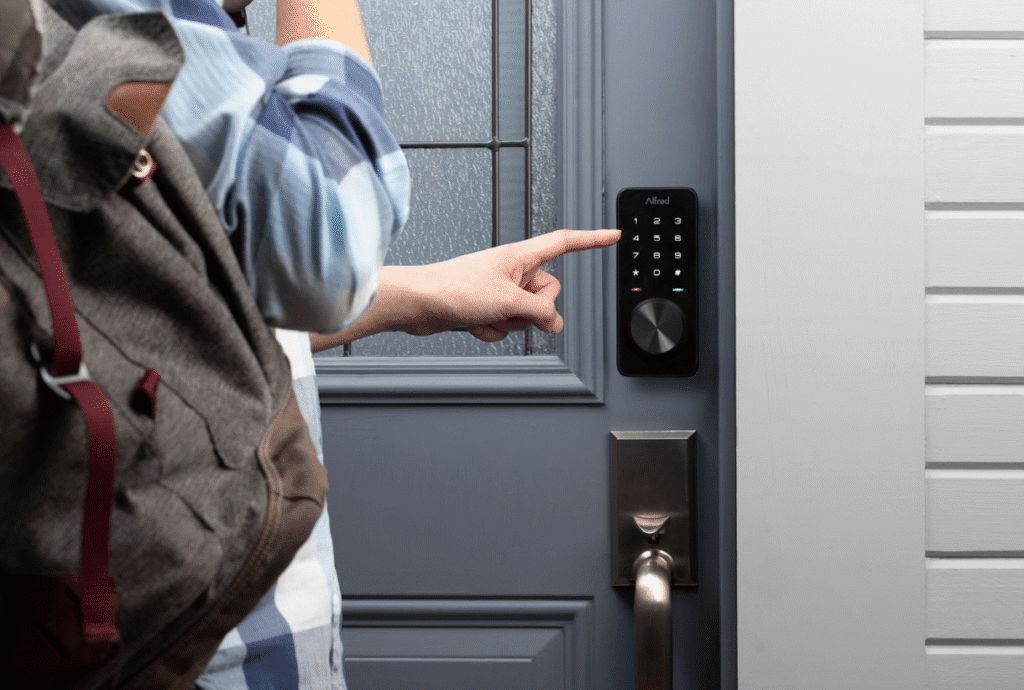
Smart locking systems allow remote monitoring and control. These devices can integrate with mobile apps and home automation systems.
How to Secure a Sliding Glass Door from the Outside
While most security measures are internal, there are also ways to improve external resistance.
Shatter-Resistant Film
Applying security film to the glass makes it harder to break. Even if the glass cracks, the film holds it together, delaying entry.
Exterior Lighting
Proper lighting around patios and backyards reduces the chance of unauthorized access. Motion-activated lights are especially effective.
Landscaping for Security
Strategic landscaping, such as thorny bushes or open visibility areas, can deter potential intruders.
Patio Door Safety in Residential Homes
Patio doors are often located at the back of homes, making them less visible from the street. This makes patio door safety an important part of overall home security.
In many American households, patio doors are used frequently for outdoor access, which means they must balance convenience and protection.
Key safety practices include:
- Keeping doors locked at all times when not in use
- Installing reinforced glass panels
- Regularly checking lock mechanisms
- Ensuring smooth track operation
Sliding Door Protection Materials and Upgrades
Modern security improvements often involve upgrading materials and components.
Laminated Glass
Laminated glass consists of multiple layers bonded together, making it much harder to break compared to standard glass.
Reinforced Aluminum Frames
Stronger frames provide better resistance against forced entry attempts.
Heavy-Duty Rollers
High-quality rollers ensure smooth operation and reduce the risk of door derailment.
Companies like Andersen Corporation and Pella Corporation are known in the USA for producing durable sliding door systems designed with improved security features.
Sliding Door Security Systems in Modern Homes
Home security systems have evolved significantly over the past decade. Sliding doors are now commonly integrated into smart home setups.
Motion Sensors
These detect movement near doors and trigger alarms or notifications.
Glass Break Sensors
These sensors detect vibrations or sound patterns associated with breaking glass.
Smart Cameras
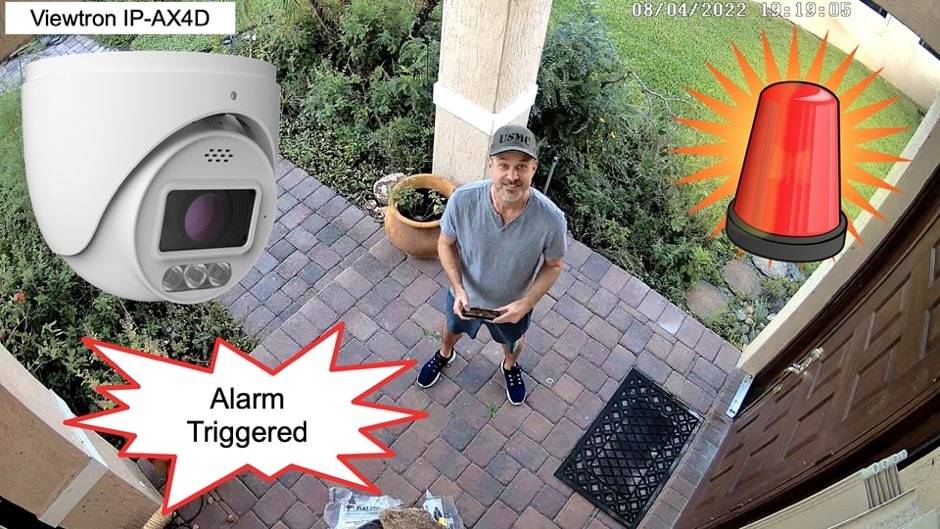
Outdoor cameras provide real-time monitoring of patio and backyard entrances.
These systems are widely used across American households to improve overall home protection.
Sliding Glass Door Maintenance for Security
Regular maintenance is an important part of securing sliding doors. Poorly maintained doors are easier to break into or manipulate.
Track Cleaning
Dirt and debris can affect door alignment and locking performance.
Lubrication
Proper lubrication ensures smooth movement and prevents jamming.
Lock Inspection
Locks should be checked regularly for wear or damage.
Sliding Door Security Tips for Homeowners
Practical security habits can significantly reduce risk even without expensive upgrades.
- Always lock doors before leaving home or sleeping
- Avoid leaving keys near the door
- Use curtains or blinds for privacy
- Install visible deterrents like security cameras
- Reinforce glass surfaces in vulnerable areas
These simple practices improve sliding glass door security without requiring major installations.
Common Mistakes in Securing Sliding Doors
Many homeowners overlook key security aspects.
Relying Only on Factory Locks
Basic locks are not sufficient for full protection.
Ignoring Track Security
Weak tracks can allow doors to be lifted or forced open.
Not Using Glass Protection
Unprotected glass is one of the easiest entry points.
Poor Lighting Around Entry Points
Dark areas around patios increase security risks.
Technology and Innovation in Sliding Door Security
Modern technology has significantly improved home security systems.
Smart home ecosystems now allow integration between doors, alarms, cameras, and mobile devices. Companies like Ring and Google Nest offer connected security devices that enhance monitoring and control.
These systems provide real-time alerts and remote access, improving response time in case of unauthorized entry attempts.
Residential Trends in Sliding Door Usage in the USA
Sliding glass doors are increasingly popular in American homes due to modern architectural designs that emphasize open spaces and natural light.
However, this popularity has also increased awareness about security risks. As a result, homeowners are investing more in reinforced doors, smart locks, and integrated security systems.
Balancing Security and Convenience
One of the main challenges in sliding door security is maintaining ease of use while improving protection. Overly complex systems may discourage regular use, while simple systems may not provide enough security.
The most effective approach is combining multiple layers:
- Strong physical locks
- Reinforced glass
- Smart monitoring systems
- Good maintenance practices
This layered approach improves safety without reducing usability.
Conclusion
Understanding how to secure sliding doors is essential for maintaining home safety, especially in modern homes across the United States where sliding glass patio doors are common. While these doors offer convenience and aesthetic appeal, they require additional security measures due to their structure and exposure.
From simple solutions like security bars and door pins to advanced systems involving smart sensors and reinforced glass, there are many ways to improve sliding door protection. Regular maintenance, combined with modern security upgrades, significantly reduces risk and enhances overall safety.
As home security technology continues to evolve, sliding glass door security will become even more advanced, offering homeowners better control, monitoring, and peace of mind without sacrificing convenience.