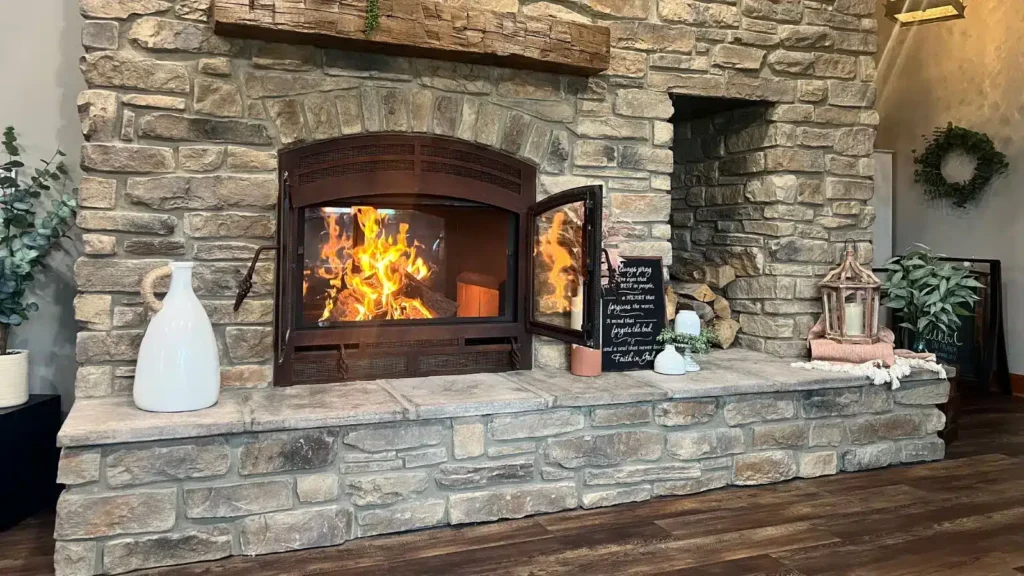
A fireplace has long been a central feature in many American homes. Beyond providing warmth during colder months, fireplaces contribute to indoor comfort, visual appeal, and overall property value. Whether fueled by natural gas, propane, or wood, a properly functioning fireplace can serve as both a practical heating source and a focal point within a living space.
Like any home system, fireplaces experience wear and tear over time. Exposure to heat, moisture, combustion byproducts, and environmental conditions can gradually affect performance and safety. As a result, fireplace repair becomes an important aspect of home maintenance.
Many homeowners search for information about fireplace repairs, gas fireplace repair, wood burning fireplace repair, or repair fireplace services when they begin noticing operational issues. Understanding common fireplace problems, maintenance considerations, and repair needs can help property owners protect their investment and maintain safe operation throughout the year.
Why Fireplace Maintenance and Repair Matter
Fireplaces operate under demanding conditions. High temperatures, repeated heating and cooling cycles, and exposure to combustion gases place stress on multiple components.
Over time, even well-built fireplaces may develop issues involving:
- Fireboxes
- Chimneys
- Dampers
- Gas lines
- Ignition systems
- Masonry structures
- Venting systems
- Glass panels
- Hearth components
Ignoring minor problems can allow them to worsen, potentially affecting safety, energy efficiency, and overall fireplace performance.
Regular inspections and timely fireplace repair help identify concerns before they become major issues.
Understanding Different Types of Fireplaces
Modern homes may contain several different fireplace designs, each with unique maintenance and repair requirements.
Wood-Burning Fireplaces
Wood-burning fireplaces remain popular due to their traditional appearance and natural flame characteristics.
Common components include:
- Firebox
- Chimney
- Flue liner
- Damper
- Smoke chamber
- Hearth
Because combustion produces creosote and soot, these systems require regular inspection and maintenance.
Gas Fireplaces
Gas fireplaces offer convenience and cleaner operation compared to wood-burning systems.
Common components include:
- Burner assembly
- Ignition system
- Pilot light
- Thermocouple
- Gas valve
- Venting system
- Control module
Gas fireplace repair often focuses on these specialized components.
Electric Fireplaces
Electric fireplaces do not produce combustion gases and generally require less maintenance.
However, electrical issues, heating element failures, and control system problems may occasionally require attention.
Common Signs That Fireplace Repairs May Be Needed
Many fireplace issues begin with subtle warning signs.
Recognizing these indicators early can help prevent larger problems from developing.
Smoke Entering the Room
A properly functioning fireplace should direct smoke safely through the chimney or venting system.
Smoke entering the living area may indicate:
- Chimney blockage
- Damaged flue
- Draft problems
- Damper issues
Difficulty Starting a Gas Fireplace
Gas fireplace repair may be necessary if ignition becomes unreliable.
Possible causes include:
- Faulty igniter
- Thermocouple problems
- Gas valve issues
- Electronic control failures
Cracked Masonry
Visible cracks in brick, stone, or mortar can signal structural deterioration.
Masonry damage may affect both appearance and safety.
Excessive Odors
Persistent odors may indicate:
- Creosote buildup
- Moisture intrusion
- Ventilation issues
- Combustion problems
Unusual Noises
Grinding, clicking, popping, or rattling sounds can suggest mechanical or structural concerns that warrant professional evaluation.
The Role of Fireplace Repair in Home Safety
Safety remains one of the most important reasons to address fireplace issues promptly.
A damaged fireplace can increase risks associated with:
- House fires
- Carbon monoxide exposure
- Smoke infiltration
- Structural deterioration
- Gas leaks
Timely fireplace repairs help reduce these hazards while maintaining reliable operation.
For homeowners throughout the United States, fireplace safety should remain a year-round priority rather than a seasonal concern.
Gas Fireplace Repair and Modern Heating Systems
Gas fireplaces have become increasingly common in residential construction.
Manufacturers such as Heatilator, Napoleon, Majestic, Empire Comfort Systems, and Superior Fireplaces produce a wide range of gas fireplace models.
Although gas fireplaces generally require less maintenance than wood-burning systems, repairs can still become necessary.
Common gas fireplace repair issues include:
Ignition Failure
Electronic ignition systems may wear out over time.
Faulty components can prevent the burner from lighting properly.
Pilot Light Problems
Older systems frequently rely on pilot lights.
Pilot outages may result from:
- Dirty components
- Thermocouple failure
- Gas supply interruptions
Burner Malfunctions
Burners can accumulate dust, debris, and combustion residue.
Restricted burner performance may affect flame quality and heating efficiency.
Venting Issues
Direct-vent and vented gas fireplaces depend on proper airflow.
Blocked or damaged vent systems can reduce performance and create safety concerns.
Wood Burning Fireplace Repair and Structural Integrity
Wood burning fireplace repair often involves both functional and structural components.
Unlike gas units, wood-burning fireplaces rely heavily on masonry construction and chimney performance.
Common repair areas include:
Firebox Damage
The firebox experiences extreme temperatures during operation.
Over time, refractory panels and fire bricks may crack or deteriorate.
Mortar Joint Deterioration
Heat and moisture exposure can weaken mortar joints.
Damaged mortar may require repointing to maintain structural stability.
Chimney Crown Damage
The chimney crown helps protect masonry from water intrusion.
Cracks can allow moisture penetration that accelerates deterioration.
Flue Liner Problems
The flue liner protects surrounding structures from heat and combustion gases.
Damaged liners can compromise fireplace safety and efficiency.
Moisture Damage and Fireplace Deterioration
Water is one of the most common causes of fireplace-related problems.
Moisture can enter through:
- Chimney caps
- Flashing
- Masonry cracks
- Crown damage
- Venting systems
Water intrusion may lead to:
- Brick deterioration
- Rust formation
- Mold growth
- Structural weakening
Many repair fireplace projects involve correcting moisture-related damage before additional deterioration occurs.
Chimney Components That Affect Fireplace Performance
The chimney serves as a critical part of many fireplace systems.
Several chimney components influence overall operation.
Chimney Cap
A chimney cap helps prevent rain, debris, and animals from entering the flue.
Flashing
Flashing seals the area where the chimney meets the roof.
Damaged flashing can allow water infiltration.
Crown
The crown protects the chimney structure from weather exposure.
Flue
The flue provides a safe pathway for combustion gases.
Damage to any of these components may require professional fireplaces repair services.
Energy Efficiency and Fireplace Performance
An inefficient fireplace can increase energy costs and reduce indoor comfort.
Common efficiency-related issues include:
- Damaged dampers
- Air leaks
- Poor combustion
- Inadequate venting
- Worn seals
Proper fireplace repair can help restore efficient operation and improve heat retention.
Energy-conscious homeowners increasingly recognize the value of maintaining fireplace performance.
Seasonal Factors That Affect Fireplaces
Climate conditions across the United States can influence fireplace longevity.
Freeze-Thaw Cycles
In colder regions, repeated freezing and thawing can damage masonry materials.
Heavy Rainfall
Excessive moisture exposure may accelerate structural deterioration.
Humidity
High humidity levels can contribute to corrosion and moisture-related damage.
Snow and Ice
Winter weather can place additional stress on chimney structures.
Seasonal inspections often help identify issues before they become severe.
Fireplace Repairs and Indoor Air Quality
A properly functioning fireplace contributes to healthier indoor air quality.
Problems that may affect air quality include:
- Smoke leakage
- Creosote buildup
- Incomplete combustion
- Ventilation issues
Addressing fireplace repair needs can help maintain cleaner indoor air and reduce occupant exposure to harmful contaminants.
Understanding Creosote Accumulation
Creosote is a byproduct of wood combustion that accumulates inside chimneys.
It can appear in several forms:
- Flaky deposits
- Tar-like residue
- Hardened glaze
Excessive creosote buildup creates a significant fire hazard.
Wood-burning fireplaces require periodic cleaning and inspection to manage creosote accumulation effectively.
Modern Fireplace Technology and Repair Considerations
Today’s fireplaces often incorporate advanced technology.
Features may include:
- Electronic ignition systems
- Remote controls
- Smart thermostats
- Variable flame settings
- Safety sensors
While these innovations improve convenience, they also introduce additional components that may require maintenance or repair.
Gas fireplaces repair services increasingly involve diagnostic procedures for electronic systems.
Fireplace Repair and Home Value
Well-maintained fireplaces can contribute positively to residential property value.
Prospective buyers often appreciate:
- Functional fireplaces
- Safe operation
- Clean appearance
- Professional maintenance history
Conversely, visible damage or neglected maintenance may raise concerns during property inspections.
Addressing repair needs proactively can help preserve both functionality and property appeal.
The Importance of Professional Inspections
Even when a fireplace appears to function normally, hidden issues may exist.
Professional inspections can identify:
- Structural deterioration
- Venting deficiencies
- Gas leaks
- Moisture damage
- Combustion problems
Organizations such as the National Fireplace Institute and the Chimney Safety Institute of America emphasize the importance of routine inspections and maintenance.
These evaluations help ensure continued compliance with safety standards and manufacturer recommendations.
Repairing Masonry Fireplaces
Masonry fireplaces remain common in older American homes.
Repair projects may involve:
- Brick replacement
- Mortar repointing
- Crown reconstruction
- Firebox restoration
- Chimney stabilization
Because masonry systems are exposed to both heat and weather, periodic repairs are often necessary throughout their lifespan.
Fireplace Repair Trends in the United States
Several factors continue to influence fireplace maintenance and repair demand.
These include:
- Aging housing stock
- Increased focus on home safety
- Energy efficiency improvements
- Smart home integration
- Climate-related wear
As homeowners invest in maintaining existing properties, fireplace repairs remain an important aspect of long-term home care.
Long-Term Benefits of Timely Fireplace Repairs
Addressing fireplace issues promptly offers several advantages.
These include:
- Improved safety
- Better heating performance
- Reduced repair costs
- Extended fireplace lifespan
- Enhanced indoor comfort
- Improved energy efficiency
Preventive maintenance and timely repairs often prove more cost-effective than addressing major structural failures later.
Conclusion
A fireplace provides warmth, comfort, and visual appeal, but it also requires ongoing care to remain safe and efficient. Whether dealing with gas fireplace repair, wood burning fireplace repair, fireplace repairs, or broader repair fireplace concerns, proper maintenance plays a critical role in protecting both the home and its occupants.
From ignition systems and burners to masonry structures and chimney components, every part of a fireplace contributes to overall performance. Addressing problems early helps reduce safety risks, improve efficiency, and extend the lifespan of the entire system.
For homeowners throughout the United States, understanding the importance of fireplace repair is an essential step toward maintaining a reliable, comfortable, and safe living environment for years to come.