Clean windows are an essential aspect of maintaining a home’s appearance and functionality. Whether for residential window washing, routine maintenance, or improving natural light indoors, having an effective solution to wash windows is key. From DIY window cleaning methods to homemade window washing solution for squeegee use, homeowners across the United States are exploring safe, practical, and efficient ways to maintain sparkling windows.
This article explores various cleaning solutions for windows, including commercial products, homemade alternatives, techniques, and best practices. By understanding the options and methods, homeowners can achieve streak-free, crystal-clear windows while preserving their investment.
Why Clean Windows Matter
Windows are more than just openings to the outside world. Properly cleaned windows:
-
Enhance natural light, brightening interiors and improving mood
-
Improve curb appeal, making homes more inviting in neighborhoods like Austin or Portland
-
Extend the lifespan of windows by preventing buildup of dirt, grime, and hard water deposits
-
Support energy efficiency, as clean windows allow better solar heat and light penetration
Neglecting window cleaning can result in stubborn stains, scratched glass, and a dull appearance, making routine maintenance a priority.
Understanding Solutions to Wash Windows
A solution to wash windows is a liquid mixture designed to dissolve dirt, grease, and grime without damaging the glass, frames, or surrounding surfaces. Depending on your preference and budget, solutions fall into three categories:
-
Commercial Window Cleaning Solutions – Pre-mixed liquids sold at hardware stores, often including streak-free agents.
-
Homemade Window Washing Solutions – DIY blends using common household items like vinegar, dish soap, and water.
-
Professional-Grade Detergents – Stronger formulations for larger homes, commercial buildings, or high-rise windows.
Each type has advantages depending on the scale of the task, environmental concerns, and desired results.
Best Solution for Washing Windows
The best solution for washing windows effectively removes dirt while minimizing streaks. Some widely recommended options include:
-
Commercial glass cleaners – Convenient, pre-mixed, and designed to leave a streak-free finish.
-
Vinegar and water solution – A 1:1 mixture of white vinegar and water is effective for residential windows, including how to wash house windows with minimal streaking.
-
Dish soap and water solution – A few drops of mild dish soap in warm water works for heavy grime or kitchen and bathroom windows.
For homemade window washing solution for squeegee, many homeowners mix:
-
2 cups water
-
1/4 cup white vinegar
-
1/2 teaspoon liquid dish soap
This mixture is safe, eco-friendly, and works well with squeegees, microfiber cloths, or paper towels.
Tools for Window Cleaning
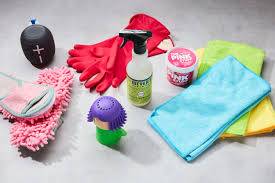
Having the right tools improves efficiency and quality. Essential equipment for DIY window cleaning includes:
-
Squeegee – Ensures streak-free drying of glass surfaces
-
Microfiber cloths – Soft and lint-free for wiping edges and corners
-
Buckets – For mixing cleaning solution for windows
-
Scrapers – For removing tough residues like paint or stickers
-
Extension poles – For tall windows in multi-story homes or loft spaces
Choosing high-quality tools tailored to your window size and type can dramatically reduce cleaning time and improve results.
Step-by-Step Window Cleaning Process
Effective residential window washing requires a systematic approach:
1. Prepare the Solution
-
Mix the chosen cleaning solution (commercial or homemade) in a bucket.
-
Avoid harsh chemicals that can damage window seals or frames.
2. Dust and Remove Loose Dirt
-
Use a dry microfiber cloth or brush to remove dust, cobwebs, and loose debris from the window and frame.
-
This prevents scratching when using the cleaning solution.
3. Apply Cleaning Solution
-
Dip a sponge or cloth into the solution.
-
Spread evenly across the window, covering the entire surface.
4. Use Squeegee for Streak-Free Finish
-
Start at the top and pull downward in straight lines.
-
Wipe the squeegee blade with a clean cloth between strokes.
5. Dry Edges and Frames
-
Use a lint-free cloth to wipe excess solution from edges and frames.
-
Ensure no water remains on the sill or frame to prevent damage.
6. Inspect and Touch Up
-
Look for streaks or missed spots.
-
Use a small cloth and solution to correct imperfections.
Tips for Efficient DIY Window Cleaning
To improve your solution to clean windows and overall results:
-
Clean windows on cloudy days – Direct sunlight can cause the solution to dry too quickly, leaving streaks.
-
Use two buckets – One for solution, one for rinse water to prevent re-depositing dirt.
-
Work from top to bottom – Prevents dirty water from dripping onto already cleaned sections.
-
Rotate cloths regularly – Keeps lint and dirt from smearing on the glass.
-
Avoid ammonia indoors – While effective, it has strong fumes that may irritate occupants.
By following these simple tips, homeowners can achieve a professional-quality finish without expensive equipment.
Types of Windows and Cleaning Considerations
Different window types require slightly different approaches:
-
Single-hung and double-hung windows – Clean interior and exterior surfaces separately.
-
Sliding windows – Remove screens to clean thoroughly.
-
French doors and multi-pane windows – Use small cloths or brushes for individual panes.
-
Tinted or coated windows – Avoid acidic solutions; use mild dish soap and water.
Understanding your window type helps in selecting the best solution for window cleaning and the proper technique.
Environmental and Safety Considerations
When choosing or making a solution to wash windows, consider:
-
Eco-friendly ingredients – Vinegar and water are biodegradable and safe.
-
Avoid harsh chemicals – Some commercial solutions contain ammonia or other solvents that can harm indoor air quality.
-
Proper ventilation – Open windows and doors when using concentrated cleaners.
-
Safety gear – Gloves and non-slip footwear prevent accidents, especially for tall or exterior windows.
Sustainable cleaning practices protect both your family and the environment while keeping windows sparkling.
Homemade Window Washing Solutions
For homeowners seeking a budget-friendly option, DIY window cleaning solutions are highly effective. Popular recipes include:
1. Vinegar and Water
-
1 part white vinegar to 1 part water
-
Optional few drops of dish soap for heavy grease
2. Lemon Juice Solution
-
2 tablespoons lemon juice in 2 cups water
-
Natural degreaser and streak-free results
3. Rubbing Alcohol Mix
-
1/4 cup rubbing alcohol, 1/4 cup water, 1 tablespoon vinegar
-
Quick drying and effective for streaks
These solutions are versatile and can be used with squeegees, cloths, or sponges, making them ideal for homemade window washing solution for squeegee applications.
Professional vs DIY Window Cleaning
While DIY window cleaning is effective for most homes, professional window washers offer advantages:
-
High-reach windows or multi-story homes
-
Specialized equipment for hard-to-reach areas
-
Expert streak-free techniques for large commercial buildings
However, using the best solution for window cleaning at home with proper tools can achieve similar results for standard residential windows.
Seasonal Window Cleaning
Cleaning frequency varies by region and exposure to dirt and weather:
-
Urban areas – Pollution may require monthly washing
-
Suburban homes – Spring and fall cleaning often sufficient
-
Coastal regions – Salt and humidity may necessitate more frequent attention
Regular maintenance prevents buildup, reducing the effort required for each cleaning session.
Troubleshooting Common Window Cleaning Problems
Even with proper solutions and tools, problems can arise:
-
Streaks – Usually caused by dirty squeegee blades or using too much solution
-
Spots – Hard water or mineral deposits can leave marks; vinegar-based solutions help
-
Residue – Soap buildup may appear if solution is too concentrated; rinse thoroughly
Addressing these issues ensures long-lasting clarity and a professional finish.
Tools and Accessories for Optimal Results
Beyond squeegees and cloths, consider:
-
Extension poles – For multi-story window access
-
Scrapers or razors – Remove paint or stickers safely
-
Microfiber mitts – For detailed cleaning of small panes
-
Spray bottles – Easy application of solution to clean windows
Using appropriate tools improves efficiency and reduces fatigue during residential window washing tasks.
Conclusion
Achieving clean, streak-free windows involves selecting the right solution to wash windows, using effective tools, and following proper techniques. Whether using DIY window cleaning methods or commercially available cleaning solution for windows, attention to detail ensures sparkling results that enhance both interior light and exterior appeal.
For homeowners in the United States, mastering how to wash house windows with homemade or professional solutions ensures durability, safety, and visual appeal for years to come. From homemade window washing solution for squeegee to advanced techniques for multi-story homes, understanding the fundamentals of window cleaning is essential for maintaining a pristine, inviting home.
Clean windows not only improve appearance—they also contribute to healthier, brighter living spaces, making proper care a worthwhile investment for any homeowner.