Bathtubs are more than just a space to soak and relax—they are complex systems made of multiple parts that work together to deliver water, control temperature, and drain efficiently. From bathtub faucets to tub drain parts, understanding tub components and parts of a bathtub is essential for homeowners, plumbers, and anyone interested in home maintenance.
Whether you are renovating your bathroom, troubleshooting a leak, or replacing old fixtures, knowing the details of tub parts and bathtub water systems can help you make informed decisions while maintaining safety and functionality.
The Basics of Bathtub Parts
A bathtub is composed of several key elements, each designed to perform specific functions. These bathtub components work together to provide comfort, safety, and water efficiency.
1. Tub Shell
The tub shell is the main body of the bathtub. It is typically made of materials like:
-
Acrylic – Lightweight, durable, and easy to clean
-
Fiberglass – Affordable, flexible, and resistant to cracking
-
Cast Iron – Heavy, long-lasting, retains heat well
-
Porcelain-Enameled Steel – Durable, glossy finish, moderate cost
The tub shell forms the basin where water collects for bathing. Its design also determines the bathtub’s style, depth, and overall aesthetic.
2. Tub Rim and Edges
The tub rim surrounds the shell and serves as a mounting point for faucets, overflow components, and accessories. Some tubs have a deck-mount design, allowing bath tub faucets to be installed directly on the rim.
3. Tub Base or Feet
Older tubs often have visible feet (like clawfoot tubs), while modern drop-in or alcove tubs sit on a hidden base. The base provides structural support and stability, preventing movement when the tub is in use.
Bathtub Faucets and Faucet Parts
Bathtub faucets are essential for delivering hot and cold water into the tub. They come in a variety of designs and tub faucet parts.
Types of Bathtub Faucets
-
Wall-Mounted Faucets – Installed on the wall above the tub
-
Deck-Mounted Faucets – Installed on the tub rim or deck
-
Freestanding Faucets – Stand-alone units for freestanding tubs
Key Tub Faucet Parts
-
Spout: Delivers water into the tub
-
Handles or Knobs: Control hot and cold water flow
-
Valve Cartridge: Regulates water temperature and pressure
-
Escutcheon Plate: Decorative cover for wall-mounted faucets
-
Diverter: Directs water to the tub spout or showerhead
Understanding bathtub faucet parts is essential when repairing leaks, replacing worn components, or upgrading your fixtures.
Tub Drain Parts and Drainage Systems
Proper drainage is crucial for bathtub water management. Tub drain parts ensure water flows out efficiently and prevents leaks or flooding.
Common Tub Drain Parts
-
Strainer or Stopper: Keeps debris from entering the drain
-
Drain Flange: Connects the tub opening to the plumbing system
-
Overflow Plate: Prevents overfilling and connects to the drain system
-
Drain Body: Main component of the plumbing connection
-
Tailpiece or Drain Pipe: Channels water from the tub to the household plumbing
-
Gaskets and Washers: Provide watertight seals between components
Types of Tub Drains
-
Lift-and-Turn: Rotating knob controls the stopper
-
Push-and-Pull: Push down or pull up to open/close
-
Toe-Touch: Press with your toe to control the drain
-
Trip Lever: Uses a lever connected to the overflow plate
Each type has unique bathroom tub drain parts, but all serve the same purpose of controlling water flow.
Parts of a Bathtub Overflow
The overflow prevents water from spilling over the tub edge. Its components include:
-
Overflow Plate: Visible on the tub wall
-
Lever or Push Button: Operates the drain stopper in some models
-
Overflow Tube: Directs water into the drain pipe
Proper maintenance of the overflow ensures safety and prevents water damage in your bathroom.
Tub Water Systems and Plumbing Connections
Bathtub water is controlled through a combination of faucets, valves, and drain systems.
Water Supply Connections
-
Hot and Cold Water Lines: Connected to faucet valves
-
Mixing Valve: Regulates water temperature
-
Shutoff Valves: Allow water to be turned off for maintenance
Drainage Connections
-
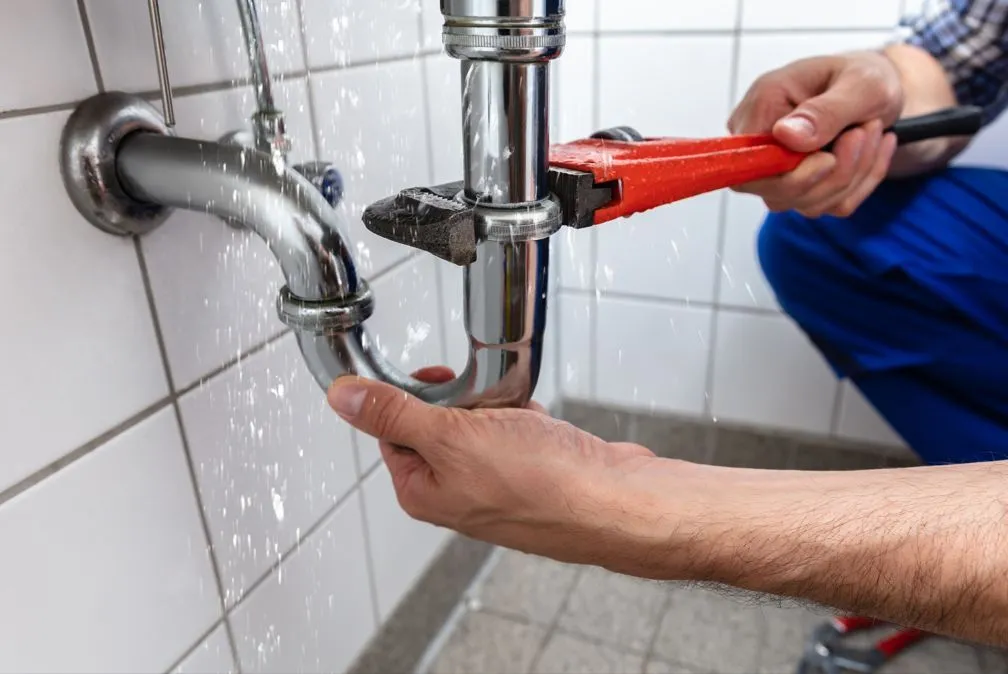
P-Trap: Curved pipe beneath the tub prevents sewer gases from entering the bathroom
-
Tailpieces: Connect the tub drain to the P-trap
-
Vent Pipe: Maintains proper air flow for smooth drainage
By understanding tub drain parts and water connections, homeowners can troubleshoot issues like slow draining or leaks.
Common Tub Components
Here’s a breakdown of essential tub components found in most U.S. homes:
| Component | Function |
|---|---|
| Tub Shell | Main body for water collection |
| Rim/Deck | Mounting area for faucets and accessories |
| Faucet | Delivers hot and cold water |
| Valve Cartridge | Controls water flow and temperature |
| Spout | Directs water into the tub |
| Drain Flange | Connects tub opening to plumbing |
| Stopper/Strainer | Controls water exit and blocks debris |
| Overflow Plate | Prevents overfilling |
| P-Trap | Prevents sewer gases |
| Tailpiece | Channels water to plumbing |
| Handles/Knobs | Control water flow and temperature |
This list covers the most critical bathtub parts for functional operation.
Maintaining Tub Parts
Proper maintenance of bathtub parts extends their lifespan and prevents leaks, corrosion, and water damage.
Faucets and Handles
-
Clean mineral deposits regularly to prevent clogs
-
Inspect valve cartridges for wear and replace if necessary
-
Tighten loose handles to prevent leaks
Drain and Overflow
-
Remove hair and debris from the strainer regularly
-
Check gaskets and washers for tight seals
-
Ensure overflow tubes are unobstructed
Tub Shell
-
Clean with non-abrasive cleaners to prevent scratches
-
Inspect for cracks or chips in enamel or acrylic surfaces
-
Re-caulk edges to maintain watertight seals
Upgrading Tub Components
Modern U.S. bathrooms often include upgraded tub components for better performance, comfort, and aesthetics:
-
Touchless Faucets: Hands-free operation for hygiene
-
Luxury Drain Stoppers: Magnetic or electronic designs
-
Thermostatic Valves: Maintain consistent water temperature
-
Adjustable Hand Showers: Improve usability for soaking or bathing children
These upgrades can be applied to existing bathtub faucet parts and tub drain parts without replacing the entire tub.
Plumbers’ Tips for Tub Parts
-
Always turn off water supply before removing tub faucet parts or drain components.
-
Use plumber’s tape on threaded connections to prevent leaks.
-
Keep replacement gaskets, washers, and cartridges on hand for common repairs.
-
Inspect tub components periodically to avoid water damage or mold.
Tub Components in Modern Design
Today, parts of a bathtub are not only functional but also enhance bathroom aesthetics:
-
Sleek spouts and faucets in brushed nickel, chrome, or matte black finishes
-
Hidden overflow plates for minimalist designs
-
Integrated handheld showers for convenience
-
Bathtub jets or whirlpool components for luxury tubs
Even with advanced features, the underlying tub parts remain similar, including faucets, drain systems, and valves.
Common Issues with Bathtub Parts
Understanding common issues can help with repair and maintenance:
-
Leaky Faucets: Often caused by worn valve cartridges or washers
-
Slow Draining Tubs: Hair clogs, buildup in tub drain parts, or P-trap issues
-
Overflow Leaks: Loose or damaged overflow gaskets
-
Cracked Tub Shell: Improper support or heavy impacts
-
Corroded Drain Flanges: Especially in older metal tubs
Addressing these issues promptly keeps your bathtub functional and prevents water damage.
Conclusion
A bathtub is a combination of carefully designed tub components, including faucets, drain parts, valves, and shells, all working together to provide a safe, efficient, and comfortable bathing experience. Understanding bathtub faucet parts, tub drain parts, and the materials used in parts of a bathtub helps homeowners make informed decisions during maintenance, repair, or upgrades.
From traditional tubs with simple tub components to modern luxury bathtubs with thermostatic valves and touchless faucets, knowing the details of bathtub parts ensures your bathroom remains functional, stylish, and safe. Proper maintenance, timely replacement of worn parts, and awareness of how each component works together can extend the life of your bathtub for years.
Whether you are replacing a bathroom tub drain part, upgrading bathtub water systems, or understanding tub faucet parts, a strong grasp of these elements is essential for every homeowner, contractor, and plumber in the United States.