The steamer for clothes has become a familiar household appliance across the UK and the USA. Once seen mainly in fashion studios and hotels, garment steamers are now widely used at home for everyday clothing care. Their appeal lies in simplicity, speed, and gentler fabric treatment compared with traditional ironing.
Search interest around terms such as best steamer for clothes, garment steamer best, and fabric steamer best reflects a growing shift in how people maintain garments. Rather than replacing irons entirely, steamers now serve a complementary role, especially for delicate fabrics, quick touch-ups, and modern wardrobes.
This article examines clothes steamers from an informational perspective—covering how they work, what defines a good garment steamer, differences between handheld and upright models, and what factors shape clothes steamer reviews—without presenting this as a buying guide or promotional content.
Understanding What a Clothes Steamer Does
A clothes steamer uses heated water to produce steam, which relaxes fabric fibres. When fibres loosen, wrinkles fall out naturally under gravity, without direct pressure. This process differs fundamentally from ironing, which relies on heat and pressure to flatten fabric.
Steamers are commonly used on:
-
Cotton and cotton blends
-
Wool and knitwear
-
Silk and delicate materials
-
Synthetic fabrics such as polyester
Because there is no direct contact with a hot soleplate, steamers reduce the risk of shine marks, scorching, or fabric distortion.
Why Steamers Are Replacing Irons for Some Tasks
In many UK and US households, steamers have become the preferred option for certain clothing types. This change is driven by lifestyle factors rather than novelty.
Key reasons include:
-
Faster setup and use
-
Less physical effort
-
Reduced need for ironing boards
-
Suitability for vertical steaming
For people who wear business-casual clothing, dresses, or layered outfits, steamers often provide enough wrinkle release without the precision ironing requires.
Types of Clothes Steamers
Not all steamers function in the same way. When people search for best laundry steamer or best clothes steamer 2024, they are often comparing different formats rather than individual brands.

Handheld Clothes Steamers
The best handheld steamer for clothes category is especially popular due to compact size and portability.
Typical characteristics:
-
Lightweight and easy to store
-
Smaller water tanks
-
Shorter steaming sessions
-
Ideal for travel or quick use
Handheld models are often described in best handheld garment steamers reviews as practical rather than powerful. They suit users who prioritise convenience over continuous steaming.
Upright or Standing Garment Steamers
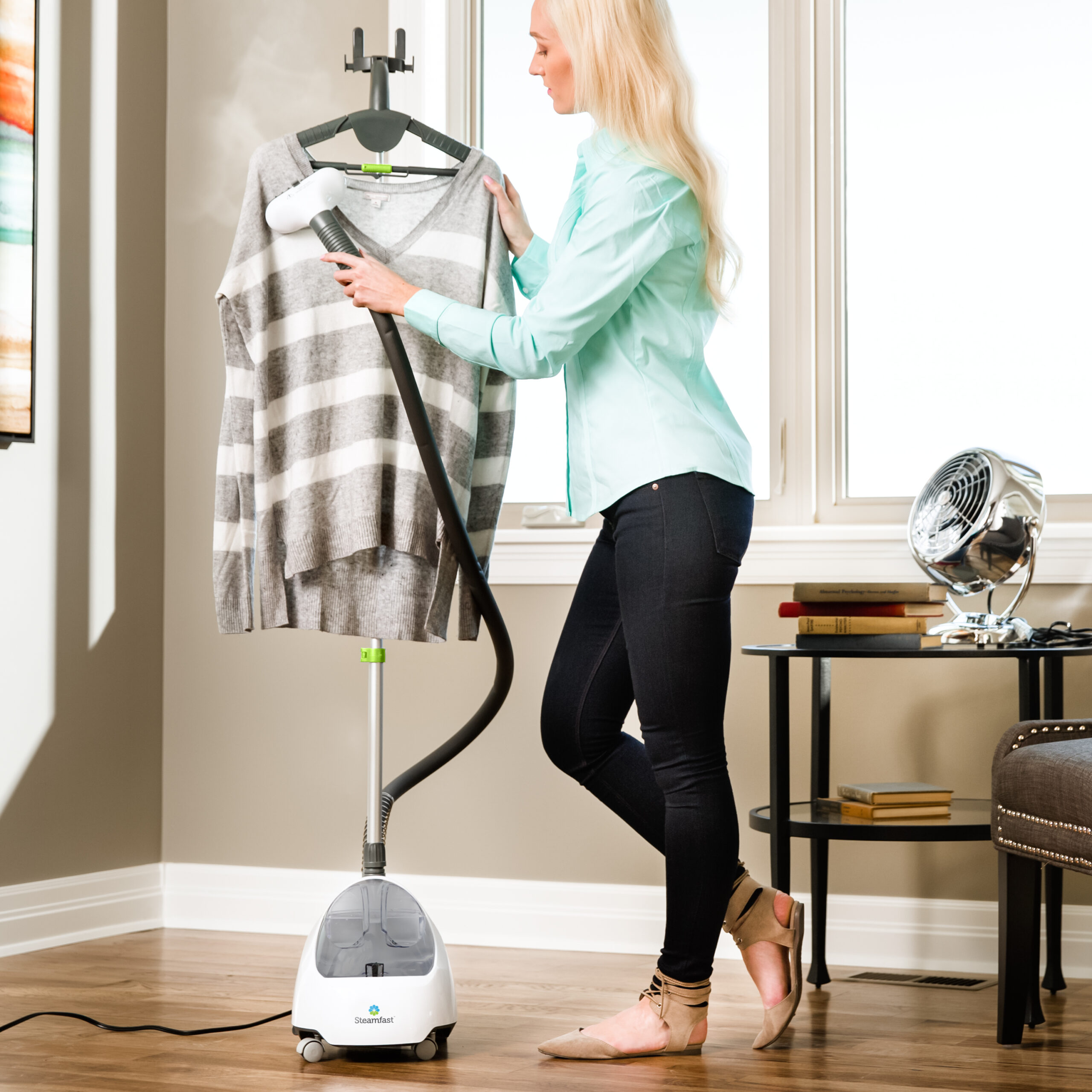
Upright steamers feature a base unit with a water tank, hose, and steam head.
Common features:
-
Larger water capacity
-
Longer steam time
-
Greater steam output
-
Better suited for multiple garments
These are often associated with professional settings but are increasingly found in domestic laundry areas.
Fabric Compatibility and Performance
One reason fabric steamers are widely used is their versatility. Steam interacts differently with each material, which affects performance expectations.
Natural Fabrics
-
Cotton: Steam relaxes fibres effectively, though deep creases may require multiple passes
-
Wool: Steam refreshes garments and helps restore shape
-
Silk: Steam smooths wrinkles with minimal risk when used correctly
Synthetic Fabrics
-
Polyester: Responds quickly to steam
-
Viscose/Rayon: Steam helps but requires careful distance
-
Blends: Generally suitable for steaming
This broad compatibility explains why steamers are often described as a safer alternative for mixed wardrobes.
Steamers and Garment Hygiene
Beyond wrinkle removal, steamers provide additional fabric benefits. High-temperature steam can reduce odours and freshen clothes that are not ready for washing.
Studies referenced by organisations such as Consumer Reports note that steam can help reduce surface bacteria and allergens, although it does not replace laundering for hygiene.
This feature is particularly useful for:
-
Coats and jackets
-
Upholstery and curtains
-
Clothes worn briefly
Handheld vs Upright Steamers: Practical Differences
When evaluating good garment steamer performance, the choice often comes down to use patterns rather than technical superiority.
| Aspect | Handheld Steamer | Upright Steamer |
|---|---|---|
| Portability | High | Low |
| Steam Duration | Short | Long |
| Storage Space | Minimal | Larger |
| Best Use | Quick touch-ups | Full loads |
Understanding these differences helps explain why reviews often rank products differently depending on household needs.
Steam Power and Heat Output
Steamers vary in how quickly they heat water and how consistently they produce steam. Higher wattage generally means:
-
Faster heat-up time
-
Stronger steam flow
-
Better performance on thicker fabrics
However, higher output also increases energy consumption. In the UK and USA, energy efficiency ratings increasingly influence consumer expectations, even for small appliances.
Water Tanks and Refill Frequency
Water capacity directly affects usability. Small tanks require frequent refilling, which interrupts steaming sessions. Larger tanks support continuous use but increase weight and storage requirements.
Key considerations include:
-
Detachable vs fixed tanks
-
Visible water level indicators
-
Refill access during use
These practical aspects often feature heavily in clothes steamer reviews, even more than raw steam power.
Safety Features in Modern Steamers
Modern steamers incorporate safety mechanisms designed to reduce risk during use.
Common safety features:
-
Automatic shut-off when water runs out
-
Overheat protection
-
Cool-touch handles
-
Stable base design
Safety expectations are guided by electrical standards set by bodies such as British Standards Institution and Underwriters Laboratories.
Steamers in Small Homes and Apartments
In urban areas across the UK and USA, living spaces are often limited. Steamers appeal to apartment dwellers because they:
-
Require less storage
-
Eliminate the need for ironing boards
-
Fit into wardrobes or laundry cupboards
For this reason, handheld steamers dominate sales in city markets, especially among younger households.
Travel and Portable Garment Steamers
Portable steamers are frequently included in discussions about the best handheld steamer for clothes. These models are designed for:
-
Hotel stays
-
Business travel
-
Occasional use
Their compact design prioritises convenience over performance, which explains why reviews often emphasise realistic expectations.
Steamers vs Traditional Irons
Steamers and irons are often compared, but their roles differ.
Advantages of Steamers
-
Gentler on fabrics
-
Faster for light wrinkles
-
Easier to use vertically
Limitations
-
Less effective on sharp creases
-
Not ideal for heavy denim or linen
-
Results depend on fabric weight
In many households, steamers supplement irons rather than replace them entirely.
Steamers and Modern Laundry Habits
Changes in clothing styles influence appliance use. Casual wear, knit fabrics, and blended textiles respond well to steam, reducing the need for structured ironing.

As wardrobes evolve, so does interest in best clothes steamer 2024 searches, reflecting a preference for efficiency rather than perfection.
Maintenance and Longevity
Steamers require minimal maintenance compared with irons. However, mineral buildup from hard water can affect performance over time.
Common maintenance practices include:
-
Using filtered or distilled water
-
Regular emptying after use
-
Occasional descaling
These habits extend appliance lifespan and maintain consistent steam output.
Environmental Considerations
From a sustainability perspective, steamers may contribute to:
-
Reduced washing frequency
-
Lower fabric wear
-
Extended garment life
While energy use varies by model, shorter usage times often offset higher wattage.
Common Misunderstandings About Clothes Steamers
-
Steamers replace all ironing
They are better viewed as complementary tools. -
Handheld steamers are weak
Many offer sufficient steam for everyday fabrics. -
Steam damages clothes
When used correctly, steam is gentler than direct heat.
Clarifying these misconceptions helps set realistic expectations.
Fabric Steamers in Professional Settings
Steamers are widely used in:
-
Fashion retail
-
Hospitality
-
Costume departments
Their professional use reinforces their reliability for fabric care rather than novelty appeal.
Interpreting Clothes Steamer Reviews
When reading clothes steamer reviews, context matters. Reviews often reflect:
-
User expectations
-
Fabric types used
-
Frequency of use
A model praised for travel may not suit full household use, and vice versa.
Silver and Neutral Designs in Modern Appliances
Design aesthetics also influence popularity. Neutral finishes, compact forms, and minimalist controls align with contemporary interiors, making steamers easier to integrate into living spaces.
The Ongoing Role of Steamers in Clothing Care
The rise of steamers reflects broader changes in how people approach laundry and garment maintenance. Convenience, fabric preservation, and adaptability now matter as much as crisp creases.
As clothing becomes more diverse in material and construction, the fabric steamer best category continues to expand—not because of trends, but because steam offers a practical response to modern wardrobes.
Final Perspective
A steamer for clothes is no longer a niche appliance. Whether handheld or upright, steamers address everyday needs in UK and US homes by offering gentle, efficient fabric care.
Understanding how steamers work, where they perform best, and how they differ from traditional irons allows users to integrate them realistically into laundry routines. Rather than focusing on rankings or claims, informed use remains the key to long-term satisfaction.