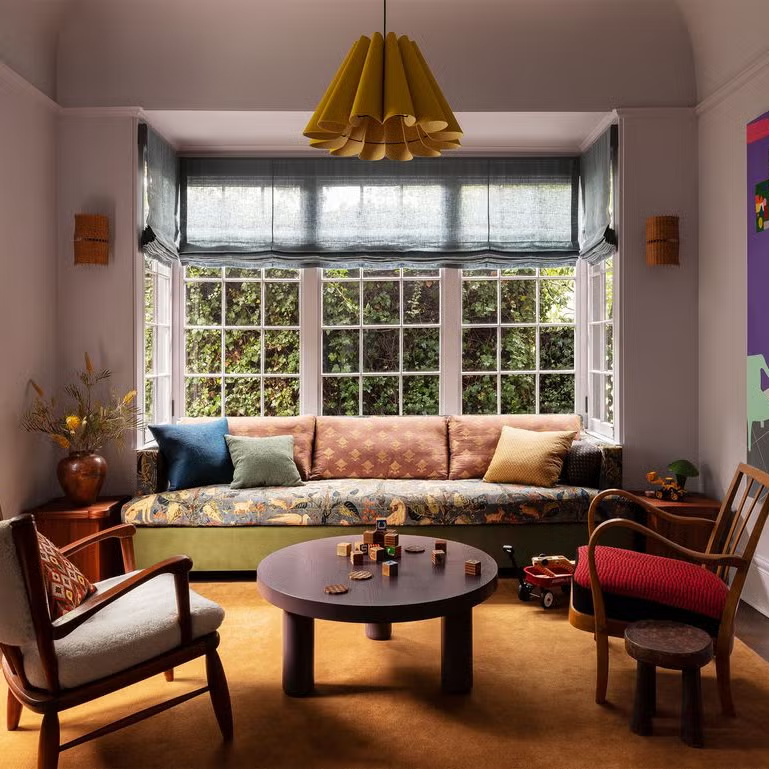
Few experiences rival the pleasure of curling up with a good book in a comfortable chair. Whether in a quiet corner of the living room, a dedicated library, or a cozy reading nook by the window, the reading chair plays a central role in transforming ordinary reading moments into relaxing escapes.
Choosing the best reading chair involves more than simply picking an attractive piece of furniture. The ideal design balances comfort, support, durability, and aesthetics to complement both the body and the space around it. This comprehensive guide explores everything you need to know about reading chairs — from ergonomic features to popular styles and placement ideas — helping you create the perfect environment for long reading sessions.
1. The Importance of a Dedicated Reading Chair
In a world full of digital distractions, a thoughtfully chosen reading chair offers both physical comfort and mental focus. It creates a defined space where reading becomes intentional — a retreat from daily routines and screens.
A comfortable reading chair provides proper support for posture, encourages relaxation, and contributes to the overall atmosphere of a home. It’s not just about comfort; it’s about setting the stage for mindfulness and concentration.
The right chair can:
-
Support your spine during long reading sessions.
-
Minimize strain on your neck, shoulders, and legs.
-
Enhance the aesthetic and comfort of your reading nook.
-
Encourage a consistent reading habit through relaxation.
Whether you prefer a minimalist armchair, a cushioned recliner, or a deep lounge chair, each contributes to making your reading corner more inviting.
2. What Makes a Good Reading Chair?
A good reading chair should combine several essential qualities: comfort, ergonomics, durability, and design compatibility. When evaluating options, focus on these key aspects.
A. Comfort and Support
The most important characteristic of a comfy reading chair is comfort. The seat should be deep enough to allow you to sink in but supportive enough to prevent slouching. Look for:
-
Cushions that balance softness with structure.
-
A backrest that supports the natural curve of your spine.
-
Armrests positioned for relaxed shoulder placement.
B. Ergonomics
A well-designed ergonomic reading chair promotes healthy posture. Chairs with lumbar support, headrests, or adjustable recline functions help prevent fatigue during long reading sessions.
C. Materials and Upholstery
The fabric of a cozy reading chair affects both aesthetics and comfort. Common materials include:
-
Cotton or linen: Breathable and natural.
-
Leather: Durable and elegant.
-
Velvet or chenille: Soft and luxurious.
-
Microfiber: Easy to clean and family-friendly.
D. Size and Proportion
Consider how the chair fits within your available space. For smaller rooms, a compact armchair or accent chair might be ideal. For large living spaces, a deep-seated lounge chair can make a bold statement while providing ultimate comfort.
E. Design Harmony
The best reading chair should reflect your personal style and coordinate with the room’s decor. Whether your interior leans modern, vintage, or rustic, the right chair enhances visual balance and comfort simultaneously.
3. Popular Types of Reading Chairs
Different designs suit different readers and environments. Below are some of the most popular types of reading chairs and their defining characteristics.
A. Wingback Chair
A classic design, the wingback reading chair features high backs and side “wings” that provide support and warmth. It’s perfect for traditional interiors and pairs beautifully with floor lamps or small side tables.
B. Club Chair
The club chair is known for its deep seat, rounded arms, and plush cushioning. Often upholstered in leather, it’s ideal for creating a cozy, masculine reading nook or library corner.
C. Recliner Chair
A reclining reading chair combines comfort and versatility. The adjustable back and footrest allow you to stretch out or sit upright as desired, making it excellent for long reading sessions.
D. Chaise Lounge
For those who enjoy lounging while reading, the chaise lounge offers an elongated seat that supports both sitting and reclining positions. It’s luxurious, comfortable, and ideal near large windows or in bedroom reading nooks.
E. Rocking Chair
The rocking chair remains timeless for readers who find gentle motion soothing. Modern rockers combine ergonomic curves with sleek designs suitable for contemporary interiors.
F. Armchair
A reading armchair is versatile, fitting seamlessly into living rooms, bedrooms, or home offices. When paired with an ottoman, it becomes an inviting corner for extended reading.
G. Swivel Chair
A swivel reading chair allows you to adjust your position or turn toward light sources effortlessly. It’s a practical choice for multifunctional rooms or shared reading areas.
H. Accent Chair
An accent chair for reading adds personality while maintaining comfort. It often features bold colors, patterns, or textures, transforming a simple reading nook into a design focal point.
4. Creating a Cozy Reading Nook
Selecting the best reading chair is only part of the equation. The surrounding environment significantly influences comfort and ambiance.
A. Choosing the Location
Ideal spots for reading chairs include:
-
Near a window: Natural light enhances reading and mood.
-
Beside a bookshelf: Creates easy access to reading material.
-
Corner spaces: Utilize unused areas efficiently.
A reading nook chair positioned strategically can transform an overlooked corner into a serene retreat.
B. Lighting
Proper lighting reduces eye strain and creates a cozy atmosphere. Pair your comfortable reading chair with:
-
Floor lamps with adjustable arms.
-
Table lamps placed at eye level.
-
Warm-toned LED bulbs for natural illumination.
C. Side Tables and Accessories
A small side table offers a place for books, glasses, or tea. Add a throw blanket and decorative pillow for extra comfort and style.
D. Acoustic Comfort
If possible, choose quieter spots away from high-traffic areas. Rugs, curtains, and upholstered furniture can help absorb sound and create a tranquil reading environment.
5. Ergonomics and Posture in Reading Chairs
Even the most cozy reading chair should promote proper body alignment. Poor posture during long reading sessions can lead to discomfort or back pain.
Key Ergonomic Guidelines:
-
Keep your feet flat on the floor or on an ottoman.
-
Choose chairs that support your lower back’s natural curve.
-
Avoid overly soft chairs that cause slouching.
-
Consider chairs with adjustable features for long-term comfort.
Adding a lumbar pillow or supportive cushion can further enhance ergonomic comfort without compromising style.
6. Materials and Textures That Enhance Comfort
The tactile feel of your reading chair significantly impacts your experience. Each upholstery material offers a unique combination of comfort, appearance, and maintenance needs.
A. Fabric Upholstery
Soft and breathable, fabric chairs offer warmth and come in a variety of patterns. Ideal for creating an inviting, comfy reading chair experience.
B. Leather Upholstery
Leather chairs are durable and timeless. They age gracefully, developing character over time. Suitable for classic or industrial interiors.
C. Velvet Upholstery
Velvet adds elegance and softness, making it perfect for a cozy reading chair in bedrooms or living rooms.
D. Natural Textures
Woven materials like rattan or wicker bring organic warmth to reading spaces, especially when paired with plush cushions and throws.
7. Choosing the Right Size and Scale
When selecting the ideal reading chair, consider both the room’s proportions and your personal comfort preferences.
-
Small spaces: Compact armchairs or slipper chairs prevent overcrowding.
-
Large rooms: Deep-seated or oversized lounge chairs make the area feel more grounded.
-
Shared reading spaces: Matching pairs of chairs create symmetry and balance.
Always measure available floor space before purchase to ensure the chair fits comfortably without restricting movement.
8. Reading Chairs for Different Rooms
Different rooms in a home can benefit from thoughtfully chosen reading chairs, each serving a specific function.
A. Living Room Reading Chairs
These chairs blend relaxation with aesthetics. Opt for styles that complement your sofa while offering distinct comfort for reading or quiet reflection.
B. Bedroom Reading Chairs
A comfy reading chair in the bedroom offers a quiet escape before bedtime. Choose soft fabrics and muted tones for a soothing effect.
C. Study or Library Chairs
Here, ergonomics take precedence. Look for structured chairs with upright backs to maintain focus during study or extended reading.
D. Kids’ Reading Corners
For children, smaller-scale chairs with soft cushioning encourage early reading habits. Bright colors and whimsical shapes create inviting spaces.
E. Outdoor Reading Chairs
If you enjoy reading outdoors, consider weather-resistant materials like teak, resin wicker, or metal framed with quick-dry cushions. A shaded patio or balcony corner can serve as a peaceful reading retreat.
9. Color Psychology and Atmosphere
Color influences mood and focus, making it a key element in choosing your reading chair.
-
Neutral tones (beige, gray, taupe) promote calmness and blend with most interiors.
-
Earthy hues (olive, rust, terracotta) add warmth and coziness.
-
Deep shades (navy, forest green, burgundy) evoke sophistication and serenity.
-
Soft pastels create lightness and enhance smaller spaces.
Selecting upholstery that harmonizes with your décor creates visual cohesion while enhancing comfort.
10. Maintenance and Longevity
A good reading chair is an investment that should last for years. Maintenance depends on materials and usage habits.
Fabric Chairs:
Vacuum regularly and spot clean spills immediately. Removable cushion covers simplify washing.
Leather Chairs:
Condition the leather periodically to prevent cracking and fading.
Wooden Frames:
Dust regularly and use gentle cleaners to preserve the finish.
Routine care preserves both comfort and appearance, ensuring your reading chair remains as inviting as the day it was placed.
11. Sustainable and Eco-Friendly Options
Modern consumers increasingly value sustainability in furniture choices. Eco-conscious reading chairs can be both stylish and responsible.
Sustainable materials include:
-
FSC-certified wood.
-
Recycled fabrics and fillings.
-
Natural latex or organic cotton cushions.
Ethically sourced furniture not only benefits the environment but also contributes to healthier indoor air quality, especially important in reading nooks and bedrooms.
12. Combining Reading Chairs with Lighting and Décor
A well-lit, aesthetically cohesive environment enhances the pleasure of reading.
Pair your cozy reading chair with elements like:
-
Adjustable floor lamps to direct light onto pages.
-
Side tables with drawers for book storage.
-
Area rugs to define the reading zone.
-
Wall art or shelving to personalize the space.
This combination transforms a single chair into a dedicated sanctuary for quiet moments and imagination.
13. The Role of Comfort Psychology in Reading Spaces
Comfort isn’t only physical—it’s psychological. The familiarity and personal connection you develop with your reading chair can become part of your reading ritual.
The chair’s texture, lighting, and surroundings form a sensory environment that signals relaxation and focus. Over time, this association deepens, turning your reading nook chair into a cherished space for reflection.
14. Adapting Reading Chairs to Different Lifestyles
Each lifestyle demands unique functionality from a reading chair:
-
Busy professionals: Prefer ergonomic chairs that support posture for mixed work and leisure.
-
Parents: Need stain-resistant fabrics and durable construction.
-
Retirees: Favor recliners or rocking chairs that offer extended comfort.
-
Students: Benefit from upright, compact chairs with nearby storage.
The best approach is to align design choices with how you live and read daily.
15. Trends in Modern Reading Chairs
Interior design continues to shape how people experience their living spaces, and reading chairs are no exception. Current trends include:
-
Minimalist silhouettes: Streamlined shapes for modern interiors.
-
Bouclé and textured fabrics: Tactile comfort and warmth.
-
Neutral color palettes: Timeless appeal adaptable to any décor.
-
Multi-functional designs: Reading chairs with swivel bases or hidden storage.
-
Vintage revival: Reinterpreted mid-century or Art Deco styles.
These evolving styles demonstrate how reading chairs remain both functional and fashionable in contemporary living spaces.
16. Budgeting and Value Considerations
Not all comfortable reading chairs come with high price tags. When budgeting, consider long-term value rather than upfront cost.
-
Entry-level options: Simple upholstered chairs provide affordability without sacrificing comfort.
-
Mid-range: Offer durable frames and higher-quality fabrics.
-
Premium models: Include handcrafted upholstery, superior ergonomics, and timeless designs.
A durable chair that withstands daily use ultimately delivers greater satisfaction and value over time.
17. Creating Ambience: Texture, Scent, and Sound
The sensory experience of reading extends beyond furniture. Enhancing ambience around your reading chair contributes to deeper relaxation.
-
Texture: Add a soft throw or plush rug.
-
Scent: Incorporate candles or diffusers with calming aromas like cedarwood or lavender.
-
Sound: Background music or natural soundscapes promote focus.
Together, these elements create an immersive environment ideal for uninterrupted reading.
18. Reading Chairs for Shared Spaces
In shared households or libraries, multiple reading chairs can foster community while maintaining individual comfort zones. Coordinating designs in different colors or fabrics introduces visual diversity while maintaining harmony.
Matching pairs of good reading chairs around a coffee table or near a bookshelf encourage family reading time or small discussions without overwhelming the room’s layout.
19. How Lighting Impacts Comfort
Lighting placement can make or break a reading nook chair setup. Poor lighting leads to eye strain, while well-positioned fixtures enhance both visibility and mood.
Tips:
-
Position light behind or beside the chair at shoulder height.
-
Use adjustable arms or shades to focus light on the page.
-
Layer natural and artificial light for balanced illumination.
Combining thoughtful lighting with a comfortable reading chair results in an inviting space that encourages longer reading sessions.
20. Final Thoughts
A reading chair is more than a piece of furniture—it’s an invitation to slow down, unwind, and reconnect with the written word. The best reading chairs blend ergonomics, aesthetics, and comfort to create a personal sanctuary within the home.
Whether you prefer a classic wingback, a plush recliner, or a minimalist modern design, your ideal reading chair should support both your body and your mind. It should reflect your taste, suit your space, and encourage you to read more often — not because you must, but because it feels right.
In every home, from small apartments to expansive libraries, the comfortable reading chair remains a timeless symbol of rest, thought, and imagination — an enduring companion for anyone who finds joy between the pages of a book.