Yucca plants have become a familiar presence in homes, offices, and landscapes across the UK and the USA. Recognised for their strong architectural form, sword-like leaves, and tolerance of challenging conditions, yucca plants bridge the gap between ornamental appeal and practical resilience. Whether grown as a yucca cane indoors or established as a yucca tree plant outdoors, these plants offer structure and longevity with minimal intervention.
Often described as a yucca palm due to their upright trunks and clustered foliage, yuccas are not true palms. Their visual similarity, however, has contributed to their popularity in modern interiors and dry-climate gardens. This article explores the yucca plant in detail, focusing on botanical background, growth habits, environmental preferences, and long-term care considerations relevant to the UK and USA.
Botanical Background and Classification
The yucca plant belongs to the Asparagaceae family and includes more than 40 species of perennial shrubs and trees. Many commonly grown forms originate from arid and semi-arid regions of North and Central America, where they evolved to survive intense sunlight, limited rainfall, and poor soils.
One of the most widely cultivated species is Yucca elephantipes, also known as the spineless yucca. This species is frequently used as an indoor yucca cane because of its smoother leaves and adaptability to interior conditions. Another well-known outdoor species is Yucca filamentosa, valued for its tolerance of frost and ability to thrive in UK and northern US climates.
The term yuca plant is sometimes used interchangeably with yucca, although “yuca” may also refer to cassava in culinary contexts. In ornamental horticulture, yucca remains the accepted and widely recognised name.
Growth Habit and Structural Form
Yucca plants are characterised by their upright growth and strong, woody stems. As a yucca tree matures, it often develops one or more trunks topped with dense rosettes of stiff, pointed leaves. This growth habit gives the yucca tree plant a sculptural appearance that works well as a focal point in both indoor and outdoor settings.
Yucca cane plants grown indoors typically feature multiple stems of varying heights planted together in a single container. This arrangement creates a tiered effect that adds depth and visual interest. Over time, new shoots may emerge from the base or along the trunk, contributing to a fuller appearance.
Outdoors, yucca trees can reach several metres in height, depending on species and conditions. Their slow to moderate growth rate supports long-term planning in landscape design, where stability and form are important.
Yucca Leaves and Visual Characteristics
The foliage of the yucca plant is one of its most distinctive features. Leaves are long, narrow, and pointed, often with a tough, fibrous texture. Colours range from deep green to blue-green, with some cultivated varieties displaying cream or yellow margins.
These leaves serve a functional purpose in the plant’s native environment, reducing water loss and reflecting sunlight. In cultivated settings, they contribute to the plant’s reputation as a low-maintenance option.
When used indoors, yucca palm plants bring a clean, minimalist aesthetic that complements modern furniture and architectural lines. Outdoors, their bold leaf shape contrasts effectively with softer foliage plants, grasses, and flowering perennials.
Yucca Flowers and Seasonal Interest
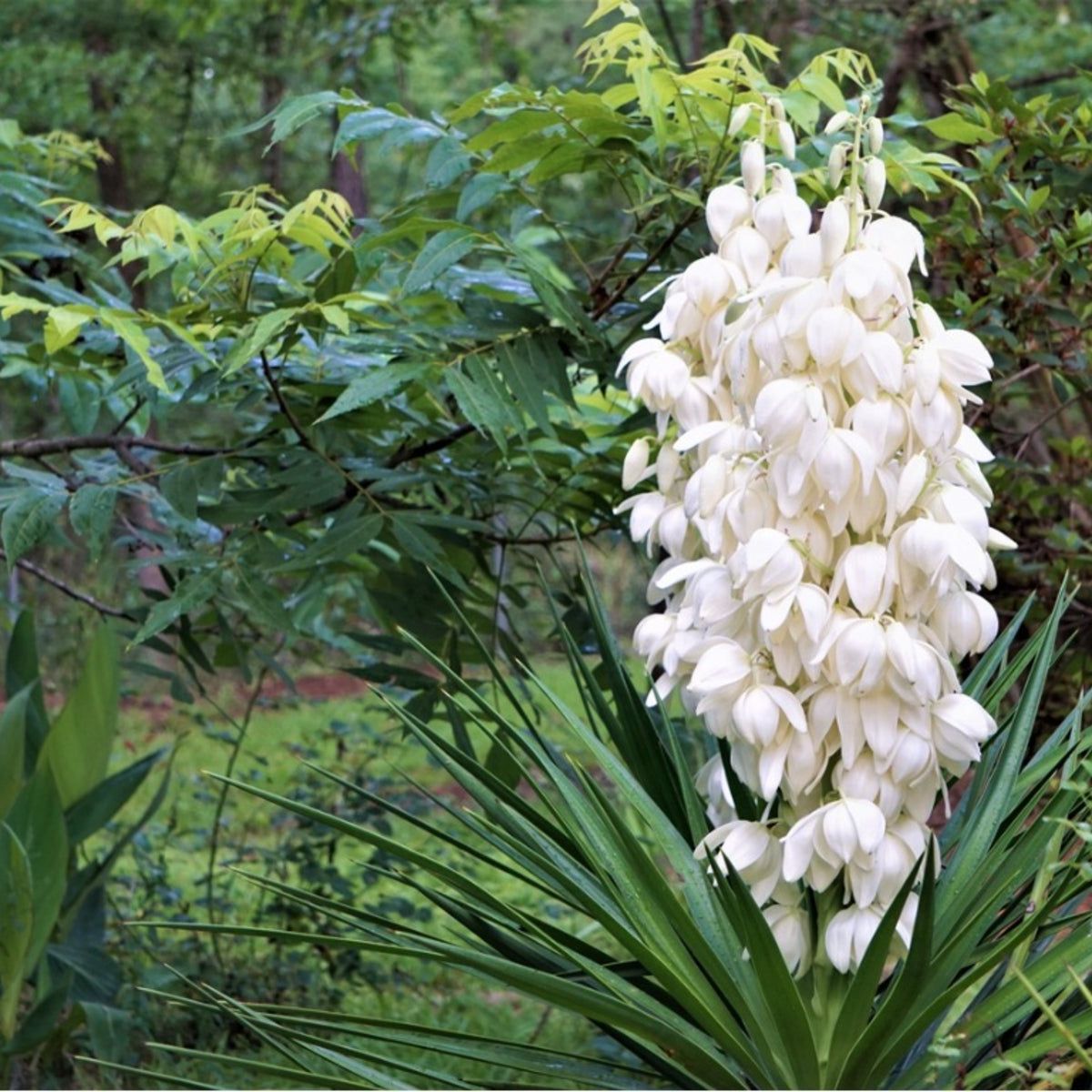
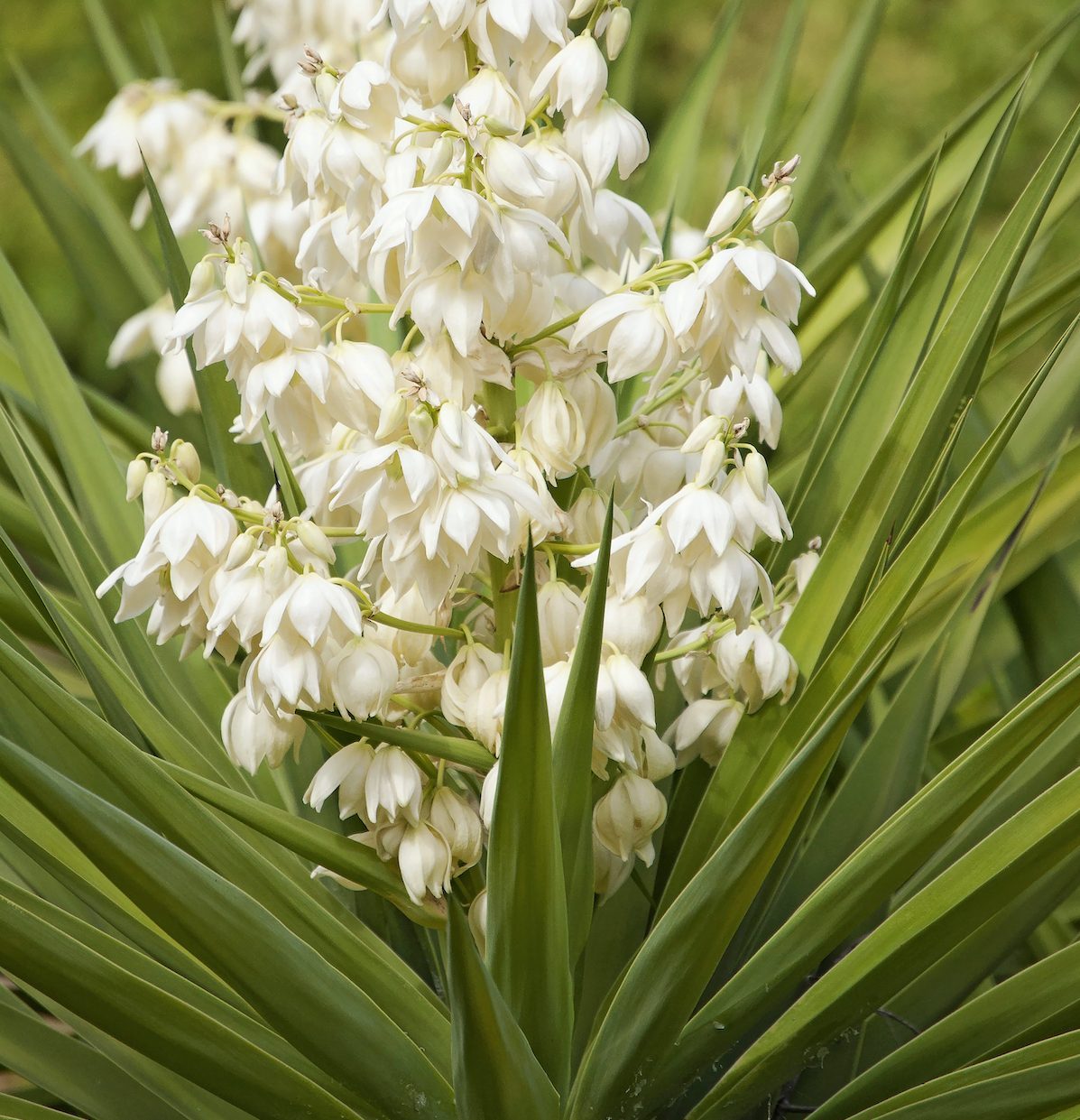
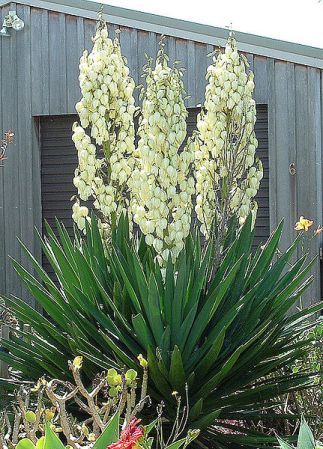
Although yucca plants are primarily grown for their foliage and form, many species produce striking flowers under suitable conditions. Yucca flowers appear on tall, upright spikes that rise above the foliage, bearing clusters of bell-shaped, creamy white blooms.
Flowering is more common in outdoor yucca tree plants than in indoor yucca cane specimens. In the UK and USA, outdoor flowering typically occurs in late spring or summer, depending on climate and species. The flowers add vertical emphasis and seasonal interest, enhancing the plant’s ornamental value.
In natural ecosystems, yucca flowers have a unique relationship with specific moth species, particularly the yucca moth, which plays a key role in pollination. While this interaction is less common in cultivated settings, it highlights the plant’s ecological significance.
Light Requirements and Placement
Light is a major factor in yucca care. Most yucca plants prefer bright light and tolerate direct sunlight well. This preference reflects their origin in open, sun-exposed environments. In indoor settings, placing a yucca palm plant near a bright window supports healthy growth and strong leaf colour.
In the UK, south-facing windows are often suitable, while in the USA, light intensity varies by region. Yucca cane plants can adapt to lower light conditions, but prolonged shade may result in slower growth and thinner stems.
Outdoor yucca tree plants perform best in full sun, although some species tolerate partial shade. Adequate light encourages compact growth and increases the likelihood of flowering.
Soil Preferences and Drainage
Yucca plants are well adapted to free-draining soils. In their native habitats, they grow in sandy or rocky substrates that prevent water from accumulating around the roots. Replicating these conditions in cultivation is essential for long-term health.
For indoor yucca plant yucca arrangements, a well-draining potting mix with added sand or grit is often used. Containers should have drainage holes to allow excess water to escape. Outdoors, raised beds or naturally well-drained sites support better performance, particularly in regions of the UK with heavy rainfall.
Poor drainage is one of the most common causes of decline in yucca plants. Prolonged exposure to waterlogged soil can lead to root damage and stem rot, especially during cooler months.
Watering Practices and Moisture Management
Yucca care involves careful attention to watering frequency. These plants are drought-tolerant and prefer soil that dries out between watering sessions. Overwatering is a more significant risk than underwatering, particularly for indoor yucca cane plants.
During active growth in spring and summer, watering is typically more frequent, while in autumn and winter, reduced watering aligns with slower growth rates. In centrally heated homes in the USA and UK, monitoring soil moisture rather than following a fixed schedule helps prevent issues.
Outdoor yucca trees generally rely on natural rainfall once established. In prolonged dry periods, supplemental watering may be beneficial, but excessive moisture should be avoided.
Temperature Tolerance and Climate Adaptability
Yucca plants display a wide range of temperature tolerance depending on species. Many indoor yucca palm plants prefer temperatures between 18°C and 24°C, aligning with typical indoor environments. Sudden temperature changes and cold draughts can stress the plant, leading to leaf drop or discolouration.
Cold-hardy species such as Yucca filamentosa survive winter temperatures well below freezing, making them suitable for outdoor planting in much of the UK and northern USA. Mulching around the base provides additional protection in exposed locations.
In warmer regions of the USA, yucca trees handle high temperatures and dry conditions with ease, reinforcing their reputation as resilient landscape plants.
Nutrient Needs and Feeding Patterns
Yucca plants have modest nutrient requirements. In indoor settings, occasional feeding during the growing season supports steady growth and healthy foliage. A balanced, diluted fertiliser applied every few weeks in spring and summer is generally sufficient.
Excessive fertilisation can cause rapid, weak growth and increase the risk of salt buildup in the soil. In outdoor landscapes, yucca tree plants often thrive without additional feeding, particularly when planted in moderately fertile soil.
Observing leaf colour and growth rate provides useful clues to nutrient balance. Pale or slow-growing plants may benefit from light feeding, while dark green, vigorous growth suggests adequate nutrition.
Common Issues and Natural Aging
As yucca plants mature, lower leaves naturally yellow and drop, revealing the trunk beneath. This process is part of normal growth and should not be mistaken for a health problem. Removing dried leaves improves appearance and airflow around the stem.
Other common issues include soft stems or leaf spotting, often linked to excess moisture. Adjusting watering practices and improving drainage usually resolves these concerns.
Indoor yucca palm plants are generally resistant to pests, although spider mites and scale insects may appear in dry conditions. Regular inspection and maintaining balanced humidity help minimise infestations.
Yucca Plants in Interior Design
Yucca cane plants are widely used in interior design due to their clean lines and strong vertical presence. In offices, reception areas, and modern homes, they serve as natural focal points without overwhelming the space.
Their tolerance of dry indoor air and irregular watering schedules makes them suitable for commercial environments. In the UK and USA, yucca palm plants are frequently selected for workplaces where low-maintenance greenery is preferred.
The neutral green tones of yucca foliage complement a wide range of colour schemes, supporting flexible design choices.
Use of Yucca Trees in Outdoor Landscapes
Outdoor yucca tree plants contribute structure and year-round interest to gardens and public spaces. Their evergreen foliage ensures visual presence even in winter, while seasonal flowering adds contrast and height.
In the UK, yucca trees are often used in gravel gardens, coastal landscapes, and contemporary designs where drought tolerance is valued. In the USA, they appear in desert-inspired gardens as well as mixed borders.
Their ability to thrive in poor soils reduces the need for intensive soil improvement, aligning with sustainable landscaping practices.
Cultural and Ecological Context
Yucca plants have historical and cultural significance in many indigenous North American communities, where fibres, roots, and other plant parts were traditionally used for practical purposes. While ornamental cultivation focuses on appearance, this background adds depth to the plant’s identity.
Ecologically, yucca species support specific pollinators and contribute to biodiversity in their native ranges. In cultivated landscapes, they provide shelter and occasional nectar sources, integrating into broader ecological systems.
Longevity and Long-Term Performance
Yucca plants are long-lived when grown in suitable conditions. Indoor specimens can thrive for decades with consistent care, gradually developing thicker trunks and more complex branching. Outdoor yucca trees often become permanent landscape features, requiring minimal intervention once established.
Their slow growth rate supports stability in design, making them reliable choices for long-term planning. Seasonal maintenance is generally limited to removing old leaves and monitoring moisture levels.
Conclusion
Yucca plants continue to be valued across the UK and the USA for their resilience, architectural form, and adaptability. Whether grown as a yucca cane indoors or established as a yucca tree plant outdoors, they offer dependable structure and visual clarity in a wide range of environments.
From species such as Yucca elephantipes to cold-hardy options like Yucca filamentosa, the diversity within the yucca plant group supports varied uses and design styles. Understanding yucca care, including light preferences, drainage needs, and natural growth patterns, ensures healthy plants and long-term success.
As interest in durable, low-maintenance plants continues to grow, the yucca palm plant remains a practical and visually striking choice, reflecting a balance between natural strength and refined simplicity.