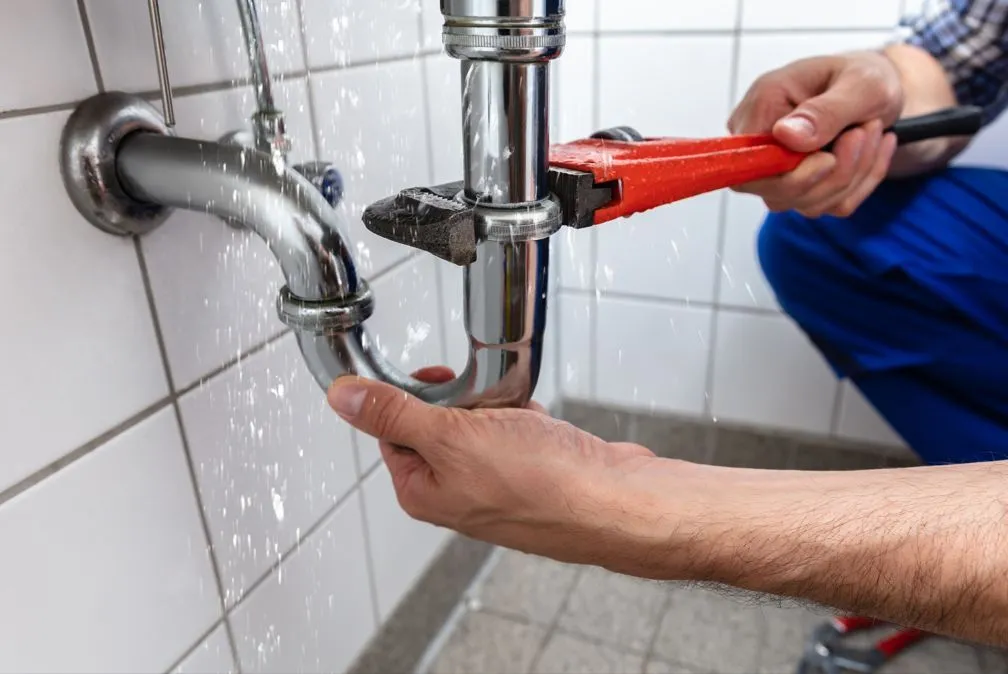
A water softener system is an essential component of many homes across the United States, especially in areas with hard water. Hard water, high in calcium and magnesium, can cause scaling on pipes, reduce appliance efficiency, and make soap less effective. Proper maintenance and timely water softener repair ensure a long-lasting system and a steady supply of soft water.
Homeowners often search for terms like fix water softener, soft water system repair, or water softner repair when their unit isn’t working efficiently. This article explores common issues, repair solutions, and preventive maintenance tips for water softener systems.
Understanding Water Softener Systems
A water softener system works by removing minerals that cause hardness from the water supply. The most common system type is the ion-exchange softener, which replaces calcium and magnesium ions with sodium or potassium ions.
Components of a typical system include:
-
Mineral tank: Contains resin beads that facilitate ion exchange
-
Brine tank: Holds salt or potassium solution for regeneration
-
Control valve: Regulates the softening process and regeneration cycles
Each component must function properly for the system to produce soft water consistently.
Common Signs That Indicate Water Softener Repair Is Needed
Knowing the symptoms of a failing water softener helps homeowners address problems before they escalate. Common signs include:
-
Hard water stains on fixtures
-
Persistent spots on sinks, showers, and faucets indicate ineffective softening.
-
-
Soap doesn’t lather
-
Hard water reduces the effectiveness of soap and shampoo, leaving a residue.
-
-
Salt bridging in the brine tank
-
A crust forms in the tank, preventing proper regeneration.
-
-
Resin bead issues
-
Over time, resin beads can degrade or become clogged with iron or sediment.
-
-
Unusual noises or leaks
-
Sounds like humming, gurgling, or water leakage may signal a valve or tank problem.
-
-
High water hardness readings
-
Test kits showing elevated hardness indicate a system malfunction.
-
Common Water Softener Problems
Several issues may necessitate water softener system repair.
1. Salt and Brine Tank Problems
-
Low salt levels or improper salt type can reduce efficiency
-
Salt bridges prevent regeneration cycles from functioning
2. Resin Bed Problems
-
Resin beads can wear out or become coated with iron or sediment
-
Dirty resin reduces ion exchange efficiency
3. Control Valve Malfunctions
-
Valves can fail mechanically or electronically
-
Programming errors can disrupt regeneration schedules
4. Clogged Injector or Venturi
-
Sediment can block water flow through the injector
-
This affects brine draw and softening efficiency
5. Leaks in Pipes or Tanks
-
Leaks can cause water damage and reduce system effectiveness
-
Common around fittings, valves, and tank connections
How to Fix a Water Softener
Many minor issues can be resolved with simple troubleshooting steps. Homeowners looking to fix water softener problems can often follow these solutions:
Check Salt Levels and Quality
-
Ensure the brine tank has adequate salt
-
Use high-purity salt suitable for your system
Break Up Salt Bridges
-
Use a broom handle or similar tool to gently break up crusted salt
-
Avoid damaging the tank or internal components
Clean Resin Beads
-
Resin beads can be cleaned with a water softener resin cleaner
-
Flush the system according to manufacturer instructions
Inspect Control Valve
-
Reset the control valve if programming issues occur
-
Replace faulty valves if mechanical damage is present
Clear Injector and Venturi
-
Remove sediment using the system’s manual cleaning procedure
-
Regular maintenance prevents clogging
Repair Leaks
-
Tighten loose fittings
-
Replace damaged hoses or connectors
-
Inspect tanks for cracks or rust
Professional Water Softener Repairs
While some homeowners can handle minor fixes, certain repairs require professional expertise. Licensed plumbers or water softener technicians can:
-
Replace resin beds
-
Repair or replace control valves
-
Reprogram electronic timers and cycles
-
Fix leaks in tanks or piping
-
Conduct comprehensive system testing
Professional water softener repairs ensure the system functions efficiently and safely.
Preventive Maintenance for Water Softeners
Regular maintenance reduces the need for extensive repairs and prolongs the system’s life. Key maintenance steps include:
-
Check salt levels monthly
-
Prevent salt depletion and bridging
-
-
Clean brine tank annually
-
Remove sediment and old salt
-
Sanitize the tank to prevent bacterial growth
-
-
Inspect resin bed periodically
-
Resin cleaners help maintain efficiency
-
Replace worn-out resin every 10–15 years
-
-
Service control valve
-
Lubricate moving parts and check for leaks
-
Reset or reprogram as needed
-
-
Test water hardness
-
Confirm the system is softening water effectively
-
-
Monitor water pressure
-
Excessively high or low pressure can damage the system
-
Water Softener Repair Cost Considerations
Repair costs vary depending on the issue and whether professional service is required. Typical ranges in the United States include:
-
Minor fixes: $50–$150 (salt bridge removal, cleaning)
-
Valve or electronic repair: $200–$500
-
Resin bed replacement: $300–$800
-
Full system replacement: $1,000–$3,000
Costs depend on system type, brand, and complexity of repair.
DIY Water Softener Fixes vs. Professional Service
Homeowners often weigh whether to attempt fixing water softener themselves or hire a professional.
DIY Repairs
-
Checking salt levels and breaking up salt bridges
-
Cleaning brine tank and inspecting fittings
-
Flushing the system to remove sediment
Professional Repairs
-
Replacing resin beds
-
Repairing electronic valves
-
Addressing leaks or major mechanical failures
-
Conducting advanced diagnostics
A combination of regular maintenance and professional service ensures long-term efficiency.
Choosing the Right Water Softener Repair Parts
When performing repairs, using compatible parts is crucial:
-
Resin beads: Replace with high-quality, durable beads
-
Salt: Use sodium chloride or potassium chloride recommended by the manufacturer
-
Valves and fittings: OEM (original equipment manufacturer) parts prevent malfunctions
-
Brine tank components: Check float assemblies, brine line, and drain hoses
High-quality parts reduce future maintenance and enhance system longevity.
Water Softener System Lifespan
Properly maintained water softeners can last 10–20 years. Timely repairs and regular upkeep prevent premature failure. Common lifespan indicators include:
-
Declining water softness
-
Frequent regeneration cycles
-
Visible wear on valves and resin beads
-
Leaks or unusual noises
Replacing or repairing components proactively can extend system life.
Common Myths About Water Softener Repairs
Many homeowners have misconceptions about water softener repair.
Myth 1: Softener salt lasts indefinitely
-
In reality, salt must be monitored and replenished regularly
Myth 2: Resin beads never wear out
-
Resin beads degrade over time and may need replacement
Myth 3: Electronic valves don’t fail
-
Valves can malfunction and require reprogramming or replacement
Understanding the truth behind these myths helps prevent unnecessary issues.
Signs You Should Repair vs. Replace
Knowing when to repair or replace a water softener is critical. Repair is usually viable for:
-
Salt and brine tank issues
-
Minor valve malfunctions
-
Resin cleaning and minor sediment buildup
Replacement may be necessary if:
-
The resin bed is worn out and over 15 years old
-
The control valve fails repeatedly
-
Multiple system components are failing
Seasonal Considerations for Water Softener Maintenance
Some regions in the U.S. experience seasonal water quality changes that affect softeners:
-
Winter: Freezing temperatures can damage tanks
-
Spring: Sediment from water supply may clog resin
-
Summer: Increased water usage can deplete salt faster
Adjusting maintenance schedules according to seasonal variations keeps the system performing optimally.
Water Softener Maintenance Checklist
A checklist helps homeowners stay on top of repairs and upkeep:
-
Check salt levels monthly
-
Inspect brine tank for bridges and sediment
-
Test water hardness quarterly
-
Clean resin bed annually
-
Inspect valves and fittings for leaks
-
Replace worn or damaged parts promptly
Following a systematic maintenance routine prevents costly water softener repairs.
Conclusion
A water softener repair is essential for maintaining soft water, protecting plumbing, and extending appliance life. Understanding common issues, performing regular maintenance, and addressing problems promptly ensures that your soft water system operates efficiently.
From simple fixes like checking salt levels to professional service for valve or resin replacement, timely intervention reduces inconvenience and costs. Homeowners in the United States can enjoy the benefits of soft water for years by following preventive maintenance routines and addressing repairs as needed.
By staying proactive and informed, you can prevent major failures, maintain water quality, and maximize the lifespan of your water softener system. Regular upkeep and timely water softener system repair keep your home running smoothly, your water soft, and your appliances protected.