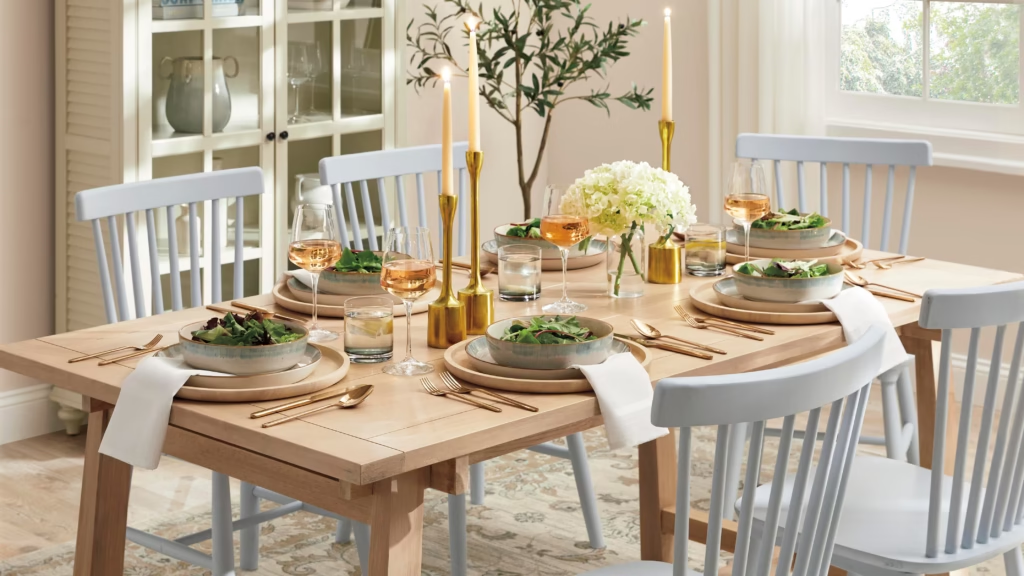
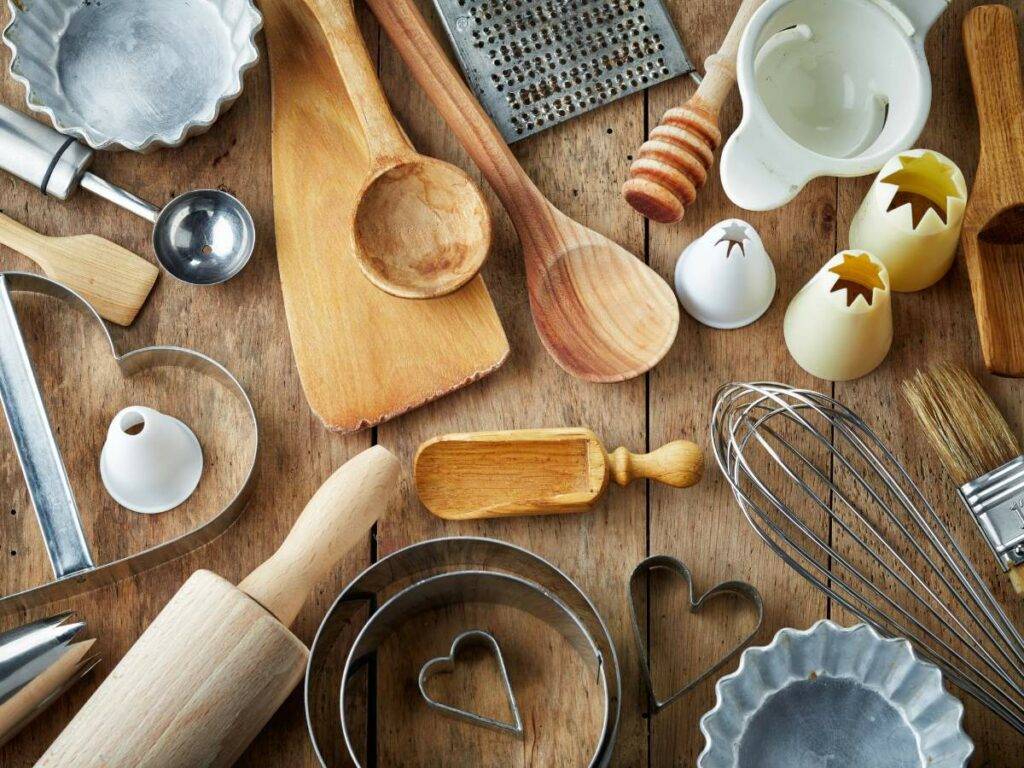
The kitchen is often called the heart of the home—a space where creativity, nourishment, and togetherness come to life. From preparing morning coffee to crafting elaborate dinners, the kitchen is a place of constant activity. But behind every delicious meal lies a set of essential tools—cutlery and utensils—that make cooking not only possible but enjoyable.
Whether it’s a sharp chef’s knife slicing vegetables, a stainless-steel spoon stirring soup, or a durable spatula flipping pancakes, kitchen tools are an inseparable part of everyday living. Understanding their purpose, materials, and maintenance can transform the way we cook and eat.
In this comprehensive guide, we’ll explore everything about kitchen essentials, focusing on cutlery and utensils, their history, types, materials, design innovations, care tips, and their importance in modern culinary practices.
The Kitchen: More Than Just a Cooking Space
The kitchen is not merely a room for preparing food—it’s an expression of lifestyle, culture, and functionality. Over centuries, kitchens have evolved from simple fire-based setups to technologically advanced spaces with sophisticated appliances and ergonomic layouts.
1. The Evolution of Kitchen Design
In ancient civilizations, cooking was done over open fires. As societies developed, separate cooking spaces emerged, leading to the modern concept of a kitchen. Today, contemporary kitchens emphasize efficiency, organization, and design harmony—where tools like utensils and cutlery are both functional and aesthetic.
2. The Role of Tools in Kitchen Efficiency
A well-equipped kitchen ensures smoother workflows. Proper utensils reduce preparation time, enhance precision, and improve safety. For instance, having the right knife for slicing or a whisk for blending can make all the difference in culinary outcomes.
What Is Cutlery?
Cutlery refers primarily to tools used for cutting, eating, and serving food. The term often encompasses knives, forks, spoons, and sometimes specialized implements like steak knives or butter spreaders.
1. The History of Cutlery
Cutlery dates back thousands of years. Ancient humans used stones and bones as cutting instruments. As metalworking advanced, knives became essential tools. Forks appeared in ancient Greece but were popularized in Europe around the 11th century. Spoons, originally carved from wood or bone, have existed since prehistoric times.
Today, cutlery represents both function and form—a blend of practicality and artistry used across dining cultures worldwide.
2. The Core Types of Cutlery
a. Knives
Knives are indispensable kitchen tools used for slicing, chopping, dicing, and carving. Common types include:
-
Chef’s Knife: A versatile all-purpose knife for chopping and slicing.
-
Paring Knife: Small and precise for peeling or intricate cutting.
-
Bread Knife: Serrated edge for slicing loaves without crushing them.
-
Carving Knife: Long and thin, ideal for cutting meats.
-
Utility Knife: Medium-sized for everyday tasks.
b. Forks
Used for picking up and holding food, forks come in several varieties:
-
Dinner Fork: The standard fork for main meals.
-
Salad Fork: Smaller, with shorter tines.
-
Dessert Fork: Used for pastries or fruits.
c. Spoons
Spoons are used for eating, stirring, and serving. Types include:
-
Teaspoon: For stirring drinks and measuring ingredients.
-
Tablespoon: For serving or eating soups and cereals.
-
Dessert Spoon: For puddings or ice cream.
-
Soup Spoon: Rounder bowl shape for consuming soups.
d. Specialty Cutlery
-
Steak Knives: For cutting meats.
-
Butter Knives: Blunt edges for spreading butter.
-
Fish Knives and Forks: Designed for delicate seafood.
What Are Kitchen Utensils?
Kitchen utensils include all the handheld tools used in food preparation, cooking, and serving. Unlike cutlery (used primarily at the table), utensils serve multiple purposes—from mixing and measuring to frying and baking.
1. Types of Kitchen Utensils
a. Cooking Utensils
These are tools used during food preparation and cooking:
-
Spatulas: For flipping or scraping.
-
Whisks: For blending or beating mixtures.
-
Tongs: For turning food while grilling or frying.
-
Ladles: For serving soups and sauces.
-
Slotted Spoons: For draining food while serving.
b. Preparation Utensils
Used before cooking begins:
-
Peelers: For removing vegetable skins.
-
Graters: For shredding cheese or vegetables.
-
Mixing Bowls: For combining ingredients.
-
Measuring Cups and Spoons: For accuracy in recipes.
-
Mortar and Pestle: For grinding herbs and spices.
c. Baking Utensils
Specialized tools for bakers:
-
Rolling Pins: For flattening dough.
-
Pastry Brushes: For glazing baked goods.
-
Cookie Cutters: For shaping dough.
-
Baking Trays and Pans: For cooking cakes, cookies, and bread.
d. Serving Utensils
Used to serve food elegantly:
-
Serving Spoons and Forks
-
Salad Servers
-
Cake Lifters and Pie Servers
Common Materials Used in Cutlery and Utensils
The durability, hygiene, and aesthetics of kitchen tools largely depend on their materials.
1. Stainless Steel
Stainless steel is the most common material used in cutlery and utensils. It’s rust-resistant, durable, and easy to maintain. High-quality stainless steel often includes chromium and nickel, enhancing its shine and longevity.
2. Carbon Steel
Preferred by professional chefs for knives, carbon steel maintains a sharper edge but requires more maintenance to prevent rust.
3. Wood
Wooden spoons and spatulas are gentle on cookware and add a rustic charm to kitchens. However, they require careful cleaning to avoid moisture absorption.
4. Plastic and Silicone
Lightweight and heat-resistant, silicone utensils are perfect for non-stick cookware. Plastic tools, though affordable, may not withstand high heat as well as silicone.
5. Glass and Ceramic
Used for measuring cups, mixing bowls, and baking dishes. These materials are non-reactive, ensuring purity in cooking.
6. Aluminum and Copper
Both metals conduct heat efficiently, making them popular for certain utensils and cookware. However, they must be lined or coated to prevent food reactions.
How to Choose the Right Cutlery and Utensils for Your Kitchen
Selecting quality kitchen tools involves balancing functionality, comfort, and design.
1. Consider Frequency of Use
Daily-use tools should prioritize durability and ease of cleaning. For occasional cooking, lightweight options suffice.
2. Ergonomics and Comfort
Handles should provide a firm grip, especially for knives and heavy utensils. Ergonomic designs reduce strain during extended use.
3. Compatibility with Cookware
Metal utensils can scratch non-stick surfaces. Silicone or wooden options are safer for coated pans.
4. Aesthetic and Storage
Coordinated cutlery sets enhance table settings, while utensil holders or drawer organizers maintain order in the kitchen.
5. Budget and Quality
While budget-friendly options exist, investing in high-quality tools ensures longevity and better performance.
The Importance of Cutlery and Utensils in Culinary Practice
Kitchen tools are extensions of the cook’s skill. The right equipment improves both safety and efficiency.
-
Precision: Sharp knives and accurate measuring tools ensure consistency.
-
Safety: Proper utensils prevent burns, cuts, and mishandling.
-
Hygiene: Stainless steel and silicone utensils resist bacteria and are easy to clean.
-
Presentation: Well-designed cutlery enhances the dining experience.
Global Influence and Cultural Variations
Different cultures have developed unique utensils and cutlery traditions over time:
-
Asia: Chopsticks are primary eating tools, while woks and ladles dominate cooking.
-
Europe: Western kitchens emphasize forks, knives, and specialized serving utensils.
-
Middle East and Africa: Traditional cooking often involves hands, clay pots, and wooden spoons.
-
India: Stainless steel thalis (plates) and multipurpose spoons are common, combining functionality with cultural identity.
Maintenance and Care Tips
Proper care extends the life of kitchen tools and ensures food safety.
-
Wash Immediately: Prevents food from sticking and bacteria growth.
-
Avoid Harsh Detergents: Gentle cleaning preserves finish and prevents corrosion.
-
Dry Thoroughly: Moisture leads to rust, especially in knives.
-
Sharpen Knives Regularly: A sharp knife is safer than a dull one.
-
Store Properly: Use knife blocks, utensil stands, or drawer trays to prevent damage.
-
Avoid Dishwashers for Wooden Tools: Hand wash to prevent warping or cracking.
Trends in Modern Kitchen Tools
The world of kitchen design and accessories evolves with technology and lifestyle changes.
1. Sustainable Materials
Eco-friendly utensils made from bamboo, recycled steel, or biodegradable plastics are gaining popularity.
2. Smart Kitchen Tools
Connected digital thermometers, measuring spoons, and smart knives integrate technology into cooking.
3. Multi-Functional Designs
Space-saving tools like collapsible strainers or 2-in-1 utensils offer convenience in modern compact kitchens.
4. Ergonomic and Aesthetic Appeal
Manufacturers focus on sleek, user-friendly designs that balance beauty and practicality.
5. Professional-Grade Home Tools
As home cooking trends grow, consumers prefer chef-quality knives and utensils for precision and durability.
Environmental Impact and Sustainability
The kitchen industry increasingly values sustainable manufacturing and waste reduction.
-
Recycled Metals: Reduces the need for new resource extraction.
-
Bamboo and Wood Alternatives: Renewable materials that replace plastic.
-
Minimal Packaging: Brands are adopting eco-conscious packaging for utensils and cutlery sets.
-
Longevity over Quantity: Encouraging consumers to invest in fewer, high-quality tools.
The Connection Between Design and Culinary Experience
Design and ergonomics directly affect how we cook. For example, a well-balanced knife makes cutting effortless, while a lightweight whisk prevents wrist fatigue. Similarly, aesthetically pleasing utensils elevate the emotional satisfaction of cooking—turning it into an enjoyable daily ritual rather than a chore.
Future of Kitchen Tools
The kitchen of the future blends technology, sustainability, and personalization. Innovations may include:
-
Self-sharpening knives that maintain their edge automatically.
-
Temperature-sensitive spoons that monitor food heat levels.
-
3D-printed utensils made from sustainable materials.
-
Smart storage systems that track inventory through embedded sensors.
Such advancements will continue making kitchens more efficient, eco-friendly, and adaptable to diverse lifestyles.
Conclusion
The kitchen is a reflection of how we live, eat, and connect. Cutlery and utensils, though often overlooked, form the foundation of every culinary process—from preparation to presentation.
Choosing the right tools enhances not just cooking efficiency but also safety, hygiene, and overall enjoyment. With evolving designs, sustainable materials, and innovative technologies, kitchen tools continue to blend functionality with artistry.
A well-equipped kitchen filled with thoughtfully selected cutlery and utensils turns ordinary cooking into an experience of creativity and comfort—proving that even the smallest tools can make the biggest difference.