When it comes to bonding materials together, whether for home improvement projects or large-scale construction, the importance of selecting the best adhesive cannot be overstated. The right adhesive can make all the difference in ensuring the strength, durability, and longevity of the bond. Whether you are a DIY enthusiast or a professional contractor, understanding what makes the best adhesive glue or best construction adhesive is essential for successful project completion.
Table of Contents
ToggleIn this article, we will explore the different types of construction adhesives, their uses, and how to determine which one suits your needs best. We will also examine the factors that influence adhesive strength and why certain adhesives are better suited for outdoor applications. By the end of this guide, you’ll have the knowledge you need to select the strongest construction adhesive for your project, ensuring reliable results every time.
What Is Construction Adhesive?
Construction adhesives are specialized bonding agents designed for use in building, remodeling, or renovation projects. They are formulated to bond a variety of materials, such as wood, metal, concrete, plastic, drywall, and masonry. Unlike traditional glues, which are typically used for lightweight materials, construction adhesives are engineered to provide strong, lasting bonds for heavier and more demanding applications.
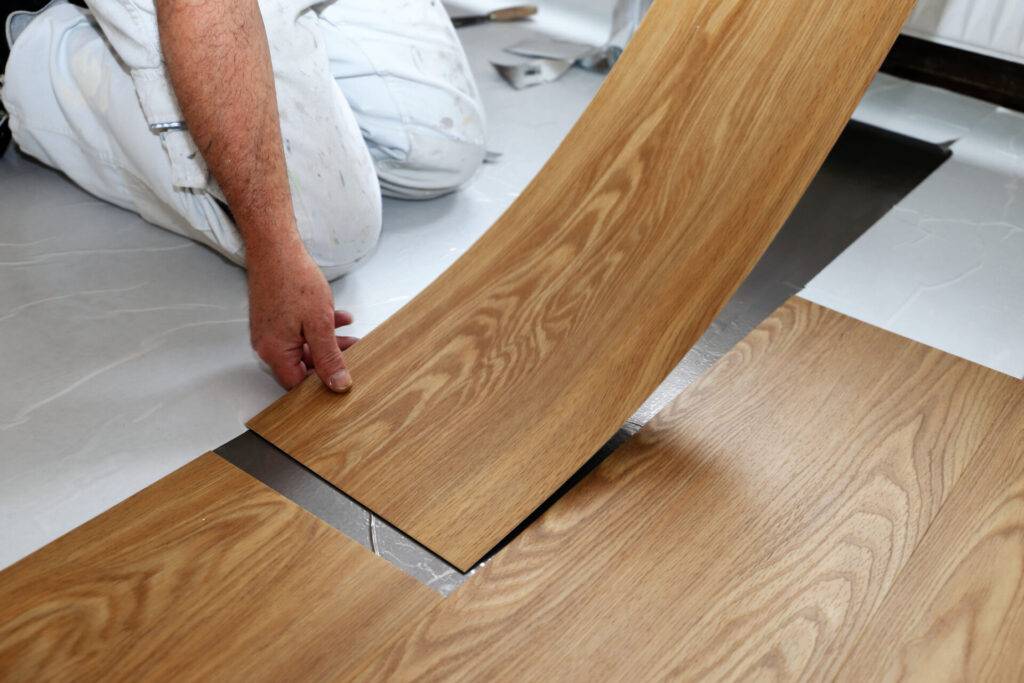
These adhesives come in a variety of formulations, each designed for specific purposes. Whether you’re securing trim, installing flooring, bonding heavy-duty materials, or completing outdoor tasks, the right construction glue will offer the necessary strength to keep everything in place.
Factors to Consider When Choosing the Best Construction Adhesive
When it comes to choosing the best construction glue, there are several factors that play a crucial role in ensuring the success of your project. The following are some important considerations to keep in mind:
1. Type of Materials Being Bonded
The type of material you’re working with is perhaps the most important factor to consider. Some adhesives are formulated specifically for wood, while others are designed for use with metal, plastic, or concrete. For example, if you are working on a woodworking project, a high-strength construction adhesive that bonds wood would be the most appropriate choice. For concrete, on the other hand, a specialized construction adhesive designed to bond masonry materials will be necessary.
2. Environment and Conditions
Another key factor is the environment where the adhesive will be used. If you’re working outdoors, you’ll need a strong outdoor adhesive that can withstand temperature fluctuations, humidity, and exposure to sunlight and moisture. Similarly, for indoor applications, a standard construction adhesive may suffice, but it should be durable enough to handle the specific demands of the project.
3. Drying Time
The drying time of an adhesive can vary significantly between products. If you’re in a hurry to complete a project, you might prefer an adhesive that sets quickly. On the other hand, if you’re working on a more delicate or detailed task, you may want an adhesive with a longer working time, allowing you to make adjustments before the glue begins to set.
4. Strength and Durability
The strength of the adhesive is another important consideration. Some projects, such as those involving heavy-duty construction materials, require a strong construction adhesive that can withstand considerable weight and stress. The strongest adhesives will bond quickly and securely, creating a long-lasting hold that won’t fail under pressure.
5. Ease of Use
Ease of application is another factor that should not be overlooked. Some adhesives come in convenient applicator tubes, while others may require more specialized tools or methods of application. Depending on the scale of your project, you may want an adhesive that is easy to handle and apply with minimal mess.
Types of Construction Adhesives
Now that we’ve discussed the factors that influence your choice of adhesive, let’s dive into the different types of construction adhesives available and their uses. From strongest construction glue to best outdoor adhesives, each formulation offers unique advantages for specific projects.
1. Polyurethane Construction Adhesive
Polyurethane adhesives are among the strongest construction adhesives available on the market. Known for their superior bonding capabilities, they are ideal for use with a wide variety of materials, including wood, metal, concrete, and plastic. Polyurethane adhesives offer a high level of flexibility and are resistant to moisture, heat, and weather conditions, making them an excellent choice for both indoor and outdoor applications.
Pros:
- High strength and durability
- Waterproof and resistant to the elements
- Versatile for various materials
Best For: Heavy-duty construction projects, outdoor applications, and bonding materials that require a flexible yet strong bond.
2. Construction Silicone Adhesive
Silicone adhesives are commonly used for sealing and bonding materials in construction projects. They are well-suited for outdoor applications as they offer excellent resistance to temperature extremes, UV rays, and moisture. Silicone adhesives are often used in applications where a waterproof seal is needed, such as around windows, doors, and roofing.
Pros:
- Flexible and waterproof
- UV and weather-resistant
- Long-lasting bond
Best For: Sealing windows, doors, and other outdoor applications where waterproofing is essential.
3. Construction Epoxy Adhesive
Epoxy adhesives are known for their extreme strength and are commonly used for bonding materials in structural applications. High-strength construction epoxy is ideal for metal, concrete, and masonry projects where superior adhesion and durability are required. Epoxies can be used for a variety of surfaces, but they require careful mixing and precise application for the best results.
Pros:
- Superior bonding strength
- Resistant to chemicals, heat, and water
- Perfect for industrial and structural applications
Best For: Heavy-duty projects that require long-lasting, industrial-grade bonding, such as flooring, masonry, and metal applications.
4. Hot Melt Adhesive
Hot melt adhesives are often used in construction for bonding lightweight materials such as wood, cardboard, and foam. These adhesives are heated and applied in a liquid state before solidifying into a strong bond as they cool. Hot glue is commonly used for smaller projects or temporary bonds that don’t require as much strength as other adhesives.
Pros:
- Fast-drying
- Easy to apply
- Works well for lightweight materials
Best For: Crafting, small-scale construction projects, and applications where quick bonding is necessary.
5. Acrylic Construction Adhesive
Acrylic adhesives are often used in construction because they provide strong bonds with minimal preparation. Acrylic construction glue is designed to bond materials like wood, plastic, and glass without requiring the use of primers or activators. This type of adhesive is also known for its durability and resistance to weathering.
Pros:
- Strong and durable
- Fast-drying and easy to apply
- Bonds well with a variety of materials
Best For: Bonding wood, plastic, glass, and composite materials in both interior and exterior projects.
6. Polyvinyl Acetate (PVA) Construction Adhesive
Polyvinyl acetate is one of the most common adhesives used in construction, particularly for woodworking projects. PVA construction adhesive is easy to use, dries clear, and provides a strong bond for wood surfaces. It is widely used for attaching trim, moldings, and other wooden elements, both inside and outside the home.
Pros:
- Strong bond for wood
- Dries clear and easy to work with
- Affordable and easy to apply
Best For: Woodworking, furniture assembly, and indoor construction projects.
7. MS Polymer Adhesive
MS polymer adhesives are gaining popularity due to their strong bonding properties and versatility. These adhesives can bond a wide variety of materials, including metals, plastics, and concrete. They are especially known for their high flexibility and resistance to weathering, making them ideal for outdoor and industrial applications.
Pros:
- High bonding strength
- Flexibility and elasticity
- Excellent resistance to weather and UV rays
Best For: Bonding metals, plastics, and construction materials exposed to outdoor elements.
Strongest Construction Adhesives: Our Top Picks
With so many types of construction adhesives available, it can be challenging to decide which one will best meet your needs. Below, we highlight some of the strongest construction adhesives in the market that provide superior bonding power.
1. Loctite PL Premium Polyurethane Construction Adhesive
Loctite’s PL Premium is one of the strongest construction adhesives available. This polyurethane-based adhesive is known for its excellent bonding power, especially in heavy-duty construction tasks. It can bond wood, metal, concrete, and masonry with ease and is ideal for both indoor and outdoor use.
2. Liquid Nails Heavy Duty Construction Adhesive
Liquid Nails is a trusted name in construction adhesives, and their Heavy Duty product delivers high-strength bonding for a wide variety of materials, including drywall, wood, concrete, and more. This adhesive is particularly well-suited for projects that require a strong construction adhesive with long-lasting results.
3. Gorilla Construction Adhesive
Gorilla is another well-known brand that offers a high-strength adhesive ideal for demanding projects. Their construction adhesive is designed to bond wood, stone, metal, ceramic, and more. It also offers superior weather resistance, making it a top choice for outdoor applications.
4. 3M Scotch-Weld Epoxy Adhesive DP420
For projects requiring an industrial-grade bond, 3M’s Scotch-Weld Epoxy Adhesive is an excellent option. This high-strength construction adhesive is ideal for bonding metal, composites, and plastics in high-performance environments. It’s a go-to adhesive for professional construction and industrial applications.
Conclusion
Choosing the best adhesive for your construction projects depends on several factors, including the materials you are working with, the environment in which the adhesive will be used, and the strength requirements of the bond. Whether you are looking for the strongest construction adhesive, a best outdoor adhesive, or a high-strength construction glue, understanding the properties of each type of adhesive can help ensure that your project succeeds.
From polyurethane adhesives known for their flexibility and waterproofing qualities, to epoxies that offer unparalleled strength for heavy-duty applications, there are various options available for different needs. For everyday projects, silicone adhesives are great for weatherproofing and sealing, while hot melt adhesives can offer fast, temporary bonding for smaller tasks.
The most important thing is to assess the specific demands of your project and choose an adhesive that matches those needs. Always consider factors like drying time, ease of application, and environmental resistance (UV, moisture, temperature) when making your selection.
For those looking for strong construction adhesives that can handle extreme conditions or heavy-duty bonding, options like Loctite PL Premium or Gorilla Construction Adhesive stand out for their reliability and performance.
No matter which construction adhesive you choose, applying it correctly and using the right type for the job will ensure that your bonds remain secure for the long haul, giving you the peace of mind that your construction, remodeling, or DIY projects are built to last.