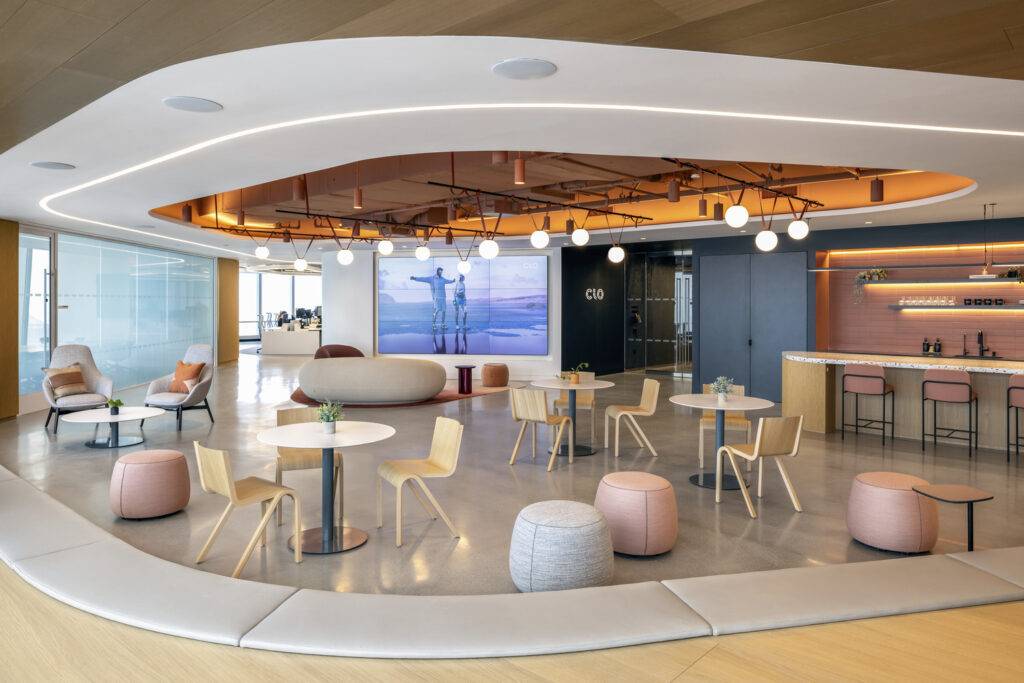
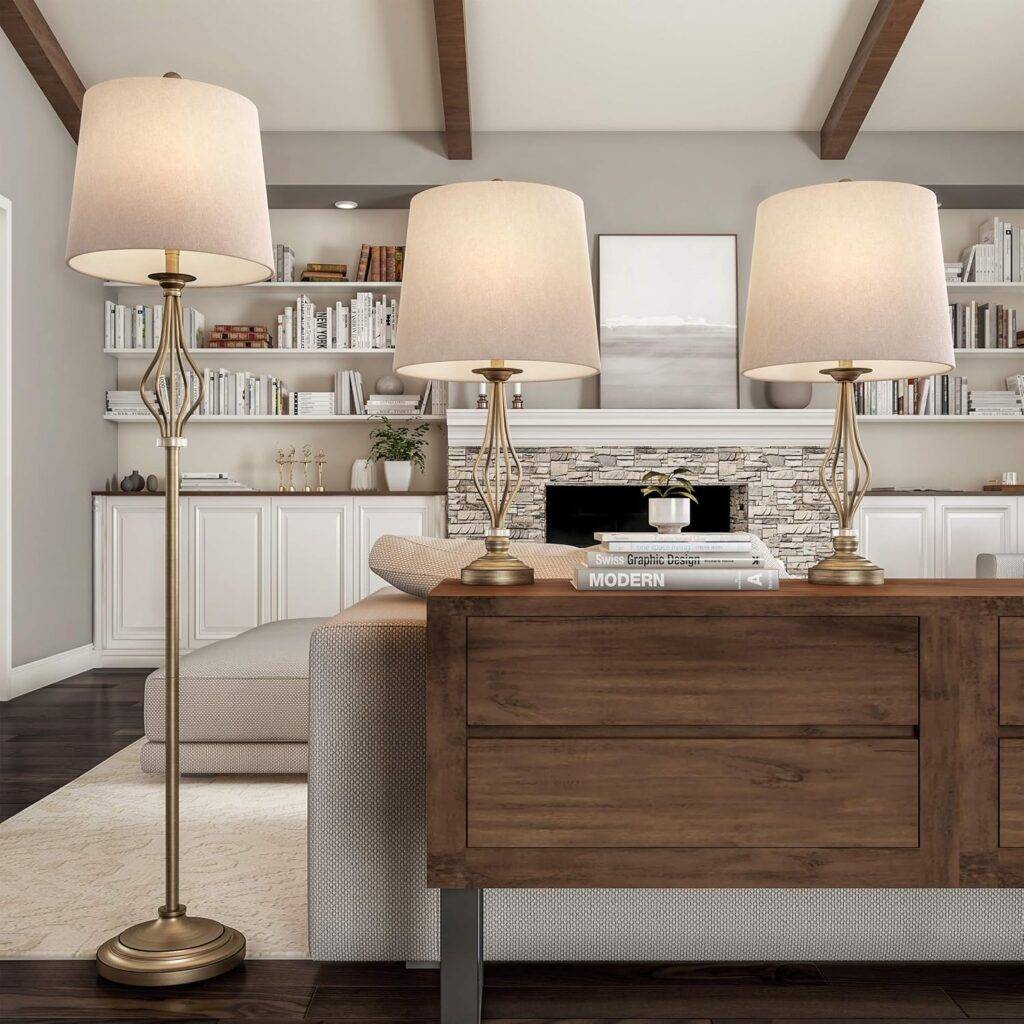
Lighting plays an essential role in shaping how we perceive and experience spaces. It does more than illuminate rooms—it defines mood, enhances design features, and adds functional value to interiors. Among various lighting fixtures, sconces stand out for their versatility, aesthetic appeal, and ability to create layered lighting.
From minimalist wall-mounted lamps in modern homes to ornate sconces that add character to traditional settings, these fixtures offer endless possibilities for creative expression. In this comprehensive guide, we’ll explore the importance of lighting, the role of sconces in interior design, their types, styles, materials, and placement strategies—helping you understand how to use them effectively to elevate any space.
The Importance of Lighting in Interior Design
Lighting is one of the most crucial yet often underestimated aspects of interior design. The right lighting scheme transforms a room by balancing function, aesthetics, and emotion.
1. Enhancing Functionality
Proper lighting ensures spaces are usable and safe. Ambient lighting provides general illumination, task lighting supports focused activities, and accent lighting highlights architectural details or décor.
2. Setting the Mood
Light influences how a room feels. Warm tones create intimacy and coziness, while cool lighting enhances energy and focus. Sconces can easily adjust this balance depending on their bulb type and placement.
3. Defining Spatial Perception
Lighting affects how large or small a space appears. Wall sconces, for instance, can visually expand a hallway or make a narrow room feel balanced by distributing light evenly along the walls.
4. Highlighting Architectural Elements
Strategically placed sconces emphasize textures, artworks, mirrors, or alcoves, guiding visual attention to key features.
5. Creating Layers of Light
Interior designers often use three layers of lighting—ambient, task, and accent—to create depth. Sconces contribute to all three, offering both beauty and practicality.
Understanding Sconces: A Blend of Function and Form
A sconce is a wall-mounted light fixture designed to distribute light upwards, downwards, or in multiple directions. Unlike ceiling or table lamps, sconces save space while adding character to walls and corridors.
Historically, sconces held candles or torches. Today, they come in electric, battery-powered, and even smart versions, available in diverse materials and designs suited to every décor style.
The Evolution and History of Sconces
Sconces have been used since ancient times when walls of castles and temples were lined with torch brackets. Over centuries, they evolved from simple candleholders into decorative lighting fixtures.
-
Medieval Period: Stone and metal sconces were used in castles and cathedrals for illumination.
-
Renaissance Era: Ornate brass and bronze sconces appeared in palaces, featuring floral motifs and crystal embellishments.
-
19th Century: Gaslight and early electricity led to glass-shaded sconces in homes.
-
Modern Times: Contemporary designs focus on minimalism, energy efficiency, and smart lighting integration.
Today, sconces are found in homes, hotels, galleries, and outdoor spaces, blending history with innovation.
Types of Sconces and Their Applications
Sconces come in various styles and functions. Understanding the different types helps in choosing the right fixture for each space.
1. Up-Light Sconces
These direct light upward, creating soft illumination that enhances ambiance. They are ideal for bedrooms, hallways, and living rooms where subtle lighting is desired.
2. Down-Light Sconces
Downward-facing sconces provide focused lighting for tasks such as reading or grooming. They’re perfect near mirrors, desks, or bedsides.
3. Swing Arm Sconces
Featuring adjustable arms, these sconces offer flexibility for reading nooks, workspaces, or beside beds. They combine practicality with style.
4. Candle-Style Sconces
Inspired by classic candleholders, these sconces evoke vintage charm and elegance, often used in dining rooms or traditional interiors.
5. Flush-Mount Sconces
Compact and space-efficient, these fixtures sit close to the wall, making them ideal for corridors or small rooms.
6. Picture or Art Sconces
Designed to highlight paintings or wall art, they provide focused light that enhances artwork details without glare.
7. Outdoor Sconces
Built to withstand weather, these illuminate entrances, pathways, and patios. They enhance safety while improving exterior aesthetics.
8. Plug-In Sconces
Easy to install without hardwiring, plug-in sconces are convenient for renters or temporary setups.
Popular Styles of Sconces in Home Décor
Sconces complement any interior theme when chosen appropriately. Here are some popular styles found in modern homes:
1. Modern and Minimalist
Featuring clean lines and simple shapes, modern sconces prioritize functionality and sleek design. Materials like brushed metal, frosted glass, or matte finishes dominate this style.
2. Industrial
With exposed bulbs, steel frames, and rustic finishes, industrial sconces bring a raw and urban feel to lofts and contemporary homes.
3. Vintage and Retro
Retro sconces with brass finishes, glass globes, and decorative arms recall mid-century aesthetics and classic charm.
4. Traditional
Rich materials, intricate detailing, and elegant curves define traditional sconces—often used in dining rooms and hallways.
5. Rustic and Farmhouse
Crafted from wood, wrought iron, or aged metals, rustic sconces offer a cozy, countryside appeal.
6. Art Deco
Featuring geometric patterns and luxurious finishes, Art Deco sconces add glamour and sophistication to living spaces.
7. Contemporary
These sconces combine innovation with artful form—often featuring LED lighting, geometric shapes, and smart functionality.
Materials Used in Sconce Design
The material of a sconce influences its appearance, durability, and suitability for specific settings.
-
Metal: Common in both modern and industrial designs. Options include brass, bronze, copper, stainless steel, and black matte steel.
-
Glass: Frosted, clear, or tinted glass diffuses light beautifully, adding elegance to interiors.
-
Crystal: Used in luxury sconces for a sparkling, glamorous effect.
-
Wood: Adds warmth and texture, ideal for rustic or Scandinavian interiors.
-
Ceramic and Stone: Offer artistic and earthy finishes that blend with organic design themes.
-
Fabric Shades: Found in traditional or transitional sconces, providing soft diffused light.
Choosing the Right Sconces for Your Space
Selecting the right sconces involves understanding the room’s purpose, available space, and overall design concept.
1. Living Room
Use paired sconces on either side of a fireplace, mirror, or artwork to create balance. Dimmable sconces allow adjustment between reading light and mood lighting.
2. Bedroom
Wall-mounted sconces beside the bed save nightstand space while providing perfect reading light. Warm-colored bulbs enhance relaxation.
3. Bathroom
Install sconces beside or above mirrors for even illumination that reduces shadows during grooming.
4. Hallways and Staircases
Sconces placed along hallways improve safety while adding rhythm to long walls. Opt for uniform spacing and consistent design.
5. Dining Area
Elegant sconces create a cozy, inviting atmosphere. Choose designs that complement chandeliers or pendant lighting.
6. Outdoor Spaces
Weatherproof sconces enhance both aesthetics and security. Motion-sensor sconces are functional for pathways or entrances.
Lighting Techniques with Sconces
Sconces can serve different lighting purposes depending on their design and bulb type.
1. Ambient Lighting
Soft, general lighting that creates an inviting atmosphere. Up-light sconces are ideal for this purpose.
2. Task Lighting
Provides focused illumination for activities like reading or applying makeup. Down-light sconces work best here.
3. Accent Lighting
Highlights artwork, architectural features, or decorative walls. Picture sconces are perfect for accent lighting.
4. Decorative Lighting
In some cases, sconces act as decorative elements themselves, adding texture, symmetry, or color to walls.
The Science of Light: Color Temperature and Brightness
Understanding light color temperature helps in achieving the right ambiance.
-
Warm White (2700K–3000K): Creates a cozy, intimate feeling—ideal for bedrooms and living rooms.
-
Neutral White (3500K–4100K): Balanced tone suitable for bathrooms or kitchens.
-
Cool White (5000K+): Enhances focus and clarity, suitable for task areas or workspaces.
For sconces, LED bulbs are energy-efficient, long-lasting, and available in various temperatures and dimmable options.
The Role of Smart Technology in Modern Lighting
Smart sconces equipped with Wi-Fi or Bluetooth connectivity allow control via smartphones or voice assistants. Users can adjust brightness, color temperature, and scheduling—offering convenience and energy savings.
Features may include:
-
App-based brightness control
-
Integration with Alexa or Google Home
-
Motion sensors for automatic operation
-
Energy-efficient LED compatibility
Energy Efficiency and Sustainability in Lighting
With the global shift toward sustainability, lighting manufacturers now focus on eco-friendly materials and energy-saving technologies.
-
LED Technology: Consumes up to 80% less energy than incandescent bulbs.
-
Solar Sconces: Ideal for outdoor use, powered entirely by renewable energy.
-
Recyclable Materials: Brass, glass, and aluminum are often recyclable, supporting green living.
-
Longevity: Durable sconces reduce the need for frequent replacements, minimizing waste.
How to Position and Install Sconces
Correct placement determines how well sconces perform aesthetically and functionally.
-
Height: Standard installation height is 60–66 inches from the floor (eye level).
-
Spacing: Leave 6–8 feet between sconces in hallways for balanced lighting.
-
Symmetry: Place sconces evenly on both sides of mirrors, artwork, or doors for visual harmony.
-
Purpose-Based Placement: For reading or bedside sconces, position slightly above shoulder level for ideal illumination.
Common Mistakes to Avoid When Choosing Sconces
-
Ignoring Scale: Oversized sconces can overpower small spaces; undersized ones may appear insignificant.
-
Poor Placement: Incorrect height or spacing leads to uneven lighting.
-
Mismatch in Style: Ensure sconces complement other fixtures and furniture.
-
Wrong Bulb Type: Using high-wattage or incorrect color temperature can distort ambiance.
-
Neglecting Dimmers: Fixed brightness can limit flexibility in creating mood lighting.
Trends in Modern Lighting and Sconce Design
1. Minimalist Geometric Shapes
Designers are embracing clean, geometric silhouettes for a futuristic look.
2. Mixed Materials
Combining metal, wood, and glass creates visually dynamic fixtures.
3. Matte Black and Brass Finishes
These finishes continue to dominate modern and industrial interiors.
4. Sculptural and Artistic Sconces
Lighting as art—abstract forms that double as wall sculptures.
5. Integrated LED Strips
Slim, energy-efficient designs that blend seamlessly with architecture.
6. Sustainable and Handmade Fixtures
Rising demand for handcrafted, eco-conscious lighting that supports artisans.
Maintenance and Cleaning Tips for Sconces
Regular upkeep ensures longevity and consistent brightness.
-
Turn off power before cleaning.
-
Use microfiber cloths to wipe metal and glass surfaces.
-
Avoid harsh chemicals that may damage finishes.
-
Check wiring and bulb connections periodically.
-
Replace burnt-out bulbs with energy-efficient alternatives.
The Future of Lighting Design
The future of lighting merges sustainability, technology, and personalization. Expect smart sconces that adapt light intensity based on daylight levels, integrate with AI, and feature fully recyclable materials.
As human-centric lighting gains popularity, sconces will evolve to mimic natural daylight patterns—enhancing comfort, productivity, and well-being.
Conclusion
Lighting defines the soul of interior design, influencing how we see, feel, and interact within a space. Sconces, in particular, offer an elegant and functional way to layer light, highlight features, and express personal style. From timeless candle-style fixtures to modern LED wall lights, sconces continue to blend tradition with innovation.
Incorporating the right sconces not only brightens a home but also elevates its design coherence, comfort, and sustainability. Thoughtful lighting choices, balanced with modern technology and aesthetic vision, transform any interior into a harmonious, welcoming environment.