Peonies are among the most admired flowering plants in American gardens. Known for their large, layered blooms and long lifespan, peony flowers are a staple in landscapes across the United States. Whether spelled correctly as peony or commonly misspelled as poeny or peopny, the plant remains one of the most recognizable perennial ornamentals.
Botanically classified under the genus Paeonia (sometimes informally written as peonia), peonies are hardy, cold-tolerant flowering plants that can thrive for decades in the right conditions. From suburban gardens in New York to Midwest landscapes in Illinois and Pacific Northwest gardens in Washington, peonies continue to be valued for their durability and seasonal beauty.
This article explores peony plant types, growth habits, environmental needs, peony care fundamentals, and practical insights into how to grow peonies in different parts of the United States.
What Is a Peony?


A peony is a perennial flowering plant belonging to the genus Paeonia. It is known for:
-
Large, fragrant blooms
-
Thick, glossy green foliage
-
Long lifespan (often 50 years or more)
-
Cold winter dormancy
Peonies are native to parts of Asia, Europe, and western North America. Over time, hybridization has produced hundreds of cultivated varieties now grown throughout the United States.
Types of Peonies Grown in the USA
There are three primary categories of peony plants commonly cultivated in American gardens:
1. Herbaceous Peonies
These are the most common type. They die back to the ground each winter and regrow in spring. Popular in colder states like Minnesota, herbaceous peonies require winter chill to bloom properly.
2. Tree Peonies
Tree peonies develop woody stems that remain above ground year-round. They are slightly less cold-hardy but perform well in temperate regions.
3. Intersectional (Itoh) Peonies
These hybrids combine traits of herbaceous and tree peonies. They offer strong stems and large blooms.
Each type produces the classic peony flowers admired for their texture and fragrance.
Peony Flowers: Structure and Bloom Forms


Peony flowers come in various bloom forms:
-
Single (one row of petals)
-
Semi-double
-
Double (many layered petals)
-
Bomb type (rounded central cluster)
-
Japanese form (distinct center)
Bloom colors range from white and blush pink to deep red and coral. Most peonies bloom between late spring and early summer, depending on region and variety.
Climate Requirements for Growing Peonies in the USA
Peonies are well-suited to temperate climates and are particularly successful in northern and central regions of the United States.
Winter Chill Requirement
Peonies need a period of cold dormancy (below 40°F) to initiate blooming. This makes them ideal for states with cold winters, such as:
-
Ohio
-
Michigan
-
Pennsylvania
In warmer southern states, peonies may struggle unless specific low-chill varieties are selected.
Soil Conditions for a Healthy Peony Plant
Soil quality plays a major role in successful peony growth.
Ideal Soil Characteristics
-
Well-drained loam
-
Slightly acidic to neutral pH (6.5–7.0)
-
Rich in organic matter
Poor drainage is one of the most common causes of peony failure. Waterlogged soil can cause root rot.
Amending soil with compost before planting improves structure and nutrient availability.
How to Grow Peonies Successfully
Many gardeners ask, “how do I grow peonies?” or search for “how to grow peonies.” The process is straightforward but requires attention to planting depth and sunlight.
1. Choose the Right Location
Peonies need:
-
Full sun (at least 6 hours daily)
-
Good air circulation
-
Space between plants (about 3 feet apart)
2. Planting Depth
Planting depth is critical. The “eyes” (buds on the root) should be no more than 1–2 inches below the soil surface.
If planted too deep, peonies may produce foliage but fail to bloom.
3. Watering
Water newly planted peonies regularly during the first growing season. Once established, peonies are moderately drought tolerant.
Peony Care Throughout the Year


Spring
-
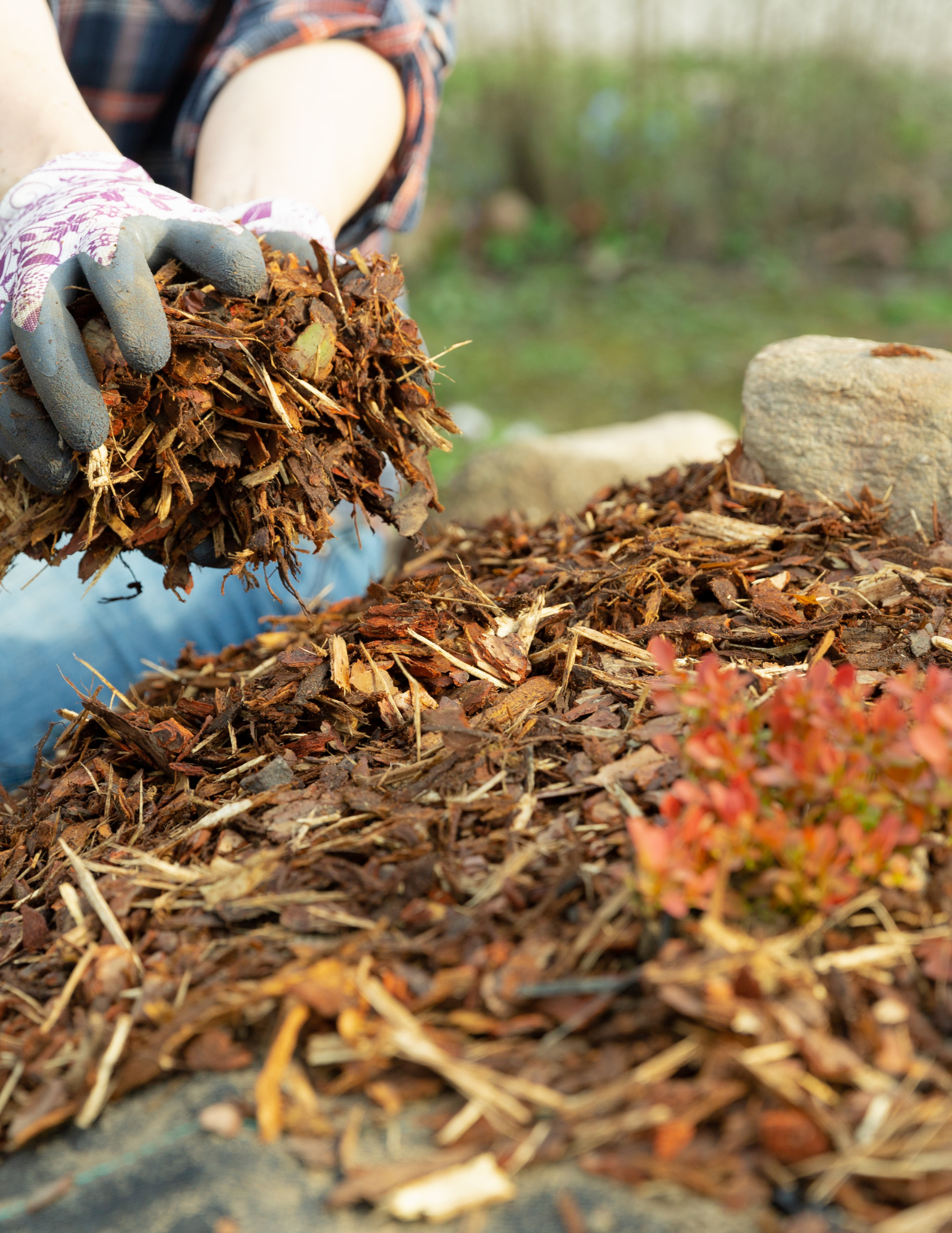
Remove winter mulch.
-
Watch for emerging red shoots.
-
Apply balanced fertilizer lightly.
Summer
-
Deadhead spent blooms.
-
Water during dry periods.
Fall
-
Cut herbaceous peonies back to ground level after frost.
-
Remove debris to prevent disease.
Winter
-
Allow dormancy.
-
Light mulch in colder regions if needed.
Consistent peony care ensures long-term performance.
Common Problems in Peony Plants
While peonies are hardy, they are not immune to issues.
1. Botrytis Blight
A fungal disease that causes blackened buds or stems.
Prevention includes:
-
Proper spacing
-
Removing dead foliage
-
Avoiding overhead watering
2. Lack of Blooms
Possible causes:
-
Planting too deep
-
Insufficient sunlight
-
Immature plant
3. Ants on Buds
Ants are commonly seen on peony flowers. They are attracted to nectar but do not harm the plant.
Growing Peonies in Different U.S. Regions
Northeast
Cold winters provide ideal dormancy conditions.
Midwest
Peonies thrive due to strong seasonal variation.
Pacific Northwest
Adequate rainfall supports growth, but drainage must be monitored.
Southern States
In places like Georgia or Texas, limited winter chill may reduce bloom quality.
Peonies as Landscape Plants
Peonies are commonly used in:
-
Foundation plantings
-
Cottage gardens
-
Mixed perennial borders
-
Cut flower gardens
Their large blooms make them visually dominant during peak season.
Longevity and Transplanting
Peony plants are known for longevity. Some American gardens contain peonies that have bloomed reliably for over 75 years.
However, peonies dislike being moved. Transplanting should be done in fall and only when necessary.
Fertilizing Peonies
Peonies do not require heavy feeding. Excess nitrogen can promote leafy growth at the expense of blooms.
A balanced fertilizer applied in early spring is generally sufficient.
Pruning and Maintenance
Herbaceous peonies require seasonal cutting back in autumn.
Tree peonies should only be lightly pruned to remove dead wood.
Maintaining clean garden beds reduces disease risk.
Cultural Significance of Peonies
Peonies symbolize prosperity and honor in various cultures. In the United States, they are often associated with spring celebrations and are widely used in floral arrangements.
Their popularity has remained strong due to:
-
Reliable blooming
-
Fragrance
-
Structural beauty
Peonies in Cut Flower Production
Commercial growers in states like Oregon cultivate peonies for the cut flower market.
Harvest timing is critical. Buds are typically cut when soft but not fully open to ensure longer vase life.
How Long Do Peonies Take to Bloom?
Newly planted peonies may take 2–3 years to produce full blooms. Patience is essential, as mature plants reward gardeners with larger displays each year.
Sustainability and Low-Maintenance Gardening
Peonies are considered low-maintenance perennials once established.
They require:
-
Minimal irrigation
-
Limited fertilization
-
Simple seasonal cleanup
This makes them suitable for sustainable landscape design in temperate U.S. regions.
Final Thoughts on Growing Peonies in the United States
Peonies remain one of the most dependable and admired flowering plants in American gardens. Whether discussing peony plant varieties, peony flowers, or peony care, the key principles remain consistent: correct planting depth, full sun exposure, proper drainage, and seasonal maintenance.
Understanding how to grow peonies properly ensures decades of blooms. With appropriate climate conditions and attention to soil health, peonies can thrive from the Northeast to the Midwest and beyond.
Despite occasional misspellings like poeny or peopny, the appeal of peonies continues to grow among gardeners seeking long-lasting beauty and reliable spring color.
In well-prepared soil and suitable climate zones, peony plants provide enduring value, structural elegance, and vibrant seasonal interest throughout the United States.