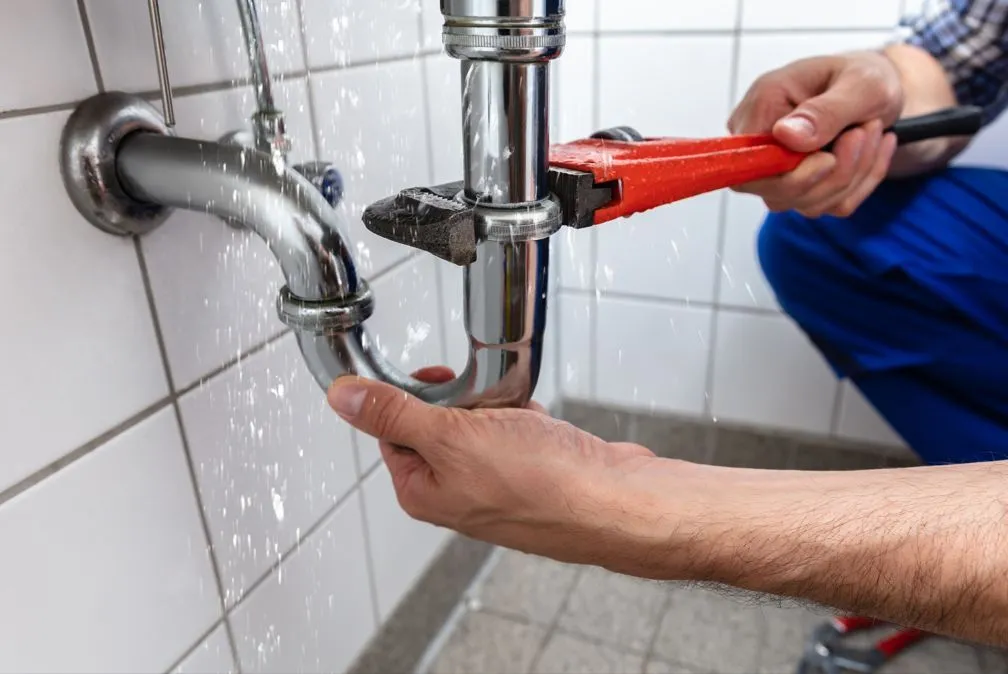
In modern residential and commercial plumbing, certain components play a critical role in maintaining both hygiene and functionality. Among these, the P-trap is one of the most important and commonly used devices. Also referred to as a p trap sink, drain pipe trap, or simply a kitchen trap, this plumbing feature ensures that wastewater flows efficiently while preventing harmful sewer gases from entering living spaces.
Whether in homes in cities like New York, Chicago, or Los Angeles, understanding p traps plumbing is essential for homeowners, contractors, and even DIY enthusiasts working on 1 4 p trap systems for sinks and drains.
What Is a P-Trap?
A P-trap is a U-shaped plumbing pipe that sits beneath sinks, tubs, and other fixtures. Its primary function is to trap a small amount of water in its curved section, creating a barrier that prevents foul-smelling sewer gases from rising into the living space.
The P-trap typically connects to the sink drain and the main plumbing line. It is often made of materials such as:
-
PVC (polyvinyl chloride) – lightweight, corrosion-resistant, common in modern homes
-
ABS (acrylonitrile butadiene styrene) – durable plastic used in older and some modern plumbing
-
Brass or chrome-plated metal – often used for visible kitchen or bathroom sinks
The water trapped in the P-trap acts as a seal against sewer gases while allowing wastewater to flow smoothly toward the main drainage system.
How P-Traps Work in Plumbing Systems
The design of a P-trap is deceptively simple but highly effective. The curve of the pipe allows water to collect in the bend, which forms a liquid seal. This seal prevents gases and odors from escaping the drainage system while still allowing water and waste to pass through.
Here is a basic breakdown of how a P-trap sink works:
-
Wastewater flows from the fixture – Water from the sink, tub, or shower enters the P-trap.
-
Water collects in the bend – This trapped water creates a seal against sewer gases.
-
Waste continues to drain – The wastewater moves from the P-trap into the main drain pipe, eventually reaching the sewer or septic system.
This simple yet effective mechanism makes the P-trap an indispensable part of residential plumbing.
Common Types of P-Traps
There are several variations of p traps plumbing, each suited to specific applications:
1. Standard P-Trap
The most common type used under kitchen and bathroom sinks. It features a U-shaped bend with a cleanout plug for easy maintenance.
2. S-Trap
Used less frequently today, the S-trap resembles an “S” shape and connects directly to floor drains. Many building codes in the USA now discourage its use due to the risk of siphoning the water seal.
3. Bottle Trap
Common in modern and compact bathrooms, a bottle trap has a cylindrical shape rather than the traditional U-bend. It is often used for aesthetic reasons under pedestal sinks.
4. Commercial P-Traps
Designed for restaurants, laboratories, and industrial kitchens, these traps handle larger volumes of wastewater and sometimes include grease or sediment traps.
P-Trap Sizes and Standards
P-traps come in several sizes, with the most common for household sinks being 1 4 p trap systems. This size fits most standard kitchen and bathroom fixtures. Other sizes, such as 1 1/2 inch or 2 inch, are used for tubs, showers, or commercial drains.
The diameter of the pipe and the length of the trap arm (the horizontal section that connects to the main drain) are often dictated by local plumbing codes to ensure proper flow and avoid clogs.
Applications of P-Traps
P-traps are used in virtually every drainage system in a home or building. Common locations include:
-
Kitchen sinks – Sometimes called a kitchen trap, it prevents odors from the garbage disposal and sink drain from entering the home.
-
Bathroom sinks – Traps under bathroom sinks are essential for hygiene and odor control.
-
Bathtubs and showers – Larger P-traps prevent sewer gases from escaping into bathrooms.
-
Utility sinks – Laundry rooms and workshops often have larger P-traps to handle additional debris.
Additionally, some specialized applications use a pea trap or pea trap drain, which is a smaller variation of the P-trap for certain commercial sinks or laboratory setups.
Common Problems with P-Traps
Even though P-traps are reliable, they can develop problems if not maintained or installed correctly:
1. Clogs
Food particles, grease, soap, hair, and other debris can accumulate in the trap, slowing drainage. In kitchens, p trap sink areas often experience clogs due to grease buildup.
2. Dry P-Trap
If a sink or fixture is rarely used, the water in the P-trap can evaporate. This eliminates the water seal and allows sewer gases to enter the home.
3. Leaks
Loose connections or damaged pipes can cause leaks in P-trap plumbing. Proper tightening and periodic inspections prevent water damage.
4. Corrosion
Metal P-traps, especially those in older homes, can corrode over time. Replacing these with PVC or ABS pipes is a common solution.
Maintenance of P-Traps
Maintaining P-traps is essential for a functional plumbing system. Homeowners can perform several simple maintenance tasks:
-
Regular cleaning – Remove the trap to clear out debris if water drains slowly.
-
Check for leaks – Inspect connections periodically and tighten slip nuts.
-
Refill traps – If a sink is rarely used, run water periodically to maintain the seal.
-
Use drain strainers – Prevent hair, food, and other debris from entering the trap.
These steps can extend the life of the drain pipe trap and maintain proper home hygiene.
Installation of a P-Trap
Installing a p trap sink requires understanding the fixture’s drain configuration and proper alignment with the wall or floor drain.
General Steps for Installation:
-
Turn off water supply – Ensure the area is safe to work on.
-
Measure and cut pipes – Use a hacksaw or PVC cutter for precise fit.
-
Connect the P-trap – Attach the trap to the sink tailpiece and main drain pipe.
-
Tighten slip nuts – Ensure the connections are snug but not overtightened.
-
Test for leaks – Run water through the system and check joints.
Homeowners using 1 4 p trap systems for small sinks can often complete the installation in under an hour, but larger or older systems may require a professional plumber.
Building Codes and Regulations
Plumbing systems in the United States are subject to local codes and standards. The P-trap design and installation must comply with:
-
International Plumbing Code (IPC)
-
Uniform Plumbing Code (UPC)
-
Local municipal regulations
Codes dictate the minimum size of the trap, slope of drain pipes, and maximum trap arm length. Adhering to these regulations ensures safety and prevents drainage problems.
Differences Between P-Traps and Other Traps
While the P-trap is the most common type, other traps are occasionally used:
-
S-traps – Connect directly to floor drains but are prone to siphoning problems.
-
Bottle traps – Compact design, often for visible sinks.
-
Grease traps – Specialized traps for kitchens to capture fats, oils, and grease before entering the sewer system.
Understanding the differences helps in selecting the right type for residential or commercial applications.
P-Trap and Environmental Considerations
Modern plumbing systems also consider environmental factors. A well-maintained P-trap prevents sewer gases from entering the home, reducing exposure to harmful compounds like methane and hydrogen sulfide.
Additionally, preventing clogs in pea trap drains and kitchen P-traps helps minimize the risk of blockages that can lead to water contamination or increased wastewater treatment costs.
Troubleshooting Common P-Trap Issues
Slow Drains
If water drains slowly, check the P-trap for clogs. Disconnect the trap and remove debris manually or with a plumbing snake.
Odors
Persistent sewer odors indicate a dry P-trap or a leak. Pour water into the trap and inspect for leaks.
Leaks
Use a pipe wrench or hand-tighten slip nuts to stop minor leaks. Replace damaged pipes if necessary.
Proper troubleshooting ensures the p trap plumbing system functions efficiently.
Advantages of Using a P-Trap
The P-trap offers several benefits for residential and commercial plumbing systems:
-
Prevents sewer gases – Water seal blocks unpleasant odors.
-
Easy maintenance – Cleanouts allow easy removal of debris.
-
Protects fixtures – Prevents backflow that could damage sinks and pipes.
-
Versatile – Used in kitchens, bathrooms, laundry rooms, and utility sinks.
These advantages make the P-trap a standard component in almost every plumbing system in the United States.
DIY Considerations for P-Trap Installation
Many homeowners consider installing a p trap sink themselves. While smaller P-traps for kitchen sinks are often manageable, certain precautions are important:
-
Ensure proper slope toward the drain.
-
Avoid overtightening slip nuts to prevent cracking PVC pipes.
-
Use plumber’s tape on threaded connections if required.
-
Check local building codes before installation.
For larger or complex systems, hiring a professional plumber ensures compliance with regulations and prevents costly mistakes.
The Future of P-Traps
Even with evolving plumbing technologies, the P-trap remains a fundamental component of drainage systems. Advancements in materials, such as corrosion-resistant plastics, make installation and maintenance easier.
Smart homes and sustainable plumbing designs also incorporate P-traps in conjunction with water-saving fixtures and greywater recycling systems, ensuring continued relevance in modern construction.
Conclusion
The P-trap is a simple yet indispensable part of modern plumbing systems. From p trap sink applications in kitchens and bathrooms to pea trap drain setups in specialized locations, these components ensure efficient drainage while protecting homes from foul odors and harmful gases.
Understanding p traps plumbing, 1 4 p trap sizes, and common installation techniques is essential for homeowners, contractors, and DIY enthusiasts alike. Proper installation, maintenance, and adherence to building codes guarantee that P-traps function reliably for decades, contributing to safe and hygienic living spaces across the United States.
With their essential role in drainage systems, P-traps continue to be a cornerstone of residential and commercial plumbing, balancing functionality, safety, and durability in modern homes.