Home improvement is not only about renovating interiors or upgrading décor—it also involves reinforcing the security and safety of the home. Among all security features, locks are the first line of defense that protect families, valuables, and property. Modern locks have evolved significantly from traditional mechanical designs to advanced digital locking systems. Today, homeowners can choose from a wide range of options, including deadbolts, smart locks, keyless entry systems, padlocks, cam locks, cylinder locks, and more.
This comprehensive guide explores everything you need to know about locks in home improvement—types, mechanisms, materials, technologies, installation tips, maintenance, and the latest innovations in home security.
1. Why Locks Are Essential in Home Improvement
Improving home safety begins at the door. Strong, reliable locks create a protective barrier that helps prevent unauthorized access. In addition to security, locks also contribute to privacy, convenience, and peace of mind.
1.1 Security for Property and People
Locks protect residents from intruders, theft, and break-ins. A high-quality locking system is the foundation of a secure home.
1.2 Privacy Control
Bedroom doors, bathroom doors, and home offices require privacy locks to maintain personal boundaries and comfort.
1.3 Safety for Children
Cabinet locks, window locks, and drawer locks prevent children from accessing dangerous tools, chemicals, or sharp objects.
1.4 Insurance Requirements
Many insurance companies require certified, high-grade locks to ensure adequate home protection.
1.5 Smart Home Integration
Today’s digital lifestyle encourages homeowners to use smart locks, offering remote access, smartphone controls, and automated safety alerts.
2. The Evolution of Locking Systems
Locks have progressed from simple wooden bars in ancient times to high-technology smart devices.
2.1 Early Mechanical Locks
Egyptians used wooden pin-tumbler locks. Romans improved the design with metal components.
2.2 Medieval Locking Systems
During this era, locksmiths crafted steel locks with intricate keys, paving the way for modern designs.
2.3 The Industrial Revolution
Mass production allowed standardized locks, including warded locks and early cylinder mechanisms.
2.4 20th Century Locking Innovations
Yale introduced the pin-tumbler lock widely used in homes today. Deadbolts also became popular.
2.5 21st Century Smart Security
Modern locks include fingerprint recognition, RFID card systems, numeric keypads, Bluetooth locks, and Wi-Fi enabled devices.
3. Types of Locks Used in Homes
Choosing the right lock is essential for improving home security. Below are the most common lock types for residential use.
3.1 Deadbolt Locks
Deadbolts offer strong resistance against forced entry. They come in:
-
Single-cylinder deadbolts
-
Double-cylinder deadbolts
-
Keyless deadbolts
3.2 Knob Locks
Common for interior doors, but not ideal for main entrances due to vulnerability to force.
3.3 Lever Handle Locks
Typically used in commercial spaces or accessible homes due to easy operation.
3.4 Mortise Locks
Popular for their strength; installed inside the door cavity and used for both traditional and modern homes.
3.5 Cylinder Locks
Include:
-
Euro cylinders
-
Oval cylinders
-
Rim cylinders
They offer high security and easy key replacement.
3.6 Smart Locks
Advanced locking solutions using:
-
Fingerprint
-
PIN code
-
Wi-Fi
-
Bluetooth
-
RFID keycards
Smart locks support mobile apps, remote control, and automation.
3.7 Padlocks
Portable, versatile, and suitable for gates, sheds, and storage units.
3.8 Cam Locks
Used for cabinets, drawers, and storage furniture.
3.9 Sliding Door Locks
Designed for patios, balcony doors, and glass sliding door systems.
3.10 Window Locks
Restrict window access for security and child safety.
4. Materials Used in Lock Manufacturing
Quality materials ensure durability and resistance against tampering.
4.1 Brass
Corrosion-resistant, easily molded, and commonly used for lock bodies and cylinders.
4.2 Steel
High strength; used in deadbolts and heavy-duty locks.
4.3 Zinc Alloy
Affordable and corrosion-resistant.
4.4 Stainless Steel
Ideal for outdoor locks due to weather resistance.
4.5 Hardened Steel
Used for padlock shackles and security bolts to prevent cutting attacks.
5. Key Technologies That Improve Lock Performance
Modern locks combine mechanical engineering with smart technology.
5.1 Anti-Pick Mechanisms
Locks now feature security pins that resist lock-picking tools.
5.2 Anti-Drill Plates
Hardened plates prevent drilling attempts used by burglars.
5.3 Anti-Bump Pins
Protect against “lock bumping,” a common intrusion technique.
5.4 Keyless Entry Technology
Enables access via:
-
PIN codes
-
Card swipes
-
Mobile apps
-
Biometrics
5.5 Remote Monitoring
Smart locks provide:
-
Activity logs
-
Tamper alerts
-
Real-time notifications
5.6 Integration with Smart Home Hubs
Compatible with Google Home, Amazon Alexa, Apple HomeKit, etc.
6. Factors to Consider When Choosing Home Locks
Selecting the right lock requires understanding security ratings, purpose, and usage.
6.1 Security Grade
ANSI/BHMA standards rate locks by durability and resistance:
-
Grade 1: Highest security
-
Grade 2: Mid-level
-
Grade 3: Residential basic
6.2 Door Type
Different doors (wood, metal, glass, uPVC) require compatible lock mechanisms.
6.3 Location
Exterior doors need heavy-duty locks; interior doors can use simpler options.
6.4 Number of Users
Smart locks simplify access for families with many members.
6.5 Emergency Exit Requirements
Choose locks that allow quick escape during emergencies.
6.6 Budget
Manual locks are affordable; smart locks offer advanced features at higher cost.
7. Installation and Maintenance Tips
Proper installation ensures optimal performance.
7.1 Professional Installation
Especially important for mortise locks and smart locks.
7.2 Regular Lubrication
Keeps mechanical locks smooth and prevents jamming.
7.3 Battery Maintenance
Smart locks require timely battery replacement.
7.4 Cleaning
Remove dust, dirt, and moisture to prevent rust and malfunction.
7.5 Key Management
Maintain spare keys, and avoid bending or rough usage.
8. The Future of Locks in Home Improvement
Lock technology continues to advance.
8.1 Artificial Intelligence in Smart Locks
AI analyzes behavior patterns to detect unusual activity.
8.2 Facial Recognition Locks
A new trend for home entry.
8.3 Smart Sensors
Detect forced entry and trigger alarms.
8.4 Cloud-Connected Security
Allows remote access management from anywhere in the world.
9. Understanding Lock Mechanisms in Detail
Different locking mechanisms provide different security levels. Understanding these helps homeowners make informed decisions in home improvement.
9.1 Pin Tumbler Mechanism
Used in most cylinder locks. The key aligns pins at correct height to rotate the cylinder.
9.2 Wafer Tumbler Mechanism
Common in furniture locks and vintage locks; operates with flat wafers instead of pins.
9.3 Disc Detainer Mechanism
Found in high-security locks; resistant to picking and bumping.
9.4 Lever Lock Mechanism
Used in safes and antique locks; uses metal levers lifted to specific height.
9.5 Magnetic Locking Systems
Use magnetism instead of mechanical pins—common in electronic and smart locks.
9.6 Motorized Bolts
Smart locks often use a motor to move deadbolts automatically.
10. Locks for Different Areas of the Home
Each area requires a suitable locking solution.
10.1 Main Entrance Locks
Should include:
-
Deadbolts
-
Reinforced strike plates
-
Smart access control
10.2 Back Doors & Patio Doors
Sliding doors require:
-
Hook bolts
-
Track locks
-
Door bars
10.3 Bedroom & Bathroom Locks
Privacy locks with simple turn buttons are perfect for these rooms.
10.4 Windows
Keyed locks or restrictors enhance safety and prevent accidents.
10.5 Garage & Basement
Padlocks, latch locks, and heavy deadbolts help secure these areas.
10.6 Garden Gates
Weather-resistant padlocks or combination locks are recommended.
11. Smart Locks in Depth
Smart locks have become central to home improvement projects.
11.1 Wi-Fi Smart Locks
Allow access from anywhere through the internet.
11.2 Bluetooth Smart Locks
Operate through proximity and smartphone connection.
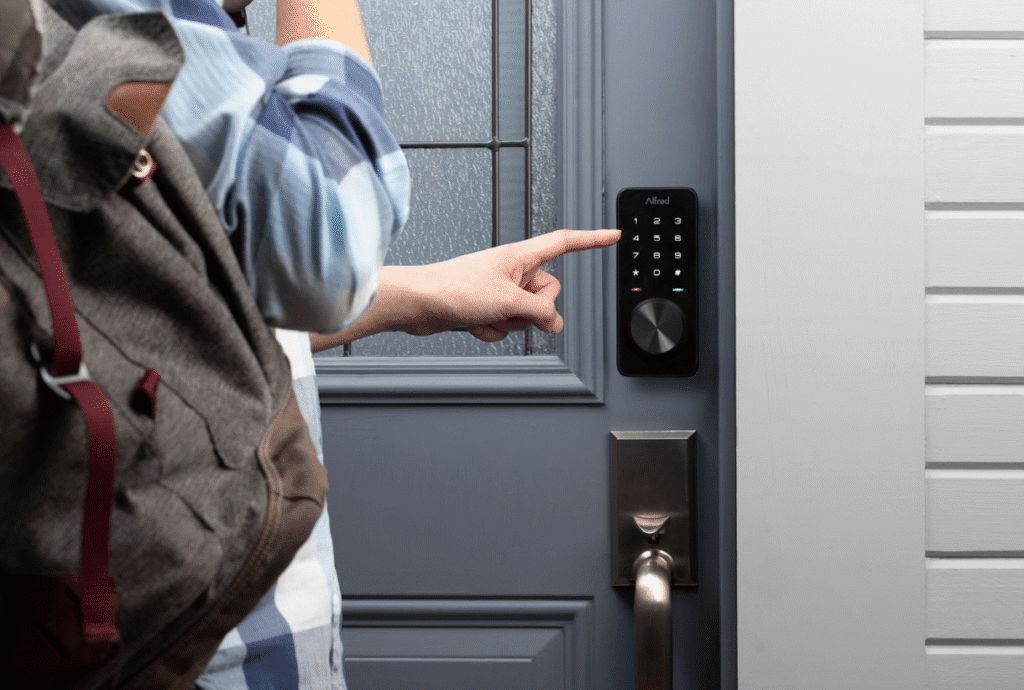
11.3 Keypad Locks
PIN-based access; ideal for guests or rental properties.
11.4 Biometric Locks
Fingerprint scanners provide high-level security.
11.5 RFID Locks
Use electronic keycards, often used in offices and apartment buildings.
11.6 Temporary Digital Keys
Smart locks allow sharing temporary access for visitors, cleaners, or maintenance teams.
12. Common Lock Problems and Solutions
Locks may experience wear and tear.
12.1 Key Won’t Turn
Often caused by dirt or misalignment.
12.2 Lock Jamming
Dust accumulation or worn-out parts.
12.3 Loose Door Handles
Requires tightening screws or replacing internal components.
12.4 Deadbolt Misalignment
Occurs when doors warp; requires strike plate adjustment.
12.5 Smart Lock Connectivity Issues
Can be solved by restarting devices or updating firmware.
13. Enhancing Door Security Beyond Locks
During home improvement, locks are one part of a bigger safety setup.
13.1 Reinforced Doors
Solid wood or steel doors improve protection.
13.2 Security Chains & Latches
Add extra layers for added security.
13.3 Peepholes & Video Doorbells
Help identify visitors safely.
13.4 Security Grilles
Useful for windows and back entrances.
13.5 Motion Sensor Lights
Scare off potential intruders.
14. Environmental Considerations in Lock Manufacturing
Sustainability in home improvement also affects lock production.
14.1 Recycled Metals
Many brands now use recycled brass and steel.
14.2 Energy-Efficient Smart Locks
Low-energy Bluetooth and solar charging reduce environmental impact.
14.3 Non-Toxic Coatings
Eco-friendly surface finishes reduce harmful emissions.
15. How to Choose a Locksmith or Lock Professional
15.1 Certification
Ensure locksmiths carry proper accreditation.
15.2 Experience
Choose professionals familiar with both mechanical and smart locks.
15.3 Emergency Support
24/7 services are essential for lockouts.
15.4 Warranty
A reliable locksmith provides installation and product warranties.
16. Innovations and Future Trends in Residential Locking Technology
The landscape of residential security continues to evolve as homes become more digitally connected. Modern home improvement is no longer limited to structural upgrades; it now includes integrating advanced lock systems that improve accessibility, convenience, and safety. Understanding these innovations prepares homeowners to invest in long-lasting solutions that align with the future of smart living.
16.1 Biometric Advancements in Home Locks
Biometric authentication, once limited to high-security environments, is now increasingly common in residential properties. Modern biometric locks offer:
-
Fingerprint recognition
-
Facial recognition
-
Palm-vein authentication
-
Multi-factor identification
These systems reduce the dependency on physical keys and lower the risks associated with lost or stolen keys. In home improvement projects, biometric locks are especially beneficial for households with children or elderly individuals who may struggle with traditional key use. Their quick response time and encrypted storage of biometric data make them both convenient and secure.
16.2 Artificial Intelligence in Security Monitoring
The integration of AI in home security represents a major shift in how homeowners interact with locks and access points. AI-driven locks can:
-
Learn entry patterns
-
Detect unusual door activity
-
Generate alerts for forced entry
-
Adjust access permissions automatically
These systems often pair with home security cameras and motion sensors, creating an intelligent ecosystem that keeps a constant watch over the property. The predictive capabilities of AI contribute to proactive security, making lock systems more adaptive and efficient.
16.3 Renewable Energy and Eco-Friendly Locks
As sustainability becomes a priority in home improvement, residential locks are also adopting environmentally friendly mechanisms. Solar-powered locks, for instance, reduce battery waste and ensure reliability even during power outages. Additionally, low-energy Bluetooth and NFC-based locks consume minimal power and extend battery life significantly.
Materials also play a role—lock manufacturers are shifting toward corrosion-resistant alloys, recycled metal bodies, and long-lasting components that reduce replacement frequency. This benefits homeowners seeking durable solutions that align with eco-conscious living.
16.4 Fully Integrated Smart Home Ecosystems
Smart locks are no longer standalone devices; they function as part of comprehensive home automation systems. These ecosystems allow homeowners to remotely control:
-
Interior and exterior door locks
-
Security cameras
-
Lighting and sensors
-
Garage doors
-
Alarms and entry logs
Integration with virtual assistants (such as voice-enabled devices) simplifies daily routines. For example, locks can automatically secure the home when smart lights are turned off or when the security system is enabled. These interactions elevate convenience while enhancing safety.
16.5 Cloud-Based Access Management
Cloud technology allows homeowners to store access logs, share digital keys, and monitor all entry points in real time. Digital passcodes can be created for guests, service workers, or temporary visitors, and easily revoked once no longer required. Cloud access is valuable in rental properties, vacation homes, or multi-unit households where multiple users require controlled access.
17. Comparing Traditional Mechanical Locks with Smart Lock Solutions
In home improvement decision-making, homeowners often compare mechanical locks with smart locks to determine which best meets their needs. Each category offers distinct advantages and limitations.
17.1 Strength and Durability of Mechanical Locks
Mechanical locks, such as deadbolts, mortise locks, and cylinder locks, are known for their:
-
Longevity
-
Simplicity
-
Mechanical reliability
-
Resistance to digital manipulation
High-quality mechanical locks made from hardened steel or brass provide exceptional resistance to forced entry, drilling, and tampering. They do not rely on electricity or internet connectivity, making them dependable in emergencies.
17.2 Convenience and Automation in Smart Locks
Smart locks offer the benefit of:
-
Keyless entry
-
App-based control
-
Temporary access codes
-
Integration with home devices
Smart locks reduce the need for physical keys and provide a detailed record of door activities. They are preferred by homeowners seeking automation, remote access, or advanced monitoring capabilities.
17.3 Hybrid Locking Systems
Hybrid systems combine mechanical strength with smart features. Example:
A traditional deadbolt that also has:
-
Keypad entry
-
Bluetooth unlock
-
Emergency key override
Hybrid locks deliver both durability and modern convenience, making them a strong option for security-focused homeowners.
17.4 Cost Considerations
Mechanical locks generally cost less upfront, while smart locks involve higher initial expenses but long-term convenience. The decision depends on security requirements, budget, and lifestyle.
18. Customizing Locks to Match Home Architecture and Interior Design
Lock selection is not purely functional—visual design also matters. Locks contribute to the aesthetic appeal of doors, entryways, and interior spaces.
18.1 Architectural Styles and Matching Hardware
Different architectural styles benefit from different lock designs:
-
Modern homes: sleek handles, digital touchpads
-
Traditional homes: brass deadbolts, ornate hardware
-
Industrial interiors: matte black locks, metallic finishes
-
Minimalist spaces: concealed or slim-profile smart locks
Aligning locks with door styles improves the overall harmony of the décor.
18.2 Finishes and Colors
Lock hardware is available in various finishes:
-
Chrome
-
Nickel
-
Brass
-
Bronze
-
Matte black
-
Stainless steel
Choosing complementary finishes enhances cohesiveness in the interior design. Rust-resistant finishes are especially valuable for exterior locks.
18.3 Door Material Compatibility
Wood, metal, fiberglass, and composite doors each require specific types of lock installations. Understanding door composition ensures durability, proper fitting, and long-term security.
19. The Role of Locks in Multi-Family and Shared Living Spaces
Shared living spaces, such as apartments, duplexes, or co-living environments, require more complex locking strategies.
19.1 Individual vs. Shared Access
Multi-family homes must balance private access and communal entry. Smart keypad locks allow:
-
Unique codes for each resident
-
Automatic code expiration
-
Activity tracking
This reduces the risk of unauthorized entry while simplifying management.
19.2 Controlled Access for Service Providers
Smart locks make it possible to grant temporary access to:
-
Maintenance workers
-
Cleaners
-
Delivery services
-
Property managers
Temporary codes or digital keys streamline operations without compromising security.
19.3 Apartment Building Security
Apartment buildings often use:
-
RFID card systems
-
Video intercoms
-
Magnetic locks
-
Multi-point access control
These systems enhance safety in high-density environments where many individuals enter and exit daily.
20. Ensuring Accessibility and Safety for All Household Members
Lock systems should also support accessibility, accommodating people with disabilities, children, elderly individuals, and those with mobility challenges.
20.1 Lock Options for Elderly Users
Older individuals may prefer:
-
Lever-style handles
-
Oversized keyholes
-
Keypad entry systems
-
Fingerprint locks
These reduce strain and improve ease of use.
20.2 Child Safety Considerations
To prevent accidental openings by children:
-
High-positioned locks
-
Childproof latches
-
Dual-mechanism locks
-
Window restrictors
Enhancing safety helps create a secure household environment.
20.3 Accessibility for Individuals with Disabilities
Homes can benefit from:
-
Voice-activated smart locks
-
Keyless remote entry
-
Automatic door openers
-
ADA-compliant hardware
These solutions support independence and easy access.
21. Building a Layered Home Security Strategy
Locks perform best when integrated into a layered security plan. Relying on a single device is insufficient for modern threats.
21.1 Lock + Lighting Integration
Motion-activated lighting increases visibility and reduces the risk of intrusions. Many security systems pair lighting with lock sensors to alert homeowners of door movement at night.
21.2 Lock + Alarm System Integration
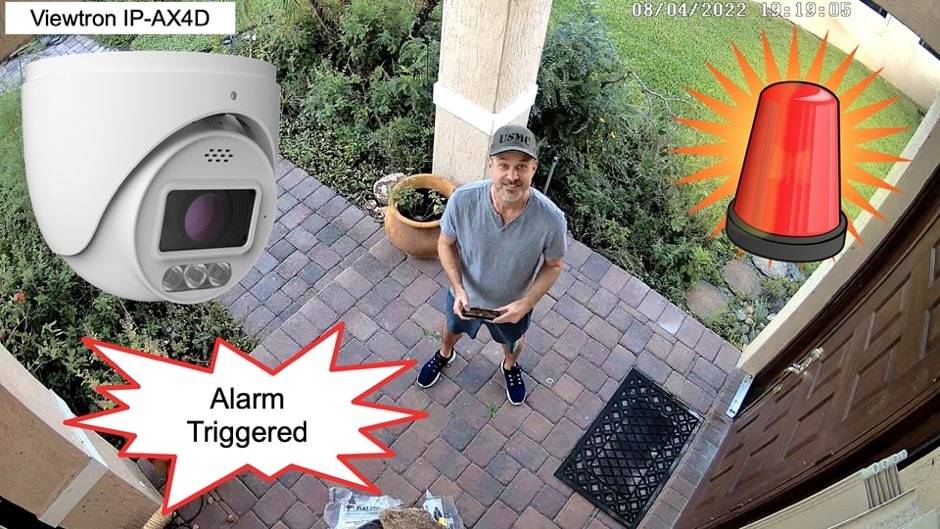
Connecting locks to alarm systems offers dual protection. If a door is forced open, sensors trigger alarms immediately.
21.3 Lock + Surveillance Cameras
Cameras near the main entrance can:
-
Capture visitor activity
-
Monitor deliveries
-
Record attempted break-ins
Integrating cameras with smart locks enhances real-time monitoring.
21.4 Lock + Security Doors
Reinforced doors, metal frames, and impact-resistant materials improve lock effectiveness. Upgrading the door structure amplifies overall home security.
CONCLUSION
Locks are an essential part of home improvement, offering protection, privacy, and peace of mind. Understanding lock types, mechanisms, materials, and new technologies helps homeowners make informed decisions. Whether upgrading to smart locks, reinforcing entry points, or maintaining existing locks, security should always be a priority. A well-secured home is not only safer but also more comfortable and confident for the people living inside it.