Dragon fruit has become increasingly popular across the United States in farmers’ markets, backyard gardens, and specialty grocery stores. Known for its bright pink skin, green scales, and speckled flesh, this tropical fruit comes from a cactus species often called the dragon fruit pitaya cactus.
Interest in cultivating dragon fruit has expanded in states with warm climates such as California, Florida, Texas, and Arizona. However, with proper care and protection, growing dragon fruit plant varieties is possible in many other parts of the country as well.
This article explains where dragon fruit comes from, the biology of the pitaya plant, environmental requirements, plant care practices, and long-term management considerations for American growers.
Where Does Dragon Fruit Come From?


When people ask, “where does dragon fruit come from,” the answer begins in Central and South America. Dragon fruit originates from tropical regions of Mexico and parts of Central America. Over time, cultivation spread to Southeast Asia, Israel, and Australia.
Botanically, the dragon fruit plant belongs to the genus Hylocereus (now often classified under Selenicereus). The plant is a climbing cactus that thrives in warm, dry climates but also requires seasonal rainfall or irrigation for fruit production.
In the United States, commercial production is concentrated in:
-
Southern California
-
South Florida
-
Hawaii (not mainland USA but part of the United States)
The tropical climate of Hawaii supports year-round growth.
Understanding the Dragon Fruit Pitaya Cactus


The dragon fruit pitaya cactus is different from desert cacti. While it tolerates drought, it naturally grows in subtropical forests where it climbs trees and structures using aerial roots.
Key Characteristics
-
Three-sided fleshy stems
-
Climbing or sprawling growth habit
-
Aerial roots for attachment
-
Large white night-blooming flowers
-
Brightly colored fruit with edible flesh
The flowers are often referred to as “moonflowers” because they open at night and close by morning. Pollination may occur naturally through insects or manually in controlled cultivation systems.
Dragon Fruit Plant Structure and Growth Habit
The dragon fruit plant is technically a vine-like cactus. Unlike upright desert species, it needs structural support such as trellises, posts, or fences.
Growth Pattern
-
Young stems grow rapidly in warm weather.
-
Mature plants branch extensively.
-
Flowering typically begins within 1–2 years under ideal conditions.
Because the plant is epiphytic in nature, it prefers vertical growth support rather than spreading across soil surfaces.
Climate Requirements for Growing Dragon Fruit in the USA
Temperature
Dragon fruit thrives in temperatures between 65°F and 85°F. It can tolerate brief exposure to slightly cooler weather but is sensitive to frost.
In southern regions like Miami and San Diego, outdoor cultivation is feasible year-round. In colder regions, container growing dragon fruit plant systems allow relocation indoors during winter.
Sunlight
The pitaya plant prefers full sun but benefits from partial shade in extremely hot desert climates.
Rainfall and Irrigation
While drought-tolerant, dragon fruit growing requires consistent watering during flowering and fruiting periods. Overwatering, however, can lead to root rot.
Soil Requirements for Dragon Fruit Growing
Soil structure is critical when cultivating dragon fruit.
Ideal Soil Conditions
-
Well-draining sandy or loamy soil
-
Slightly acidic to neutral pH (6.0–7.0)
-
High organic matter content
Raised beds or mounded soil help prevent water accumulation around roots.
Heavy clay soils common in parts of the southern United States may require amendment with compost or coarse sand.
Growing Dragon Fruit Plant from Cuttings
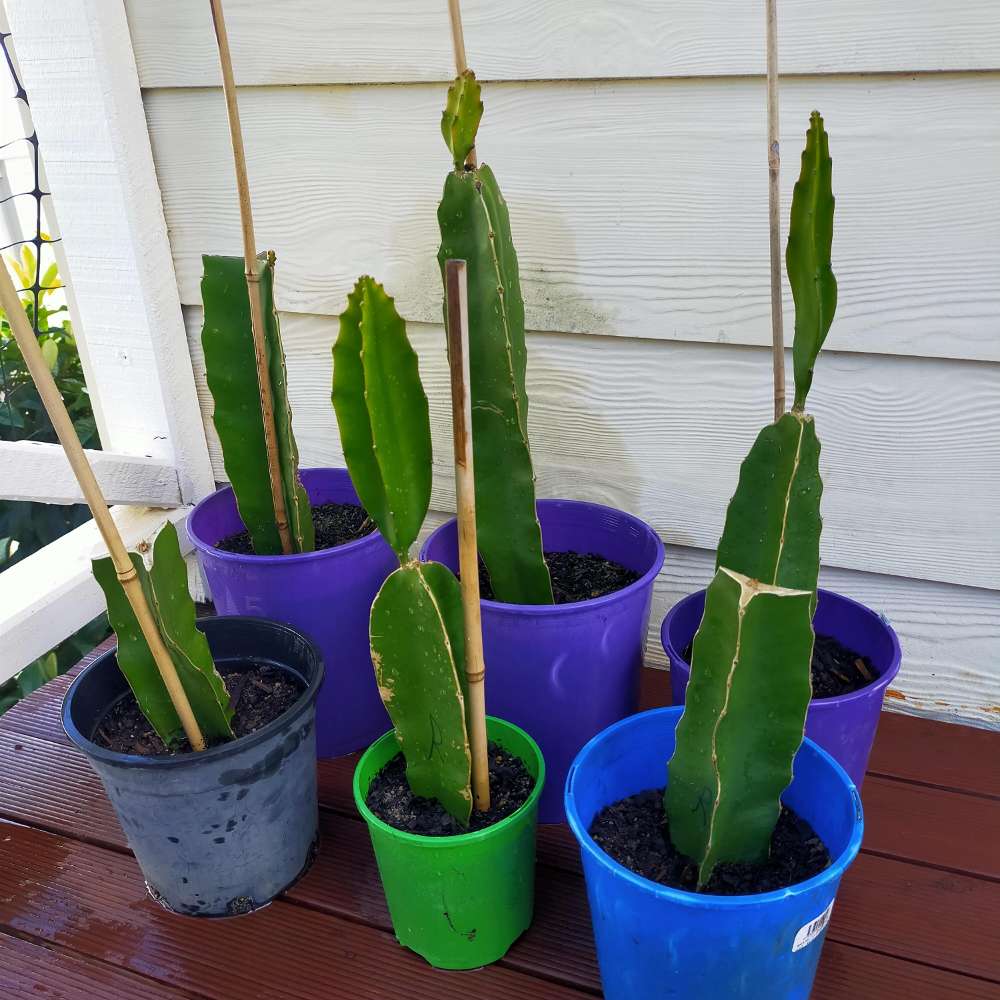

The most reliable way to grow a dragon fruit plant is through stem cuttings rather than seeds.
Process Overview
-
Select a healthy mature stem.
-
Cut a 12–18 inch segment.
-
Allow the cut end to dry and callus for several days.
-
Plant in well-draining soil.
-
Water lightly until roots establish.
Cuttings typically produce fruit faster than seed-grown plants.
Dragon Fruit Plant Care Essentials
Proper dragon fruit plant care ensures healthy growth and fruit production.
Watering
-
Moderate but consistent moisture
-
Reduce watering in winter
-
Avoid standing water
Fertilization
Although a cactus, dragon fruit benefits from balanced fertilizer during active growth. Organic compost applications support nutrient balance.
Pruning
Pruning is necessary to:
-
Control excessive branching
-
Improve airflow
-
Encourage fruit-bearing stems
Remove weak or overcrowded stems annually.
Flowering and Pollination


Dragon fruit flowers are large, white, and fragrant. They bloom at night and may require pollination within a limited window.
Some varieties are self-fertile, while others need cross-pollination. In commercial production, hand pollination can improve fruit set.
Fruit Development and Harvest
After successful pollination:
-
Fruit develops within 30–50 days.
-
Skin turns bright pink or yellow depending on variety.
-
Flesh may be white, red, or purple.
Harvest timing is critical. Overripe fruit may split.
In the United States, harvest season typically runs from early summer through fall, depending on climate.
Container Cultivation in Colder States
In states with freezing winters, growing dragon fruit plant systems indoors or in greenhouses is common.
Container Requirements
-
Large pot (minimum 15–20 gallons)
-
Strong support pole
-
Well-draining cactus mix
Indoor plants require bright sunlight or supplemental grow lights.
Common Challenges in Dragon Fruit Growing
1. Root Rot
Caused by overwatering or poorly drained soil.
2. Sunburn
Young plants may suffer sun damage if suddenly exposed to intense sunlight.
3. Pests
Occasional issues include:
-
Mealybugs
-
Aphids
-
Ant infestations
Integrated pest management helps maintain plant health without excessive chemical use.
Long-Term Maintenance
Dragon fruit plants can remain productive for 20 years or more under proper conditions.
Annual pruning, soil enrichment, and structural inspection are necessary for sustained yields.
Commercial growers in California often train plants on concrete posts with a circular top frame to allow stems to cascade downward, increasing fruit production zones.
Nutritional and Culinary Value
Dragon fruit is rich in:
-
Vitamin C
-
Fiber
-
Antioxidants
-
Magnesium
Its mild sweetness makes it suitable for smoothies, fruit bowls, salads, and desserts.
Environmental Considerations
Dragon fruit growing is relatively water-efficient compared to many fruit crops. Its cactus physiology allows survival during short dry periods, making it suitable for water-conscious cultivation in parts of the southwestern United States.
However, responsible irrigation management remains essential to avoid waste and root disease.
Commercial vs Backyard Cultivation
Commercial Farms
-
High-density trellis systems
-
Irrigation management
-
Manual pollination when necessary
-
Structured pruning programs
Home Gardens
-
Smaller support structures
-
Seasonal fertilization
-
Hand pruning
-
Flexible harvest timing
Backyard cultivation continues to grow in popularity in suburban and rural areas across warm US states.
How to Grow a Dragon Fruit Plant Successfully in the USA
To summarize growing dragon fruit effectively:
-
Choose frost-free or protected locations.
-
Provide vertical support.
-
Ensure excellent drainage.
-
Maintain moderate watering.
-
Prune annually.
Understanding the natural habits of the dragon fruit pitaya cactus improves long-term success.
The Expanding Presence of Dragon Fruit in American Agriculture
Dragon fruit is no longer considered an exotic rarity. With increasing consumer demand and suitable growing regions in southern states, its cultivation continues to expand.
While originally native to tropical Americas, modern agricultural systems have adapted it successfully to parts of the United States.
Cultivating dragon fruit requires attention to structure, drainage, and climate, but it offers a unique opportunity for both commercial growers and backyard gardeners seeking alternative fruit crops.
By understanding dragon fruit plant care, the biology of the pitaya plant, and the environmental requirements of dragon fruit growing, American growers can integrate this tropical cactus fruit into diverse agricultural systems.
With thoughtful management and appropriate climate adaptation, growing dragon fruit plant varieties can become a sustainable and productive addition to warm-region landscapes across the United States.