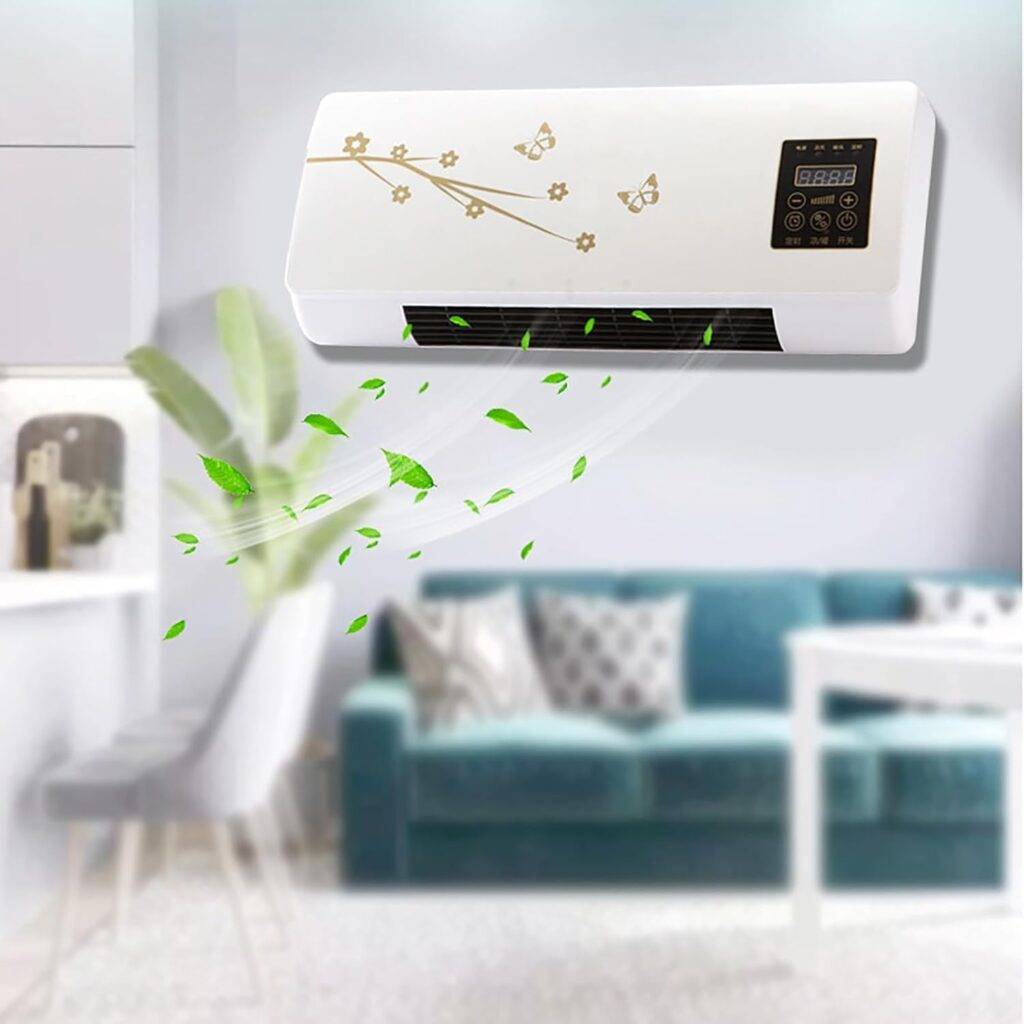
The air we breathe plays a fundamental role in our overall health and comfort. While outdoor air pollution has long been a concern, indoor air quality is equally — if not more — important. With people spending a majority of their time indoors, maintaining clean, healthy air within homes, offices, and other enclosed spaces has become a growing priority.
Two essential appliances that contribute to a better indoor environment are air purifiers and humidifiers. Each serves a different purpose — one filters out pollutants, while the other regulates moisture — but both work together to improve the air quality we rely on daily.
This comprehensive guide explains how air purifiers and humidifiers function, their differences, benefits, and how to use them effectively to create healthier indoor spaces.
Understanding Air Quality and Its Importance
What Is Air Quality?
Air quality refers to the condition of the air in a specific environment, particularly how clean or polluted it is. Good air quality means minimal levels of contaminants such as dust, allergens, smoke, or volatile organic compounds (VOCs). Poor air quality, on the other hand, contains harmful particles or gases that can irritate the lungs, trigger allergies, and cause long-term health issues.
Why Indoor Air Quality Matters
Indoor air can sometimes be more polluted than outdoor air. Factors like dust accumulation, pet dander, cooking fumes, cleaning chemicals, and poor ventilation all contribute to declining air quality. Modern homes, designed for energy efficiency, are tightly sealed — keeping heat or cool air in, but also trapping pollutants inside.
Poor air quality can lead to:
-
Respiratory problems such as asthma and allergies.
-
Eye and throat irritation.
-
Fatigue or headaches.
-
Long-term risks from chemical exposure.
That’s why maintaining proper air quality indoors is a vital aspect of home comfort, safety, and health.
What Are Air Purifiers?
An air purifier is an electrical device designed to remove contaminants from the air in an enclosed space. It works by drawing air through filters that trap particles like dust, pollen, smoke, and bacteria — circulating cleaner air back into the room.
How Air Purifiers Work
Most air purifiers use a multi-stage filtration system, combining various technologies to target different types of pollutants:
-
Pre-filter: Captures large particles like dust and hair.
-
HEPA Filter (High-Efficiency Particulate Air): Traps microscopic allergens and airborne pollutants as small as 0.3 microns.
-
Activated Carbon Filter: Absorbs odors, gases, and VOCs from household chemicals or cooking.
-
UV Light or Ionizer (optional): Destroys bacteria, viruses, and mold spores, adding an extra layer of protection.
Together, these systems enhance air cleanliness by continuously cycling and filtering the air.
Benefits of Air Purifiers
1. Reduces Allergens and Asthma Triggers
Air purifiers remove dust mites, pollen, and pet dander — common triggers for allergies and asthma. Cleaner air leads to fewer flare-ups and better respiratory comfort.
2. Eliminates Odors and Smoke
Activated carbon filters absorb lingering smells from cooking, tobacco, or pets, leaving rooms smelling neutral and fresh.
3. Removes Airborne Germs
Advanced purifiers with UV or HEPA filters trap bacteria and viruses, reducing the risk of airborne infections.
4. Improves Sleep Quality
Breathing purified air supports restful sleep by reducing congestion and irritation caused by pollutants.
5. Enhances Overall Health
Consistent exposure to clean air supports immune function, reduces headaches, and promotes better lung function — vital for long-term well-being.
Types of Air Purifiers
Different technologies cater to specific air purification needs.
1. HEPA Air Purifiers
These are the most common and effective, removing up to 99.97% of airborne particles. Ideal for allergy sufferers.
2. Activated Carbon Air Purifiers
Specialized in removing odors, smoke, and gases — perfect for kitchens or urban areas.
3. Ionic Air Purifiers
Emit charged ions that attract dust and allergens, causing them to settle out of the air.
4. UV-C Air Purifiers
Use ultraviolet light to neutralize bacteria, mold, and viruses, providing cleaner, germ-free air.
5. Hybrid Purifiers
Combine multiple technologies (HEPA, UV, carbon) for comprehensive air cleaning performance.
Each type has its strengths, and choosing one depends on specific needs, room size, and environmental conditions.
What Are Humidifiers?
While air purifiers focus on cleanliness, humidifiers address air comfort. A humidifier adds moisture to dry air, helping maintain optimal humidity levels — typically between 30% and 50%.
How Humidifiers Work
Humidifiers release water vapor or mist into the air to balance humidity levels. Depending on the model, this can be done through evaporation, ultrasonic vibration, or steam release.
Maintaining proper humidity is crucial, especially in dry climates or during winter when indoor heating reduces moisture. Balanced humidity helps preserve furniture, protects skin, and promotes respiratory health.
Benefits of Humidifiers
1. Relieves Dry Skin and Irritation
Dry air causes cracked lips, itchy skin, and nasal dryness. A humidifier restores comfort by adding necessary moisture.
2. Supports Respiratory Health
Moist air soothes airways, reducing irritation and easing breathing for people with colds, allergies, or asthma.
3. Protects Wooden Furniture and Plants
Low humidity causes wood to shrink or crack and dries out houseplants. Consistent moisture prevents these issues.
4. Improves Sleep
Humidifiers reduce throat dryness and congestion, helping users breathe comfortably throughout the night.
5. Enhances Overall Comfort
Balanced humidity creates a more pleasant environment by preventing static electricity and reducing airborne dust.
Types of Humidifiers
1. Evaporative Humidifiers
Use a fan to blow air through a wet filter or wick, naturally releasing moisture.
2. Ultrasonic Humidifiers
Use high-frequency vibrations to create a fine mist, making them quiet and energy-efficient.
3. Steam Vaporizers
Boil water to release warm steam, useful for relieving cold symptoms but requiring careful handling.
4. Impeller Humidifiers
Use rotating disks to produce cool mist, ideal for children’s rooms due to safety.
Each humidifier type suits specific room sizes and personal preferences for humidity levels.
The Relationship Between Air Purifiers and Humidifiers
Although both devices improve air quality, they address different aspects of it.
| Function | Air Purifier | Humidifier |
|---|---|---|
| Primary Role | Removes airborne pollutants | Adds moisture to dry air |
| Target | Dust, allergens, smoke, bacteria | Dryness, static, low humidity |
| Best For | Allergies, asthma, urban pollution | Dry skin, throat irritation, winter months |
| Output | Clean, filtered air | Moist, balanced air |
| Combination Use | Works best together for healthy indoor air | Complements air purifiers |
Using both devices together provides comprehensive air management — clean and properly humidified air promotes optimal comfort and respiratory health.
How Air Quality, Purification, and Humidity Work Together
Clean air is more than the absence of pollution — it’s a balance of purity and proper moisture.
-
Purification: Air purifiers remove harmful particles, improving hygiene and preventing illness.
-
Humidity Regulation: Humidifiers maintain ideal moisture, preventing dryness-related issues.
-
Ventilation: Natural or mechanical ventilation ensures air circulation and oxygen replenishment.
When all three systems are maintained properly, the result is healthier, more breathable indoor air.
How to Maintain Good Indoor Air Quality
1. Regular Cleaning
Vacuum, dust, and mop regularly to reduce dirt and allergens.
2. Proper Ventilation
Open windows occasionally or install exhaust fans to circulate air and remove pollutants.
3. Use Plants Wisely
Certain plants like peace lilies or spider plants naturally purify air, but avoid overwatering, which increases humidity too much.
4. Avoid Smoking Indoors
Tobacco smoke introduces harmful chemicals that linger long after smoking ends.
5. Monitor Air Quality
Use air quality monitors or smart sensors to track pollutant levels and humidity balance in real time.
6. Maintain Your Devices
Clean purifier filters and refill humidifier tanks with distilled water to prevent mold growth.
Good air quality results from consistent maintenance and awareness, not just equipment use.
The Impact of Poor Air Quality
Ignoring air quality can lead to short-term discomfort and long-term health concerns:
-
Short-Term Effects: Sneezing, eye irritation, fatigue, headaches.
-
Long-Term Effects: Asthma, allergies, heart disease, and chronic respiratory conditions.
-
Environmental Effects: Poor indoor air affects not just people but also furniture, electronics, and plants.
Addressing these issues early through air purifiers and humidifiers supports both health and home preservation.
Choosing the Right Air Purifier and Humidifier
When selecting appliances to improve air quality, consider the following:
For Air Purifiers:
-
Filter Type: Look for HEPA filters for maximum efficiency.
-
Room Size Compatibility: Ensure coverage matches the area of use.
-
Noise Level: Choose low-noise models for bedrooms or offices.
-
Maintenance Needs: Easy-to-replace filters and indicator lights simplify upkeep.
For Humidifiers:
-
Tank Capacity: Larger tanks suit spacious rooms; smaller ones for personal use.
-
Humidity Control: Adjustable settings prevent over-humidification.
-
Ease of Cleaning: Regular cleaning avoids mold and bacteria buildup.
-
Noise Level: Ultrasonic models are quiet, suitable for sleep environments.
Selecting well-designed, efficient models ensures consistent performance and cleaner, healthier air indoors.
Environmental and Health Considerations
Modern air quality solutions emphasize sustainability and health safety.
-
Energy Efficiency: Look for energy-efficient air purifiers and humidifiers with low power consumption.
-
Eco-Friendly Filters: Choose washable or recyclable filters to minimize waste.
-
Natural Solutions: Pair devices with natural ventilation and plants for a balanced environment.
-
Chemical-Free Operation: Avoid air fresheners or fragrances that emit VOCs, which counteract purification efforts.
Adopting eco-conscious air management supports both health and environmental well-being.
The Role of Technology in Modern Air Quality Management
Advancements in technology have made managing air quality easier and more precise.
-
Smart Sensors: Detect pollutants and humidity levels in real time.
-
Automatic Adjustments: Devices automatically regulate airflow and mist output.
-
App Integration: Users can monitor and control devices remotely via smartphones.
-
Data Analysis: AI-driven systems learn patterns and suggest personalized air quality adjustments.
These innovations reflect how air purifiers and humidifiers have evolved from basic appliances to intelligent air management systems.
Combining Purifiers and Humidifiers in the Home
Integrating both systems maximizes air health benefits:
-
Use an air purifier first to remove dust and allergens.
-
Then, run a humidifier to restore moisture without reintroducing pollutants.
-
Place devices on opposite sides of the room for balanced circulation.
-
Clean both regularly to prevent bacterial growth.
This combination creates an ideal indoor atmosphere — clean, fresh, and comfortable.
Future Trends in Air Quality Improvement
Emerging trends continue to redefine how we manage indoor air:
-
Portable Hybrid Devices: Combining purification and humidification in one unit.
-
AI-Powered Air Systems: Real-time automatic control based on pollutant and humidity data.
-
Sustainable Filters: Plant-based and reusable filter materials.
-
Personal Air Quality Devices: Wearable purifiers for individual use in polluted environments.
These developments signal a growing focus on health technology and environmental sustainability in air quality management.
How Seasonal Changes Affect Indoor Air Quality
The air we breathe indoors is not static — it changes with the seasons. Each time of year presents unique challenges to air quality, requiring different approaches to maintain a clean and comfortable home environment.
1. Spring: Managing Allergens
Spring brings renewal but also an increase in pollen and airborne allergens. Even indoors, open windows and ventilation systems can introduce pollen, triggering allergies or asthma.
Using air purifiers equipped with HEPA filters during this season helps trap microscopic pollen grains and reduce exposure. Combining this with humidifiers prevents dry air from aggravating respiratory irritation, which is common when allergy sufferers overuse air conditioning.
2. Summer: Combating Heat and Humidity
In warmer months, humidity and heat rise, often leading to mold growth and musty odors. Air conditioners remove moisture but can over-dry the air, causing discomfort.
To maintain balance, using a humidifier in moderation keeps air moisture within the ideal range (30–50%), preventing sinus dryness and static buildup. Meanwhile, air purifiers combat dust and pet dander that accumulate from increased outdoor activity.
3. Autumn: Controlling Dust and Mold
As temperatures drop, heating systems are reactivated after months of dormancy. Dust buildup in vents and filters can spread allergens throughout the home. Regular cleaning, along with an air purifier, ensures these particles are captured before they circulate.
Humidity control remains vital too — humidifiers counteract the drying effect of central heating, keeping skin hydrated and airways clear.
4. Winter: Balancing Dryness and Comfort
Cold air holds less moisture, making humidifiers essential during winter. Low humidity can cause cracked skin, dry throats, and increased susceptibility to infections.
However, homes are usually closed up to retain heat, which traps pollutants. Air purifiers play a key role in filtering indoor air from smoke, dust, and carbon particles from heating sources, ensuring clean, breathable air even in sealed spaces.
Understanding seasonal air challenges allows homeowners to use purifiers and humidifiers strategically throughout the year.
The Relationship Between Ventilation and Air Purification
No matter how advanced your air purifier or humidifier is, ventilation remains a critical factor in maintaining air quality. Stale indoor air, if not replaced with fresh air, can accumulate carbon dioxide, moisture, and contaminants.
1. Natural Ventilation
Opening windows periodically introduces outdoor air that dilutes indoor pollutants. However, in areas with high outdoor pollution or allergens, this must be balanced with purification systems that filter incoming air.
2. Mechanical Ventilation
Modern homes often use HVAC (Heating, Ventilation, and Air Conditioning) systems equipped with filters and exhausts. These systems work best when maintained properly — clogged vents or filters can recirculate pollutants instead of removing them.
3. Air Circulation
Using ceiling fans or air purifiers with built-in fans helps circulate air efficiently, preventing stagnation. Many air purifiers also include ionizing or oscillating fans that improve airflow while cleaning.
Effective ventilation complements purifiers by ensuring air movement, allowing pollutants to pass through filters and keeping indoor spaces oxygen-rich.
How to Test and Monitor Indoor Air Quality
You can’t improve what you can’t measure. Monitoring indoor air quality helps identify hidden issues before they affect health.
1. Air Quality Monitors
Smart air quality monitors detect pollutants such as PM2.5 (fine particles), VOCs, and carbon dioxide. They provide real-time feedback through digital displays or smartphone apps, allowing adjustments in ventilation, purification, or humidity.
2. Humidity Meters
Humidity levels greatly affect comfort and respiratory health. A simple hygrometer helps track whether air is too dry or too moist. Keeping humidity between 30% and 50% is ideal — above that encourages mold growth, while below that causes dryness.
3. Visual Indicators
Mold growth on walls, persistent odors, or dust buildup are visible signs of poor air quality. Using air purifiers and humidifiers helps address these symptoms before they escalate.
Regular monitoring ensures your air quality efforts remain effective year-round.
The Impact of Air Quality on Productivity and Focus
The benefits of clean air go beyond physical health — they extend to cognitive performance and emotional well-being.
1. Better Concentration
Studies show that poor air quality reduces concentration, leading to fatigue and slower decision-making. Airborne dust, CO₂ buildup, and humidity imbalance can make rooms feel stuffy, draining mental energy.
2. Improved Work-from-Home Environments
With more people working remotely, maintaining healthy indoor air is vital. A combination of air purifiers and humidifiers ensures comfortable, alert working conditions — especially during long hours in enclosed spaces.
3. Reduced Stress
A well-ventilated, pleasantly humidified environment helps regulate breathing and stress levels. Scents introduced through humidifiers with essential oils or built-in aroma trays can also contribute to relaxation and productivity.
Breathing fresh, clean air enhances not only physical comfort but also cognitive clarity and mood stability.
Maintaining Air Purifiers and Humidifiers for Maximum Efficiency
Both air purifiers and humidifiers require regular maintenance to function effectively and safely. Neglecting care can lead to reduced performance or even introduce new air contaminants.
1. Air Purifier Maintenance
-
Filter Replacement: Replace HEPA filters every 6–12 months, depending on usage. Some models have indicators that alert when filters are dirty.
-
Vacuum Pre-Filters: Clean washable filters monthly to prevent clogging.
-
Wipe Surfaces: Dust off exterior vents regularly to maintain airflow.
-
Avoid Overcrowding: Place purifiers away from walls or furniture for unobstructed air intake.
2. Humidifier Maintenance
-
Daily Cleaning: Empty and rinse water tanks daily to prevent mold or bacteria growth.
-
Use Distilled Water: Reduces mineral deposits that cause “white dust.”
-
Replace Filters or Wicks: Depending on type, these should be changed every few weeks.
-
Disinfect Weekly: A mild vinegar or hydrogen peroxide solution keeps internal parts clean.
Consistent maintenance extends appliance lifespan and ensures air remains genuinely clean and safe.
Combining Air Purifiers and Humidifiers for Children’s Rooms
Children are particularly sensitive to indoor air pollutants due to developing lungs and immune systems. Clean air in bedrooms and play areas supports better sleep, reduces respiratory irritation, and promotes overall health.
-
Air Purifiers remove dust, pet dander, and bacteria that can trigger allergies.
-
Humidifiers prevent dry throats, chapped lips, and skin irritation — especially during winter or air conditioning use.
For safety, always choose ultrasonic or cool-mist humidifiers and place devices out of reach. Running both appliances ensures your child’s room maintains a balanced, gentle atmosphere ideal for rest and play.
The Role of Air Purifiers and Humidifiers in Healthcare Settings
Clean air is vital not only at home but also in healthcare environments. Hospitals, clinics, and rehabilitation centers rely on air purification and humidity control to protect patients and staff from airborne diseases.
1. Infection Control
HEPA-grade air purifiers remove airborne bacteria, viruses, and contaminants, reducing infection risk.
2. Moisture Balance
Controlled humidity from humidifiers keeps medical environments comfortable for patients with respiratory issues while preventing the spread of pathogens that thrive in dry conditions.
3. Allergy and Asthma Management
Hospitals use purifiers to maintain allergen-free rooms, benefiting individuals with chronic respiratory conditions.
These principles apply to home care as well, especially for people recovering from illness or managing chronic breathing difficulties.
Sustainable Air Quality Practices for Modern Homes
Beyond using appliances, maintaining good air quality also depends on sustainable practices that reduce indoor pollution and environmental impact.
1. Choose Eco-Friendly Materials
Paints, furniture, and cleaning supplies often release VOCs. Opt for low-emission or natural alternatives to reduce chemical exposure.
2. Use Natural Ventilation When Possible
On days when outdoor air quality is good, open windows to let in fresh air and flush out indoor pollutants.
3. Incorporate Green Plants
Plants like peace lilies, snake plants, and spider plants naturally absorb toxins. However, avoid overwatering, as excess moisture can raise humidity too high.
4. Energy-Efficient Appliances
Modern air purifiers and humidifiers come with energy-saving features and automatic sensors that adjust performance to actual air needs, conserving electricity while maintaining comfort.
5. Reduce Plastic and Chemical Waste
Replace disposable filters with reusable ones when possible, and recycle used components according to manufacturer guidelines.
Sustainable air management supports long-term health while minimizing ecological footprint.
The Role of Air Purifiers and Humidifiers in Reducing Seasonal Illness
Colds, flu, and allergies are common seasonal challenges. Indoor air management can play a crucial role in prevention.
1. Reduced Airborne Germs
Air purifiers with HEPA and UV filters capture bacteria and viruses, lowering infection risks during peak flu seasons.
2. Moisture Against Viruses
Studies suggest that viruses spread less easily in humid air. Humidifiers help maintain humidity levels that suppress airborne pathogens.
3. Easier Breathing
Balanced humidity keeps nasal passages moist, supporting natural immune defense and reducing discomfort from sinus congestion.
Together, purification and humidification strengthen household health defenses all year long.
Choosing Device Placement for Optimal Air Quality
Correct placement of devices ensures efficiency and consistent performance.
For Air Purifiers:
-
Central Location: Place in the middle of the room for maximum air circulation.
-
Away from Obstacles: Avoid placing near curtains, walls, or vents that block airflow.
-
Bedroom Setup: Position near the bed but not directly at head level to prevent dryness.
For Humidifiers:
-
Stable Surfaces: Keep on elevated, waterproof stands to prevent condensation.
-
Distance from Electronics: Moisture can damage electronic devices or wiring.
-
Avoid Corners: Proper spacing ensures even humidity distribution throughout the room.
Correct placement enhances device lifespan and ensures consistent air quality improvement.
Common Misconceptions About Air Purifiers and Humidifiers
1. “Air Purifiers Can Eliminate All Germs.”
While highly effective, purifiers cannot remove 100% of airborne pathogens. They significantly reduce exposure but should complement good hygiene and ventilation.
2. “Humidifiers Replace Cleaning.”
Adding moisture doesn’t clean air — in fact, without purification, humidifiers can spread mold if not maintained. Both devices serve different but complementary purposes.
3. “More Mist Means Better Humidity.”
Excess humidity promotes mold growth. Always monitor moisture levels using a hygrometer.
4. “Filters Don’t Need Frequent Replacement.”
Neglected filters lose efficiency and may release trapped pollutants back into the air. Follow manufacturer recommendations for replacements.
Understanding these misconceptions helps users apply air management strategies safely and effectively.
Future of Air Quality Technology
The future of air quality management focuses on automation, integration, and sustainability.
-
Smart Ecosystems: Devices connected via Wi-Fi automatically balance purification and humidity based on sensor data.
-
Renewable Energy Integration: Solar-powered purifiers and humidifiers reduce energy costs and environmental impact.
-
Advanced Filtration Materials: Nano-fiber and graphene-based filters promise longer life and higher efficiency.
-
AI Diagnostics: Future systems may predict maintenance needs or detect health risks from air composition.
Innovation continues to make healthy air more accessible, efficient, and eco-friendly for homes worldwide.
Conclusion
The quality of the air we breathe profoundly affects our daily lives, influencing health, comfort, and overall well-being. Air purifiers and humidifiers are essential tools in maintaining optimal indoor air quality.
Air purifiers remove pollutants, allergens, and odors, ensuring the air remains clean and safe. Humidifiers restore the moisture balance, preventing dryness and irritation. When used together — and maintained properly — they create a balanced indoor ecosystem that supports both health and comfort.
Clean air is not a luxury; it’s a necessity. By understanding and applying the principles of air purification and humidity control, homeowners can transform their spaces into healthier, more comfortable, and more sustainable environments for everyone.