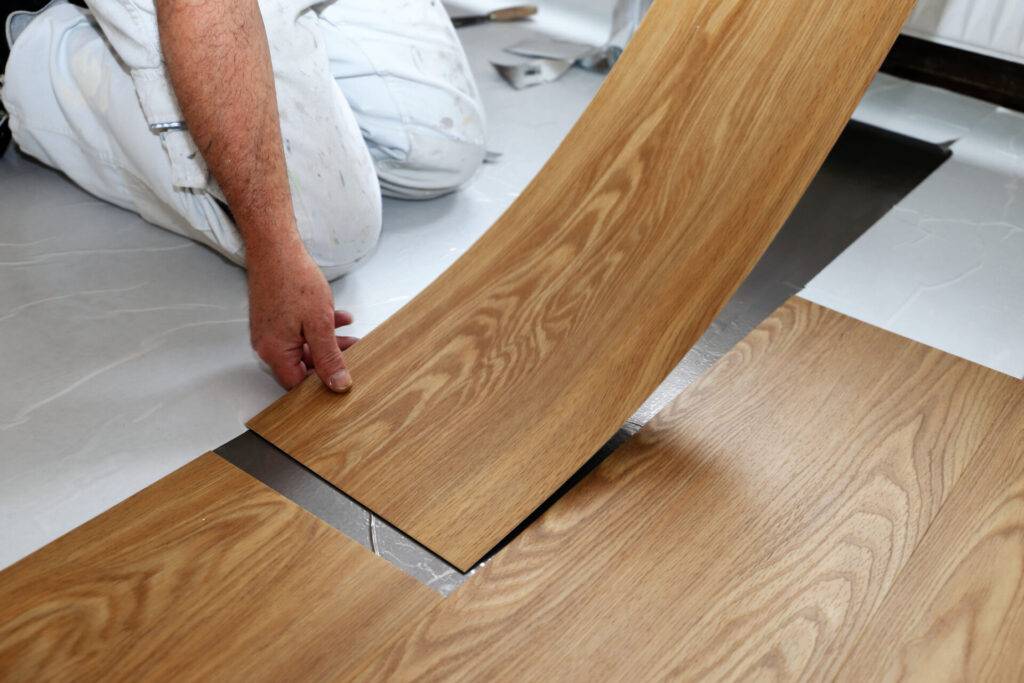
An under deck roof system is increasingly used in homes across the UK and USA to transform unused space beneath elevated decks into functional, weather-protected areas. Traditionally, the area below a deck is exposed to rain, debris, and moisture runoff from the deck boards above. With the addition of under deck waterproofing, this space can become a dry zone suitable for storage, seating, or sheltered walkways.
Table of Contents
ToggleRather than changing the appearance of the deck itself, a roof under deck solution works below the deck surface, managing water before it reaches the ground. This approach supports long-term deck durability while expanding usable outdoor space.
Understanding Under Deck Roofing Concepts
Under deck roofing refers to systems designed to capture and redirect water that passes through deck boards. These systems are installed between the deck joists or beneath them, depending on design. Their primary purpose is to protect the area below the deck from rainfall.
Unlike surface-level deck membranes, under-deck solutions allow the deck surface to remain unchanged. This is particularly beneficial for existing decks where removal of boards would be impractical.
Why Homeowners Choose an Underdeck Ceiling
An underdeck ceiling offers both functional and visual benefits. Functionally, it creates a dry environment below the deck. Visually, it provides a finished look that resembles an outdoor ceiling rather than exposed joists and fasteners.
Common reasons homeowners install under the deck ceiling systems include:
-
Creating a covered patio or seating area
-
Protecting outdoor furniture from rain
-
Improving drainage control
-
Enhancing overall deck appearance
These systems are used in both suburban and urban homes, particularly where outdoor space is limited.
How Under Deck Waterproofing Works
At its core, under deck waterproofing works by collecting water that falls through deck boards and directing it toward a gutter or drainage outlet. The method used depends on the system design.
Typical waterproofing approaches include:
-
Trough-style drainage channels
-
Panel-based water collection systems
-
Sloped membranes installed beneath joists
Each method aims to move water away efficiently without pooling or dripping into the space below.
Roof Under Deck vs Deck Roof Ideas
A roof under deck should not be confused with traditional deck roof ideas, such as pergolas or solid roofs installed above the deck surface. While overhead roofs block rain before it reaches the deck, under-deck systems manage water after it passes through the decking.
Key differences include:
-
Overhead roofs alter the deck’s appearance
-
Under-deck systems preserve open-air decks
-
Under-deck solutions often cost less than full roof structures
Both approaches serve different needs and can sometimes be combined.
Structural Considerations Before Installation
Before installing an under deck roof, it is important to assess the existing deck structure. The deck must have:
-
Adequate slope for drainage
-
Sound joists and fasteners
-
Sufficient clearance for ceiling systems
Decks with minimal slope may require adjustment to ensure water flows correctly. Structural assessment helps prevent future issues related to moisture buildup.
Under Deck Ceiling Panels Explained
Under deck ceiling panels are commonly used to create a finished look below the deck. These panels may be made from aluminium, vinyl, or composite materials.
Panel systems typically:
-
Attach to framing beneath the deck
-
Conceal drainage components
-
Allow for airflow and moisture control
The result is a clean, uniform ceiling appearance that enhances the space visually while maintaining function.
Waterproof Under Deck Ceiling Ideas


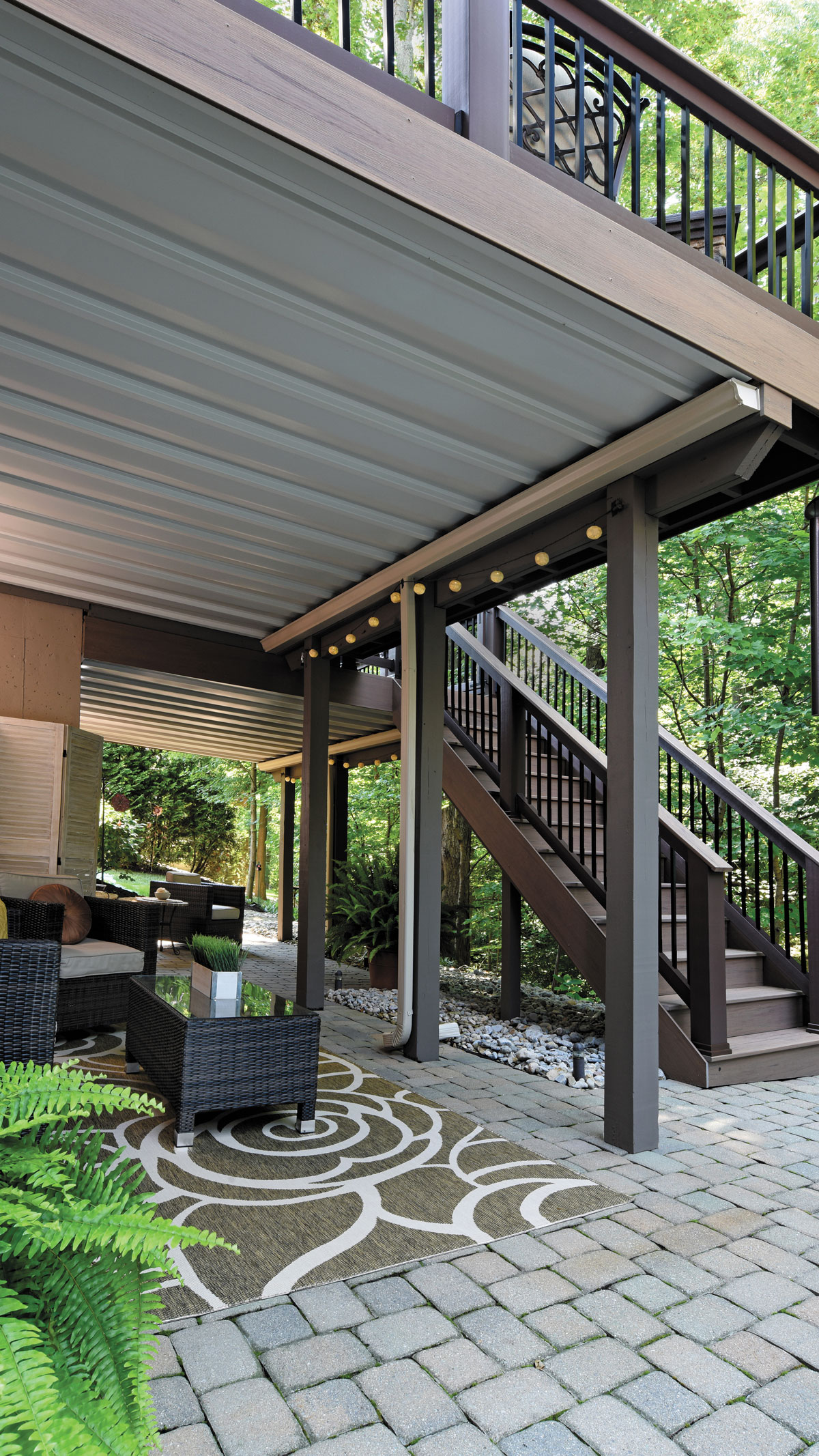
There are several waterproof under deck ceiling ideas that balance practicality and design. Some homeowners prefer simple panel installations, while others integrate lighting, fans, or decorative finishes.
Common ideas include:
-
Flat ceiling panels with integrated gutters
-
Slightly sloped ceilings to guide water
-
Panel systems combined with recessed lighting
Design choices often depend on how the space below the deck will be used.
How to Waterproof Under a Deck Effectively
When exploring how to waterproof under a deck, it is important to understand that no single solution fits all deck designs. Factors such as deck height, joist spacing, and climate influence the best approach.
General waterproofing principles include:
-
Ensuring consistent slope for drainage
-
Preventing standing water
-
Sealing joints and connections
Effective waterproofing protects both the deck structure and the area beneath it.
Climate Considerations in the UK and USA
Climate plays a major role in under deck waterproofing performance. In the UK, frequent rainfall makes water management a priority. In many US regions, seasonal storms and snowmelt also affect deck drainage.
In colder climates:
-
Freeze-thaw cycles must be considered
-
Materials should resist expansion and contraction
In warmer climates:
-
Ventilation helps prevent trapped moisture
-
UV resistance may be more important
Selecting appropriate materials ensures long-term durability.
Drainage and Gutter Integration
An effective under deck roof system relies on proper drainage. Collected water must be directed away from the structure using downspouts or gutters.
Drainage planning includes:
-
Positioning outlets away from foundations
-
Ensuring gutters are accessible for cleaning
-
Maintaining consistent water flow paths
Poor drainage can undermine the benefits of under-deck waterproofing.
Materials Used in Under Deck Roofing Systems
Several materials are commonly used in under deck roofing installations:
-
Aluminium: Lightweight, corrosion-resistant, and durable
-
Vinyl: Affordable and low-maintenance
-
Composite materials: Designed for strength and longevity
Material choice affects appearance, maintenance needs, and lifespan.
Underdeck Ceiling and Moisture Control
Moisture control is a critical aspect of underdeck ceiling systems. While waterproofing prevents water intrusion, ventilation prevents trapped humidity.
Good designs allow:
-
Air movement between panels
-
Access for inspection and maintenance
-
Controlled drainage without sealing moisture in
Balancing waterproofing with ventilation reduces the risk of mould or decay.
Lighting and Electrical Planning Under the Deck
Once the space is dry, homeowners often consider lighting. Installing lighting beneath an under the deck ceiling requires careful planning.
Considerations include:
-
Using moisture-rated fixtures
-
Concealing wiring safely
-
Allowing access for future maintenance
Lighting transforms the space into a usable area during evenings and low-light conditions.
Deck Roof Ideas Combined With Under-Deck Systems
Some properties benefit from combining deck roof ideas with under-deck waterproofing. For example, an overhead pergola may provide shade while the under-deck system ensures the lower area stays dry.
This layered approach:
-
Maximises outdoor usability
-
Supports year-round use
-
Adds visual depth to the structure
Such combinations are more common in larger outdoor living designs.
Under Deck Waterproofing for Storage Use
Dry under-deck spaces are often used for storage. Bicycles, garden tools, and outdoor equipment benefit from protection against rain.
When planning storage:
-
Ensure adequate airflow
-
Avoid sealing items directly against panels
-
Maintain drainage access
This approach extends the functionality of the deck footprint.
Maintenance of Under Deck Roof Systems
Maintenance requirements vary by system type, but most under deck roof solutions are designed for minimal upkeep.
Typical maintenance tasks include:
-
Clearing debris from drainage channels
-
Inspecting panels for alignment
-
Checking fasteners and seals
Regular inspection helps maintain performance and prevents blockages.
Retrofit vs New Deck Installations
Under deck waterproofing can be installed on both new and existing decks. Retrofit installations are common and allow homeowners to upgrade without rebuilding the deck.
New deck builds offer:
-
Easier integration of waterproofing
-
Optimised slope and drainage
-
Cleaner final appearance
Retrofits may require creative solutions to adapt to existing structures.
Cost Considerations Without Promotion
While costs vary, under-deck systems are generally more affordable than building a full overhead roof. Factors affecting cost include:
-
Deck size
-
Material choice
-
Installation complexity
Understanding these variables helps homeowners evaluate feasibility without focusing on specific brands.
Regulatory and Building Considerations
In both the UK and USA, building regulations may apply when altering deck structures. While under-deck systems typically do not change load-bearing elements, electrical additions or drainage modifications may require compliance with local codes.
Consultation with local authorities ensures:
-
Safe installation
-
Proper drainage management
-
Code-compliant electrical work
Environmental Impact and Sustainability
Many under deck roofing materials are designed for durability and recyclability. By extending the life of existing decks and improving space efficiency, these systems support sustainable home improvements.
Reducing water exposure also limits wood decay, decreasing the need for replacement materials.
Under Deck Ceiling Design and Aesthetics
From a design perspective, under deck ceiling panels create a clean transition between indoor and outdoor spaces. Neutral colours and simple lines are commonly used to maintain a subtle appearance.
Design choices often prioritise:
-
Visual continuity
-
Minimal maintenance
-
Long-term durability
A well-designed ceiling can make the space feel intentional rather than secondary.
Common Misunderstandings About Under Deck Roofing
A common misconception is that under-deck systems eliminate all moisture concerns. While they manage rainfall effectively, they do not replace proper ventilation or routine deck care.
Understanding the system’s role prevents unrealistic expectations and supports better results.
Long-Term Value of Under Deck Waterproofing
The long-term value of how to waterproof under a deck lies in increased usability and protection. By converting an exposed area into a dry space, homeowners gain functional square footage without expanding the building footprint.
This added functionality supports:
-
Flexible outdoor use
-
Improved deck longevity
-
Better moisture management
Conclusion
An under deck roof system offers a practical way to manage water and reclaim usable outdoor space beneath elevated decks. Through thoughtful under deck waterproofing, the area below a deck can become a dry, functional extension of the home. Options such as under deck ceiling panels and integrated drainage solutions support both performance and appearance.
For homeowners in the UK and USA, understanding how under deck roofing works, how to waterproof under a deck effectively, and how to integrate design elements ensures long-term value and reliable performance without altering the open nature of the deck above.