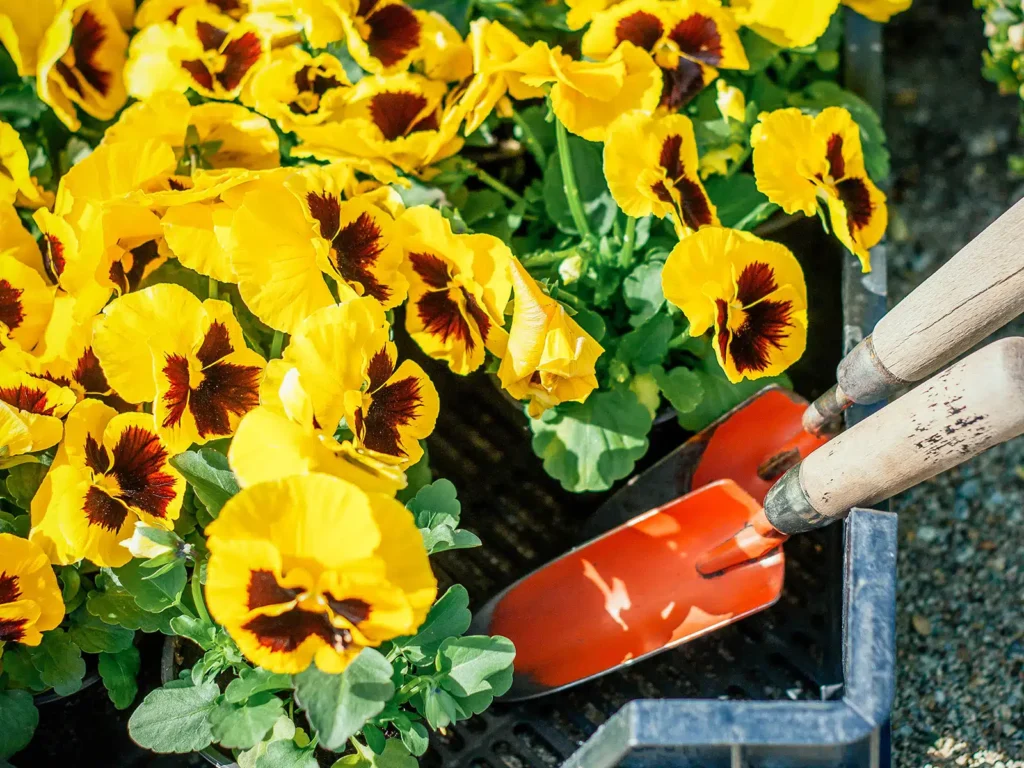
Plants are everywhere—on streets, in parks, in gardens, in kitchens, and even on office desks. We often notice them because of their colour, fragrance, fruits, or shade. At the same time, many people don’t know the correct plant name for what they’re seeing. You might recognise a leaf shape or flower colour, but still wonder: What is this plant called? Or you might be searching for a simple list of plants to understand how plants are grouped and why some are easier to grow than others.
This is where learning about the types of plants becomes helpful. When you understand the basic categories, it becomes much easier to identify different plants and organise them in your mind. You can also make smarter choices when selecting plants for an indoor space, a balcony, a backyard garden, or even a school project.
In the UK and the USA, people grow a wide mix of plants—from roses and lavender to tomatoes, basil, oak trees, and tropical-looking houseplants like monstera. Some plants live for one season, while others can live for decades. Some plants prefer shade and moist soil, while others thrive in full sun and dry conditions. This variety can feel confusing at first, but it starts to make sense once you know the main plant groups and a few common examples.
In this article, we’ll explore plant types in a clear and easy way. You’ll learn the most common groups, everyday examples, and a practical plants list with plants and names you may already know. The goal isn’t to cover “all the plants” on Earth (there are far too many), but to give you a useful, real-world overview of how plants are classified and how they fit into daily life.
Why Learning Plant Types and Plant Names Is Useful
Understanding plant types helps in many situations, such as:
-
Gardening and landscaping: You’ll know if a plant is a tree, shrub, ground cover, or climbing vine.
-
Indoor plant care: You can tell if a plant prefers bright light, low light, or high humidity.
-
School projects: A clear list of plants and names is useful for basic science learning.
-
Plant identification: You can narrow down what you’re seeing by category first.
-
Buying plants: Labels can be confusing, but plant type gives clues about size and growth.
For example, if you know a plant is a “succulent,” you’ll immediately understand it stores water and does not want overwatering. If you know a plant is a “climber,” you’ll expect it to need a support or trellis. If you know something is an “annual,” you won’t panic when it dies back at the end of the season—because that’s normal.
The Big Picture: How Plants Are Grouped
There are many scientific ways to classify plants, including botany-based systems like plant families and species. But for most people, the easiest way to understand plant types is through everyday categories, such as:
-
Trees
-
Shrubs
-
Herbs
-
Flowers
-
Grasses
-
Climbers
-
Vegetables
-
Succulents
-
Ferns
-
Aquatic plants
Plants can also be grouped by life cycle (annual, perennial), leaf behaviour (evergreen, deciduous), and location (indoor vs outdoor, tropical vs temperate).
Let’s explore the main types of plants and add clear examples you’ll see in the UK and USA.
1) Trees (Large, Long-Lived Plants)
A tree is a tall plant with a woody trunk, branches, and a strong long-term structure. Trees can live for decades or even centuries. They are essential for shade, fresh air, wildlife, and landscape beauty.
Common Trees (Plant Names You’ll Recognise)
Here’s a short list of common tree names found in the UK and USA:
-
Oak (Quercus)
-
Maple (Acer)
-
Pine (Pinus)
-
Birch (Betula)
-
Cherry tree (Prunus)
-
Apple tree (Malus domestica)
-
Willow (Salix)
-
Cedar (Cedrus / Thuja types in landscapes)
-
Magnolia (Magnolia)
Tree Types: Evergreen vs Deciduous
Trees can be:
-
Deciduous: Lose their leaves in autumn (example: oak, maple)
-
Evergreen: Keep their leaves or needles year-round (example: pine, spruce)
Trees are often planted in parks, along roads, and in large gardens. They are also used to increase privacy and reduce heat during summer.
2) Shrubs (Bushy Plants for Structure and Borders)
A shrub is a woody plant smaller than a tree, often with many stems instead of one main trunk. Shrubs are popular because they can form hedges, borders, and year-round greenery.
Common Shrubs (Plants and Names)
-
Hydrangea
-
Lavender
-
Boxwood (Buxus)
-
Holly (Ilex)
-
Rose (shrub rose varieties)
-
Azalea
-
Rhododendron
-
Photinia (Red Robin)
-
Camellia
Shrubs are often chosen because they:
-
Are easier to shape than trees
-
Give colour through flowers or foliage
-
Fit small and medium gardens
3) Herbs (Small Plants Used in Cooking and Health)
Herbs are plants known for their aromatic leaves and usefulness in cooking. Many herbs are easy to grow and can survive in containers on windowsills or patios.
Common Herbs (Plant Names List)
-
Basil
-
Mint
-
Rosemary
-
Thyme
-
Parsley
-
Coriander (cilantro in the USA)
-
Sage
-
Oregano
-
Chives
Herbs are popular across the UK and USA because they save money and taste fresher than packaged herbs. Many herbs also attract pollinators like bees when they flower.
4) Flowering Plants (Plants Grown Mainly for Blooms)
Flowering plants are grown for their blossoms, fragrance, and decorative value. Many flowering plants are used in borders, pots, hanging baskets, and garden beds.
Common Flowering Plants
-
Rose
-
Tulip
-
Daffodil
-
Sunflower
-
Petunia
-
Marigold
-
Geranium
-
Lily
-
Pansy
Flowering plants can be:
-
Annual flowers (last one season)
-
Perennial flowers (return every year)
5) Annual Plants (Grow and Finish in One Season)
Annual plants complete their entire life cycle—from seed to flower to seed—within one year. These plants are popular for seasonal colour, fast results, and summer displays.
Common Annual Plants
-
Petunia
-
Zinnia
-
Marigold
-
Cosmos
-
Sunflower (many types grown as annuals)
-
Sweet peas
-
Nasturtium
Annuals are especially popular in containers, borders, and hanging baskets. They allow gardeners to change designs every year.
6) Perennial Plants (Return Year After Year)
Perennials are plants that come back every year. Some perennials may die back in winter and regrow in spring. Others remain evergreen and keep their leaves.
Common Perennial Plants
-
Lavender
-
Daylily
-
Peony
-
Hostas
-
Coneflower (Echinacea)
-
Salvia
-
Rosemary (often perennial in mild climates)
-
Heuchera (coral bells)
Perennials are valued because they:
-
Reduce replanting every year
-
Build long-term garden structure
-
Often become bigger and stronger over time
7) Biennial Plants (Two-Year Life Cycle)
Biennials take two years to complete their life cycle. In the first year, they mainly grow leaves and roots. In the second year, they flower, set seed, and then die.
Common Biennial Plants
-
Foxglove
-
Hollyhock (often biennial or short-lived perennial)
-
Parsley (usually grown as annual but technically biennial)
Biennials are common in cottage-style gardens and traditional UK borders.
8) Indoor Plants (Houseplants for Homes and Offices)
Indoor plants are grown inside homes, flats, offices, and indoor public spaces. Many houseplants come from tropical regions and prefer stable temperatures.
Common Indoor Plant Names (Houseplant List)
-
Snake plant (Sansevieria / Dracaena trifasciata)
-
Spider plant
-
Monstera (Swiss cheese plant)
-
Peace lily
-
Pothos (Devil’s ivy)
-
ZZ plant
-
Rubber plant (Ficus elastica)
-
Aloe vera
-
Jade plant
Indoor plants are often chosen for:
-
Easy care routines
-
Air quality improvement (as a general comfort benefit)
-
Decorative style and greenery
9) Succulents (Water-Storing Plants)
Succulents are plants with thick, fleshy leaves or stems that store water. They are ideal for people who prefer low-maintenance plants.
Common Succulent Plant Names
-
Aloe vera
-
Echeveria
-
Haworthia
-
Jade plant
-
Sedum (stonecrop)
-
Agave (larger landscapes)
Succulents are popular in both the UK and USA because they:
-
Need less watering
-
Work well in pots
-
Have unique shapes and colours
10) Cacti (A Special Type of Succulent)
Cacti are a type of succulent, known for:
-
Spines instead of leaves
-
High drought tolerance
-
Slow growth in many cases
Common Cactus Names
-
Prickly pear
-
Barrel cactus
-
Christmas cactus
-
Bunny ear cactus
Cacti are popular indoor plants and are also used outdoors in dry climates, especially in parts of the USA.
11) Climbers and Vines (Plants That Grow Upwards)
Climbers and vines are plants that grow by climbing, twining, or spreading across structures. They are often used to decorate fences, walls, pergolas, and trellises.
Common Climbing Plant Names
-
Ivy
-
Clematis
-
Jasmine
-
Honeysuckle
-
Wisteria
-
Climbing rose
-
Grapevine
Climbing plants are useful for:
-
Adding height in small gardens
-
Covering unattractive walls
-
Creating privacy screens
12) Creepers and Ground Cover Plants
Ground cover plants spread along the ground, covering soil like a living carpet. They are useful for:
-
Filling gaps
-
Reducing weeds
-
Keeping soil cooler and moist
-
Preventing erosion on slopes
Common Ground Cover Plant Names
-
Creeping thyme
-
Periwinkle (Vinca)
-
Sedum
-
Ajuga (bugleweed)
-
Creeping Jenny
-
Ivy (can also climb)
Ground cover plants are common in landscaping because they create a neat and finished look with less maintenance than large lawns.
13) Grasses and Grass-Like Plants
Grasses are not just lawns. Many decorative grasses are used in modern gardens and landscaping.
Common Ornamental Grass Names
-
Fountain grass
-
Miscanthus
-
Blue fescue
-
Pampas grass (large and dramatic)
Lawn Grass (Common Types)
In the UK and USA, lawns often include grass mixes such as:
-
Fescue
-
Ryegrass
-
Bluegrass (especially in the USA)
Ornamental grasses add movement and texture, especially when planted alongside flowering shrubs and perennials.
14) Ferns (Leafy, Non-Flowering Plants)
Ferns are plants that reproduce through spores instead of flowers and seeds. They are known for their feathery fronds and love of shade.
Common Fern Plant Names
-
Boston fern
-
Maidenhair fern
-
Sword fern
-
Staghorn fern (often grown indoors)
Ferns are ideal for:
-
Shady garden areas
-
Damp corners
-
Bathrooms and indoor humidity-friendly spaces
15) Aquatic Plants (Plants That Grow in Water)
Aquatic plants grow in ponds, water gardens, lakes, and wetland areas. Some float, some root underwater, and others grow at the edge.
Common Aquatic Plant Names
-
Water lily
-
Lotus
-
Duckweed
-
Water hyacinth (in some climates)
-
Cattails
Aquatic plants support pond ecosystems by:
-
Providing shade for fish
-
Offering oxygen balance
-
Reducing algae growth when managed properly
16) Vegetable Plants (Edible Garden Plants)
Vegetable plants are grown for food, and many are easy to grow in backyard gardens, raised beds, or containers.
Common Vegetable Plant Names
-
Tomato
-
Potato
-
Carrot
-
Lettuce
-
Spinach
-
Cucumber
-
Courgette (zucchini in the USA)
-
Bell pepper
-
Onion
Vegetables are a major part of home gardening in both the UK and the USA because they can be:
-
Fresh
-
Cost-effective
-
Satisfying to grow
17) Fruit Plants (Trees, Shrubs, and Vines)
Fruits can grow on trees, bushes, or climbing vines.
Common Fruit Plant Names
-
Apple tree
-
Pear tree
-
Strawberry plant
-
Blueberry bush
-
Raspberry plant
-
Grapevine
-
Lemon tree (in suitable climates or indoors)
Fruit plants often need:
-
Sunlight
-
Regular watering
-
Pruning (especially for trees and vines)
18) Evergreen Plants (Green All Year)
Evergreen plants keep their leaves year-round. These plants are valued for structure and winter colour.
Common Evergreen Plant Names
-
Holly
-
Boxwood
-
Pine
-
Spruce
-
Yew
-
Laurel
Evergreen shrubs are often used for:
-
Hedges
-
Privacy screens
-
Formal garden designs
19) Deciduous Plants (Lose Leaves in Autumn)
Deciduous plants drop their leaves during autumn or dry seasons. They often provide seasonal beauty through:
-
Spring blossoms
-
Summer shade
-
Autumn colours
Common Deciduous Plant Names
-
Maple
-
Oak
-
Birch
-
Cherry
-
Hydrangea (many types)
Deciduous plants are excellent for gardens where you want visible seasonal change.
List of Plants and Names (Easy Reference)
Below is a simple plants list that combines many of the most common plants in the UK and USA. This section is helpful for anyone searching “names of plants” or “plant name list.”
Common Plants (General List)
-
Rose
-
Lavender
-
Sunflower
-
Tulip
-
Daffodil
-
Petunia
-
Marigold
-
Hydrangea
-
Basil
-
Mint
-
Aloe vera
-
Snake plant
-
Spider plant
-
Monstera
-
Ivy
-
Jasmine
-
Oak tree
-
Maple tree
-
Pine tree
-
Fern
This is not “all the plants,” but it covers many everyday examples that people see regularly.
Plant Types by Growing Location (Indoor vs Outdoor)
Indoor Plant Types
Indoor plants usually prefer:
-
Warm stable temperatures
-
Bright indirect light (for many tropical plants)
-
Controlled watering
Examples:
-
Pothos
-
ZZ plant
-
Peace lily
Outdoor Plant Types
Outdoor plants handle:
-
Seasonal temperature change
-
Wind and rain
-
Wider light variation
Examples:
-
Roses
-
Lavender
-
Trees and shrubs
Some plants can be both indoor and outdoor depending on climate, such as herbs or citrus plants.
Plant Types by Care Level (Low-Maintenance to High-Maintenance)
Many people choose plants based on how much time they have. Here’s a simple way to think about it:
Low-Maintenance Plants
-
Snake plant
-
ZZ plant
-
Aloe vera
-
Lavender (once established)
-
Sedum
Medium-Care Plants
-
Roses
-
Tomatoes
-
Hydrangea
-
Ferns (need humidity/shade)
Higher-Maintenance Plants
-
Orchids (indoor)
-
Some fruit trees (pruning + pest control)
-
Certain flowering plants that require frequent deadheading
Care depends on your local climate and where the plant is grown.
How to Remember Plant Names More Easily
If you want to learn plants and names without feeling overwhelmed, try these simple habits:
-
Start with 10 common plants you see often
-
Learn one plant type each week (tree, shrub, herb, etc.)
-
Use label tags on your own plants
-
Notice leaf shape, flower type, and growth habit
-
Keep a short plant journal or notes on your phone
In many cases, identifying a plant starts with noticing if it is woody (tree/shrub) or soft-stemmed (herb/flower). From there, you can narrow down the name.
“All the Plants” Is a Huge World—But You Can Learn It Step by Step
It’s natural to search for “all the plants” online when you want a complete answer, but plant diversity is enormous. There are thousands of garden plants and millions of plant varieties worldwide. Even professional horticulturists don’t know every plant name by memory.
The good news is that you don’t need to know every plant to become confident. Most gardens and homes use a repeating set of popular plants. Once you know the main groups—trees, shrubs, herbs, flowers, succulents, ferns, climbers—you will recognise patterns much faster.
Conclusion: Understanding Types of Plants Makes Everything Easier
Learning about the types of plants is one of the simplest ways to understand nature and gardening without getting lost in complicated details. Plant types help you predict how a plant grows, what it needs, and where it fits in a garden or home setting. Whether you’re curious about different plants, searching for common plants, or building a useful list of plants and names, the categories in this article make plant knowledge easier to organise.
In the UK and the USA, people grow a mix of trees, shrubs, flowering plants, herbs, vegetables, and indoor houseplants. Each group has its own purpose—some provide beauty, some provide food, and others provide structure and shade. Once you become familiar with these groups, choosing and caring for plants becomes more enjoyable and far less confusing.
If you’d like, I can also create a separate A–Z names of plants list (UK/USA friendly) or a plant types chart that is easy to copy into your website page.