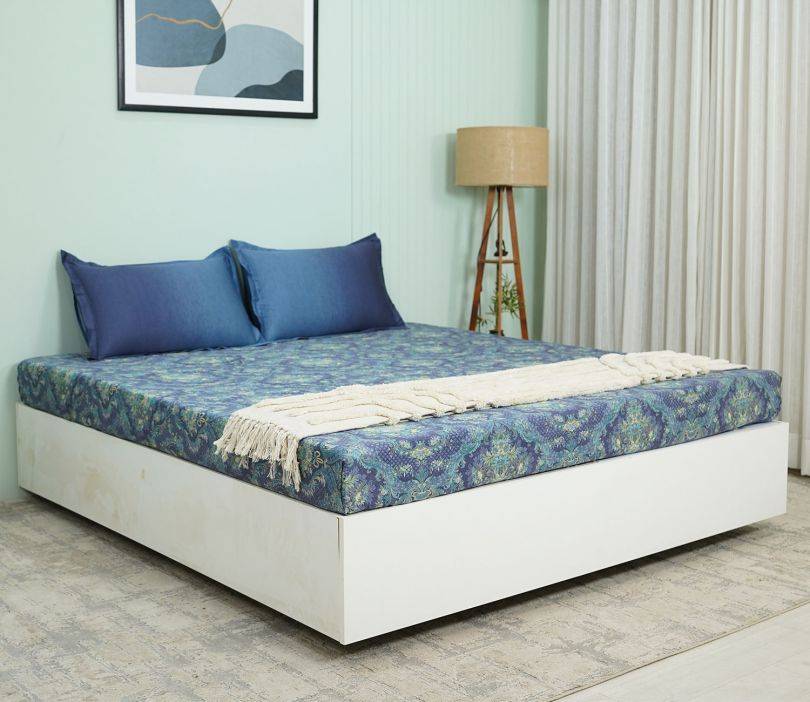
A restful night’s sleep is one of life’s simplest yet most essential luxuries. Quality bedding plays a crucial role in ensuring comfort, relaxation, and health. From soft sheets to warm blankets, the right combination of fabrics and textures can transform your sleeping experience.
Bedding is more than just functional — it’s an integral part of home design, reflecting personal style, climate, and lifestyle. Blankets, in particular, have evolved from basic coverings to stylish, multi-purpose accessories that offer warmth and aesthetic appeal.
This comprehensive guide explores everything about bedding and blankets — from their types and materials to design tips, maintenance, and how they contribute to well-being and home décor.
1. Understanding Bedding: The Foundation of Good Sleep
1.1 What Is Bedding?
Bedding refers to the materials used to cover and dress a bed, providing both comfort and decoration. It includes sheets, pillowcases, blankets, quilts, duvets, and mattress covers. Each layer plays a unique role in temperature control, hygiene, and sleep quality.
A well-curated bedding set not only enhances sleep but also improves the visual appeal of a bedroom — creating a cozy and inviting environment.
1.2 Importance of Quality Bedding
-
Comfort and Support: High-quality fabrics regulate body temperature and reduce irritation.
-
Hygiene: Bedding protects mattresses and pillows from dirt, sweat, and bacteria.
-
Aesthetic Appeal: Coordinated bedding enhances interior design.
-
Sleep Quality: Soft textures and breathable fabrics promote restful sleep and relaxation.
The right bedding acts as both a design element and a functional comfort layer, contributing to better health and overall well-being.
2. The Essential Elements of Bedding
Each component of bedding has a specific function, working together to create a balanced and comfortable sleep environment.
2.1 Bed Sheets
Bed sheets form the first layer of bedding and come in two types — fitted sheets, which cover the mattress, and flat sheets, which go on top for an extra layer of comfort.
Common Materials:
-
Cotton (breathable, durable)
-
Linen (cooling and moisture-wicking)
-
Microfiber (soft and wrinkle-resistant)
-
Silk (luxurious and gentle on skin)
2.2 Pillowcases and Shams
Pillowcases protect pillows and add decorative appeal. Materials like cotton and satin are popular for their comfort and breathability.
2.3 Comforters and Duvets
These top layers provide warmth and insulation. A comforter is filled and stitched, while a duvet is a removable insert used with a duvet cover. Both can be filled with down, feathers, wool, or synthetic fibers.
2.4 Blankets
Blankets are versatile coverings placed over sheets or under comforters for added warmth. Their texture, weight, and material vary based on season and preference.
We’ll explore blankets in detail later in this guide.
2.5 Mattress Protectors and Toppers
These accessories prolong mattress life by shielding against moisture, dust, and allergens. Toppers add an extra layer of cushioning for enhanced comfort.
3. The Role of Blankets in Bedding
Blankets are among the oldest and most versatile forms of bedding. Traditionally made of wool or cotton, they now come in various materials and designs to suit modern preferences.
3.1 The Purpose of Blankets
Blankets provide warmth, comfort, and a sense of security. They act as a thermal barrier, trapping body heat and regulating temperature throughout the night. Additionally, blankets add texture and depth to a bed’s visual composition.
3.2 The Emotional and Physical Comfort of Blankets
Beyond function, blankets evoke psychological comfort — often associated with safety and coziness. The concept of a “weighted blanket,” for instance, stems from this principle, using gentle pressure to reduce stress and improve sleep.
3.3 Seasonal Use
Different blankets cater to various weather conditions:
-
Light cotton blankets for summer.
-
Fleece or wool blankets for winter.
-
Layered bedding for transitional seasons like spring and autumn.
4. Types of Blankets and Their Characteristics
There are numerous types of blankets, each suited for specific needs and aesthetics.
4.1 Cotton Blankets
Soft, breathable, and easy to clean, cotton blankets are perfect for all seasons. They allow air circulation and help wick away moisture, making them ideal for warm climates.
4.2 Wool Blankets
Wool offers exceptional insulation and durability. It keeps users warm even in damp conditions and is naturally resistant to dust mites and bacteria. Merino and cashmere wool are premium options known for softness and luxury.
4.3 Fleece Blankets
Made from synthetic fibers, fleece blankets are lightweight, warm, and affordable. They dry quickly and are great for everyday use, travel, or outdoor activities.
4.4 Weighted Blankets
Designed for therapeutic purposes, weighted blankets apply gentle pressure that mimics the feeling of being hugged, which can help reduce anxiety and improve sleep quality.
4.5 Electric Blankets
These contain integrated heating elements that allow temperature control through adjustable settings. Ideal for cold climates, they should always be used with care and turned off when not in use.
4.6 Throw Blankets
Smaller in size, throw blankets serve both decorative and functional roles. They’re often draped over sofas, chairs, or beds to add warmth and style.
5. Choosing the Right Blanket for Your Bedding Setup
Selecting the right blanket involves considering material, weight, size, and climate. Here’s how to make the best choice:
5.1 Material Preference
-
For warm climates, opt for breathable cotton or bamboo.
-
For cold regions, wool, fleece, or microfiber provide insulation.
-
For sensitive skin, hypoallergenic fabrics like silk or organic cotton are best.
5.2 Size and Fit
Blankets should cover the mattress completely with enough overhang to tuck in neatly. Common sizes include:
-
Twin
-
Full/Double
-
Queen
-
King
5.3 Layering Strategy
Layering blankets adds versatility. A light cotton base with a heavier throw on top allows flexibility throughout changing temperatures.
5.4 Design and Texture
Blankets contribute to a room’s aesthetic. Textured weaves, fringes, or patterns can enhance bedroom décor while maintaining comfort.
6. The Science of Bedding Comfort
6.1 Temperature Regulation
The body’s temperature naturally fluctuates during sleep. Proper bedding helps maintain optimal warmth — preventing discomfort from overheating or cold drafts. Breathable fibers like cotton and linen allow moisture evaporation, while insulating materials like wool trap heat efficiently.
6.2 Moisture Management
Sweating during sleep is common, especially in warmer climates. Bedding made of moisture-wicking fabrics promotes dryness, reducing the risk of skin irritation and allergies.
6.3 Texture and Sensory Experience
Softness and tactile comfort are vital for relaxation. Rough or synthetic textures can cause discomfort, while smooth, natural fibers enhance sensory pleasure and help induce deeper sleep.
7. Bedding Materials and Their Impact on Health
7.1 Hypoallergenic Materials
Allergy-friendly bedding is essential for sensitive individuals. Materials like bamboo, silk, and tightly woven cotton resist dust mites, mold, and allergens.
7.2 Breathability and Skin Health
Natural fabrics allow the skin to breathe, preventing rashes and promoting comfort. Synthetic materials, though durable, may trap heat and moisture if not designed with proper ventilation.
7.3 Eco-Friendly Options
Sustainability has become a growing focus in the bedding industry. Organic cotton, bamboo, and recycled polyester offer environmentally responsible alternatives that maintain quality and comfort.
8. The Role of Design in Bedding and Blankets
Beyond function, bedding contributes significantly to interior aesthetics. It ties together color schemes, patterns, and textures that define the overall look of a bedroom.
8.1 Color Psychology
-
Soft neutrals promote calm and relaxation.
-
Blues and greens evoke serenity.
-
Warm tones like rust and beige create coziness.
Blankets and bedding can be used to layer colors and create balance within a space.
8.2 Patterns and Textures
Geometric designs suit modern spaces, while floral or embroidered patterns enhance traditional décor. Textured blankets — such as knitted or quilted varieties — add depth and warmth to minimalist interiors.
8.3 Coordinating Bedding Sets
Harmonizing blankets with sheets, pillowcases, and duvets creates a cohesive visual experience. Mixing solid colors with subtle prints achieves elegance without overwhelming the design.
9. Caring for Bedding and Blankets
Proper maintenance extends the life and hygiene of bedding materials.
9.1 Washing and Cleaning
-
Wash bedding regularly (every 1–2 weeks for sheets).
-
Use mild detergent to preserve fabric integrity.
-
Wash blankets seasonally or as needed, depending on use.
-
Follow manufacturer care labels for washing temperature and drying methods.
9.2 Storage
-
Store clean, dry blankets in breathable fabric bags or bins.
-
Avoid plastic containers to prevent moisture buildup.
-
Use lavender sachets or cedar blocks to deter insects and maintain freshness.
9.3 Rotation
Rotate bedding items seasonally to maintain comfort — lightweight sets in summer and heavier ones in winter.
10. Innovations in Bedding and Blanket Design
Technology continues to influence how we design and use bedding.
10.1 Smart Bedding
Smart mattresses and temperature-regulating blankets use sensors to track sleep patterns and adjust warmth automatically.
10.2 Sustainable Production
Eco-conscious manufacturing uses renewable materials, natural dyes, and minimal waste processes to produce sustainable bedding.
10.3 Anti-Microbial Fabrics
Advanced textiles now feature anti-microbial treatments that prevent bacterial growth, ensuring long-lasting freshness and hygiene.
11. The Psychological Comfort of Bedding
Comfort isn’t just physical — it’s emotional. Cozy bedding can improve mood, reduce anxiety, and promote a sense of security. Weighted blankets, soft textures, and soothing colors all contribute to psychological well-being.
The familiarity of one’s bedding can even enhance sleep quality, helping individuals feel more at home and relaxed.
12. Trends in Modern Bedding and Blankets
12.1 Layered Textures
Combining materials like cotton, linen, and faux fur creates dimension and warmth — a popular trend in both minimalistic and luxury bedding designs.
12.2 Sustainable and Organic Materials
Consumers increasingly prefer organic cotton, bamboo, and hemp bedding due to their eco-friendliness and natural softness.
12.3 Minimalist Aesthetics
Neutral color palettes and clean, uncluttered designs dominate modern bedrooms, emphasizing functionality and calm.
12.4 Multifunctional Blankets
Blankets now serve multiple purposes — as décor accents, travel essentials, or even picnic mats — making them both practical and stylish.
13. Bedding and Seasonal Adaptability
13.1 Summer Bedding
Opt for breathable, moisture-wicking fabrics like cotton and bamboo. Lightweight blankets or throws are ideal.
13.2 Winter Bedding
Layer thicker materials such as wool or fleece. Down comforters and weighted blankets provide maximum insulation.
13.3 Transitional Seasons
Mix and match layers to adapt to fluctuating temperatures. Medium-weight quilts and knit blankets work well during spring and autumn.
14. Combining Functionality and Style
An effective bedding arrangement balances comfort, durability, and design. Practicality doesn’t mean sacrificing aesthetics — instead, thoughtful layering, color harmony, and fabric choice create both beauty and function.
For example:
-
A cotton base sheet, wool blanket, and linen duvet can offer year-round comfort.
-
Throw blankets add a decorative accent when draped neatly across the bed or sofa.
Conclusion
Bedding and blankets form the foundation of a peaceful, inviting bedroom. They are not just about sleep — they represent comfort, care, and style. High-quality materials, thoughtful design, and regular maintenance ensure that your bedding enhances both health and happiness.
From the crisp coolness of cotton sheets to the soft warmth of wool blankets, every layer of bedding contributes to restful nights and refreshed mornings. Understanding the connection between materials, comfort, and aesthetics helps you create a space that feels truly personal — one that reflects who you are while supporting the restorative power of sleep.