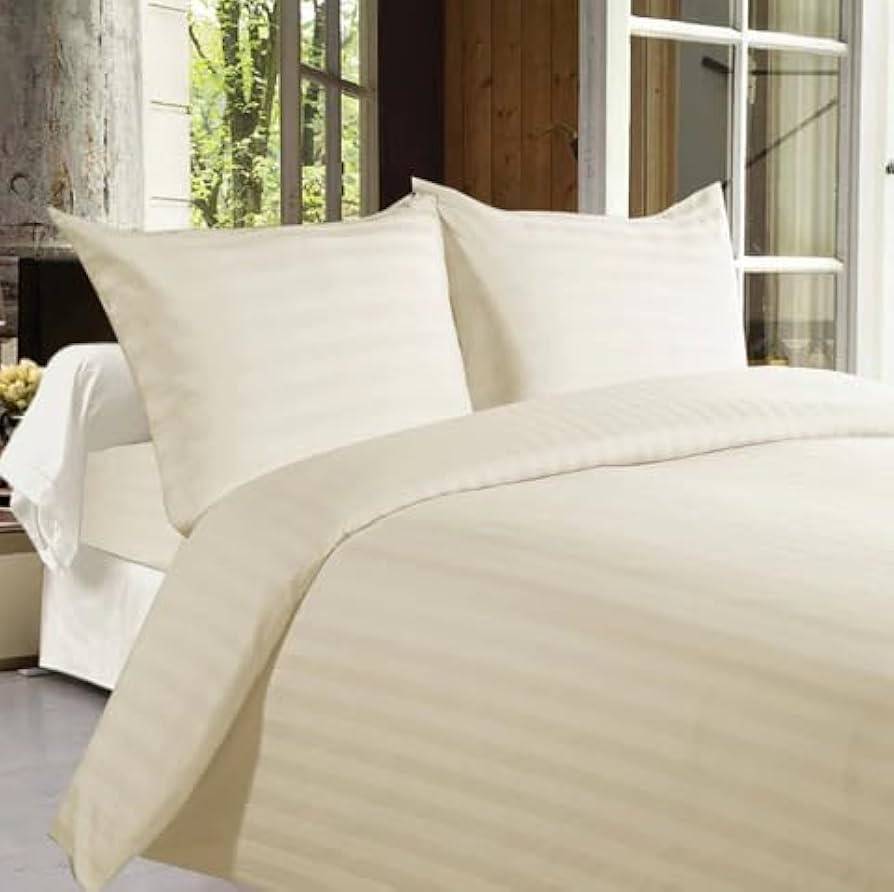
When we think of bedroom furniture, the headboard is often seen as a finishing touch — a decorative accent behind the bed. But a headboard is much more than just visual appeal. It provides structure, comfort, and design balance to a room. Interestingly, modern interior and garden-inspired styles are bringing natural materials, botanical themes, and outdoor influences into bedroom furniture, giving headboards a renewed charm and relevance.
Whether your bedroom overlooks a lush garden or you simply want to bring a hint of nature inside, the right headboard can transform your space into a calm and restorative retreat. In this guide, we explore everything about headboards — their history, materials, designs, styles, and how they tie seamlessly into garden and nature-inspired interiors.
1. What Is a Headboard and Why Does It Matter?
A headboard is a furniture piece attached to or placed behind the head of a bed. Its original purpose was practical — to protect sleepers from drafts and prevent pillows from slipping. Over time, it became an important decorative and structural element in bedroom design.
1.1. Functions of a Headboard
-
Comfort and support: Ideal for sitting up in bed to read or relax.
-
Protection: Shields walls from wear and stains.
-
Design focus: Adds depth, texture, and a focal point to the bedroom.
-
Expression of style: Defines the theme — from rustic charm to modern minimalism.
In garden-inspired settings, headboards often feature natural textures like wood, rattan, or wicker, mirroring outdoor materials to create a seamless indoor-outdoor flow.
2. Historical Roots of Headboards
The concept of the headboard dates back to ancient Egypt and Greece, where elite families used carved wooden boards to signify wealth and craftsmanship. During the Renaissance, headboards evolved into ornate masterpieces featuring detailed carvings, velvet upholstery, and intricate designs.
Today, while styles have modernized, the headboard remains a central element in bedroom furniture. The difference lies in the materials and aesthetics — nature-inspired designs now dominate modern decor, especially in homes that embrace garden themes and organic architecture.
3. Popular Types of Headboards
Choosing the right type of headboard depends on your style preferences, comfort needs, and space. Let’s explore some of the most common and trending varieties.
3.1. Upholstered Headboards
Soft and inviting, upholstered headboards are covered with fabric such as linen, cotton, velvet, or faux leather. They offer a plush backrest and introduce warmth and luxury to the bedroom.
-
Best for: Cozy, contemporary interiors.
-
LSI keywords: padded headboard, tufted bed frame, fabric-covered bed.
3.2. Wooden Headboards
A timeless favorite, wooden headboards bring warmth, durability, and natural texture. Oak, pine, walnut, or reclaimed wood are often used.
-
Best for: Rustic, cottage, or garden-themed bedrooms.
-
Entity examples: reclaimed wood headboard, oak slatted panel, handmade timber furniture.
3.3. Metal Headboards
Metal designs — from wrought iron to brushed steel — add industrial or vintage appeal. Curved frames or geometric patterns often suit minimal and eclectic rooms.
-
Best for: Classic, bohemian, or farmhouse styles.
-
LSI keywords: iron headboard, brass bed frame, steel furniture accent.
3.4. Rattan and Wicker Headboards
Perfect for garden-inspired bedrooms, these lightweight, woven materials echo the textures of outdoor furniture. They introduce an earthy, coastal, or tropical mood.
-
Best for: Nature-inspired, boho, or coastal interiors.
-
Entity examples: cane headboard, wicker furniture, sustainable bedroom decor.
3.5. Bookcase and Storage Headboards
For smaller spaces, headboards with shelves or built-in storage offer both function and style. They keep essentials like books, lamps, or decor within reach.
-
Best for: Compact apartments or multifunctional spaces.
4. Material Choices: From Natural to Sustainable
The material of a headboard defines its look, durability, and environmental impact. As sustainability becomes a global design priority, homeowners are opting for eco-friendly materials that complement both interior and garden spaces.
4.1. Solid Wood
Wood remains the most popular material for headboards. Hardwoods like oak, mahogany, and teak offer long life and timeless appeal, while reclaimed or recycled wood provides a rustic, sustainable edge.
4.2. Bamboo
Bamboo headboards are strong, lightweight, and environmentally friendly. Their light color and smooth texture make them ideal for natural or Zen-inspired bedrooms.
4.3. Wicker and Rattan
Derived from natural vines, rattan and wicker offer organic patterns and flexibility. They’re especially suited to garden cottages, summer homes, and tropical aesthetics.
4.4. Metal and Iron
Although less natural, metal headboards add contrast to softer materials. When paired with wood or greenery, they create a beautiful modern-rustic balance.
4.5. Upholstery Fabrics
Sustainable upholstery options include organic cotton, linen, hemp, and recycled polyester, offering comfort while reducing environmental footprint.
5. Integrating Garden Themes into Bedroom Headboard Design
Modern design trends are increasingly blurring the line between indoor and outdoor living. By integrating garden elements into bedroom furniture — especially headboards — you can create a calming sanctuary that reflects nature’s beauty.
5.1. Natural Textures
Use materials like unfinished wood, woven cane, or linen fabrics that mimic the feel of the outdoors. These textures resonate with the organic qualities of a garden.
5.2. Botanical Colors
Soft greens, earthy browns, and floral pastels can be used for headboard upholstery or paint finishes. These colors evoke tranquility and harmony.
5.3. Living Headboards
Some designers have introduced living headboards — structures that include planters or climbing greenery. While experimental, they’re perfect for eco-centric interiors or garden-attached bedrooms.
5.4. Reclaimed and Upcycled Pieces
Repurposing old wooden gates, shutters, or fencing panels into headboards adds rustic character while promoting sustainability. Each piece tells a story.
6. Headboards and Furniture Harmony
A well-designed headboard anchors the entire bedroom layout. To achieve harmony:
-
Match the headboard style with the bed frame, side tables, and wardrobes.
-
Complement materials — for example, a rattan headboard pairs beautifully with wooden dressers or bamboo blinds.
-
Maintain visual balance by keeping proportions aligned. Oversized headboards work best in spacious rooms, while minimalist designs suit smaller spaces.
For garden-inspired interiors, natural textures and light furniture pieces enhance the open, airy atmosphere.
7. Choosing the Right Headboard Size
Headboards come in a range of standard sizes to match bed frames, from twin to king. However, proportions can significantly influence the room’s aesthetic.
| Bed Size | Headboard Width | Ideal Room Type |
|---|---|---|
| Twin | 38–42 inches | Children’s or guest room |
| Full/Double | 54–58 inches | Compact bedroom |
| Queen | 60–64 inches | Standard master bedroom |
| King | 76–80 inches | Spacious master suite |
| California King | 72–76 inches | Large luxury bedrooms |
Tall, statement headboards can make ceilings appear higher, while shorter ones create a subtle, modern look.
8. DIY and Custom Headboard Ideas
Design enthusiasts often enjoy creating custom or DIY headboards that reflect their personality and creativity. These can be eco-friendly and budget-friendly.
8.1. Reclaimed Wood Panels
Use old planks or pallets to craft a rustic wood headboard. Apply a natural oil finish for a garden-inspired charm.
8.2. Fabric Upholstery
Stretch and staple a favorite fabric — such as linen or cotton — over foam padding and plywood. Add buttons for a tufted effect.
8.3. Painted Murals
For a minimalist approach, paint a mural or arch shape directly on the wall behind the bed to simulate a headboard.
8.4. Vintage Doors and Shutters
Old garden doors or shutters make excellent repurposed headboards. They add history and texture to a bedroom while connecting visually with outdoor spaces.
9. Maintenance and Longevity
Proper care ensures that your headboard remains beautiful and functional for years.
9.1. Wooden Headboards
Clean regularly with a soft, dry cloth and apply furniture wax occasionally to preserve the finish. Keep away from direct sunlight to prevent fading.
9.2. Upholstered Headboards
Vacuum to remove dust, and use fabric-specific cleaners for stains. If removable, wash covers periodically.
9.3. Metal Headboards
Dust regularly and check for signs of rust. Apply anti-rust coatings for outdoor or humid environments.
9.4. Rattan and Wicker
Avoid excessive moisture; use a soft brush to clean crevices. Occasionally apply a light coat of linseed oil for shine and flexibility.
10. Modern Headboard Design Trends
Today’s design trends reflect both aesthetics and functionality. Let’s look at the most prominent ones shaping modern bedrooms.
10.1. Minimalist Panels
Flat, sleek panels with hidden mounts suit modern and Scandinavian interiors. They emphasize simplicity and symmetry.
10.2. Natural and Raw Finishes
Exposed wood grains, unfinished edges, and visible textures connect interiors with nature, making them ideal for garden-themed bedrooms.
10.3. Multi-Functional Designs
Headboards that double as shelving, lighting panels, or wall art are increasingly popular in compact urban homes.
10.4. Curved and Organic Shapes
Rounded silhouettes mimic natural forms like leaves and waves, promoting softness and visual comfort.
10.5. Mixed Materials
Combining wood, fabric, and metal creates balance — a wooden headboard with a brass frame or linen paneling can modernize classic furniture pieces.
11. Sustainability and Ethical Furniture Choices
Sustainability in furniture design extends beyond materials — it involves ethical sourcing, responsible manufacturing, and long product lifecycles.
11.1. Eco-Certified Wood
Look for certifications like FSC (Forest Stewardship Council) that ensure wood is sourced responsibly.
11.2. Handmade Craftsmanship
Locally crafted headboards support artisans and reduce the carbon footprint associated with mass production.
11.3. Recyclable and Modular Furniture
Designs that allow easy repair or material replacement reduce waste and increase lifespan.
11.4. Green Finishes
Eco-friendly paints, stains, and adhesives minimize volatile organic compounds (VOCs), ensuring healthier indoor air.
12. Styling Tips for Garden-Inspired Headboards
The key to achieving a garden-themed bedroom lies in thoughtful styling.
-
Pair wood or rattan headboards with botanical prints, earthy tones, and natural fiber rugs.
-
Use plants, hanging greenery, or floral artwork to echo outdoor textures.
-
Choose soft lighting — woven lampshades or pendant lights — to enhance the organic mood.
-
Complement with linen or cotton bedding in natural hues like sage, beige, or ivory.
This approach creates a cohesive atmosphere where the headboard becomes the bridge between nature and comfort.
13. The Role of Headboards in Wellness and Sleep Quality
Although often overlooked, headboards play a subtle role in mental relaxation and spatial comfort. A supportive backrest encourages better posture when reading or meditating in bed. The choice of materials and colors can also influence mood.
-
Warm wood tones promote calmness.
-
Green and beige fabrics evoke balance and serenity.
-
Minimalist designs reduce visual clutter, improving sleep environments.
Headboards made from natural, breathable materials also contribute to better indoor air quality, especially when free from synthetic finishes.
14. Headboards in Outdoor and Garden Guest Rooms
For homes with garden extensions or outdoor guest cottages, weather-resistant headboards are essential. Materials like treated wood, wicker, or powder-coated metal perform well in humid conditions while maintaining style.
Use cushions and removable fabric covers to make outdoor sleeping spaces inviting yet practical. A simple rattan or bamboo headboard, combined with natural linens, enhances the relaxed, resort-like aesthetic of a garden room.
15. Cultural and Artistic Interpretations of Headboards
Across cultures, headboards reflect artistry and symbolism. In Asian design, they represent balance and harmony, often crafted with bamboo or carved motifs. In Mediterranean homes, wrought-iron headboards embody tradition and elegance.
African and South American artisans often integrate tribal patterns, organic textures, and bold colors — blending artistry with craftsmanship. These diverse cultural interpretations influence modern furniture design globally.
16. Headboards and Space Psychology
From an interior psychology perspective, the headboard symbolizes security and stability. Its presence defines the bed’s position — the most personal area of a home.
In garden-inspired spaces, this sense of grounding connects with natural elements, offering both emotional comfort and visual stability. A well-designed headboard can make the room feel complete, balanced, and welcoming.
Conclusion
A headboard is more than just a furniture accessory — it’s a blend of art, comfort, and function that defines bedroom character. By integrating garden influences, sustainable materials, and thoughtful design, you can turn any sleeping space into a sanctuary of calm and style.
From minimalist panels to natural rattan textures, the choices are endless. What matters most is creating a headboard that complements your lifestyle, connects you with nature, and enhances both aesthetics and well-being. In the evolving world of furniture design, the headboard remains an enduring symbol of comfort, creativity, and home harmony.