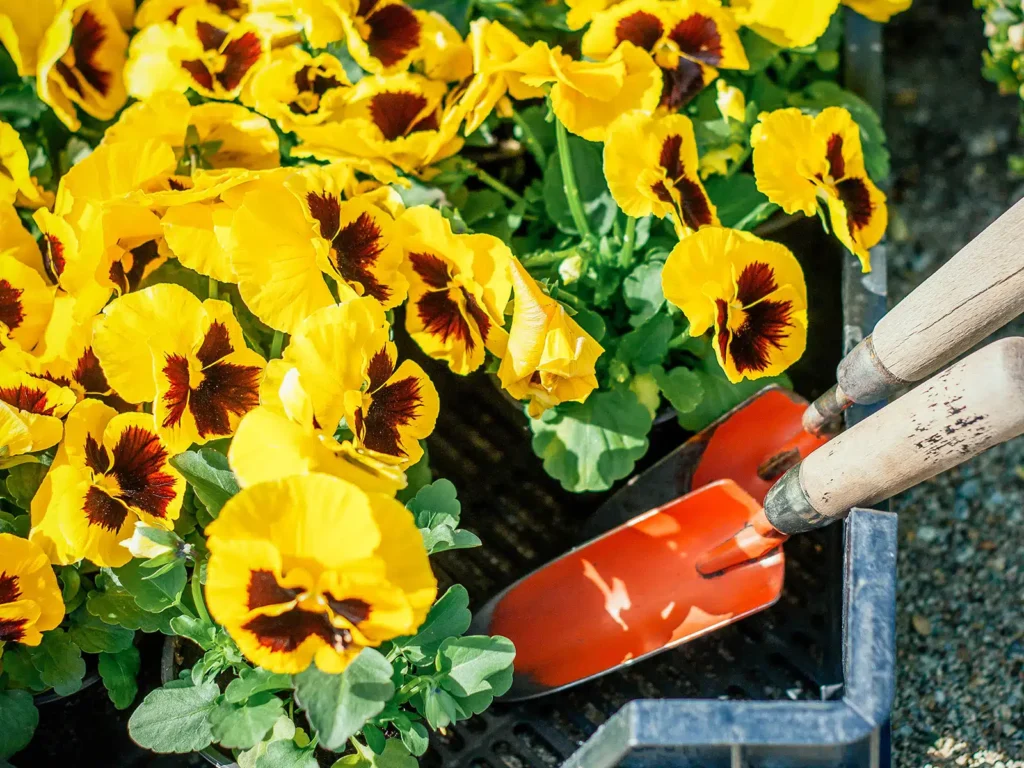
A garden is more than just an outdoor space filled with greenery — it’s a living sanctuary that connects humans with nature. Whether small balcony gardens in urban apartments or expansive landscapes surrounding country homes, gardens are expressions of creativity, care, and coexistence with the natural world.
Plants, the heart of every garden, bring color, texture, and life to our surroundings. They purify the air, support biodiversity, and provide food, shade, and tranquility. Gardening is not only an art but also a science — a balance between aesthetics, ecology, and sustainability.
This guide explores the importance of gardens and plants, their types, roles in the environment, and how thoughtful garden design enhances both outdoor beauty and human well-being.
1. Understanding Gardens: Spaces of Life and Growth
1.1 What Is a Garden?
A garden is a planned outdoor area designed for growing and displaying plants, flowers, and other natural elements. It can be purely ornamental, practical, or a blend of both. Gardens vary widely — from home gardens and community plots to botanical and rooftop gardens.
At its core, a garden represents harmony between human design and natural growth — a space where creativity meets ecology.
1.2 The Purpose of Gardens
Gardens serve multiple functions:
-
Aesthetic beauty: Enhance the visual appeal of homes and communities.
-
Ecological balance: Support wildlife such as birds, butterflies, and pollinators.
-
Food production: Provide fruits, herbs, and vegetables for self-sustenance.
-
Relaxation and wellness: Offer peace, reduce stress, and encourage mindfulness.
-
Climate regulation: Plants help cool the air, absorb carbon dioxide, and improve air quality.
A well-designed garden integrates all these roles into one harmonious ecosystem.
2. The Importance of Plants in Gardens
Plants are the foundation of every garden. They define its structure, function, and health. From tall trees to delicate flowers, every plant contributes to the ecological balance.
2.1 Oxygen and Air Purification
Through photosynthesis, plants convert carbon dioxide into oxygen — making gardens essential for cleaner air. Certain species, such as peace lilies, snake plants, and ferns, are known for their air-purifying qualities.
2.2 Biodiversity and Habitat
Gardens provide refuge for insects, birds, and small animals. Plant diversity encourages a balanced ecosystem, where pollinators like bees and butterflies thrive alongside native flora.
2.3 Temperature Regulation
Plants cool their surroundings through shade and transpiration. A well-planned garden can lower urban heat levels, providing a natural cooling effect.
2.4 Mental and Physical Health Benefits
Caring for plants reduces anxiety, promotes mindfulness, and improves overall mental well-being. Gardening also offers light physical exercise, improving flexibility and strength.
3. Types of Gardens
Gardens can be categorized based on purpose, style, or location. Each type offers unique experiences and environmental benefits.
3.1 Flower Gardens
Dedicated to ornamental flowering plants, these gardens bring vibrancy and fragrance. They’re often arranged seasonally with blooms like roses, tulips, marigolds, and lilies.
3.2 Vegetable and Herb Gardens
These practical gardens focus on growing edible plants. Homegrown vegetables such as tomatoes, peppers, and leafy greens promote sustainable living, while herbs like basil, mint, and rosemary add aroma and culinary value.
3.3 Indoor and Container Gardens
Ideal for small apartments, indoor gardens rely on pots, planters, and hydroponic systems. Indoor plants like pothos, succulents, and spider plants thrive with minimal space and light.
3.4 Rock and Desert Gardens
Designed for arid regions, these gardens use drought-resistant plants such as cacti, succulents, and ornamental grasses. They require minimal water and maintenance.
3.5 Zen and Meditation Gardens
Originating from Japanese culture, these minimalist gardens focus on tranquility and simplicity, often featuring sand, stones, and carefully pruned plants like bonsai and bamboo.
3.6 Water Gardens
Incorporating ponds, fountains, or aquatic plants like water lilies and lotus, these gardens add motion and serenity to landscapes while supporting aquatic ecosystems.
3.7 Vertical and Rooftop Gardens
Modern urban gardening solutions like vertical walls and rooftop gardens help maximize space, improve insulation, and enhance air quality in cities.
4. Types of Plants for Gardens
Each garden thrives on plant diversity. Choosing the right plants ensures aesthetic appeal and environmental balance.
4.1 Flowering Plants
Bring color and fragrance to the garden. Popular options include:
-
Roses, hibiscus, marigolds, lavender, and petunias.
They attract pollinators and create seasonal variety.
4.2 Foliage Plants
Admired for their lush leaves rather than flowers. Examples:
-
Ferns, caladiums, crotons, and hostas.
They provide texture and depth to the garden design.
4.3 Shrubs and Bushes
These medium-sized plants serve as borders or hedges.
Examples: hydrangeas, boxwood, and azaleas.
4.4 Trees
Trees provide shade, oxygen, and structure. Common garden trees include ficus, maple, neem, and fruit trees like mango or guava.
4.5 Climbers and Creepers
Vines such as ivy, jasmine, and bougainvillea can climb walls or trellises, adding vertical dimension.
4.6 Succulents and Cacti
Known for storing water in their leaves or stems, they are perfect for dry climates and low-maintenance gardens.
4.7 Edible Plants
Vegetables, herbs, and fruit-bearing plants combine functionality with beauty — supporting sustainable gardening.
5. Designing a Garden: Planning and Aesthetics
A successful garden balances beauty with practicality. Design decisions should consider sunlight, soil, space, and water availability.
5.1 Site Analysis
Evaluate the available space, soil quality, drainage, and sunlight exposure. Different plants require varying levels of light and moisture.
5.2 Layout Planning
-
Divide the area into sections — flower beds, pathways, seating areas, or water features.
-
Use symmetry for formal gardens or natural curves for informal ones.
-
Incorporate vertical layers — ground covers, shrubs, and trees — to add depth.
5.3 Color and Texture
Combine different shades and leaf textures to create visual interest. For instance, pair broad-leaf plants with delicate ferns or flowering species.
5.4 Seasonal Considerations
Choose a mix of perennials (long-lasting plants) and annuals (seasonal bloomers) to keep the garden colorful year-round.
5.5 Sustainable Design
Incorporate eco-friendly practices:
-
Use native plants that adapt easily to local climates.
-
Install rainwater harvesting systems.
-
Employ organic fertilizers and composting for soil health.
6. Soil, Water, and Sunlight: The Essentials of Plant Health
Every plant relies on these three elements for survival.
6.1 Soil Quality
Rich, well-drained soil promotes healthy root development. Adding compost or organic matter improves fertility and structure.
6.2 Watering Techniques
Overwatering is as harmful as neglect. Use drip irrigation or soaker hoses to conserve water while keeping roots hydrated.
6.3 Sunlight Requirements
-
Full-sun plants (e.g., sunflowers, roses) need 6–8 hours of sunlight daily.
-
Partial-shade plants (e.g., ferns, begonias) thrive in filtered light.
-
Shade-loving plants (e.g., snake plant, philodendron) prefer indirect light.
7. The Role of Plants in Sustainability
7.1 Carbon Absorption
Plants absorb carbon dioxide and release oxygen, reducing greenhouse gases and improving air quality.
7.2 Water Conservation
Native plants adapted to local conditions require less water, promoting sustainable landscaping.
7.3 Soil Preservation
Plant roots prevent erosion, improve soil structure, and enhance nutrient cycles through organic matter decomposition.
7.4 Urban Greening
Gardens reduce the “urban heat island” effect and improve biodiversity in cities, making them essential for environmental sustainability.
8. Indoor Gardening: Bringing Nature Inside
Not all gardens need open land. Indoor plants offer similar benefits within limited spaces.
8.1 Benefits of Indoor Plants
-
Purify indoor air by removing toxins like formaldehyde and benzene.
-
Reduce stress and improve focus.
-
Add natural décor to interiors.
8.2 Popular Indoor Plants
-
Snake Plant: Thrives in low light and needs minimal care.
-
Spider Plant: Excellent air purifier.
-
Peace Lily: Combines beauty and air-cleaning ability.
-
Pothos and Philodendron: Ideal for hanging baskets and vertical spaces.
8.3 Container Gardening Tips
Choose well-drained pots, use nutrient-rich soil, and ensure adequate light exposure. Regular pruning and fertilization maintain healthy growth.
9. Garden Maintenance: Keeping Plants Healthy
Regular care ensures longevity and vibrancy.
9.1 Watering and Feeding
Maintain consistent watering schedules and use natural fertilizers like compost or vermicompost.
9.2 Pruning and Weeding
Trim overgrown plants and remove weeds to prevent competition for nutrients and light.
9.3 Pest and Disease Control
Use organic pest management methods:
-
Neem oil sprays.
-
Companion planting (e.g., marigolds repel insects).
-
Regular inspection of leaves and stems.
9.4 Seasonal Preparation
Before winter, cover delicate plants with mulch or cloth. In spring, rejuvenate the soil with fresh compost and plant new seedlings.
10. The Aesthetic and Emotional Value of Gardens
Gardens are living art forms — blending natural beauty with human creativity.
10.1 Aesthetic Appeal
Colorful flowers, neatly arranged shrubs, and balanced layouts enhance property appearance and curb appeal.
10.2 Emotional Connection
Gardening offers a sense of accomplishment, relaxation, and connection with nature. It’s often therapeutic, helping reduce anxiety and depression.
10.3 Social and Community Value
Community gardens bring neighbors together, promote sustainability, and provide shared access to fresh produce.
11. Trends in Modern Gardening
11.1 Sustainable Gardening
Eco-friendly methods such as composting, rainwater harvesting, and organic fertilizers are gaining popularity.
11.2 Edible Landscaping
Combining edible plants with ornamental ones — for example, mixing herbs with flowers — adds functionality to beauty.
11.3 Smart Gardening Technology
Automated watering systems, soil sensors, and garden apps simplify care and monitoring.
11.4 Minimalist and Container Gardens
Small-space gardening emphasizes simplicity, clean design, and low maintenance — ideal for urban lifestyles.
12. Challenges in Gardening and Plant Care
-
Climate Change: Unpredictable weather affects plant growth cycles.
-
Pests and Diseases: Require regular monitoring and eco-safe treatments.
-
Water Shortages: Encourage drought-tolerant landscaping.
-
Urban Constraints: Space limitations inspire creative solutions like vertical gardens.
Addressing these challenges ensures sustainable and resilient gardens.
13. The Future of Gardens and Plants
Gardens are evolving from decorative spaces to sustainable ecosystems. The future emphasizes:
-
Native and pollinator-friendly plants to protect biodiversity.
-
Climate-resilient species adaptable to changing environments.
-
Integration with architecture, where gardens become part of living spaces through green roofs and walls.
As cities expand, green spaces will remain vital for mental health, climate regulation, and environmental preservation.
Conclusion
Gardens and plants remind us of our bond with nature — a relationship rooted in growth, care, and renewal. Whether it’s a small balcony filled with herbs or a sprawling landscape rich with trees, each garden contributes to the health of our planet and our minds.
Plants breathe life into these spaces, creating balance, beauty, and sustainability. They teach patience, nurture creativity, and offer daily reminders of life’s resilience. Investing time in nurturing a garden — big or small — is an investment in both the environment and one’s well-being.
In every leaf and flower, gardens tell stories of harmony, renewal, and hope — timeless symbols of our connection to the natural world.