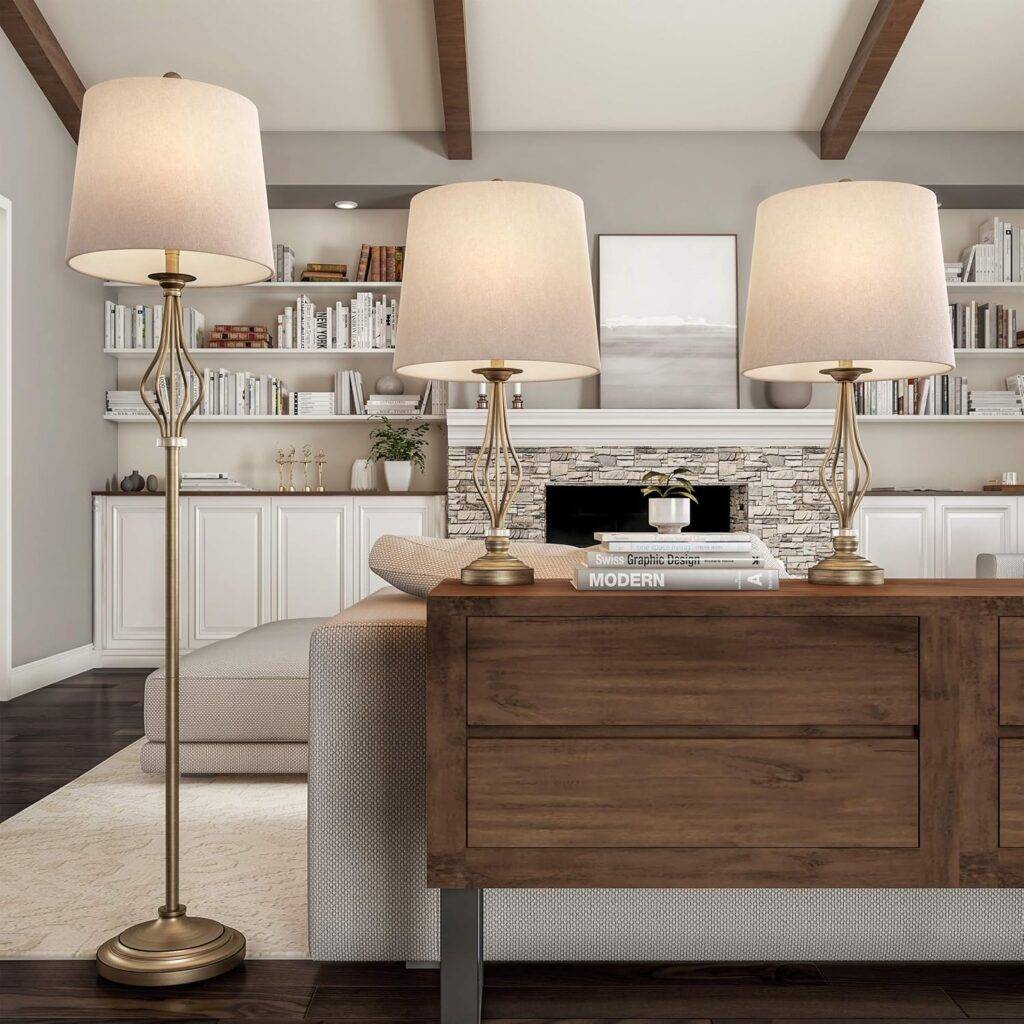
Technology has transformed how we live, work, and interact with our surroundings. Among the most significant advancements shaping modern lifestyles is the smart home — an ecosystem of interconnected devices that bring automation, convenience, and efficiency to everyday life.
From smart lighting that adjusts to your mood to smart plugs that automate appliances, home automation has moved from luxury to practicality. These devices not only enhance comfort but also save energy and promote sustainability.
In this guide, we’ll explore the world of smart homes, focusing on two key elements — smart lighting and smart plugs — to understand how they can elevate modern living in a seamless, intelligent way.
Understanding the Concept of a Smart Home
A smart home is a residence equipped with technology that allows homeowners to control appliances, lighting, temperature, security systems, and more — all through smartphones, voice commands, or automated schedules.
At its core, a smart home relies on connectivity — often using Wi-Fi, Bluetooth, or Zigbee protocols — to link various devices under one unified control system. The goal is to create an environment that adapts to users’ needs, offering comfort, safety, and efficiency.
Benefits of a Smart Home
-
Convenience: Operate appliances or lights remotely or by voice commands.
-
Energy Efficiency: Automate devices to reduce unnecessary power consumption.
-
Security: Integrated cameras and sensors improve home protection.
-
Customization: Personalize lighting, temperature, and schedules to suit your lifestyle.
-
Integration: Devices like smart lighting and smart plugs work together for synchronized control.
Smart technology makes life simpler, transforming ordinary homes into intelligent, responsive living spaces.
The Role of Smart Lighting in a Connected Home
Lighting does more than illuminate — it shapes mood, improves productivity, and influences how we experience a space. Smart lighting integrates technology into this essential household element, giving users control over brightness, color, and timing through digital or voice commands.
What Is Smart Lighting?
Smart lighting refers to a lighting system that can be managed wirelessly using an app, voice assistant, or automation system. These systems use LED bulbs with embedded chips or connect through smart hubs, allowing users to customize light intensity, color temperature, and operation schedules.
How Smart Lighting Works
Smart bulbs communicate through Wi-Fi, Bluetooth, or Zigbee to a smartphone or smart hub. Users can turn lights on or off, dim brightness, or change color using voice assistants like Alexa, Google Assistant, or Siri.
For example:
-
Set the lights to warm tones during evenings for relaxation.
-
Program automatic lighting when entering a room.
-
Sync lights with music or movie scenes for immersive entertainment.
Types of Smart Lighting Systems
1. Smart Bulbs
These replace regular light bulbs and connect to an app or hub. They can dim, change colors, and respond to schedules or voice commands.
2. Smart Light Switches
Installed in wall panels, they control regular bulbs but offer automation features such as motion activation or voice control.
3. Smart Light Strips
Flexible LED strips used for accent lighting — ideal for under cabinets, TVs, or behind furniture for modern aesthetics.
4. Motion-Sensor Lighting
Automatically turns lights on or off when movement is detected, enhancing convenience and energy efficiency.
5. Outdoor Smart Lighting
Weather-resistant smart lights used for gardens, driveways, and patios — programmable for security or ambiance.
Each type of smart lighting contributes to both aesthetic enhancement and functional efficiency within a smart home ecosystem.
Advantages of Smart Lighting
1. Energy Savings
Smart LED bulbs consume less power and can be programmed to switch off automatically when not in use, reducing energy bills.
2. Mood and Productivity Enhancement
Adjustable color temperatures help create ideal environments — bright white for focus and warm yellow for relaxation.
3. Remote Control and Automation
Lights can be operated remotely via apps, ensuring security when away from home.
4. Integration with Smart Assistants
Pairing with Amazon Alexa, Google Assistant, or Apple HomeKit allows for easy voice control and customized routines.
5. Increased Longevity
LED smart bulbs last longer than traditional bulbs, requiring less maintenance.
Smart lighting combines function, design, and sustainability — all key pillars of modern living.
Exploring Smart Plugs: The Foundation of Home Automation
If smart lighting is about ambiance, smart plugs are about control. These small yet powerful devices turn any regular appliance into a smart one by enabling remote access and automation.
What Are Smart Plugs?
A smart plug connects between a wall socket and an appliance, allowing it to be turned on or off using a smartphone app or voice assistant. They can also monitor energy usage, making them essential for efficient power management.
For example:
-
Schedule your coffee maker to start before you wake up.
-
Turn off unused appliances remotely.
-
Monitor how much electricity your TV or heater consumes.
How Smart Plugs Work
Smart plugs use Wi-Fi or Bluetooth to connect with an app. Once paired, they respond to voice commands or programmed settings. Through automation, they integrate with other smart devices — for instance, turning off lights when you leave or powering up an air purifier when humidity rises.
Types of Smart Plugs
1. Wi-Fi Smart Plugs
Connect directly to your home Wi-Fi network and can be controlled from anywhere via the internet.
2. Bluetooth Smart Plugs
Operate within a limited range but offer stable, fast connectivity for small spaces.
3. Energy-Monitoring Smart Plugs
Track real-time power consumption, helping users identify energy-hungry devices.
4. Outdoor Smart Plugs
Weather-resistant and ideal for garden lights, fountains, or patio heaters.
5. Voice-Controlled Smart Plugs
Fully integrated with smart home assistants for hands-free operation.
With their simplicity and compatibility, smart plugs are often considered the entry point to smart home automation.
Benefits of Smart Plugs
1. Energy Efficiency and Cost Savings
Smart plugs help eliminate “vampire energy” — the power devices use while on standby. Automated schedules reduce unnecessary power use, cutting electricity bills.
2. Safety and Convenience
Forgot to turn off the iron or space heater? A quick tap on your phone can power it down remotely, preventing accidents.
3. Appliance Scheduling
Set daily routines, such as turning on lamps at sunset or running humidifiers before bedtime.
4. Data and Insights
Energy-tracking models provide data on consumption, helping homeowners make smarter energy decisions.
5. Home Security
Simulate occupancy by turning lights or devices on and off when you’re away, deterring potential intruders.
Smart plugs bring intelligence to everyday appliances, enhancing both safety and sustainability.
Integrating Smart Lighting and Smart Plugs
The beauty of a smart home lies in how devices work together. Smart lighting and plugs integrate seamlessly to create customized automation scenarios.
For example:
-
Use a smart plug to control a floor lamp while syncing with smart bulbs in the ceiling for coordinated ambiance.
-
Pair both with motion sensors to create automatic “welcome home” lighting when you enter.
-
Schedule power to entertainment systems, kitchen appliances, or humidifiers based on time or occupancy.
Through central control apps like SmartThings, Alexa, or Google Home, these devices interact harmoniously, building an ecosystem of convenience and efficiency.
Smart Lighting and Smart Plugs for Energy Conservation
Energy efficiency is one of the biggest advantages of smart home technology. Both smart lighting and plugs contribute significantly to sustainable living.
1. Optimized Usage
Automating schedules prevents lights or appliances from running unnecessarily.
2. Power Monitoring
Smart plugs track real-time consumption, helping users identify wasteful patterns.
3. Adaptive Brightness
Smart lighting systems adjust based on daylight availability or occupancy, reducing electricity demand.
4. Integration with Renewable Energy
Some smart home systems connect to solar panels or renewable grids, optimizing energy distribution within the home.
As energy costs rise, smart technology helps households maintain both comfort and responsibility.
Security and Privacy Considerations
As homes become smarter, digital security becomes just as important as physical safety. Since smart devices connect to networks, users should practice safe configuration and maintenance.
Best Practices:
-
Secure Your Wi-Fi: Use strong passwords and encryption.
-
Update Regularly: Keep firmware and apps updated to patch vulnerabilities.
-
Use Trusted Brands: Choose reputable manufacturers with transparent privacy policies.
-
Limit Permissions: Avoid unnecessary data sharing within connected apps.
By ensuring cybersecurity, homeowners can enjoy automation benefits without compromising safety.
The Role of Voice Assistants and AI
Voice assistants such as Amazon Alexa, Google Assistant, and Apple Siri are integral to smart home ecosystems. They act as command centers, responding to voice instructions and connecting multiple devices for unified control.
AI (Artificial Intelligence) further enhances smart homes by learning user behavior and preferences. Over time, systems can:
-
Adjust lighting automatically based on patterns.
-
Suggest energy-saving routines.
-
Turn off idle devices without prompts.
This adaptive intelligence makes smart homes increasingly intuitive and user-friendly.
Smart Homes and Environmental Impact
Adopting smart lighting and smart plugs contributes to global sustainability goals. Reduced energy waste lowers carbon emissions, while long-lasting LED bulbs minimize landfill waste.
Smart devices also encourage conscious energy use, aligning with green living principles. As cities evolve toward smart infrastructure, individual homes play a vital role in building sustainable, energy-efficient communities.
Choosing the Right Smart Home Devices
Factors to Consider:
-
Compatibility: Ensure devices support your preferred ecosystem (Alexa, Google, or Apple).
-
Connectivity: Wi-Fi offers wider control, while Zigbee suits large, multi-device networks.
-
Ease of Setup: Opt for plug-and-play devices for simplicity.
-
Energy Ratings: Look for Energy Star-certified devices for eco-efficiency.
-
Expandability: Choose systems that allow future integration of sensors or security features.
Smart home technology should grow with your lifestyle, adapting to evolving needs without complexity.
Future of Smart Homes
The smart home industry continues to expand rapidly, blending convenience with innovation. Key future trends include:
-
AI-Powered Automation: Homes will anticipate user needs through machine learning.
-
Sustainability Focus: Devices will integrate with renewable energy grids and battery storage systems.
-
Voice and Gesture Control: Natural interaction without physical touch.
-
Improved Interoperability: Cross-brand compatibility via platforms like Matter.
-
Enhanced Security Features: Built-in encryption and anomaly detection to safeguard user data.
The future of smart living will be defined by efficiency, intelligence, and environmental harmony.
The Relationship Between Smart Homes and Well-Being
Technology is not just about convenience; it also enhances quality of life. Smart lighting and plugs contribute directly to emotional and physical well-being.
-
Smart Lighting: Mimics natural daylight cycles, supporting circadian rhythm and improving sleep quality.
-
Smart Plugs: Automate comfort appliances like air purifiers, heaters, and diffusers for consistent indoor health.
-
Reduced Stress: Automation minimizes routine chores, allowing homeowners more time to relax.
A well-designed smart home nurtures both comfort and peace of mind, aligning with holistic wellness trends.
How to Begin Building a Smart Home
Starting your smart home journey doesn’t require a complete overhaul. Begin with small, affordable devices like smart plugs or smart bulbs and expand gradually.
Step-by-Step Approach:
-
Start Small: Begin with one room or appliance.
-
Select a Platform: Choose an ecosystem (e.g., Alexa or Google Home).
-
Add Compatible Devices: Gradually include lighting, plugs, and sensors.
-
Automate Daily Tasks: Create schedules and routines for convenience.
-
Monitor and Adjust: Use data insights to refine automation and energy use.
A phased approach ensures smooth integration and better understanding of how devices interact.
Conclusion
The rise of smart homes marks a new era in residential living — one defined by automation, sustainability, and intelligent comfort. Devices like smart lighting and smart plugs are at the forefront of this evolution, transforming ordinary tasks into seamless, efficient experiences.
Smart lighting brings personalized ambiance and energy efficiency, while smart plugs introduce control and safety to everyday appliances. Together, they form the foundation of connected living, empowering users to manage homes intelligently.
As technology continues to advance, the smart home will not only make life easier but also contribute to a more sustainable and mindful way of living — where comfort, efficiency, and innovation coexist effortlessly.