In the age of digital innovation, the concept of home security has undergone a remarkable transformation. The rise of Smart Home & Security systems has made it easier than ever to protect properties, loved ones, and valuables — all while maintaining convenience and control. Among the most significant advancements in this field are smart doorbells and smart locks.
These devices go beyond traditional home protection. They combine technology, connectivity, and intelligent design to enhance both safety and daily living. In this comprehensive guide, we’ll explore how smart doorbells and smart locks function, their benefits, types, features, and how they’re redefining what home security means in the modern world.
1. Understanding Smart Home & Security Systems
Before diving into specific devices, it’s essential to understand the concept of Smart Home & Security.
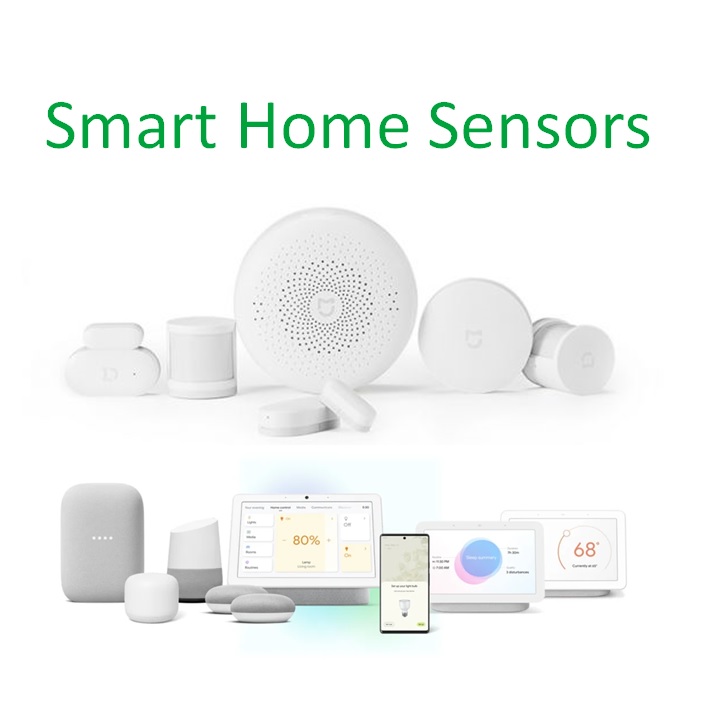
A smart home security system integrates connected devices that communicate via Wi-Fi, Bluetooth, or other wireless networks. These systems allow homeowners to monitor, control, and automate security features remotely — ensuring peace of mind whether they’re home or away.
Core components include:
-
Smart doorbells
-
Smart locks
-
Security cameras
-
Motion sensors
-
Smart alarms
-
Smoke and CO₂ detectors
2. The Role of Technology in Modern Security
Technology plays a central role in shaping how we interact with our homes. Today’s smart security devices leverage the power of the Internet of Things (IoT), artificial intelligence (AI), and machine learning (ML) to provide not just security but also personalized user experiences.
For example:
-
A smart lock can recognize authorized users through biometric data.
-
A smart doorbell can send real-time video feeds to a smartphone.
-
AI-powered systems can distinguish between a visitor, delivery person, or potential intruder.
This integration of technology ensures homes are intuitive, adaptive, and proactive — offering a level of protection that traditional systems simply cannot match.
3. Smart Doorbells: The Modern Watchdog
3.1 What Is a Smart Doorbell?
A smart doorbell is an internet-connected device that allows homeowners to see, hear, and communicate with visitors through their smartphones or tablets. It functions as both a doorbell and a security camera, offering real-time video streaming, motion detection, and cloud recording.
3.2 How Smart Doorbells Work
When someone rings the doorbell or approaches the door, the built-in camera activates. The device sends a notification to the homeowner’s phone, allowing live video viewing. Many systems also feature two-way communication, so users can speak directly with visitors — whether they’re home or away.
In essence, a smart doorbell acts as the first layer of home security, combining convenience with vigilance.
3.3 Features of Smart Doorbells
-
HD Video Streaming: High-definition video (1080p or higher) provides clear visuals.
-
Two-Way Audio: Speak and listen through an integrated microphone and speaker.
-
Motion Detection: Alerts when movement is detected near the entryway.
-
Night Vision: Ensures visibility during low-light conditions.
-
Cloud or Local Storage: Saves recordings for review and evidence.
-
Smartphone Notifications: Sends alerts through dedicated mobile apps.
-
Integration with Smart Home Hubs: Works with Alexa, Google Assistant, or Apple HomeKit.
3.4 Types of Smart Doorbells
a) Wired Smart Doorbells
Connect to existing doorbell wiring, providing constant power and reliability. Ideal for permanent installations.
b) Wireless or Battery-Powered Doorbells
Flexible and easy to install; run on rechargeable batteries. Suitable for renters or temporary setups.
c) Video Doorbells with AI Recognition
Equipped with AI for identifying people, animals, or delivery packages.
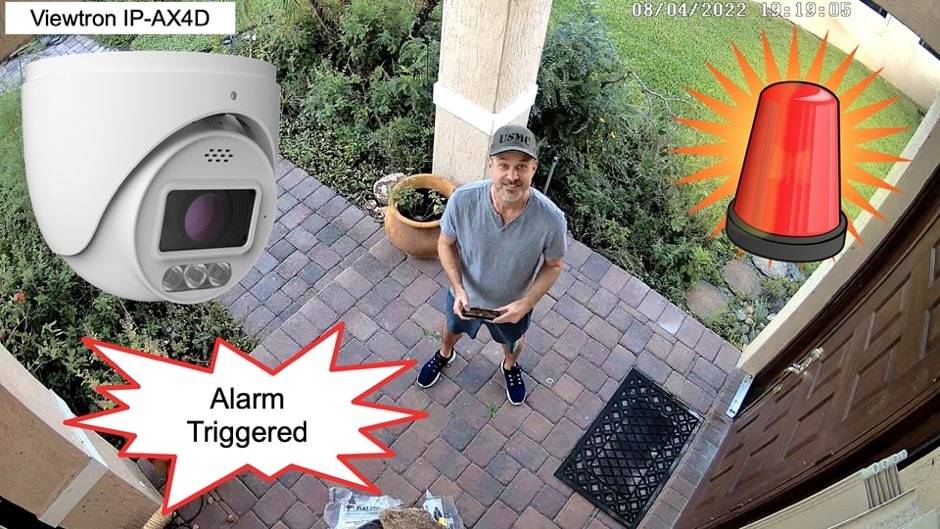
d) Doorbells with Built-in Alarms
Integrate alarm features to deter intruders.
3.5 Benefits of Smart Doorbells
-
Enhanced Security: See who’s at the door before answering.
-
Package Protection: Monitor deliveries to prevent theft.
-
Convenience: Communicate with visitors remotely.
-
Safety: Deter suspicious activity with visible cameras.
-
Peace of Mind: Always know what’s happening at your doorstep.
3.6 Where to Place Smart Doorbells
Placement is crucial for optimal performance:
-
Install at chest height (around 48 inches).
-
Ensure a wide-angle view of the entry area.
-
Avoid direct sunlight to prevent glare.
-
Connect to a stable Wi-Fi network.
4. Smart Locks: Redefining Access Control
4.1 What Is a Smart Lock?
A smart lock is an electronic locking system that can be controlled remotely using smartphones, keypads, voice assistants, or even biometrics. Unlike traditional locks, smart locks provide keyless entry, enhanced access control, and remote monitoring capabilities.
Entities: digital lock, keypad lock, biometric lock, Bluetooth lock, RFID lock, electronic deadbolt, smartphone access.
4.2 How Smart Locks Work
Smart locks connect to a home’s Wi-Fi or Bluetooth network. Through a mobile app, homeowners can lock or unlock doors, grant temporary access, and monitor entry activity. Some locks use encryption technology for secure communication between the device and user.
4.3 Features of Smart Locks
-
Keyless Entry: Unlock doors via smartphone, keypad, or fingerprint.
-
Remote Access: Control doors from anywhere through mobile apps.
-
Activity Logs: Track who entered and when.
-
Auto-Locking: Automatically locks doors after a set time.
-
Voice Assistant Integration: Works with Alexa, Siri, or Google Assistant.
-
Temporary Access Codes: Provide time-limited entry for guests or service staff.
-
Battery Alerts: Notifies users before power runs out.
4.4 Types of Smart Locks
a) Keypad Smart Locks
Use numeric codes for entry. Suitable for shared homes or offices.
b) Bluetooth Smart Locks
Operate within short distances using Bluetooth connectivity.
c) Wi-Fi Smart Locks
Enable full remote access via the internet.
d) Fingerprint or Biometric Locks
Rely on fingerprint recognition for high security.
e) Hybrid Smart Locks
Combine mechanical keys with digital access for flexibility.
4.5 Benefits of Smart Locks
-
Convenience: Eliminate the need for physical keys.
-
Improved Security: Encrypted access prevents unauthorized entry.
-
Control: Grant or revoke access instantly.
-
Monitoring: Know who enters your home and when.
-
Integration: Sync with other smart home systems.
5. The Connection Between Smart Doorbells and Smart Locks
The combination of smart doorbells and smart locks creates a seamless security ecosystem.
How they work together:
-
Doorbells provide visual confirmation of visitors.
-
Locks offer controlled entry based on identification.
-
Both connect through a central smart home hub or app, allowing simultaneous operation.
For example, you can see a delivery person on the doorbell camera and remotely unlock the door to place a package inside — all from your smartphone.
6. Security Advantages of Smart Doorbells and Locks
-
24/7 Surveillance: Constant monitoring of entry points.
-
Real-Time Notifications: Instant alerts for suspicious activity.
-
Remote Control: Manage access from anywhere.
-
Visitor Management: Identify guests before granting access.
-
Reduced Risk of Lockouts: Alternative unlocking options available.
Together, they enhance not only physical safety but also convenience and control.
7. Integration with Smart Home Ecosystems
Modern smart homes use platforms like Google Home, Amazon Alexa, or Apple HomeKit to connect various devices.
Integrations include:
-
Smart locks that respond to voice commands.
-
Doorbells that activate lights when motion is detected.
-
Systems that send alerts to multiple family members simultaneously.
8. Data Privacy and Cybersecurity
While smart devices improve safety, they also rely on data transmission — making digital security essential.
Best Practices:
-
Use strong, unique passwords.
-
Enable two-factor authentication.
-
Keep firmware and apps updated.
-
Use secure Wi-Fi networks.
-
Disable remote access when not in use.
9. Energy Efficiency and Sustainability
Smart security devices are also designed with energy conservation in mind.
-
Low-Power Components: Extend battery life.
-
Auto Sleep Mode: Saves energy when inactive.
-
Solar-Powered Doorbells: Utilize renewable energy.
-
Battery Alerts: Optimize power management.
These features make smart homes environmentally responsible and cost-effective.
10. Common Challenges and Solutions
| Challenge | Solution |
|---|---|
| Wi-Fi connectivity issues | Use a reliable router or range extender |
| Battery drainage | Choose energy-efficient models |
| Privacy concerns | Enable encryption and update firmware |
| False motion alerts | Adjust sensitivity settings |
| Compatibility issues | Verify device integration before purchase |
Addressing these challenges ensures smoother performance and long-term reliability.
11. The Role of AI and Automation
Artificial intelligence enhances the functionality of smart security devices:
-
Facial Recognition: Identifies frequent visitors.
-
Predictive Security: Learns usage patterns to detect anomalies.
-
Smart Notifications: Filters out non-threatening movements.
-
Automation: Locks doors automatically when no one is home.
AI turns reactive security into predictive and adaptive protection.
12. Future Trends in Smart Home Security
The next phase of smart security innovation is focused on interconnectivity and predictive protection.
Emerging Trends:
-
Voice-Activated Door Unlocking
-
Biometric Multi-Factor Authentication
-
Cloud-Based Access Logs
-
AI-Powered Delivery Management
-
Edge Computing for Faster Responses
These advancements will make homes not only smarter but also more autonomous.
13. Maintenance Tips
To ensure consistent performance:
For Smart Doorbells
-
Clean the lens periodically.
-
Check battery levels regularly.
-
Update firmware for enhanced security.
For Smart Locks
-
Replace batteries every 6–12 months.
-
Test the locking mechanism weekly.
-
Lubricate mechanical parts if applicable.
-
Verify Wi-Fi connectivity for remote access.
14. The Broader Impact on Lifestyle
Smart doorbells and locks aren’t just about safety — they’re about enhancing modern lifestyles.
-
No more worrying about lost keys.
-
Monitor your front door while traveling.
-
Allow service staff or guests temporary access.
-
Improve family communication through shared notifications.
These systems combine comfort, control, and confidence, redefining how people live and interact with their homes.
15. Conclusion: Intelligent Security for Modern Homes
The evolution of Smart Home & Security has transformed traditional living spaces into intelligent ecosystems. Smart doorbells and locks exemplify how technology can enhance both security and convenience.
-
Smart Doorbells provide awareness and visibility.
-
Smart Locks offer control and flexibility.
-
Together, they create a holistic security network that adapts to the needs of modern living.
As technology continues to advance, these devices will become even more intuitive — blending seamlessly into everyday life while ensuring safety, efficiency, and peace of mind.
The future of home security isn’t just about keeping threats out; it’s about building connected, responsive, and intelligent homes that protect what matters most.