In the modern world, the concept of home security has evolved far beyond locks and keys. With rapid advances in technology, smart home and security systems now integrate AI, automation, and real-time monitoring to keep properties safe and homeowners connected. Among the most essential elements of this transformation are security cameras and security alarms — two technologies that form the backbone of any modern home protection setup.
This comprehensive guide explores how these systems work, their types, benefits, and their growing importance in today’s connected homes. We’ll also discuss how smart home security enhances convenience, peace of mind, and overall safety without being overly complex or intrusive.
1. The Evolution of Home Security Systems
Home security has transitioned from basic mechanical locks to sophisticated smart surveillance ecosystems. In earlier decades, protecting a property relied heavily on physical barriers and community awareness. Today, smart security systems combine internet connectivity, motion detection, and real-time alerts to offer proactive protection.
1.1 What is Smart Home Security?
A smart home security system integrates digital sensors, cameras, and alarms that can be monitored or controlled remotely via smartphones, tablets, or voice assistants.
Core Components:
-
Security Cameras
-
Security Alarms
-
Motion Sensors
-
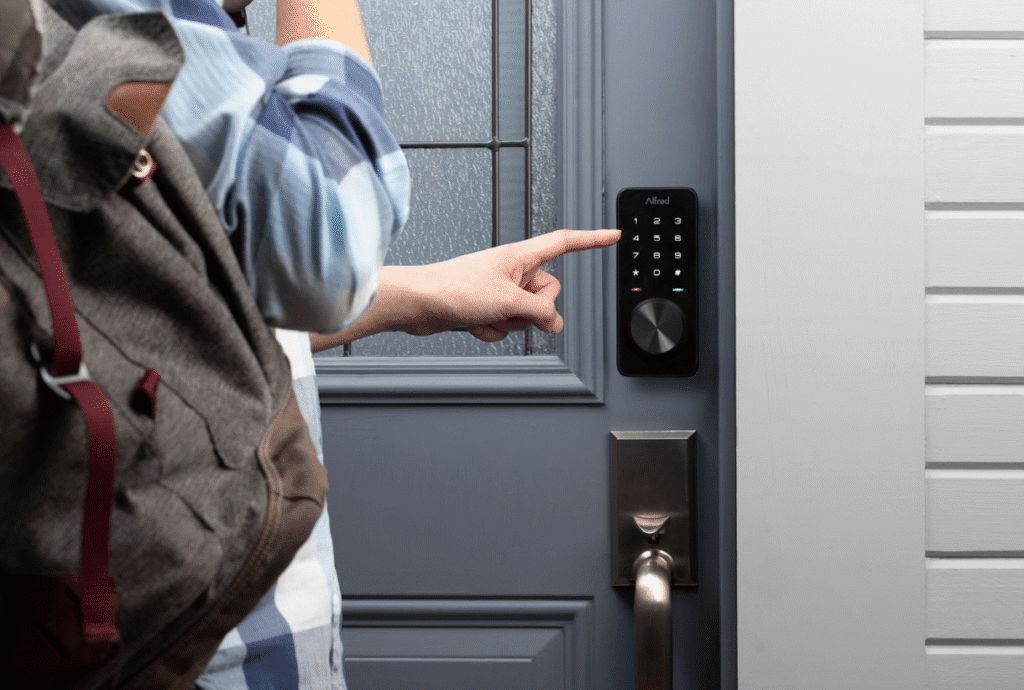
Smart Locks
-
Doorbell Cameras
-
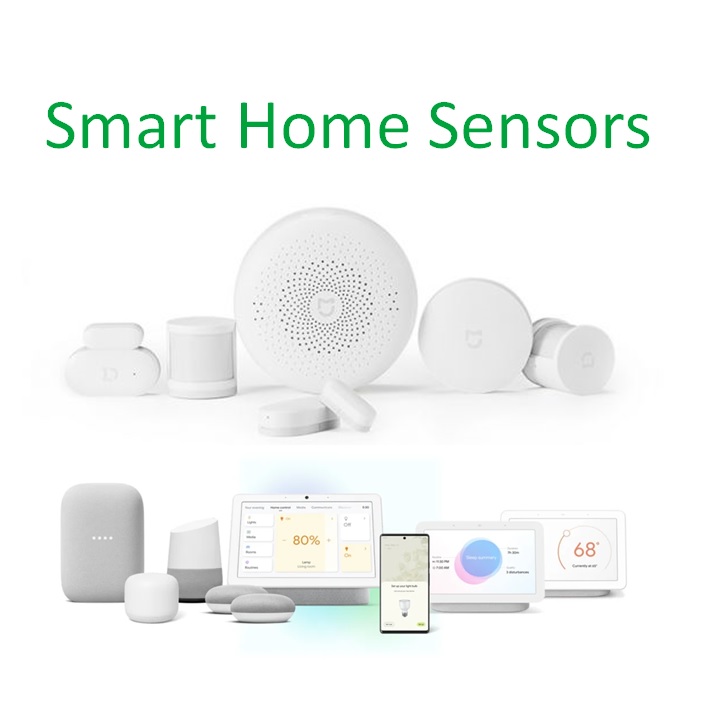
Environmental Sensors (for smoke, CO₂, or flooding)
2. The Role of Smart Technology in Security
The integration of smart technology has made security systems more intelligent, responsive, and user-friendly.
Key Features of Smart Security Systems
-
Remote Access: Control devices via mobile apps or web dashboards.
-
Real-Time Alerts: Receive notifications for motion detection or unauthorized access.
-
Cloud Storage: Store recorded footage securely without physical hard drives.
-
Integration with Smart Assistants: Works with Alexa, Google Assistant, or Apple HomeKit.
-
Energy Efficiency: Devices operate with minimal power usage and advanced sensors.
Smart technology not only enhances protection but also adds convenience and efficiency, transforming security from reactive to proactive.
3. Security Cameras: The Eyes of the Modern Home
3.1 What Are Security Cameras?
Security cameras, also known as CCTV (closed-circuit television) systems, are devices that capture and transmit video footage for surveillance and monitoring. In a smart home context, they’re connected to Wi-Fi networks, allowing live viewing, cloud storage, and remote access.
3.2 Types of Security Cameras
a) Indoor Cameras
Designed for interior spaces, these cameras monitor living areas, hallways, and entry points. They often feature two-way audio, night vision, and privacy modes.
b) Outdoor Cameras
Built with weather-resistant casings and wide viewing angles to withstand rain, dust, and sunlight.
c) Doorbell Cameras
A combination of camera, intercom, and motion sensor — allows homeowners to see and talk to visitors remotely.
d) Wireless (Wi-Fi) Cameras
Eliminate the need for cables and can be placed anywhere within Wi-Fi range.
e) Wired Cameras
Offer stable performance, ideal for large properties or professional security systems.
f) PTZ Cameras (Pan-Tilt-Zoom)
Provide dynamic coverage with adjustable viewing angles and zoom capabilities.
3.3 Features of Modern Security Cameras
-
High-Definition (HD) Recording: 1080p or 4K clarity for detailed footage.
-
Infrared Night Vision: Ensures visibility even in darkness.
-
Motion Detection: Activates recording or alerts when movement is detected.
-
Two-Way Communication: Built-in microphones and speakers for live interaction.
-
Facial Recognition: AI-powered identification of familiar or unknown faces.
-
Cloud & Local Storage: Flexible options for saving video footage.
3.4 Benefits of Security Cameras
-
Crime Deterrence: Visible cameras discourage intruders.
-
Evidence Collection: Recorded footage helps in investigations.
-
Remote Monitoring: Access live feeds from anywhere.
-
Family Safety: Monitor children, elderly family members, or pets.
-
Insurance Benefits: Reduces premiums or supports claims.
3.5 Placement and Installation Tips
Proper installation determines camera effectiveness:
-
Position at entry and exit points.
-
Mount outdoor cameras 8–10 feet high for optimal coverage.
-
Avoid direct exposure to sunlight or reflective surfaces.
-
Secure Wi-Fi connections with strong passwords and encryption.
4. Security Alarms: The Sound of Safety
While cameras provide visibility, security alarms act as the first line of defense by alerting homeowners to potential threats.
4.1 What Are Security Alarms?
Security alarms are electronic systems that detect unauthorized entry, fire, smoke, or other hazards and trigger an alert through sound, light, or digital notifications.
4.2 Types of Security Alarms
a) Intrusion Alarms
Activated by unauthorized movement or door/window opening.
b) Fire and Smoke Alarms
Detect temperature changes or smoke particles.
c) Carbon Monoxide Alarms
Monitor for toxic gas accumulation.
d) Panic Alarms
Allow manual activation during emergencies.
e) Smart Alarms
Integrated with smart home ecosystems for automated responses (e.g., locking doors, turning on lights).
4.3 How Security Alarms Work
-
Detection: Sensors recognize movement, smoke, or other triggers.
-
Signal Transmission: Sends data to the control panel or cloud.
-
Alert Activation: Audible siren or notification to the user’s smartphone.
-
Response Action: Alerts authorities or security services if connected.
4.4 Key Features of Smart Alarms
-
Real-Time Mobile Alerts
-
Integration with Security Cameras
-
Voice Control Compatibility
-
Battery Backup
-
Silent Alarms for Discreet Monitoring
These features ensure timely responses, even during power outages or internet interruptions.
5. The Synergy Between Cameras and Alarms
The most effective security systems integrate both cameras and alarms for comprehensive protection.
How They Work Together:
-
Cameras detect and record activity.
-
Alarms trigger based on sensor input.
-
The system sends synchronized alerts with video clips or live feeds.
This integration creates a layered defense system, ensuring no threat goes undetected.
6. Advantages of Smart Security Systems
-
24/7 Monitoring: Constant surveillance with automated alerts.
-
Remote Access: Control from smartphones or computers.
-
Data Security: Encrypted storage and privacy control.
-
Smart Integration: Works with lighting, locks, and thermostats.
-
User-Friendly: Easy setup, mobile app interfaces, and intuitive operation.
These systems empower homeowners to monitor and secure properties from anywhere.
7. Connectivity and Smart Home Integration
Modern smart home ecosystems combine multiple technologies for unified control.
Example Integrations:
-
Smart Lighting: Automatically switches on lights during alerts.
-
Smart Locks: Locks doors when a threat is detected.
-
Voice Assistants: Allows voice commands for arming/disarming systems.
-
Environmental Sensors: Monitor air quality, temperature, or humidity.
8. Privacy and Data Protection
While connectivity improves convenience, it also introduces cybersecurity concerns.
Best Practices for Safe Use:
-
Change default passwords regularly.
-
Use two-factor authentication.
-
Keep firmware updated.
-
Limit sharing of access credentials.
-
Enable encryption on camera streams and alarm data.
Maintaining digital hygiene ensures smart systems remain both safe and effective.
9. Energy Efficiency and Sustainability
Smart security devices are now designed with sustainability in mind.
-
Low-Power Sensors: Extend battery life.
-
Solar-Powered Cameras: Reduce electricity dependence.
-
Automatic Sleep Modes: Conserve energy when inactive.
-
Smart Scheduling: Operates only during set hours.
These innovations combine safety with environmental responsibility.
10. The Role of AI and Machine Learning
Artificial Intelligence (AI) and machine learning (ML) have revolutionized modern home security.
Applications:
-
Facial Recognition: Identifies household members vs. strangers.
-
Behavioral Analytics: Detects unusual movement patterns.
-
Smart Alerts: Differentiates between humans, pets, and objects.
-
Predictive Security: Learns from activity to prevent false alarms.
AI-driven systems bring precision, customization, and adaptability to security monitoring.
11. Maintenance and Best Practices
Proper maintenance ensures reliability and longevity.
For Security Cameras:
-
Clean lenses regularly.
-
Test motion sensors monthly.
-
Update software periodically.
-
Check Wi-Fi signal strength.
For Security Alarms:
-
Replace batteries every 6–12 months.
-
Test sirens and sensors.
-
Calibrate motion detectors.
-
Schedule professional servicing annually.
Routine checks keep systems functioning optimally.
12. Challenges and Considerations
Despite their benefits, smart systems present challenges:
-
Cybersecurity Risks: Potential hacking if unsecured.
-
Cost of Installation: Initial setup may be expensive.
-
False Alarms: Sensitivity issues in sensors.
-
Dependence on Connectivity: Requires stable Wi-Fi or power supply.
Awareness and proper system configuration can minimize these challenges.
13. Impact on Air Quality and Environmental Comfort
Interestingly, many smart home systems now integrate air quality monitoring.
-
Detect pollutants and carbon monoxide.
-
Adjust ventilation or trigger alarms automatically.
-
Provide real-time air quality index (AQI) reports.
This expansion shows how security systems now overlap with health and environmental monitoring — enhancing not just safety, but holistic well-being.
14. Trends Shaping the Future of Smart Security
The next generation of smart home security focuses on connectivity, automation, and predictive intelligence.
Emerging Trends:
-
AI-Driven Surveillance: Automatic threat identification.
-
Voice-Activated Security Commands.
-
Cloud-Integrated Alarm Systems.
-
Drone-Based Surveillance for Large Properties.
-
Edge Computing for Real-Time Data Processing.
As technology advances, smart homes are evolving into self-regulating ecosystems that anticipate and prevent risks before they occur.
15. How Smart Security Enhances Everyday Life
Beyond protection, smart security systems simplify daily routines:
-
Automatically unlock doors when residents arrive.
-
Monitor deliveries or service personnel.
-
Keep elderly family members safe with real-time updates.
-
Reduce stress by ensuring safety even when away from home.
The integration of security with everyday life represents a shift toward intelligent living environments that prioritize both safety and convenience.
Conclusion: Building Safer, Smarter Homes
The evolution of Smart Home & Security systems marks a new era in personal and property protection. Security cameras and security alarms are no longer isolated devices — they form part of a connected ecosystem that empowers homeowners with awareness, control, and peace of mind.
-
Cameras provide visibility and accountability.
-
Alarms deliver immediate response and deterrence.
-
Smart technology unites both, creating a seamless and efficient defense network.
When combined thoughtfully, these systems ensure a secure, efficient, and comfortable living environment.
In the digital age, safety is no longer reactive; it’s intelligent, automated, and personalized — protecting not only homes but the people and values within them.