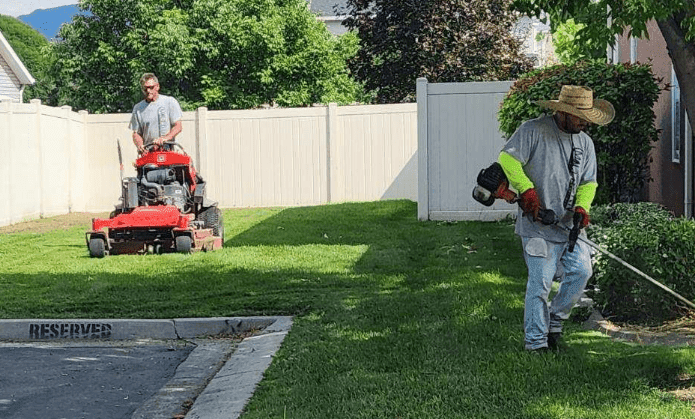
Maintaining a neat and healthy lawn is one of the key aspects of outdoor care. A well-kept yard not only enhances the beauty of your property but also creates a relaxing outdoor space for your family and guests. Among all the outdoor equipment used for lawn care, self-propelled lawn mowers have become one of the most practical and efficient tools for homeowners and landscape professionals alike.
Unlike traditional push mowers, self-propelled models use an engine or motor to drive the wheels forward, reducing the effort required by the user. Whether you’re working with an electric motor mower, a cordless battery-powered model, or a self-propelled motor mower, choosing the right type of equipment can make lawn maintenance faster, easier, and more consistent.
In this blog, we’ll explore everything you need to know about self-propelled lawn mowers, including how they work, the different types available, maintenance tips, and how to choose the best self-propelled lawn mower for your yard. We’ll also look at the top options in battery lawnmowers, cordless lawn mowers, and what makes a mower truly stand out in terms of performance and durability.
Understanding Self-Propelled Lawn Mowers
A self-propelled lawn mower is designed with a drive system that pushes the mower forward as you guide it. This makes mowing large or uneven lawns much less tiring compared to manual push models. The mower moves on its own power, so you only need to steer rather than push.
There are typically two main drive systems:
-
Front-wheel drive (FWD) – Ideal for flat lawns, easy to maneuver around obstacles.
-
Rear-wheel drive (RWD) – Offers better traction on slopes or uneven terrain.
The key advantage of a self-propelled model is convenience. Instead of using physical strength to move the mower, you simply walk behind it and guide it where you want to go. This makes mowing more efficient and consistent, resulting in a cleaner and more professional-looking finish.
Types of Self-Propelled Motor Mowers
When choosing a self-propelled mower, it’s essential to understand the main types available. Each has unique features that cater to different lawn sizes, terrains, and maintenance needs.
1. Gas-Powered Self-Propelled Motor Mowers
Gas-powered models are the traditional choice for many homeowners and professional landscapers. They’re known for their power and ability to handle thick or tall grass. These mowers are suitable for medium to large lawns where runtime and cutting capacity are top priorities. However, they require regular maintenance—such as oil changes, air filter replacements, and spark plug checks—to keep the engine running efficiently.
2. Electric Motor Mowers
Electric motor mowers have become increasingly popular due to their quiet operation, low maintenance needs, and eco-friendliness. These machines are powered by electricity rather than fuel, meaning they produce zero emissions. They’re ideal for small to medium-sized lawns and provide a consistent level of performance with minimal upkeep.
There are two main types:
-
Corded electric mowers – Powered directly by an electrical outlet. They provide unlimited runtime but are limited by the cord length.
-
Cordless battery-powered mowers – Operate on rechargeable batteries and provide greater mobility and convenience.
Advantages of Using Self-Propelled Lawn Mowers
-
Ease of Use: The self-propelling mechanism reduces physical effort, making mowing less tiring, especially on large or hilly lawns.
-
Consistency: The steady pace ensures even cutting, leading to a smoother and healthier-looking lawn.
-
Efficiency: Mowing is completed faster since you don’t have to push manually.
-
Professional Finish: Uniform cutting height and pace create a cleaner look.
-
Adaptability: Works well on various terrains—flat, sloped, or uneven.
For anyone who spends regular time maintaining their garden, investing in a self-propelled lawn mower can dramatically improve efficiency and comfort.
Cordless and Battery-Powered Options
Battery technology has advanced rapidly in recent years, leading to the rise of cordless battery lawnmowers that rival traditional gas-powered models in performance. These best cordless battery lawnmowers offer the perfect balance between power, convenience, and sustainability.
Benefits of Cordless Lawn Mowers
-
Freedom of Movement: No cords mean unrestricted mobility.
-
Quieter Operation: Battery-powered motors run more quietly than gas engines.
-
Environmentally Friendly: Produces no emissions and contributes to cleaner air.
-
Low Maintenance: Fewer mechanical parts mean less servicing.
-
Lightweight Design: Easier to maneuver for users of all ages.
Key Features to Look For
When searching for the best cordless lawn mower, pay attention to:
-
Battery capacity (Ah): Determines runtime. A higher capacity means longer mowing time.
-
Voltage (V): Affects cutting power. Models with higher voltage can handle tougher grass.
-
Cutting width: Wider decks cover more area per pass.
-
Adjustable speed control: Allows for better handling on varied terrain.
-
Fast-charging capability: Minimizes downtime between uses.
Brands continue to innovate with battery efficiency, leading to models that can mow medium to large lawns on a single charge.
Comparing Electric vs. Gas Self-Propelled Mowers
| Feature | Electric (Corded & Battery) | Gas-Powered |
|---|---|---|
| Power Source | Electricity or battery | Gasoline |
| Maintenance | Minimal | Requires regular maintenance |
| Noise Level | Low | High |
| Emissions | Zero | Produces exhaust |
| Ease of Use | Lightweight, easy start | Heavier, pull-start engine |
| Runtime | Limited by battery or cord | Unlimited with fuel |
| Cost | Generally higher initial cost | Often cheaper upfront |
| Ideal For | Small to medium lawns | Medium to large lawns |
Both types have advantages, but for many homeowners, electric motor mowers are becoming the preferred choice due to convenience and environmental benefits.
Finding the Best Self-Propelled Lawn Mower
Selecting the best self-propelled lawn mower depends on your yard’s size, terrain, and personal preferences. Here are the main factors to consider:
1. Lawn Size
-
Small lawns (under ¼ acre): Electric or cordless models work perfectly.
-
Medium lawns (¼–½ acre): Choose a higher-capacity battery mower or compact gas model.
-
Large lawns (over ½ acre): Gas-powered mowers provide extended runtime and cutting power.
2. Terrain Type
If your lawn is hilly or uneven, opt for a rear-wheel drive mower for better traction. For flat lawns, front-wheel drive models are easier to handle.
3. Battery Life and Charging
For cordless options, consider the battery runtime. A single battery should ideally last for the duration of your mowing session. Look for lithium-ion batteries for better durability and faster charging times.
4. Cutting Deck and Height Adjustment
A wider deck means you can cover more ground quickly. Adjustable cutting heights allow you to customize the grass length according to season or preference.
5. Build Quality and Materials
Choose models with durable steel or aluminum decks for longevity. Plastic decks are lighter but may wear faster under heavy use.
Top Ten Battery Lawn Mowers
The market for battery-powered lawn mowers continues to expand, offering impressive efficiency and power. Here’s a general overview of what typically appears among the top ten battery lawn mowers based on performance, battery life, and user feedback (without promoting specific brands):
-
High-capacity lithium-ion models – Offer up to 60 minutes of runtime.
-
Lightweight mowers with compact decks – Great for smaller lawns and easy storage.
-
Dual-battery systems – Extend runtime for larger lawns.
-
Self-propelled cordless versions – Combine convenience with mobility.
-
Adjustable speed controls – Enhance control and comfort.
-
Fast-charging systems – Reduce waiting time between uses.
-
Durable steel-deck designs – Provide long-lasting performance.
-
Brushless motors – Offer higher efficiency and longer lifespan.
-
Mulching and bagging options – Allow for flexible lawn maintenance.
-
Smart monitoring features – Some advanced models include digital displays or app connectivity for battery status and performance data.
These innovations make modern battery lawnmowers a viable alternative to fuel-driven ones, especially for homeowners seeking eco-friendly solutions.
Maintenance Tips for Self-Propelled Lawn Mowers
Proper maintenance ensures your mower operates efficiently and lasts for many years. Whether you own a self-propelled motor mower or a battery-powered electric mower, regular care makes a big difference.
1. Cleaning After Each Use
Remove grass clippings and debris from the deck, blades, and wheels to prevent buildup. This helps maintain consistent performance and prevents rusting.
2. Blade Sharpening
Sharp blades provide cleaner cuts and promote healthy grass growth. Blades should be sharpened at least twice per mowing season.
3. Battery Care
For cordless battery mowers, always store batteries in a cool, dry place. Avoid letting them fully discharge before recharging, as this helps extend battery life.
4. Oil and Fuel Maintenance
For gas models, change the oil regularly and use fresh fuel. Check air filters and spark plugs to ensure efficient engine operation.
5. Tire and Drive System Checks
Inspect tires and drive belts for wear. Proper traction ensures smooth operation on all terrains.
6. Storage
Before winter or long-term storage, clean the mower thoroughly and, for gas models, drain fuel or add stabilizer. Store indoors to protect against weather damage.
Safety Precautions
When operating outdoor equipment like a self-propelled mower, always follow essential safety guidelines:
-
Wear sturdy shoes and eye protection.
-
Clear the lawn of stones, sticks, and debris before mowing.
-
Keep hands and feet away from moving blades.
-
Do not mow wet grass—it can clog the deck and cause slippage.
-
Disconnect the power source (battery or spark plug) before performing maintenance.
Following these precautions keeps both the operator and equipment safe during use.
Environmental Considerations
Today’s homeowners are more aware of the environmental impact of outdoor maintenance tools. Electric and cordless self-propelled mowers have become a significant step toward sustainable lawn care. They reduce carbon emissions, operate quietly, and require fewer resources for maintenance. As battery technology continues to improve, even large lawns can be maintained efficiently without fuel.
Using battery-powered lawnmowers not only supports eco-friendly practices but also contributes to quieter neighborhoods and lower long-term operating costs.
Future Trends in Lawn Mower Technology
As technology evolves, self-propelled lawn mowers are becoming smarter and more efficient. Some emerging trends include:
-
Robotic self-propelled mowers that use sensors and GPS for automated mowing.
-
Smart connectivity features that allow users to monitor mowing progress and battery levels through mobile apps.
-
Improved battery density, providing longer run times with faster charging.
-
Noise-reduction technology for quieter operation.
-
Sustainable materials in construction to reduce environmental impact.
These innovations will continue to redefine the way we maintain lawns and outdoor spaces in the years to come.
Conclusion
Maintaining a beautiful lawn requires the right equipment, and the self-propelled lawn mower stands out as one of the most efficient tools available. Whether you prefer a gas-powered motor mower, an electric motor mower, or the best cordless battery lawnmower, choosing a reliable model tailored to your needs will make lawn care more manageable and enjoyable.
The best approach is to consider your lawn size, terrain, and maintenance preferences before making a purchase. Regular care—such as cleaning, blade sharpening, and proper storage—will ensure your mower performs at its best for many seasons.
As technology advances, battery lawnmowers are leading the future of outdoor equipment with cleaner energy, better performance, and smart features. Whichever model you choose, investing in quality and regular maintenance will guarantee a healthy, attractive lawn year-round.