Electrical wiring is one of the most important parts of any building’s infrastructure. In residential construction across the United States, one of the most commonly used wiring systems is Romex wiring. Electricians, contractors, and homeowners frequently encounter this type of cable when installing or maintaining electrical systems in houses and small buildings.
Many people ask questions such as what is Romex, what is Romex wiring, or what is Romex wire. These questions are common because the term “Romex” is widely used in residential electrical work. Romex cable is a type of non-metallic electrical wiring that carries electricity safely throughout homes.
Understanding how Romex wiring works, what it is used for, and how it fits into modern electrical systems helps explain why it has become a standard choice for residential wiring in the United States.
What Is Romex?


The term Romex refers to a type of non-metallic sheathed electrical cable used primarily in residential wiring. The name originally comes from a product line produced by Southwire Company, one of the largest manufacturers of electrical wire and cable in North America.
Although “Romex” began as a brand name, it is now commonly used as a general term for NM (non-metallic) electrical cable used in homes.
Romex cable typically contains several insulated copper wires bundled together inside a flexible plastic sheath. These internal wires usually include:
-
A hot wire that carries electrical current
-
A neutral wire that returns current to the electrical panel
-
A ground wire for safety
This configuration allows electricity to flow safely between outlets, switches, and electrical devices throughout a building.
In residential electrical systems regulated by the National Electrical Manufacturers Association and local building authorities, Romex cable is widely accepted for indoor wiring installations.
What Is Romex Wiring Used For?
Romex wiring is commonly used for interior residential electrical circuits. The cable connects the main electrical panel to outlets, lighting fixtures, appliances, and switches.
Typical applications include:
-
Wall outlets
-
Light fixtures
-
Ceiling fans
-
Switches
-
Household appliances
Electricians often prefer Romex wiring because it is flexible, lightweight, and relatively easy to install compared with armored metal cable systems.
The widespread use of Romex wiring in homes is supported by electrical standards established by organizations such as the National Fire Protection Association, which publishes the National Electrical Code (NEC). The NEC outlines safety guidelines for electrical installations throughout the United States.
Components Inside Romex Cable


To understand how Romex works, it is helpful to examine its internal structure.
Hot Wire
The hot wire carries electrical current from the circuit breaker to outlets or devices. It is usually insulated with black or red plastic.
Neutral Wire
The neutral wire returns electricity back to the electrical panel. It is typically insulated in white.
Ground Wire
The ground wire is usually bare copper or covered with green insulation. Its purpose is to provide a safe path for electricity in case of a fault.
Protective Outer Sheathing
All the wires are enclosed in a durable plastic jacket that protects the conductors from damage.
This design helps make Romex cable safe and efficient for indoor residential electrical systems.
Common Types of Romex Cable
Different types of Romex wiring are used depending on the electrical load required by a circuit.
Romex 14/2

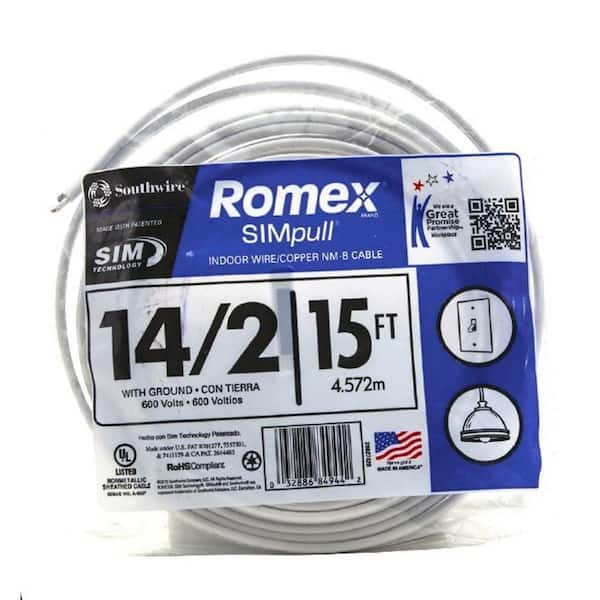
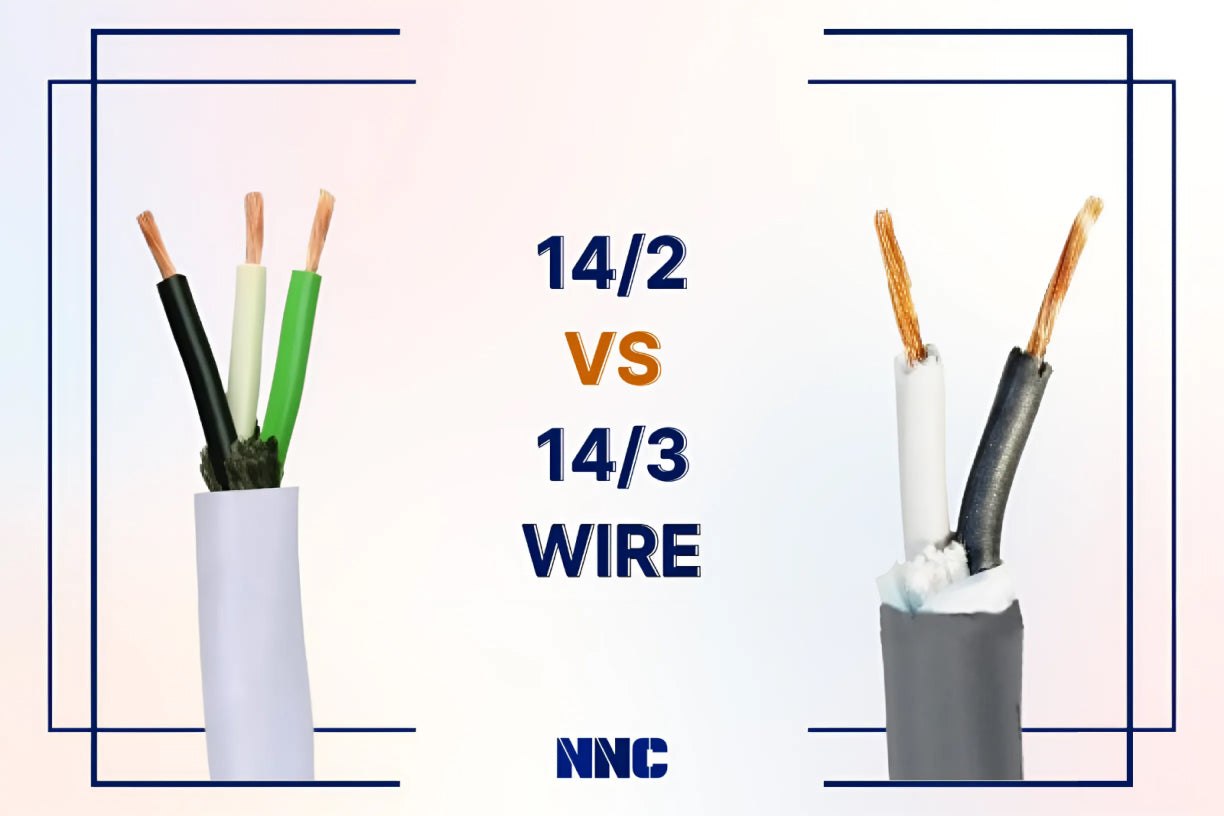
One of the most widely used residential cables is Romex 14/2.
The numbers in the cable name represent:
-
14 – the wire gauge
-
2 – the number of insulated conductors inside the cable
This cable includes:
-
One hot wire
-
One neutral wire
-
One ground wire
Romex 14/2 is commonly used for lighting circuits and standard outlets in residential homes.
Other common Romex cable types include:
-
12/2 for higher-load circuits
-
10/2 for appliances such as water heaters
-
12/3 for circuits requiring two hot wires
Selecting the correct cable depends on the circuit’s electrical load and breaker size.
Electrical Wiring With Romex
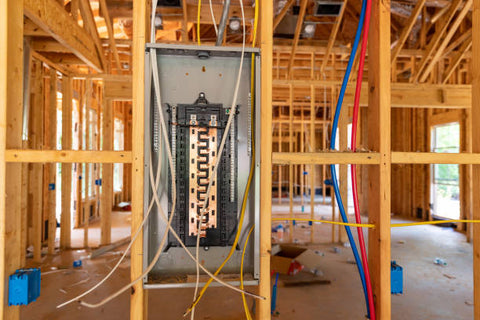
Romex cable is typically installed behind walls, ceilings, and floors during construction or renovation.
Electricians run the cable through wooden studs and secure it with staples. The cable connects to junction boxes where outlets, switches, or fixtures are installed.
Some important aspects of wiring with Romex include:
-
Protecting the cable from sharp edges
-
Securing the cable at proper intervals
-
Keeping wiring away from heat sources
-
Ensuring connections are properly grounded
These practices help maintain safety and reliability in residential electrical systems.
Why Romex Wiring Is Popular in Homes
Romex wiring has become one of the most widely used electrical cable systems in North American homes.
Several factors contribute to its popularity.
Ease of Installation
Romex cable is flexible and easy to route through walls and ceilings.
Lightweight Design
The non-metallic sheath makes the cable lighter than armored cable systems.
Cost Efficiency
Romex wiring is typically more affordable than metal-clad wiring systems.
Reliability
When installed according to electrical codes, Romex cable provides safe and dependable electrical connections.
Because of these advantages, electricians frequently choose Romex wiring for residential construction projects.
Romex Electrical Wiring and Building Codes
Electrical wiring installations must follow strict safety standards.
In the United States, most building codes are based on the National Electrical Code, which is maintained by the National Fire Protection Association.
The NEC establishes rules for:
-
Proper wire sizing
-
Grounding requirements
-
Circuit protection
-
Safe installation practices
Romex cable is approved for many residential installations under the NEC, but certain conditions must be met.
For example, Romex wiring is generally intended for dry indoor locations. In environments where wiring may be exposed to moisture, other cable types such as underground feeder cables may be required.
Local building authorities may also have additional requirements beyond the NEC guidelines.
Differences Between Romex and Other Electrical Cables
Several types of electrical wiring are used in residential and commercial construction.
Romex differs from some other cable types in several ways.
Armored Cable
Armored cable includes a metal protective sheath. It is commonly used in commercial buildings or areas requiring additional protection.
Conduit Wiring
In conduit systems, individual wires are pulled through metal or plastic tubes.
Underground Feeder Cable
This cable is designed for outdoor installations or underground electrical lines.
Romex wiring is typically preferred for interior residential circuits because of its simplicity and flexibility.
Safety Considerations With Romex Wiring


Although Romex wiring is widely used, safety remains a top priority during installation and maintenance.
Improper wiring can lead to electrical hazards such as short circuits or fire risks.
Some important safety considerations include:
-
Avoiding damaged or frayed cables
-
Ensuring proper grounding
-
Using correctly sized circuit breakers
-
Protecting wires from physical damage
Organizations like the Occupational Safety and Health Administration emphasize the importance of safe electrical installation practices in construction and maintenance environments.
Professional electricians receive training in electrical safety and code compliance to ensure proper wiring installation.
Romex Wiring in Modern Homes
As residential construction has evolved, Romex wiring has remained a common standard in home electrical systems.
Modern homes may contain dozens of electrical circuits connected through Romex cables. These circuits power various systems including:
-
Kitchen appliances
-
Lighting systems
-
HVAC equipment
-
Home entertainment devices
-
Charging stations for electronics
Advances in electrical technology have increased energy demands within homes, but Romex wiring continues to serve as a reliable solution for distributing electrical power.
Manufacturers such as Southwire Company and Cerrowire continue producing improved versions of non-metallic electrical cable designed to meet modern safety and performance standards.
The Evolution of Romex Electrical Cable
The history of Romex wiring dates back to the early 20th century when electrical systems were becoming common in residential buildings.
Earlier wiring methods often involved metal conduits or cloth-covered wires. Over time, manufacturers developed plastic-sheathed cables that were easier to install and more resistant to environmental damage.
The modern version of Romex cable, known as NM-B, provides improved heat resistance and durability compared with earlier designs.
These advancements have helped Romex remain a widely used electrical wiring solution for residential construction across the United States.
Conclusion
Romex wiring is one of the most common electrical cable systems used in residential construction throughout the United States. This non-metallic sheathed cable contains insulated copper conductors protected by a flexible outer jacket, making it suitable for interior household electrical circuits.
Understanding what Romex is, how Romex wiring works, and where Romex electrical cable is used helps homeowners and property managers better understand the infrastructure behind modern electrical systems.
From lighting circuits using Romex 14/2 to larger circuits supporting appliances, this wiring system plays a central role in distributing electricity safely throughout homes.
As building codes and electrical technologies continue to evolve, Romex wiring remains an essential component of residential electrical systems, providing reliable power for the countless devices and appliances used in modern households.