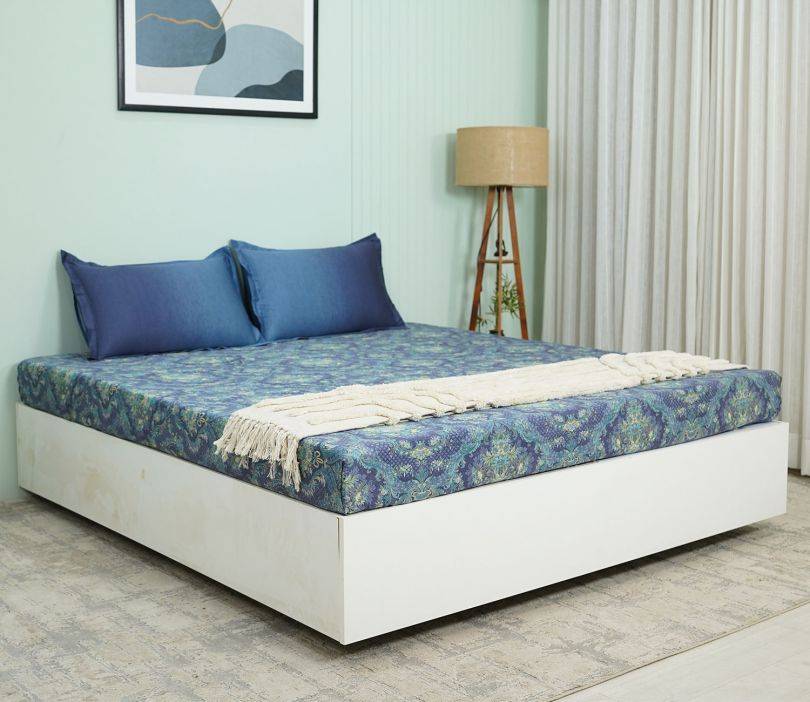
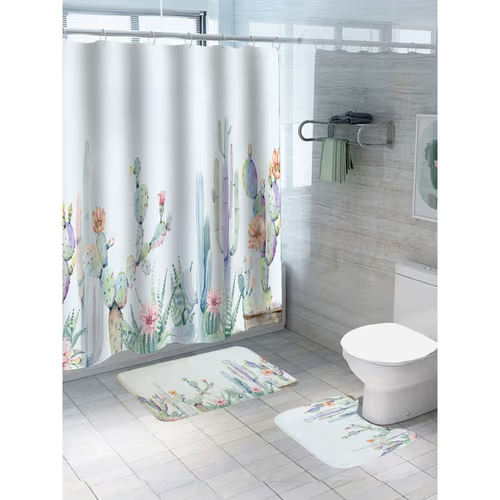
A home feels truly complete when it balances comfort, warmth, and care. Two everyday essentials — the bath and the quilt — contribute quietly but powerfully to this sense of well-being. The bath represents cleanliness and rejuvenation, while quilts embody warmth, relaxation, and tradition.
Whether you unwind in a soothing bath after a long day or snuggle under a soft quilt on a cool evening, these experiences define comfort at its simplest level. In modern homes, the way we choose our bath linens and bedding items influences not only physical ease but also mood, sleep quality, and even décor aesthetics.
This article explores the connection between bath essentials and quilts, their materials, cultural significance, evolving designs, and how they enhance comfort and lifestyle in everyday living.
The Essence of Bath Comfort
The bathroom is more than a functional space; it’s a personal retreat. The right bath textiles and accessories transform daily hygiene into a restorative ritual.
1. The Role of Bath Linens
From towels and robes to bath mats, high-quality fabrics add softness and absorbency. Cotton — particularly Egyptian or Turkish cotton — remains the top choice because of its long fibers, plush texture, and durability. Bamboo and microfiber blends are also popular for being quick-drying and eco-friendly.
Clean, soft towels not only dry the skin efficiently but also enhance post-bath comfort, helping the body relax and transition into rest mode.
2. Spa-Inspired Bathing
Modern homes often adopt spa-like bathrooms with minimalist décor, soothing colors, and layered textiles. Elements such as scented candles, wooden accents, and fluffy bath sheets contribute to a calming experience that sets the tone for bedtime comfort — leading naturally to the warmth of a quilted bed.
Understanding Quilts: More Than Just Bedding
What Is a Quilt?
A quilt is a layered textile composed of three parts: a top layer, a middle layer of padding or batting, and a bottom backing layer, all stitched together. Unlike a duvet, which encloses loose filling in a bag, a quilt’s layers are held in place through intricate stitching or patchwork designs.
Quilts serve dual purposes — providing warmth and acting as decorative elements that add texture and personality to the bedroom.
Historical and Cultural Roots
Quilting is an age-old craft that dates back centuries. Traditionally, quilts were hand-stitched using scraps of fabric, often telling stories of families, travels, and communities. In many cultures — from American patchwork quilts to Indian kantha quilts and Japanese sashiko designs — quilting symbolizes creativity, sustainability, and heritage.
Today, while machine-made quilts dominate the market, hand-crafted versions remain cherished for their artistry and cultural value.
Types of Quilts
1. Patchwork Quilts
Made by stitching together fabric pieces of various colors and patterns, patchwork quilts are the most iconic. They bring a sense of nostalgia and artistry to home décor.
2. Kantha Quilts
Originating in India and Bangladesh, kantha quilts are created by layering old saris or cotton fabrics, hand-stitched with running threads. These lightweight quilts are perfect for mild climates and add a rustic, ethnic touch.
3. Whole-Cloth Quilts
Instead of patchwork, whole-cloth quilts use a single piece of fabric for the top layer, showcasing detailed quilting patterns such as diamonds, feathers, or floral motifs.
4. Reversible Quilts
Designed with two attractive sides, reversible quilts provide flexibility in styling — ideal for seasonal décor changes.
5. Modern and Minimalist Quilts
Contemporary designs use geometric shapes, neutral tones, and sustainable fabrics, appealing to minimalistic and eco-conscious homeowners.
Common Materials Used in Quilts
The comfort and lifespan of a quilt depend on its materials.
Top and Bottom Layers
-
Cotton: Soft, breathable, and durable — suitable for all seasons.
-
Linen: Adds a natural texture and moisture-wicking quality.
-
Silk: Luxurious, smooth, and temperature-regulating.
-
Polyester Blends: Lightweight and easy to maintain.
Filling or Batting Materials
-
Cotton Batting: Breathable, ideal for warm weather.
-
Wool Batting: Excellent insulation and moisture control.
-
Down or Feather: Extremely warm but less suited for humid climates.
-
Synthetic Microfiber: Affordable, hypoallergenic, and machine-washable.
-
Recycled Fibers: Increasingly popular for sustainable bedding.
Quilts vs. Duvets: Understanding the Difference
Many people confuse quilts with duvets or comforters, but they serve slightly different purposes:
| Feature | Quilt | Duvet |
|---|---|---|
| Structure | Three stitched layers | Loose filling inside a cover |
| Weight | Usually lighter | Generally heavier |
| Appearance | Decorative, detailed stitching | Plain; depends on cover |
| Maintenance | Machine-washable | Requires separate cover washing |
| Climate Use | Year-round or warm weather | Best for cold seasons |
Quilts are more versatile and decorative, while duvets focus on insulation. Many homeowners even layer both for added warmth and aesthetic depth.
The Connection Between Bath and Bedding Comfort
Though separate in function, the bath and bed routines are deeply linked. The quality of your bathing experience often influences how well you rest afterward.
After stepping out of a warm bath and wrapping in a soft towel, sliding beneath a cozy quilt completes the relaxation cycle. Together, they form part of a holistic wellness routine that supports better sleep, calmer moods, and physical rejuvenation.
-
A warm bath relaxes muscles and reduces stress.
-
Soft towels dry and soothe the skin.
-
A light quilt maintains a comfortable body temperature through the night.
This sequence reflects how design, texture, and sensory experiences contribute to home comfort and mental peace.
The Role of Quilts in Home Décor
Beyond warmth, quilts serve as beautiful decorative accents that can transform any bedroom.
1. Adding Color and Texture
Quilts introduce visual variety through layered fabrics and stitches. They can brighten a neutral room or tone down bold interiors.
2. Layering for Luxury
Layering quilts with throws, cushions, and bedspreads creates a hotel-like aesthetic. Combining textures — cotton with linen or velvet — adds depth and sophistication.
3. Seasonal Transitions
In warmer months, a lightweight cotton quilt replaces heavy blankets. In winter, quilts can be layered with duvets for added warmth.
4. Statement Pieces
A handcrafted quilt with intricate embroidery or patchwork can serve as an art piece, giving personality to minimalist interiors.
Choosing the Right Quilt for Your Lifestyle
When selecting a quilt, consider climate, material, design, and maintenance.
1. Climate and Warmth
-
For warm regions, cotton or bamboo quilts provide breathability.
-
In cold areas, wool or down quilts offer superior insulation.
-
For all-season comfort, opt for lightweight microfibre or layered cotton quilts.
2. Size and Fit
Quilts come in standard sizes — single, double, queen, and king. A quilt slightly larger than the mattress gives a neater drape.
3. Allergies and Sensitivity
For those with allergies, hypoallergenic quilts made from synthetic fibers or natural bamboo are best.
4. Style and Color Palette
Choose patterns and hues that complement your room. Neutral tones evoke calmness, while bold designs add vibrancy.
5. Maintenance and Care
Always check washing instructions. Natural fillings may need professional cleaning, while cotton and microfiber quilts are often machine-washable.
Sustainable and Ethical Bedding Choices
Today’s consumers increasingly value sustainability in home textiles. Quilts made from organic, responsibly sourced materials support environmental well-being and ethical production.
1. Organic Cotton and Linen
Free from pesticides and synthetic dyes, organic fabrics are safer for skin and the environment.
2. Recycled or Upcycled Materials
Some modern quilts incorporate repurposed fabrics, reducing waste and celebrating craftsmanship.
3. Fair-Trade Practices
Supporting fair-trade certified producers ensures artisans are compensated fairly for their work — especially important in handcrafted quilting communities.
4. Long-Lasting Quality
Choosing durable quilts and towels reduces the frequency of replacement, minimizing resource consumption.
The Science of Comfort: How Quilts Affect Sleep
Quality sleep depends on temperature regulation, comfort, and emotional relaxation — all influenced by bedding.
Temperature Regulation
Quilts trap air in their stitched layers, maintaining a stable microclimate that prevents overheating or chills.
Weight and Pressure
The gentle weight of a quilt can mimic a calming effect similar to a weighted blanket, reducing anxiety and encouraging deeper sleep.
Sensory Comfort
Soft fabrics stimulate positive sensory responses, soothing the nervous system and promoting relaxation.
How to Care for Quilts and Bath Linens
Proper care preserves softness, hygiene, and longevity.
For Quilts
-
Regular Airing: Shake and air quilts outdoors monthly to prevent odor buildup.
-
Washing: Use mild detergents and cold water; avoid bleach.
-
Drying: Air-dry flat or tumble dry on low heat.
-
Storage: Store in breathable cotton bags, not plastic, to avoid mildew.
For Bath Linens
-
Wash Every 3–4 Uses: Maintains hygiene and freshness.
-
Avoid Fabric Softeners: They reduce towel absorbency.
-
Separate Loads: Wash white and colored towels separately.
-
Proper Drying: Ensure complete drying to prevent damp odors.
Emerging Trends in Bath and Bedding Design
1. Neutral and Earthy Tones
Soft beige, grey, olive, and cream dominate both bathrooms and bedrooms, creating calm and timeless appeal.
2. Textured Layers
Waffle-weave towels and quilted linens add tactile richness without overpowering simplicity.
3. Smart Textiles
Fabrics with antibacterial coatings, moisture management, and temperature-adaptive fibers are increasingly available in both towels and quilts.
4. Minimalist Patterns
Clean lines, subtle stitching, and natural textures are replacing heavy prints, reflecting modern preferences for serenity and sustainability.
5. Heritage Revival
Handcrafted quilts and artisan-made bath textiles are regaining popularity as consumers appreciate authenticity and craftsmanship.
The Psychological Connection Between Warmth and Wellness
Comfortable environments directly affect mental well-being. A warm bath followed by cozy bedding lowers cortisol levels (stress hormones) and promotes relaxation and emotional balance.
-
Warmth = Safety: The physical sensation of warmth signals comfort to the brain.
-
Softness = Care: Soft fabrics mimic nurturing touch, enhancing feelings of security.
-
Cleanliness = Calm: Fresh linens and towels foster mindfulness and peace of mind.
Incorporating these small rituals creates a holistic sense of home wellness.
Combining Function and Aesthetics: Styling Tips
-
Coordinate Colors: Match quilt tones with bathroom towels for a unified home theme.
-
Use Layering: Mix quilts with throws and cushions for depth.
-
Add Texture: Pair smooth bedding with textured rugs or woven baskets.
-
Balance Simplicity: Avoid clutter; let one statement quilt or towel color dominate.
-
Bring Nature Indoors: Combine organic fabrics with plants or natural wood accents.
Conclusion
The harmony between bath comfort and quilted warmth defines the essence of home living. While the bath cleanses and refreshes, the quilt embraces and restores. Together, they represent a rhythm of daily self-care — washing away fatigue, then wrapping the body in calm.
Both elements, though simple, have evolved through culture, craftsmanship, and innovation to become symbols of rest, comfort, and sustainability. By choosing quality fabrics, maintaining care routines, and appreciating the tactile joy they bring, anyone can create a home that nurtures body and soul.
Ultimately, comfort lies not in extravagance but in the quiet details — a warm bath, a soft towel, and the gentle weight of a quilt at the end of the day.